The world of semi aquatic mammals holds many fascinating creatures, and among them the muskrat stands out as a vital yet often overlooked component of North American wetlands. Often mistaken for a small beaver, the muskrat Ondatra zibethicus possesses a unique charm and a surprisingly complex life history. This comprehensive guide delves into the biology, behavior, and ecological role of this remarkable rodent, offering insights for students, animal enthusiasts, and anyone curious about the natural world.
Understanding the Muskrat
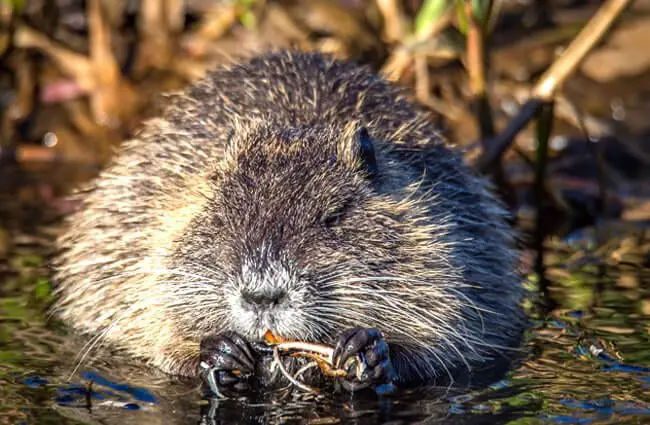
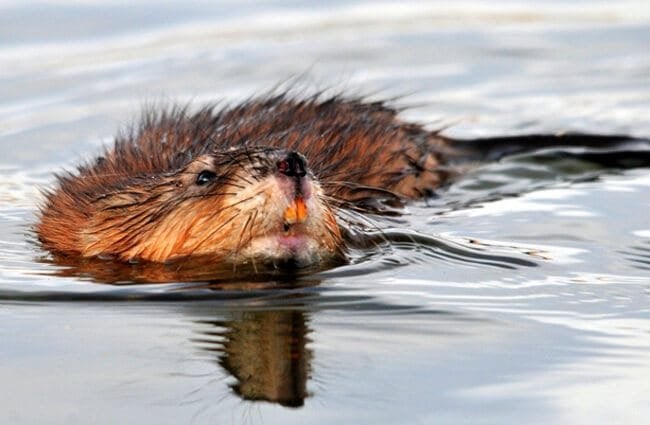
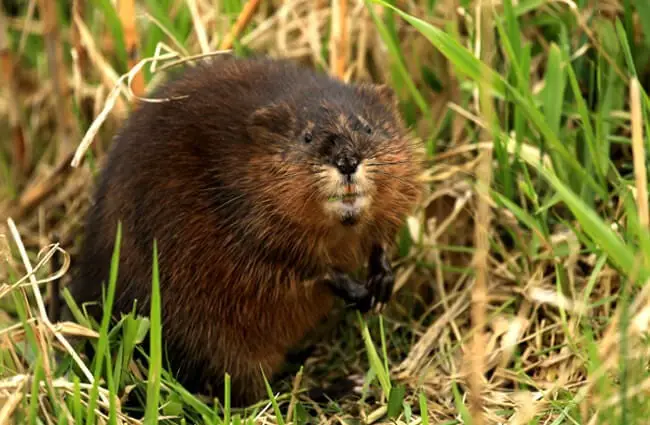
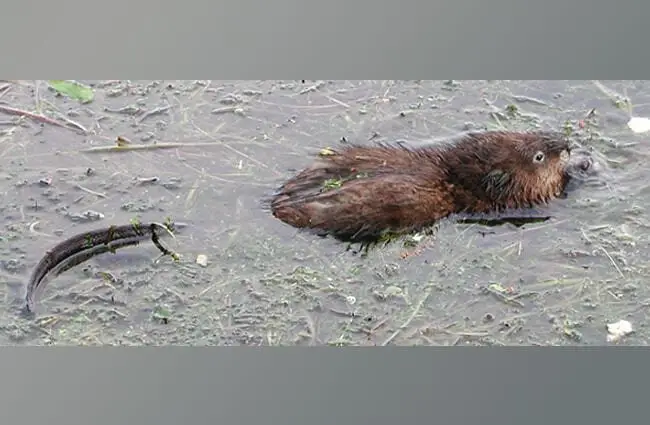
Muskrats are medium sized rodents, typically weighing between two and four pounds and measuring 16 to 20 inches in length, including their distinctive tail. Their waterproof fur, ranging in color from reddish brown to dark brown, keeps them warm in chilly waters. A key identifying feature is their nearly hairless, scaled tail, which serves as a rudder when swimming. The muskrat’s hind feet are webbed, further enhancing their aquatic prowess.
Habitat and Distribution
Native to North America, muskrats thrive in a variety of wetland habitats. Marshes, swamps, ponds, streams, and slow moving rivers all provide suitable environments. They are found across much of Canada, the United States, and even parts of Mexico. They exhibit remarkable adaptability, able to colonize both freshwater and slightly brackish environments. The presence of abundant vegetation is crucial, as it forms the basis of their diet and provides materials for building lodges and feeding platforms.
Evolutionary History
The muskrat belongs to the subfamily Ondatrinae, within the family Cricetidae. Their evolutionary origins trace back to the Pliocene epoch, roughly five million years ago. Fossil evidence suggests that early muskrats were more terrestrial than their modern counterparts. Over time, they adapted to a semi aquatic lifestyle, developing specialized features such as webbed feet and a flattened tail. Their close relationship to voles is reflected in similar dental structure and reproductive strategies.
Diet and Foraging Behavior
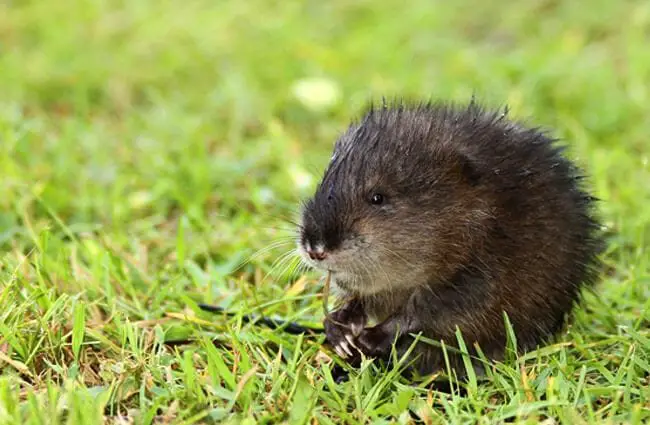
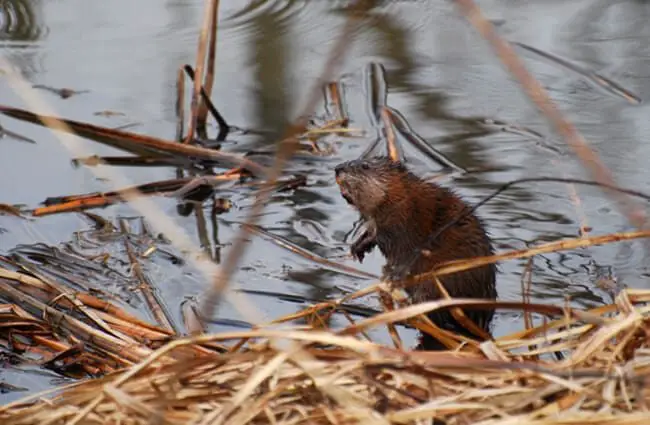
Muskrats are primarily herbivores, with a strong preference for aquatic vegetation. Cattails, bulrushes, water lilies, and pondweed form the core of their diet. However, they are opportunistic feeders and will also consume roots, stems, and leaves of terrestrial plants when available. During the winter months, when aquatic vegetation is scarce, muskrats may resort to feeding on bark and twigs. They often build 'feeding platforms', mounds of vegetation in the water where they can sit and enjoy their meals.
Life Cycle: Mating, Reproduction, and Development
Muskrat mating season typically occurs from late winter to early spring. Males establish territories and compete for access to females. Gestation lasts approximately 28 to 30 days, resulting in litters of four to seven young, known as kits. Kits are born blind and helpless, relying entirely on their mother for care. They are weaned within a few weeks and begin to explore their surroundings. Muskrats can have multiple litters per year, allowing their populations to grow rapidly. Young muskrats typically disperse from their natal lodges in the fall, seeking out new territories.
Muskrats and the Ecosystem
Muskrats play a vital role in wetland ecosystems. Their feeding habits help to control vegetation growth, preventing excessive buildup and maintaining open water areas. Their burrowing activities create channels and pools, providing habitat for other aquatic species. Muskrat lodges also provide nesting and refuge sites for waterfowl, amphibians, and reptiles. They serve as an important food source for predators such as foxes, hawks, owls, and snakes. Their presence or absence can be an indicator of wetland health.
Interactions with Other Animals
Muskrats often coexist peacefully with beavers, but competition for resources can occur. Beavers typically build larger, more elaborate dams, while muskrats focus on constructing lodges and feeding platforms. Muskrats are susceptible to parasites and diseases, including tularemia and parasitic worms. They can occasionally engage in aggressive behavior towards other muskrats, particularly during the breeding season.
Muskrats and Humans
Historically, muskrats were trapped for their fur, which was used to make hats, coats, and other garments. While fur trapping has declined in recent years, it still occurs in some areas. Muskrats can sometimes cause problems for humans by damaging crops, flooding fields, and eroding shorelines. However, they also provide recreational opportunities for wildlife watchers and photographers.
Encountering Muskrats in the Wild
If you encounter a muskrat in the wild, it is best to observe it from a distance. Avoid approaching or disturbing the animal. If you are near water, be aware that muskrats are strong swimmers and can dive for several minutes at a time. Do not attempt to feed or handle a muskrat, as they can bite if they feel threatened.
Muskrat Care in Captivity
Caring for muskrats in captivity requires specialized knowledge and facilities. They need a large enclosure with access to both land and water. The water should be clean and regularly filtered. The enclosure should also provide ample vegetation for foraging and shelter. Muskrats are social animals and should be housed in pairs or small groups. Their diet should consist of aquatic plants, supplemented with commercial rodent food. Regular veterinary care is essential to ensure their health and well-being. Avoid overcrowding, as this can lead to stress and aggression.
The muskrat, though often overlooked, is a fascinating and ecologically important creature. From their specialized adaptations to their vital role in wetland ecosystems, they offer a wealth of insights into the natural world. By understanding their biology, behavior, and interactions with the environment, we can better appreciate and protect these remarkable rodents for generations to come.
![Closeup of a beautiful Red Angus cowPhoto by: U.S. Department of Agriculture [pubic domain]https://creativecommons.org/licenses/by/2.0/](https://animals.net/wp-content/uploads/2020/03/Red-Angus-4-238x178.jpg "Red Angus")
![Closeup of a beautiful Red Angus cowPhoto by: U.S. Department of Agriculture [pubic domain]https://creativecommons.org/licenses/by/2.0/](https://animals.net/wp-content/uploads/2020/03/Red-Angus-4-100x75.jpg "Red Angus")