Unveiling the Moccasin: A Comprehensive Guide
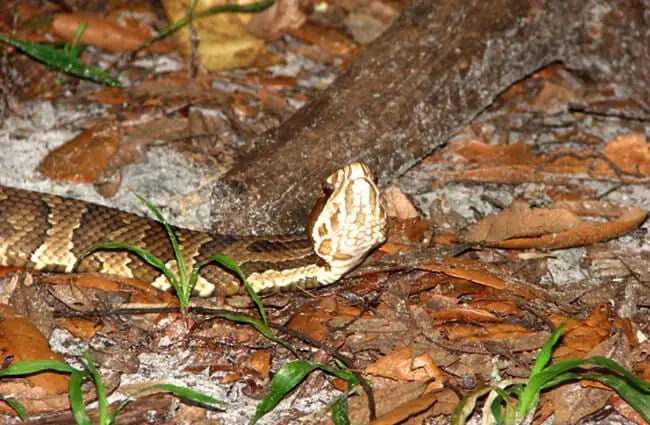
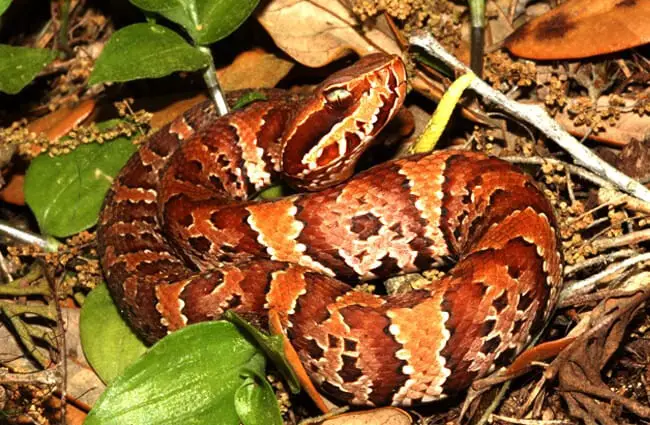
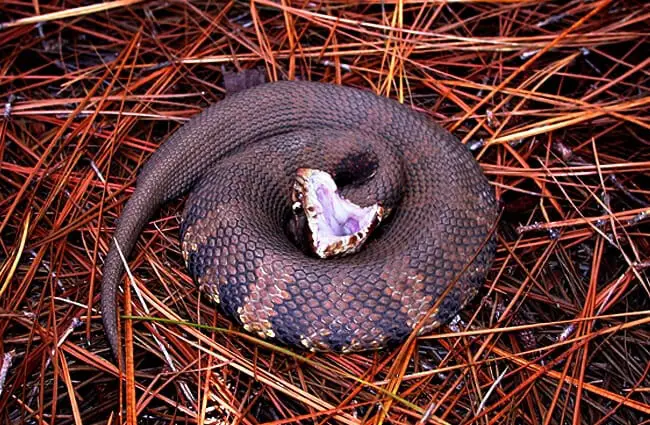
The term “Moccasin” evokes images of soft leather footwear, but in the natural world it refers to a fascinating group of venomous pit vipers belonging to the genus Agkistrodon. These snakes, also known as Cottonmouths because of the white lining of their mouths that appears when threatened, play integral roles in their ecosystems and have a rich, though often misunderstood, history. This guide explores the Moccasin’s habitat, behavior, evolution, and interactions with both the environment and humans.
Habitat and Distribution
Moccasins are primarily found in the southeastern United States, with some populations extending into the central region. Their range covers southeastern Virginia, down through Florida, west to eastern Texas, and north to parts of Alabama, Mississippi, and Arkansas. These snakes prefer wetland habitats such as swamps, marshes, cypress ponds, and slow-moving rivers, but they can also adapt to drier upland forests. Water is essential, as they are proficient swimmers and ambush predators near aquatic environments.
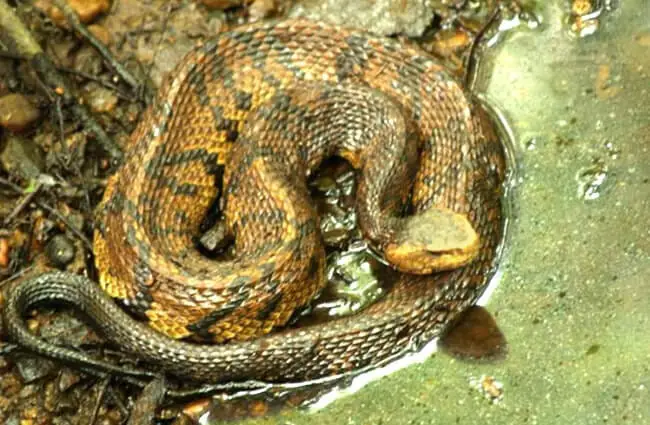
Within this broad range, several subspecies exhibit slightly different habitat preferences. For example, the Florida Cottonmouth is closely associated with the Everglades ecosystem, while the red cottonmouth favors riparian areas in Texas and Oklahoma.
Evolutionary History
The evolutionary journey of the Moccasin dates back to the Miocene epoch, roughly 23 to 5 million years ago. Fossil evidence suggests that the ancestors of Agkistrodon originated in Asia and migrated to North America via the Bering Land Bridge. Over millions of years, these snakes diversified into the several subspecies we recognize today, adapting to the varied landscapes of the eastern and central United States.
The development of the pit organ—a heat‑sensing receptor located between the eye and nostril—was a key innovation. This allows Moccasins to detect warm‑blooded prey even in complete darkness, making them highly effective nocturnal hunters.
Diet and Hunting Strategies
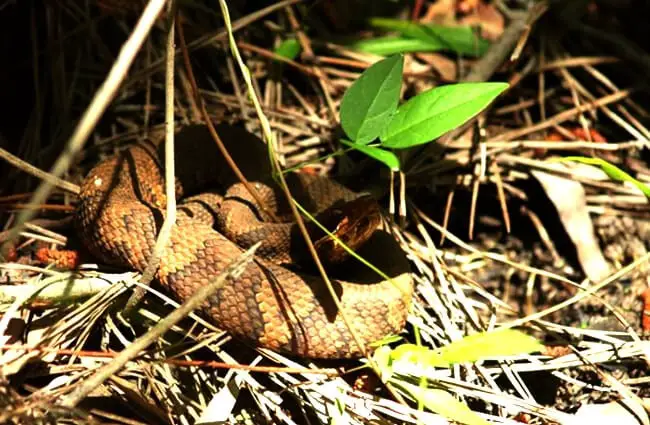
Moccasins are carnivores with a varied diet that primarily consists of fish, amphibians, snakes, birds, and small mammals. Their hunting technique relies heavily on ambush. They lie in wait, often submerged or camouflaged among vegetation, patiently awaiting unsuspecting prey. When an animal ventures close enough, the Moccasin strikes with remarkable speed, injecting venom to subdue and kill its meal.
Young Moccasins typically feed on smaller prey such as frogs and minnows, gradually transitioning to larger animals as they mature. Their venom is a potent hemotoxin that disrupts blood clotting and causes tissue damage.
Reproduction and Life Cycle
Moccasins are viviparous, giving birth to live young rather than laying eggs. Mating usually occurs in spring or early summer. After mating, the female carries her developing embryos for several months. Litter sizes range from a few to over a dozen young, depending on the mother’s size and age.
Newborn Moccasins are miniature versions of their parents, possessing functional venom and an instinctive hunting drive. They reach sexual maturity within a few years and can live for more than 20 years in the wild.
Ecological Role and Interactions
Moccasins play a crucial role in maintaining the health and balance of their ecosystems. As apex predators, they help control populations of rodents, amphibians, and other small animals, benefiting vegetation and overall biodiversity. They also serve as prey for larger predators such as birds of prey, alligators, and larger snakes. Their presence indicates a healthy, functioning wetland ecosystem, and while they sometimes compete with other snake species for food and habitat, these interactions are typically minimal.
Moccasins and Humans: A Complex Relationship
Historically, Moccasins were feared and persecuted due to their venomous nature and aggressive defense displays. Misinformation and exaggerated stories contributed to a negative perception of these snakes. However, Moccasins rarely attack humans unless provoked or accidentally stepped upon.
Today, conservation efforts focus on protecting their habitats and educating the public about their ecological importance. It is crucial to remember that Moccasins are an integral part of the natural world and deserve our respect and understanding. If encountered, maintain a safe distance and avoid any actions that might be perceived as threatening.
Encountering a Moccasin in the Wild: Safety First
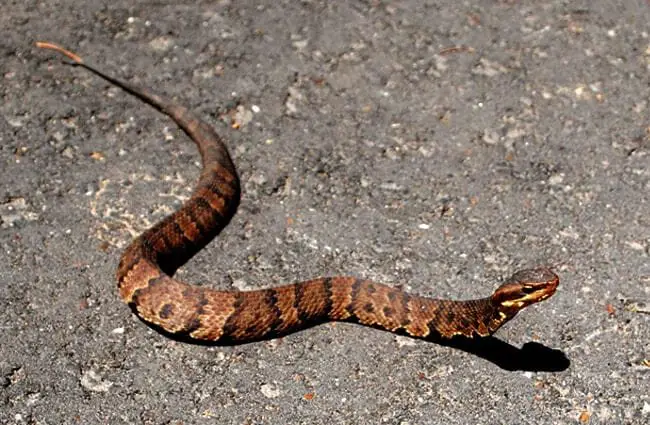
If you encounter a Moccasin while hiking or exploring, remain calm and maintain a safe distance. Do not attempt to handle or harass the snake. Slowly back away, giving it plenty of space to escape. If bitten, seek immediate medical attention. Identify the snake if possible, but do not risk further injury in the process.
Caring for Moccasins in Captivity
Caring for Moccasins in captivity requires specialized knowledge and facilities. Enclosures should be spacious, secure, and equipped with appropriate temperature and humidity controls. A varied diet of fish, amphibians, and rodents should be provided. Regular veterinary care is essential to monitor the snake’s health and prevent disease. Handling should be minimized to reduce stress and avoid accidental bites.
Fascinating Facts About Moccasins
- Moccasins can regulate the amount of venom they inject during a bite.
- The white lining of their mouth gives them the nickname “Cottonmouth.”
- They are excellent swimmers and often bask in the sun near water.
- Their heat‑sensing pits allow them to detect prey in complete darkness.
- Juvenile Moccasins have more vibrant coloration than adults.
- They play a vital role in maintaining the health of wetland ecosystems.
Conclusion
The Moccasin is a fascinating and ecologically important reptile. By understanding its behavior, habitat, and role in the ecosystem, we can foster a greater appreciation for this often‑misunderstood creature. Conservation efforts are crucial to ensure the long‑term survival of these snakes and the healthy functioning of the wetlands they call home. Respecting their space and learning to coexist peacefully is essential for both humans and Moccasins.
![Closeup of a beautiful Red Angus cowPhoto by: U.S. Department of Agriculture [pubic domain]https://creativecommons.org/licenses/by/2.0/](https://animals.net/wp-content/uploads/2020/03/Red-Angus-4-238x178.jpg "Red Angus")
![Closeup of a beautiful Red Angus cowPhoto by: U.S. Department of Agriculture [pubic domain]https://creativecommons.org/licenses/by/2.0/](https://animals.net/wp-content/uploads/2020/03/Red-Angus-4-100x75.jpg "Red Angus")