The avian world boasts a remarkable diversity of species, but few capture the imagination quite like the Mandarin Duck. Often hailed as one of the most beautiful duck species, this small waterfowl is a living jewel, instantly recognizable by its striking plumage and intriguing behavior. This guide delves into the fascinating life of the Mandarin Duck, exploring its history, habitat, diet, breeding habits, ecological role, and cultural significance.
A Splash of Color: Introducing the Mandarin Duck
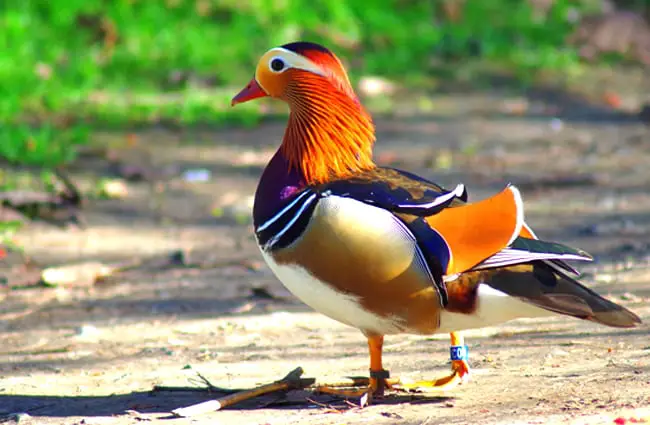
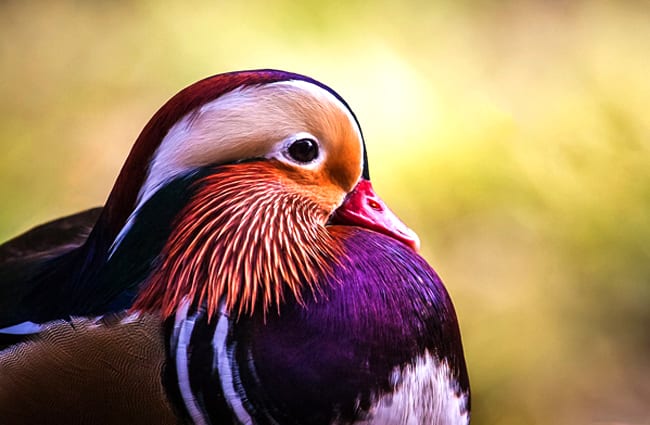
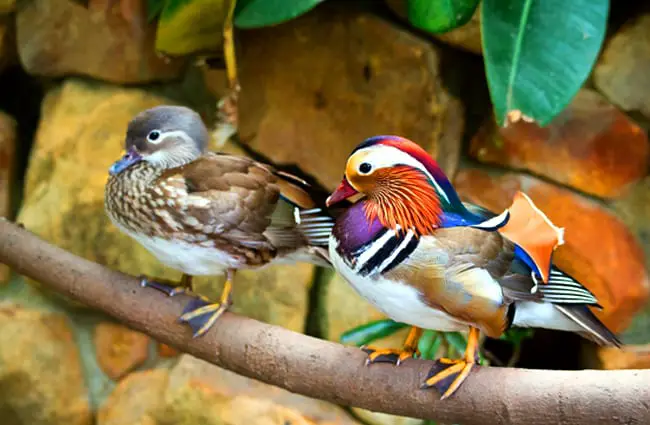
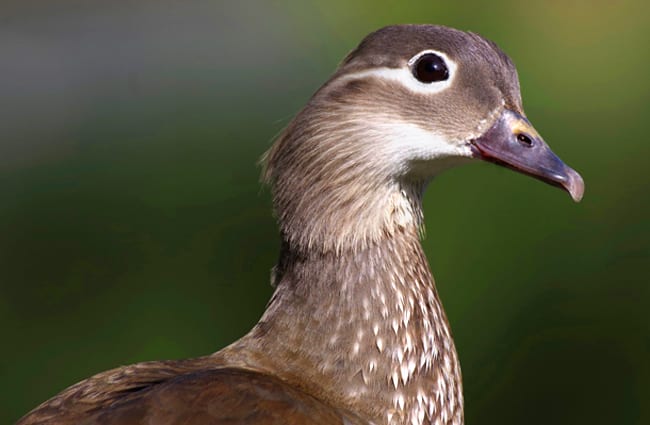
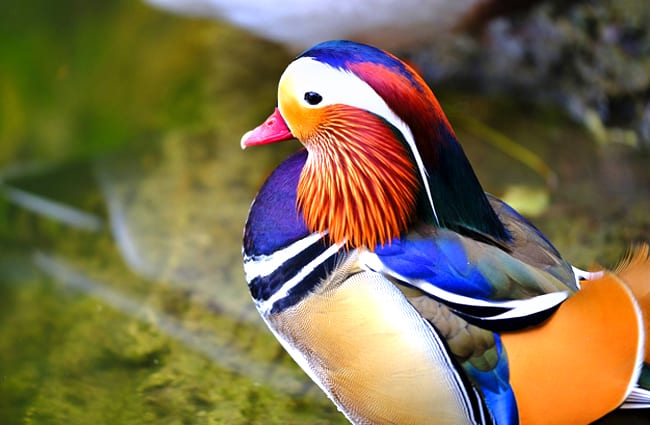
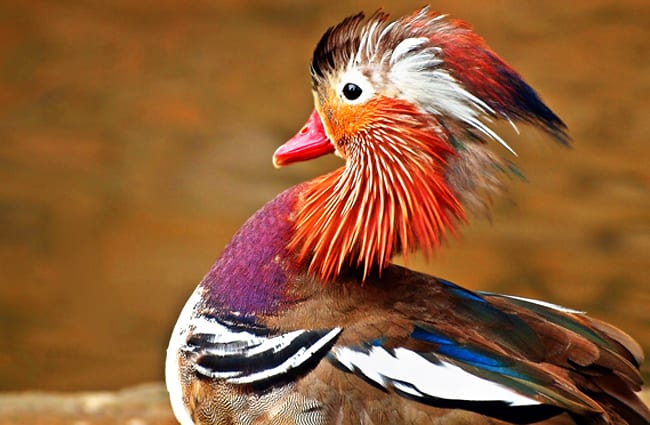
The Mandarin Duck, scientifically known as Aix galericulata, is a perching duck native to East Asia. Its vibrant coloration, especially in the male, has earned it a place in art, folklore, and the hearts of birdwatchers worldwide. The male boasts a dazzling array of colors—purple, green, bronze, and orange—adorned with intricate patterns. The female, while more subtly colored, possesses a delicate beauty of her own with mottled brown and grey plumage.
Habitat and Distribution
Mandarin Ducks thrive in densely wooded areas near shallow lakes, ponds, and rivers. They prefer environments with mature trees for nesting and roosting, as well as an abundant supply of aquatic vegetation for foraging. Historically, their range included much of eastern Russia, Korea, Japan, and parts of China. Over time, introduced populations have become established in Western Europe and North America, especially in Great Britain and the eastern United States.
Finding Mandarin Ducks in the Wild
For birdwatchers hoping to spot these beautiful ducks, knowing where to look is crucial. Focus on forested wetlands, especially during the breeding season, which typically occurs from late winter to early spring. Listen for their distinctive whistle-like calls. Look for tree cavities near water bodies, as these are their preferred nesting sites. Introduced populations in Europe and North America are often found in parks and gardens, making them more accessible for observation.
Diet and Foraging Behavior
Mandarin Ducks are omnivorous, feeding on a mix of plant and animal matter. They primarily consume aquatic plants, seeds, nuts, fruits, and invertebrates such as insects, snails, and crustaceans. They forage by dabbling—tipping forward in the water to reach submerged vegetation—and by gleaning food from the water’s surface or from tree branches. Their strong bills are well adapted for crushing seeds and nuts.
Evolutionary History
Fossil evidence suggests that the genus Aix, to which the Mandarin Duck belongs, originated in Asia during the Pliocene epoch. The unique features of the Mandarin Duck, such as its specialized bill and brightly colored plumage, likely evolved through natural selection to enhance its foraging efficiency and reproductive success. Its closest relatives are other perching ducks, such as the Wood Duck.
Mating and Reproduction
Mandarin Ducks are typically monogamous, forming pair bonds that can last for several breeding seasons. The male displays his vibrant plumage to attract a mate, performing elaborate courtship rituals that include head‑bobbing, whistling, and preening. Once paired, the ducks work together to select a suitable nesting site—usually a tree cavity near water.
The female lays a clutch of eight to twelve eggs, which she incubates for about 28 to 30 days. The ducklings are precocial, meaning they are relatively independent at birth and can follow their mother to foraging areas. They develop rapidly, becoming capable of flight—fledging—within 40 to 50 days of hatching. It is a truly delightful sight to watch a line of fluffy ducklings following their mother through the water.
Ecological Role and Interactions
Mandarin Ducks play a vital role in wetland ecosystems. They help disperse seeds, contributing to plant diversity, and they consume invertebrates, helping to regulate insect populations. They also serve as a food source for predators such as foxes, raccoons, and birds of prey. In areas where they are abundant, they can influence the structure of aquatic plant communities through their grazing activities.
Interactions with Other Animals
Mandarin Ducks often coexist with other waterfowl species, such as mallards and teal. They may also compete with these species for food and nesting sites, but generally maintain a peaceful coexistence. They have been observed roosting and foraging alongside other ducks and geese. Their bright plumage can sometimes attract the attention of larger birds, which may try to steal their food or harass them.
Cultural Significance
In East Asian cultures, the Mandarin Duck symbolizes love, fidelity, and marital happiness. Its tendency to mate for life has led to its association with lifelong commitment. They are frequently depicted in art, literature, and folklore as a symbol of a happy and harmonious marriage. In some cultures, they are presented as gifts to newlyweds to wish them a long and loving union.
Human Interactions and Conservation
Historically, Mandarin Ducks were hunted for their meat and feathers. Habitat loss and degradation also posed a threat to their populations. Conservation efforts—including habitat protection and hunting restrictions—have helped stabilize their numbers in many areas. Introduced populations in Europe and North America have thrived, though they can sometimes pose a challenge to native waterfowl species.
Encountering Mandarin Ducks in the Wild: A Responsible Approach
If you encounter Mandarin Ducks in the wild, observe them from a distance and avoid disturbing their natural behavior. Do not feed them, as this can disrupt their foraging habits and make them dependent on humans. Keep pets leashed and under control, as they may harass or prey on the ducks. Report any signs of injury or illness to local wildlife authorities.
Caring for Mandarin Ducks in Captivity
For zookeepers and aviculturists caring for Mandarin Ducks, providing a suitable environment is crucial. They require spacious enclosures with access to both land and water. The water should be clean and well filtered. Provide a variety of aquatic plants and invertebrates to ensure a balanced diet. Supply nesting boxes and suitable nesting material to encourage breeding. Regular health checks and preventative care are essential to maintain their well‑being.
Avoid overcrowding and provide plenty of enrichment to stimulate their natural behaviors. Monitor their social interactions and ensure that they are not being harassed by other birds. Maintaining a clean and hygienic environment will help prevent the spread of disease.
The Mandarin Duck is a testament to the beauty and diversity of the natural world. From its dazzling plumage to its intriguing behavior, this remarkable species continues to captivate and inspire. By understanding its ecology, conservation needs, and cultural significance, we can ensure that this magnificent duck thrives for generations to come.
![Closeup of a beautiful Red Angus cowPhoto by: U.S. Department of Agriculture [pubic domain]https://creativecommons.org/licenses/by/2.0/](https://animals.net/wp-content/uploads/2020/03/Red-Angus-4-238x178.jpg "Red Angus")
![Closeup of a beautiful Red Angus cowPhoto by: U.S. Department of Agriculture [pubic domain]https://creativecommons.org/licenses/by/2.0/](https://animals.net/wp-content/uploads/2020/03/Red-Angus-4-100x75.jpg "Red Angus")