The world of snakes is filled with fascinating creatures, and among the most renowned—and often feared—is the mamba. These slender, fast‑moving predators are not just a single species, but a group of highly specialized snakes native to Africa. Their speed, potent venom, and unique behaviors have captivated and challenged scientists and wildlife enthusiasts alike. This article delves into the comprehensive world of mambas, exploring their biology, behavior, habitat, and interactions with both the environment and humankind.
What is a Mamba?
The name “mamba” refers to a genus, Dendroaspis, encompassing four distinct species. These are the black mamba (Dendroaspis polylepis), eastern green mamba (Dendroaspis angusticeps), western green mamba (Dendroaspis viridis), and Jameson’s mamba (Dendroaspis jamesoni). They are all members of the elapid family, which also includes cobras and kraits, meaning they possess fixed front fangs and are capable of delivering a potent neurotoxic venom.
Physical Characteristics
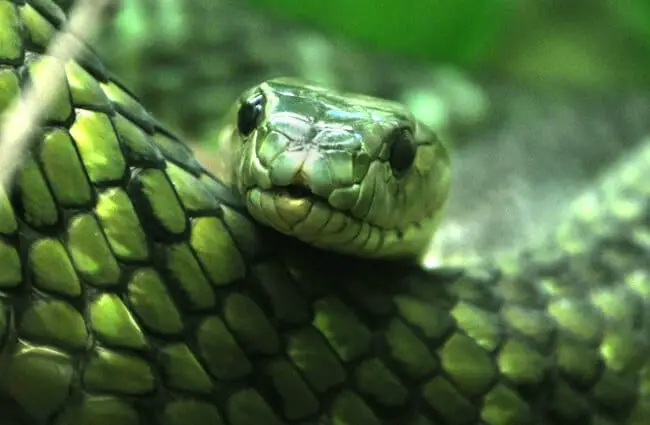
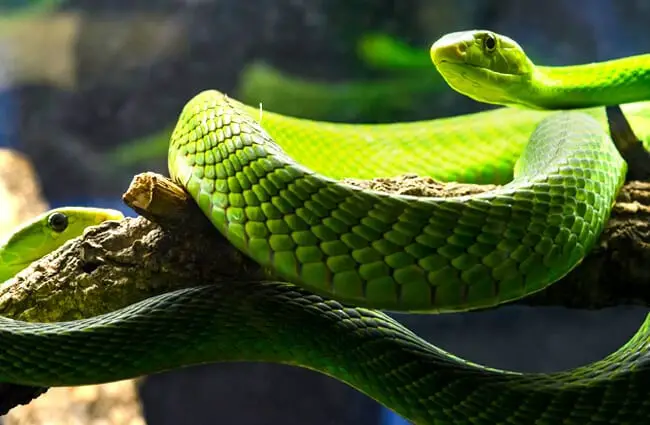
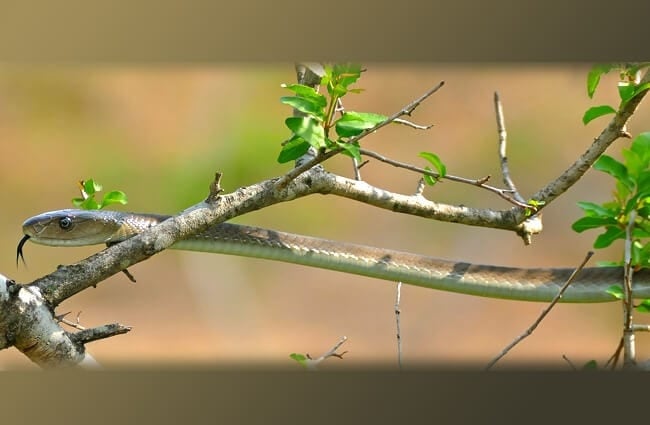
Mambas are characterized by their long, slender bodies, relatively small heads, and smooth scales. Their coloration varies depending on the species. The black mamba, despite its name, is not truly black, but a dark olive, grey, or brownish color. Its mouth, however, is a deep black, giving rise to the common name. Green mambas are typically bright green, blending seamlessly with the foliage of their rainforest habitats. Jameson’s mamba exhibits a mix of colors, ranging from olive green to grey, with distinctive scale patterns.
Size and Lifespan
The black mamba is the largest of the mamba species, averaging around 2 to 3 meters (6.6 to 9.8 feet) in length, with some individuals reaching over 4 meters (13 feet). Green mambas are generally smaller, typically reaching lengths of 2 to 2.5 meters (6.6 to 8.2 feet). Jameson’s mamba falls somewhere in between. In the wild, mambas typically live for 10 to 15 years, though captive individuals may live longer with proper care.
Habitat and Distribution
Mambas are exclusively found in Africa. Their distribution varies depending on the species.
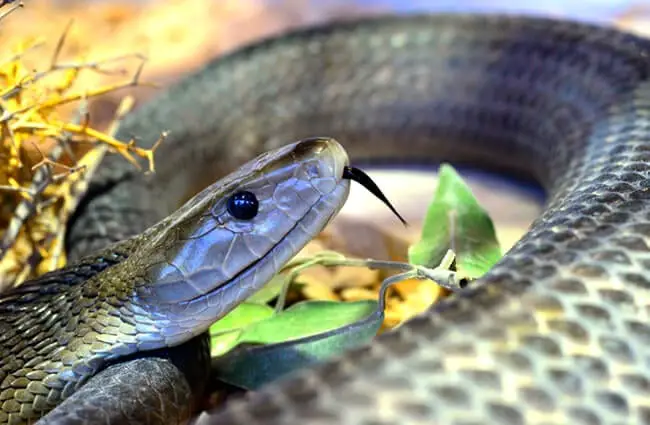
- Black Mamba: Primarily found in sub‑Saharan Africa, inhabiting savannas, woodlands, rocky outcrops, and open forests. They are widespread across eastern and southern Africa.
- Eastern Green Mamba: Found in coastal forests, woodlands, and mangrove swamps of eastern Africa, from Somalia to South Africa.
- Western Green Mamba: Inhabits the rainforests of West Africa, from Sierra Leone to Nigeria.
- Jameson’s Mamba: Found in central Africa, particularly in areas of high altitude and rainforest.
Mambas generally prefer habitats with dense vegetation, providing cover from predators and ample opportunities for ambush hunting.
Diet and Hunting Strategies
Mambas are carnivores, feeding primarily on small mammals, birds, lizards, and occasionally other snakes. They are ambush predators, relying on their speed and camouflage to surprise their prey. Once prey is within striking distance, they deliver a rapid, precise bite, injecting venom to immobilize and subdue their victim.
The venom of mambas is a potent neurotoxin that disrupts nerve function, leading to paralysis and ultimately death. They do not constrict their prey; instead, they rely on the venom to take effect. After delivering a bite, a mamba will typically wait for the venom to work before consuming its meal.
Mamba Reproduction and Life Cycle
Mambas are ovoviviparous, giving birth to live young after a gestation period of about 80 to 90 days. The newborns are about 20 to 30 centimeters (8 to 12 inches) long and are independent from birth. They are capable of hunting small prey and possess a functional, albeit less potent, venom. Mambas reach sexual maturity at around 3 to 4 years of age.
Mambas in the Ecosystem
As apex predators, mambas play an important role in regulating populations of their prey species. By controlling rodent and bird populations, they help maintain the health and balance of the ecosystem. They also serve as prey for larger predators, such as eagles and other large snakes, contributing to the food web.
Interactions with other Animals
Mambas often share their habitat with other snakes, lizards, and mammals. They occasionally compete with other predators for prey, but generally maintain a degree of niche separation. Birds of prey are the most significant predators of mambas, particularly juveniles. Mambas are known to exhibit aggressive displays towards perceived threats, including humans and other animals.
Mambas and Humans
The black mamba, in particular, has a notorious reputation as one of the most dangerous snakes in Africa. This reputation is largely due to its speed, aggression, and potent venom. While bites are relatively rare, they can be fatal if left untreated. Antivenom is available, but prompt medical attention is crucial.
Safety Precautions
If hiking or living in areas inhabited by mambas, it is important to take the following precautions:
- Wear sturdy shoes and long pants.
- Be aware of your surroundings and avoid walking through dense vegetation.
- Never attempt to handle or approach a mamba.
- If you encounter a mamba, remain calm and slowly move away.
- Seek immediate medical attention if bitten.
Cultural Significance
In some African cultures, mambas are revered as symbols of power and strength. They are often featured in folklore, mythology, and traditional art. However, they are also feared and respected for their dangerous nature.
Mamba Conservation Status
The conservation status of mambas varies depending on the species. The black mamba is currently listed as Least Concern by the International Union for Conservation of Nature (IUCN), as it is relatively widespread and abundant. However, habitat loss and human encroachment pose potential threats to its long‑term survival. Green mambas are also listed as Least Concern, but their populations are more fragmented and vulnerable to habitat destruction. Jameson’s mamba is considered Data Deficient, meaning there is insufficient information to assess its conservation status accurately.
Fascinating Mamba Facts
- Black mambas are among the fastest snakes in the world, capable of reaching speeds of up to 20 kilometers per hour (12 miles per hour) in short bursts.
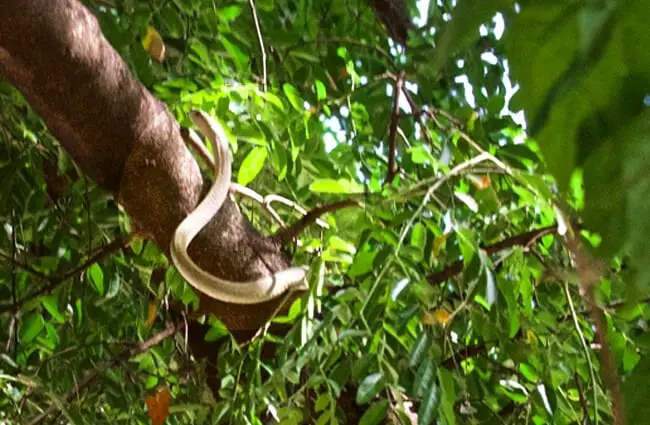
- Green mambas are arboreal snakes, spending most of their time in trees and shrubs.
- Mambas have a unique heat‑sensing pit located between their eyes and nostrils, allowing them to detect warm‑blooded prey.
- The venom of mambas contains a potent neurotoxin that blocks nerve signals, causing paralysis and respiratory failure.
- Mambas can deliver a rapid, precise strike, injecting venom with remarkable accuracy.
- Hatchling mambas are venomous from birth, though their venom is less potent than that of adults.
Mambas are truly remarkable creatures, embodying both beauty and danger. Their unique adaptations, hunting strategies, and ecological roles make them an essential part of the African ecosystem. By understanding and respecting these fascinating snakes, we can contribute to their conservation and ensure their survival for generations to come.
![Closeup of a beautiful Red Angus cowPhoto by: U.S. Department of Agriculture [pubic domain]https://creativecommons.org/licenses/by/2.0/](https://animals.net/wp-content/uploads/2020/03/Red-Angus-4-238x178.jpg "Red Angus")

![Closeup of a beautiful Red Angus cowPhoto by: U.S. Department of Agriculture [pubic domain]https://creativecommons.org/licenses/by/2.0/](https://animals.net/wp-content/uploads/2020/03/Red-Angus-4-100x75.jpg "Red Angus")