The Enigmatic Leopard Gecko: A Comprehensive Guide
The leopard gecko, Eublepharis macularius, is a captivating reptile renowned for its striking appearance and relatively docile nature. Native to the rocky, arid grasslands of Afghanistan, Pakistan, India, and Iran, this ground‑dwelling lizard has become a popular choice for reptile enthusiasts worldwide. Beyond its aesthetic appeal, the leopard gecko possesses a fascinating biology and plays an important role in its native ecosystem.
Basic Biology and Identification
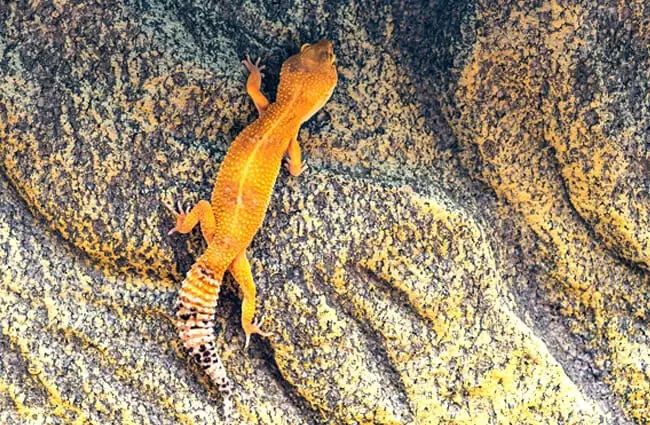
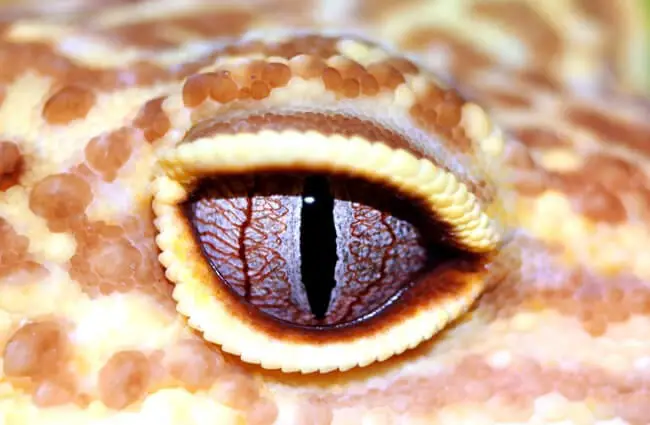
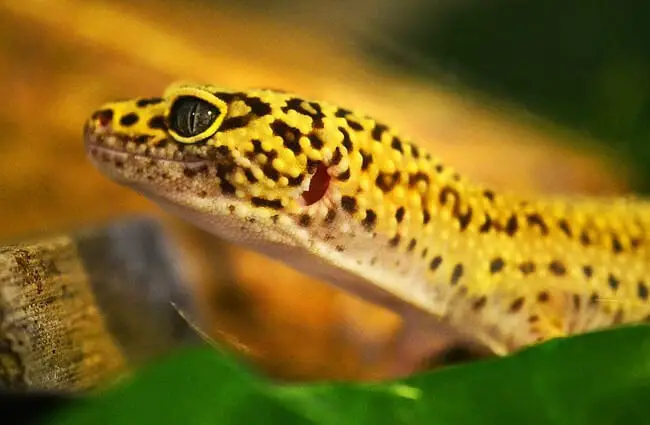
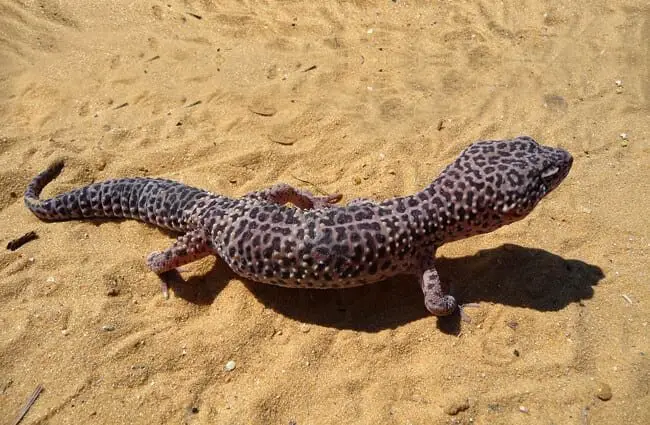
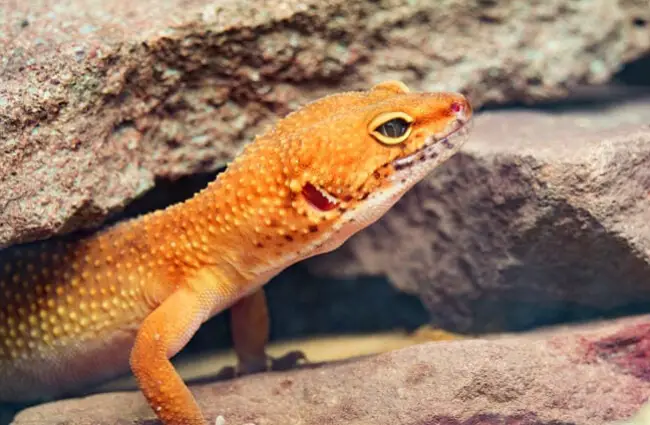
Leopard geckos are relatively small lizards, typically reaching lengths of 8 to 12 inches. Their name stems from their leopard‑like spotting pattern, a camouflage adaptation crucial for survival in their natural habitat. Color variations are extensive, ranging from the commonly seen yellow and brown to unique morphs cultivated in captivity—including albinos, patternless varieties, and those with intense colorations. They have fully developed eyelids, a characteristic uncommon among geckos, and their toes possess tiny claws that allow them to grip various surfaces.
Physical Characteristics
- Size: 8 to 12 inches in length.
- Weight: Typically between 65 to 110 grams.
- Lifespan: 10 to 20 years in captivity, potentially shorter in the wild.
- Coloration: Highly variable, featuring spots and bands of yellow, brown, and orange.
- Eyelids: Possess functional eyelids, unlike many gecko species.
Habitat and Distribution
In the wild, leopard geckos thrive in dry, rocky grasslands, deserts, and scrublands. They seek refuge in crevices, under rocks, and within abandoned animal burrows to escape the heat of the day and hide from predators. Their geographic range includes parts of Afghanistan, Pakistan, India, and Iran. The species prefers areas with loose, sandy or gravelly soil, which facilitates burrowing and provides suitable egg‑laying sites. They are well adapted to arid conditions, tolerating high temperatures and low humidity.
Diet and Feeding Behavior
Leopard geckos are insectivores, meaning their diet consists primarily of insects. In the wild, they feed on crickets, mealworms, grasshoppers, and other invertebrates. They are ambush predators, patiently waiting for prey to come within striking distance before rapidly seizing it with their jaws. Captive leopard geckos generally thrive on a diet of commercially available crickets, mealworms, and superworms, supplemented with vitamin and mineral powders to ensure proper nutrition. Young geckos require more frequent feedings than adults, consuming insects almost daily. Adult geckos can be fed every other day or a few times a week, depending on their size and activity level.
Reproduction and Life Cycle
Leopard geckos typically reach sexual maturity around one year of age. Breeding season usually occurs during the warmer months. Male leopard geckos engage in courtship displays, including head bobbing and tail waving, to attract females. Females lay clutches of 2 to 3 eggs, typically burying them in a moist substrate. The eggs incubate for approximately 60 to 90 days, depending on temperature. Hatchlings are miniature versions of the adults and are capable of feeding on small insects shortly after hatching. Unlike many reptiles, leopard geckos do not provide parental care to their offspring.
Ecological Role and Interactions
Leopard geckos play a vital role in their native ecosystem as insectivores, helping to control populations of various insect species. They, in turn, serve as prey for larger predators such as snakes, birds, and mammals. Their presence contributes to the overall biodiversity and health of the arid grasslands and deserts they inhabit. They often share their habitat with other reptile species, and while direct competition for resources is minimal, they may occasionally interact during foraging or breeding.
Predators of Leopard Geckos
Leopard Geckos and Humans
In recent decades, leopard geckos have become increasingly popular as pets, leading to both positive and negative interactions with humans. Responsible breeders and pet owners contribute to the conservation of the species through captive breeding programs, reducing the demand for wild‑caught individuals. However, the illegal collection of wild leopard geckos for the pet trade poses a threat to their populations in certain areas. Habitat loss and degradation due to human activities also contribute to their decline.
Advanced Insights for Aspiring Zoologists and Zookeepers
Leopard geckos exhibit a unique adaptation known as facultative parthenogenesis, a rare phenomenon observed in captive populations, particularly when females are isolated from males. This reproductive strategy allows females to produce viable offspring without fertilization, providing a survival advantage in certain circumstances. Furthermore, leopard geckos can store fat in their tails, supplying a reserve energy source during periods of food scarcity. The size and fullness of the tail can indicate the gecko’s overall health and nutritional status. For zookeepers, maintaining a proper temperature gradient within the enclosure is crucial for optimal health and behavior. Providing a warm basking spot, along with a cooler retreat, allows geckos to regulate their body temperature effectively. Regular veterinary checkups and parasite screenings are also essential for maintaining the well‑being of captive leopard geckos.
Captive Care Considerations
- Enclosure size: A 20‑gallon long tank is suitable for a single adult.
- Substrate: Paper towels, reptile carpet, or non‑adhesive shelf liner are recommended.
- Temperature: Maintain a temperature gradient of 88–92°F at the basking spot and 75–80°F on the cool side.
- Humidity: Maintain a humidity level of 30–40%.
- Lighting: Provide a UVB light source to aid in vitamin D3 synthesis.
Encountering a Leopard Gecko in the Wild
If you encounter a leopard gecko in its natural habitat, it is best to observe it from a distance and avoid disturbing it. These lizards are generally docile but may become stressed if handled or approached too closely. Do not attempt to capture or remove the gecko from its environment. Report any sightings to local wildlife authorities, especially if the gecko appears injured or sick. Remember, it is crucial to respect the animal’s natural behavior and contribute to the conservation of its habitat.
Fascinating Facts
- Leopard geckos can detach their tails as a defense mechanism. The tail continues to twitch, distracting predators while the gecko escapes.
- They have excellent night vision, allowing them to hunt effectively in the dark.
- Their tongues detect scents in the air, helping them locate prey and navigate their surroundings.
- Leopard geckos can live for up to 20 years in captivity with proper care.
- They are native to some of the harshest environments on Earth, demonstrating remarkable adaptability.
The leopard gecko, with its striking appearance, intriguing biology, and adaptable nature, continues to captivate scientists, reptile enthusiasts, and nature lovers alike. By understanding and appreciating these remarkable creatures, we can contribute to their conservation and ensure their survival for generations to come.
![Closeup of a beautiful Red Angus cowPhoto by: U.S. Department of Agriculture [pubic domain]https://creativecommons.org/licenses/by/2.0/](https://animals.net/wp-content/uploads/2020/03/Red-Angus-4-238x178.jpg "Red Angus")

![Closeup of a beautiful Red Angus cowPhoto by: U.S. Department of Agriculture [pubic domain]https://creativecommons.org/licenses/by/2.0/](https://animals.net/wp-content/uploads/2020/03/Red-Angus-4-100x75.jpg "Red Angus")