The Australian bush is alive with a symphony of sounds, but none is quite as distinctive or as joyously raucous as the call of the Kookaburra. Often described as a laugh, this iconic vocalization is more than just a sound; it is the very essence of the Australian wilderness, a hearty welcome to all who venture into its domain. These magnificent birds, with their striking appearance and fascinating behaviors, are much more than just a pretty face or a funny voice; they are vital components of their ecosystems and beloved figures in human culture.
Unveiling the Kookaburra: A Kingfisher of Distinction
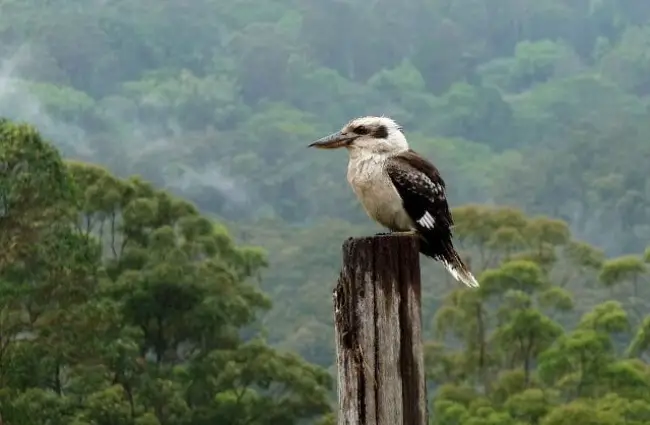
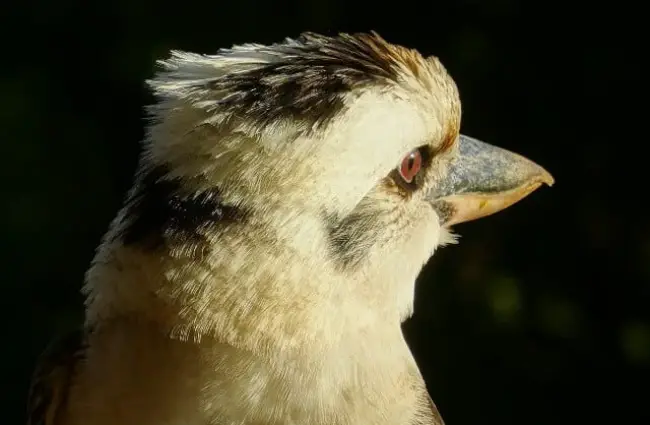
The Kookaburra, a member of the tree kingfisher subfamily Halcyoninae, stands apart from its smaller, more aquatic cousins. There are four distinct species, each with its own charm, but the most widely recognized is the Laughing Kookaburra (Dacelo novaeguineae). These birds are characterized by their robust build, large heads, and powerful, dagger-like bills. Their plumage typically features a mix of brown, white, and off-white tones, often with a distinctive dark eye-stripe that gives them a masked appearance. Their size is impressive for a kingfisher, reaching lengths of up to 45 cm (18 inches) and weighing around 300-500 grams (11-18 ounces), making them the largest of all kingfishers.
Kookaburra’s Habitat: Where the Laughter Resides
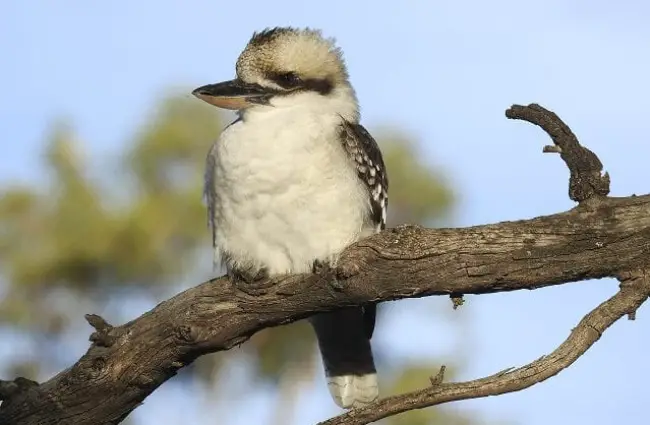
Kookaburras are remarkably adaptable birds, thriving in a variety of environments across eastern and southeastern Australia. Their preferred habitats are generally areas with sufficient tree cover for nesting and perching, combined with open ground for hunting. This includes:
- Eucalyptus Forests and Woodlands: The quintessential Australian bush, providing ample tall trees.
- Open Bushland: Areas with scattered trees and shrubs.
- Riverine Forests: Along waterways, where prey might be abundant.
- Urban and Suburban Parks and Gardens: Kookaburras have successfully adapted to human-modified landscapes, often becoming familiar residents in backyards and public green spaces, especially where large trees are present.
- Golf Courses and Farmland: These modified environments can also provide suitable hunting grounds and perching sites.
The Rufous-bellied Kookaburra (Dacelo gaudichaud), another fascinating species, inhabits the lowland forests of New Guinea, preferring dense rainforests, a stark contrast to its Australian relatives.

A Glimpse into Kookaburra’s Evolutionary Journey
The Kookaburra’s evolutionary history is rooted within the diverse Kingfisher family, Alcedinidae. While most kingfishers are associated with water and fish-eating, the Kookaburra lineage diverged to become primarily terrestrial, adapting to hunt a wide range of land-dwelling prey. This shift is evident in their robust build and powerful bill, perfectly suited for striking and subduing larger prey items. Their closest relatives are other tree kingfishers, suggesting an ancient adaptation to forest environments. The geographical isolation of Australia and New Guinea likely played a significant role in the speciation of the various Kookaburra species, allowing them to evolve distinct characteristics suited to their specific niches.
The Kookaburra’s Menu: A Hunter’s Diet
Kookaburras are formidable predators, known for their opportunistic and varied diet. They are carnivores, and their hunting strategy involves perching patiently on a branch, scanning the ground below, and then swooping down with incredible speed and accuracy to snatch their prey. Their powerful beaks are used to stun or kill prey by repeatedly striking it against a branch or the ground, a behavior particularly famous when dealing with snakes.
Their diet includes a wide array of creatures:
- Insects: Large insects like grasshoppers, beetles, and cicadas form a significant part of their diet.
- Small Mammals: Rodents, particularly mice, are a common food source.
- Reptiles: Lizards and snakes are frequently preyed upon. Kookaburras are renowned for their ability to tackle venomous snakes, often dispatching them with powerful blows.
- Amphibians: Frogs are also part of their varied menu.
- Other Birds: Occasionally, they may prey on small birds or their nestlings.
- Crustaceans: In areas near water, they might consume freshwater crayfish.
This broad diet highlights their adaptability and their crucial role as apex predators in their respective habitats.

Family Life and Reproduction: A Cooperative Effort
Kookaburras are monogamous birds, forming strong pair bonds that can last for many years. They are also highly social and exhibit a fascinating behavior known as cooperative breeding. A breeding pair is often assisted by one to five “helper” offspring from previous broods, typically remaining with their parents for several years.
Mating and Nesting
The breeding season generally occurs from September to January, though it can vary depending on rainfall and food availability. Kookaburras do not build elaborate nests. Instead, they utilize natural hollows in large trees, often eucalyptus, or sometimes excavate burrows in arboreal termite nests. Both parents and helpers participate in preparing the nest site.
Eggs and Chicks
The female typically lays 2 to 4 white, rounded eggs. Incubation duties are shared between the breeding pair and sometimes the helpers. The incubation period lasts approximately 24 to 26 days. Once hatched, the chicks are altricial, meaning they are born blind, naked, and entirely dependent on their parents and helpers for food and warmth.
The cooperative breeding system is vital during this stage. Helpers assist in feeding the hungry chicks, bringing a constant supply of insects, small reptiles, and other prey. This shared responsibility significantly increases the survival rate of the young. Fledging occurs around 32 to 40 days after hatching, but the young Kookaburras will remain with their family group for an extended period, learning essential hunting and survival skills before potentially dispersing to establish their own territories.
Kookaburra’s Role in the Ecosystem and Interactions
As efficient predators, Kookaburras play a significant role in maintaining the balance of their ecosystems. Their diet, which includes rodents, insects, and reptiles, helps to control populations of these animals. This natural pest control can be particularly beneficial in agricultural areas, where they help manage populations of crop-damaging insects and rodents.
Their interactions with other animals are primarily predatory. Smaller birds and mammals learn to recognize the Kookaburra’s presence as a potential threat. However, they are also part of the broader food web, with larger birds of prey or arboreal snakes occasionally preying on Kookaburra eggs or young. Their distinctive call also serves as an acoustic marker of their territory, communicating their presence to other Kookaburras and potentially other species.
The Kookaburra in Human Culture and Interaction
Few animals are as deeply woven into the fabric of Australian culture as the Kookaburra. Its distinctive laugh has made it an enduring symbol, recognized globally.
Contribution to Human Culture
- Folklore and Mythology: In Aboriginal Dreamtime stories, the Kookaburra’s morning chorus is said to be a signal for the sky people to light the great fire that illuminates the sun. It is often seen as a bringer of daylight and a symbol of awakening.
- National Symbolism: The Kookaburra is an unofficial national bird of Australia, frequently appearing on coins, stamps, and in popular media. Its laugh is synonymous with the Australian bush.
- Sporting Mascots: “Olly the Kookaburra” was one of the three mascots for the Sydney 2000 Olympic Games, further cementing its place in the national consciousness.
- Children’s Songs and Literature: The famous children’s song “Kookaburra Sits in the Old Gum Tree” has introduced generations to this unique bird.
Interaction with Humans
Kookaburras are generally quite bold and tolerant of human presence, especially in urban and suburban areas where they have become accustomed to people. They are often seen perching on fences, power lines, or even outdoor furniture. While their curiosity can be charming, it is crucial to maintain a respectful distance and avoid feeding them.
For Hikers and Wildlife Enthusiasts:
- Observation: Enjoy their presence from a distance. Their hunting prowess and social interactions are fascinating to watch.
- Do NOT Feed: Offering food, particularly processed human food, can be detrimental to their health, alter their natural hunting behaviors, and lead to dependency. It can also make them aggressive towards people expecting food.
- Respect Their Space: If a Kookaburra appears agitated or flies away, it is a sign that it needs more space.
Their conservation status is generally stable, with the Laughing Kookaburra listed as “Least Concern” by the IUCN, thanks to its adaptability to various habitats, including human-modified ones.
A Zookeeper’s Guide: Caring for Kookaburras in Captivity
Caring for K
![Closeup of a beautiful Red Angus cowPhoto by: U.S. Department of Agriculture [pubic domain]https://creativecommons.org/licenses/by/2.0/](https://animals.net/wp-content/uploads/2020/03/Red-Angus-4-238x178.jpg "Red Angus")
![Closeup of a beautiful Red Angus cowPhoto by: U.S. Department of Agriculture [pubic domain]https://creativecommons.org/licenses/by/2.0/](https://animals.net/wp-content/uploads/2020/03/Red-Angus-4-100x75.jpg "Red Angus")