
The very name “Killer Bee” conjures images of relentless swarms and terrifying encounters, a creature of legend born from a scientific experiment gone awry. But behind the sensational headlines and cinematic portrayals lies a fascinating biological story of adaptation, survival, and a remarkable insect that has redefined its place in the natural world. Scientifically known as the Africanized Honey Bee, this creature is far more complex than its fearsome moniker suggests. Let’s delve into the world of these incredible bees, separating fact from fiction and uncovering their true impact on our planet.
Unmasking the Legend: What is an Africanized Honey Bee?
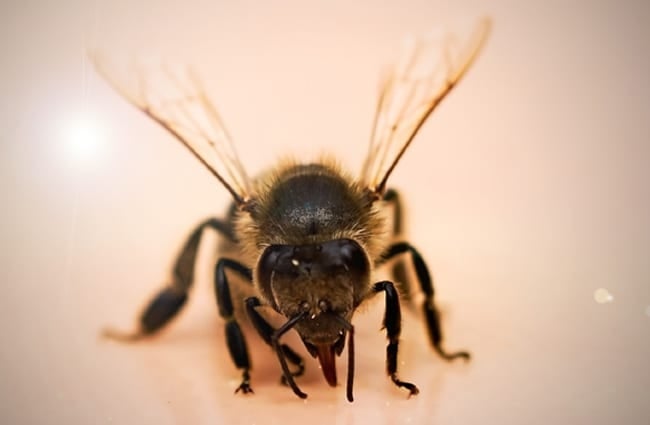
The “Killer Bee” is not a distinct species but rather a hybrid, a genetic blend primarily between the African honey bee (Apis mellifera scutellata) and various European honey bee subspecies (such as Apis mellifera ligustica and Apis mellifera iberiensis). Physically, they are almost indistinguishable from their European counterparts, making visual identification in the field incredibly challenging, even for experts. Their size, color, and general appearance are strikingly similar.
The story of the Africanized Honey Bee begins in Brazil in 1957. A geneticist named Warwick Kerr imported African honey bees to crossbreed with European bees. The goal was to create a hybrid strain better suited to the tropical climate of South America, one that would produce more honey and be less prone to swarming than European bees. Unfortunately, 26 swarms of these African bees accidentally escaped quarantine. These escapees quickly bred with local European honey bees, leading to the rapid spread of the Africanized genetics throughout the Americas.
A Journey Through Time: Evolution and Spread
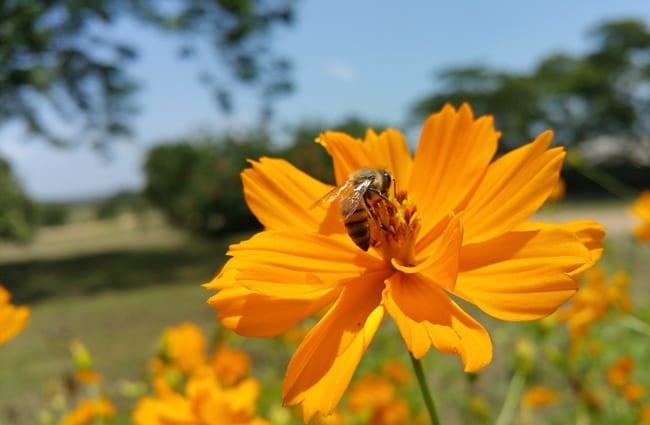
The African honey bee, Apis mellifera scutellata, evolved in the savannas of sub-Saharan Africa. This environment fostered traits like high defensiveness, frequent swarming, and a tendency to abandon nests (abscond) when resources dwindle or threats arise. These traits are highly advantageous in areas with fluctuating resources and numerous predators.
When these African bees hybridized with European bees in Brazil, the resulting Africanized Honey Bees inherited many of these dominant African traits. Their rapid spread across South, Central, and North America is a testament to their superior adaptability to warmer climates and their aggressive reproductive strategies. They outcompete European bees by swarming more frequently, absconding to find new resources, and aggressively defending their nests, often taking over existing European bee colonies.
Where the “Killer Bee” Roams: Habitat and Distribution
Preferred Climates and Geographic Range
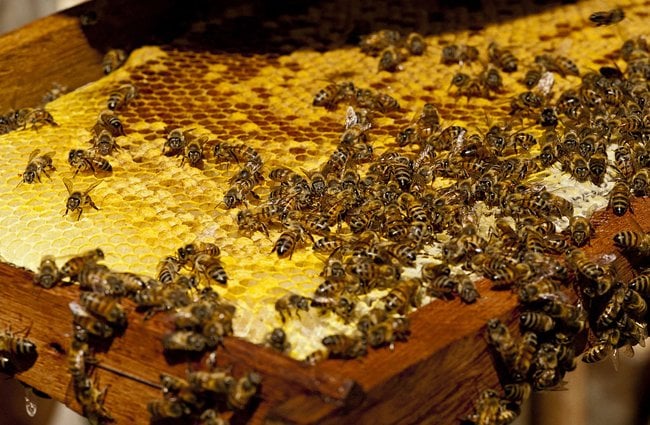
Africanized Honey Bees thrive in warm, tropical, and subtropical climates, which closely mimic their ancestral African environment. Their range extends from South America, through Central America and Mexico, and into the southern United States. States like Texas, Arizona, New Mexico, California, Nevada, Florida, Louisiana, and Arkansas have established populations.
Adaptability to Diverse Environments
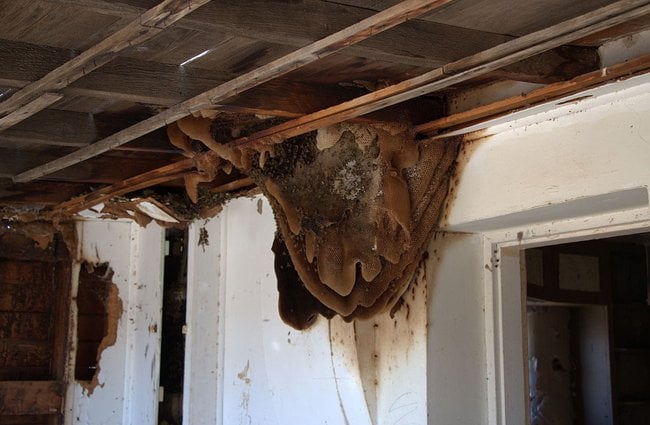
Unlike European bees, which prefer larger, more protected cavities for nesting, Africanized bees are remarkably adaptable. They can establish colonies in a wide variety of locations, including:
- Hollow trees
- Abandoned tires
- Water meter boxes
- Wall voids in buildings
- Under eaves of houses
- Even small holes in the ground
This flexibility in nesting sites contributes significantly to their ability to colonize new areas rapidly, from dense forests to bustling urban environments and even arid deserts, as long as sufficient forage is available.
The Bee’s Banquet: Diet and Foraging Habits
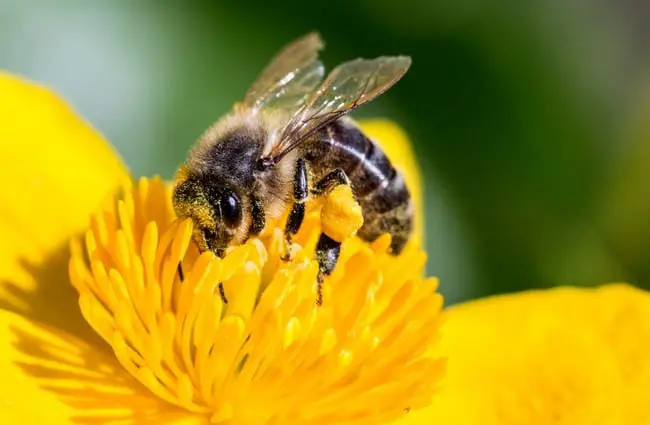
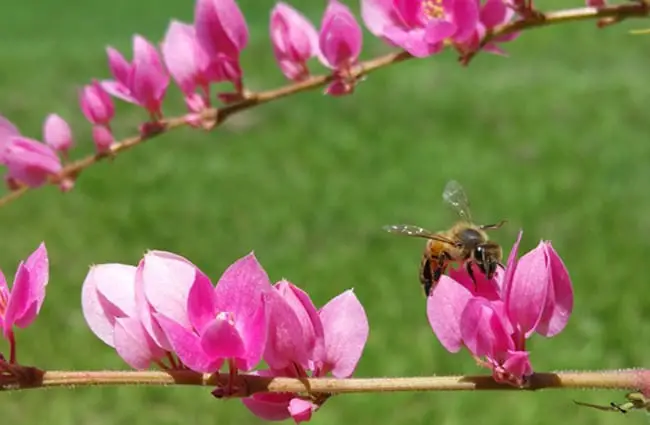
Like all honey bees, Africanized Honey Bees are primarily vegetarians, relying on nectar and pollen for their sustenance. Nectar provides carbohydrates, serving as the colony’s energy source, while pollen supplies essential proteins, fats, vitamins, and minerals crucial for the development of young bees and the queen’s egg-laying capacity.
Africanized bees are highly efficient foragers. Their colonies are often smaller than those of European bees, but they are known for their ability to forage in a wider range of temperatures and conditions. This allows them to exploit available floral resources effectively, even when conditions might be less favorable for other bee species. Their diligent foraging makes them vital pollinators, a role often overshadowed by their defensive reputation.
Life in the Hive: Mating and Reproduction
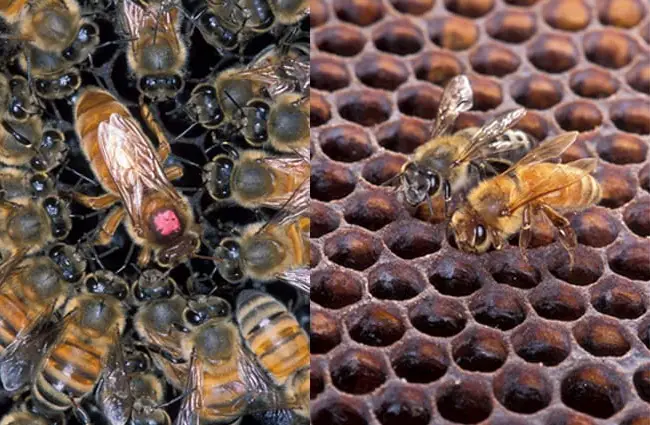
The social structure of an Africanized Honey Bee colony mirrors that of other honey bees, comprising a single queen, thousands of sterile female worker bees, and a few hundred male drones. Reproduction at the colony level occurs primarily through swarming.
Mating Process
A virgin queen bee undertakes a “nuptial flight” where she mates with multiple drones from other colonies. The drones die shortly after mating. The queen stores the sperm in a specialized organ and uses it to fertilize eggs throughout her life, which can last several years. Fertilized eggs develop into female worker bees or new queens, while unfertilized eggs develop into male drones.
Swarming and Absconding
Africanized Honey Bees are renowned for their frequent swarming. Swarming is the natural process by which a bee colony reproduces, with the old queen and a portion of the worker bees leaving to establish a new nest. Africanized bees swarm more often than European bees, allowing them to rapidly expand their population and colonize new territories. They also exhibit a behavior called “absconding,” where an entire colony abandons its nest due to factors like lack of food, excessive heat, or persistent disturbance, seeking a more favorable location. This mobility is a key factor in their successful spread.
Nature’s Architects: Ecosystem Role and Interactions
Despite their formidable reputation, Africanized Honey Bees play a significant ecological role, primarily as pollinators. Their industrious foraging habits contribute to the pollination of a vast array of wild plants and agricultural crops, supporting biodiversity and food production across their range. They are an integral part of the ecosystems they inhabit, ensuring the reproduction of many flowering plants.
However, their presence also introduces complexities. They compete with native pollinators and European honey bees for floral resources and nesting sites. Their aggressive nature can displace other bee species, potentially altering local pollinator communities. While they are prey for some animals like birds, skunks, and bears, their intense defensive response makes them a less appealing target for many predators compared to gentler bee species.
The Human Connection: Interactions and Impact
The Sting and Defense: Understanding the Threat
The primary reason for the “Killer Bee” moniker lies in their hyper-defensive behavior. While their venom is no more potent than that of a European honey bee, Africanized bees respond to threats with far greater intensity. They are quicker to perceive a threat, deploy a larger number of defenders, and pursue perceived intruders for much longer distances (sometimes up to a quarter-mile or more). A typical attack can involve hundreds or even thousands of stings, which can be lethal due to the sheer volume of venom, especially for individuals with allergies, the elderly, or young children.
Safety for Hikers and Outdoor Enthusiasts
Encountering Africanized Honey Bees in the wild requires caution and awareness. Here’s what to do if you encounter a swarm or colony:
- Stay Calm and Retreat: If you see a few bees, observe from a distance. If they start buzzing aggressively or bumping into you, they are warning you.
- Run Away: If bees begin to sting, do not swat at them. This only agitates them further. Run in a straight line, covering your head and face with your hands or clothing.
- Seek Shelter: Try to find immediate shelter in a car or building. Bees will not follow you indoors.
- Do Not Jump into Water: Bees will wait for you to surface and continue stinging.
- Call for Help: If you or someone else has been stung multiple times, seek immediate medical attention.
Agricultural Impact and Beekeeping Challenges
For beekeepers, Africanized Honey Bees present significant challenges. Their aggressive nature makes them difficult and dangerous to manage. Beekeepers in affected areas must adopt specialized techniques, including wearing extensive protective gear and implementing strategies to prevent Africanization of their European colonies. Despite the difficulties, some beekeepers have learned to manage Africanized bees for honey production, particularly in regions where they are well-established and European bees struggle to thrive.
Cultural Impact and Media Portrayal
The “Killer Bee” has undeniably captured the public imagination, becoming a staple of horror films and sensational news stories. This media portrayal has often exaggerated their danger, fostering widespread fear. While their defensiveness is a serious concern, understanding their biology and behavior helps to demystify them and promotes a more balanced perspective.
Fascinating Facts and Expert Insights
Beyond the headlines, Africanized Honey Bees possess several intriguing characteristics:
- Venom Potency: The venom of an Africanized Honey Bee is chemically identical to that of a European honey bee. The danger comes from the sheer number of stings delivered during an attack, not from increased individual venom potency.
- Nesting Habits: They tend to build smaller nests and are less selective about nesting sites, often choosing exposed locations or small cavities, which contributes to their rapid colonization.
- Thermoregulation: Africanized bees are better adapted to warmer climates and can forage at higher temperatures than European bees, giving them a competitive edge in tropical and subtropical regions.
- Genetic Identification: Due to their physical similarity to European bees, identification often requires laboratory analysis of their wing venation patterns or DNA.
- Absconding Behavior: Their tendency to abandon nests (abscond) is a survival strategy in environments with fluctuating resources or high predation pressure. This makes them less predictable than European bees for beekeepers.
For the Aspiring Zoologist: A Deeper Dive into Research
For those aspiring to a career in zoology or entomology, Africanized Honey Bees offer a rich field of study:
- Genetic Tracking: Researchers continue to study their genetic makeup to understand their hybridization patterns, the mechanisms of African gene dominance, and their ongoing evolutionary trajectory.
- Behavioral Ecology: Observing and analyzing their defensive behaviors, foraging strategies, swarming patterns, and interactions with other species provides invaluable insights into social insect ecology.
- Management Strategies: Developing sustainable beekeeping practices and integrated pest management techniques for Africanized bees is an ongoing area of research, balancing human safety with their ecological role.
- Ecological Impact: Studies on their impact on native pollinator populations, plant reproduction, and overall ecosystem dynamics are crucial for conservation efforts.
A Zookeeper’s Perspective (Hypothetical)
While Africanized Honey Bees are fascinating, they are generally not kept in traditional zoological exhibits due to their extreme defensiveness and the inherent risks to staff and the public. Unlike other bee species, their management requires specialized expertise and stringent safety protocols that are difficult to implement in a public zoo setting.
If, hypothetically, a zookeeper were tasked with caring for Africanized Honey Bees (perhaps for a specialized research or educational facility), the tasks would revolve almost entirely around extreme containment and remote observation, with direct interaction being an absolute last resort:
- Containment: Housing would require multiple layers of secure enclosures, designed to prevent any escape. This would include fine mesh screens, sealed entry points, and potentially negative pressure systems.
- Remote Monitoring: Observation would primarily occur via cameras and sensors, minimizing the need for human presence near the colony.
- Feeding and Watering: Automated or remote feeding systems would be essential to provide sugar syrup and pollen supplements without direct contact.
- Protective Gear: Any necessary direct intervention (e.g., for maintenance or health checks, which would be exceedingly rare) would demand full-body bee suits with multiple layers, reinforced gloves, and specialized veils, along with backup personnel and emergency protocols.
- Environmental Control: Maintaining optimal temperature and humidity within the enclosure would be crucial for colony health.
- Avoidance of Disturbance: Any sudden movements, vibrations, or loud noises near the enclosure would be strictly avoided to prevent agitating the colony.
In essence, caring for Africanized Honey Bees would be less about traditional animal husbandry and more about advanced containment engineering and risk management, emphasizing the avoidance of direct interaction at all costs.
Conclusion: Respecting Nature’s Adaptable Hybrid
The Africanized Honey Bee, or “Killer Bee,” is a testament to nature’s incredible capacity for adaptation. Born from an accidental hybridization, these bees have carved out a significant niche in the Americas, demonstrating remarkable resilience and a powerful defensive instinct. While their reputation precedes them, understanding their biology, behavior, and ecological role allows us to appreciate them not just as a potential threat, but as a vital, albeit challenging, component of our ecosystems. By respecting their boundaries and understanding how to react in their presence, humans can coexist with these fascinating, industrious, and undeniably formidable insects.



![Closeup of a beautiful Red Angus cowPhoto by: U.S. Department of Agriculture [pubic domain]https://creativecommons.org/licenses/by/2.0/](https://animals.net/wp-content/uploads/2020/03/Red-Angus-4-100x75.jpg "Red Angus")