An Introduction to the Kākā: New Zealand’s Playful Forest Parrot
The Kākā (Nestor meridionalis) is a remarkable parrot endemic to New Zealand, instantly recognizable for its striking plumage and boisterous personality. More than just a beautiful bird, the Kākā plays a vital role in the health of New Zealand’s forests, acting as both seed disperser and pollinator. This comprehensive guide delves into the world of the Kākā, exploring its habitat, behavior, life cycle, and conservation status, offering insights for students, animal lovers, and anyone curious about this fascinating species.
Habitat and Distribution
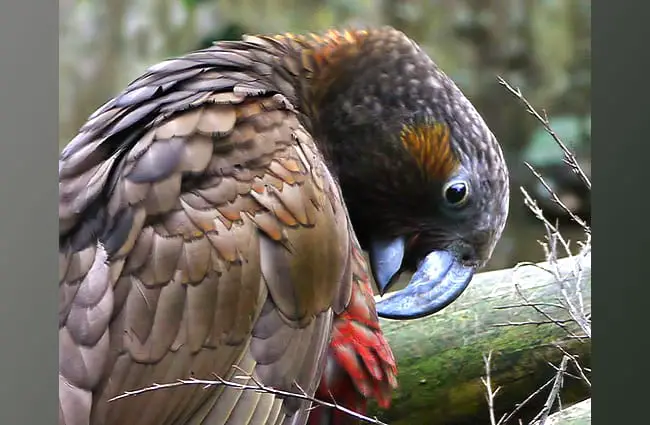
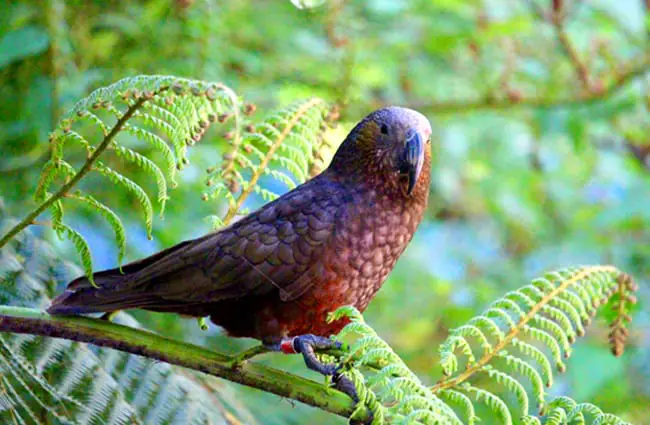
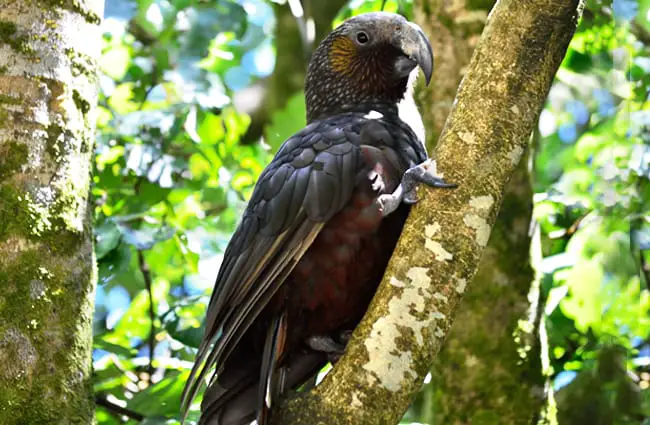
Kākā inhabit the diverse forests of New Zealand, favouring areas with mature trees that provide both food and nesting cavities. Historically, they were widespread throughout both the North and South Islands. Today, populations are fragmented, with distinct regional variations. The North Island Kākā (Nestor meridionalis septentrionalis) generally resides in warmer, more humid forests, while the South Island Kākā (Nestor meridionalis meridionalis) prefers cooler, subalpine environments. Stewart Island supports a significant population of South Island Kākā. They are frequently found in forests dominated by podocarps and beech trees, but will venture into scrubland and even urban areas in search of food.
Evolutionary History
The Kākā belongs to the parrot family Strigopidae, which is unique to New Zealand and includes the iconic Kakapo and Kea. This family diverged from other parrot lineages millions of years ago, evolving in isolation on the islands. Fossil evidence suggests that ancestral parrots arrived in New Zealand from Australia or other nearby landmasses. Over time, these birds adapted to the unique ecological niches available, developing characteristics such as strong beaks for cracking seeds and a preference for forest habitats. The Kākā shares a recent common ancestor with the Kea, and both species exhibit remarkable intelligence and problem‑solving abilities.
Diet and Foraging Behaviour
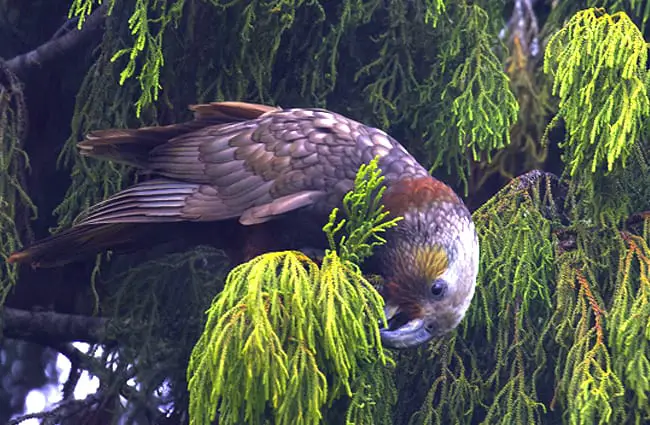
Kākā are omnivorous birds with a varied diet. They primarily feed on native fruits, seeds, berries, and flowers, but also consume insects, larvae, and nectar. Their strong beaks are perfectly adapted for cracking hard seed pods and accessing hidden food sources. Kākā are known for their playful foraging behaviour, often exploring branches and leaf litter in search of treats. They also demonstrate a fondness for certain types of clay, which likely provides essential minerals. In areas where natural food sources are scarce, Kākā may raid orchards or gardens, occasionally causing damage to crops.
Mating and Reproduction
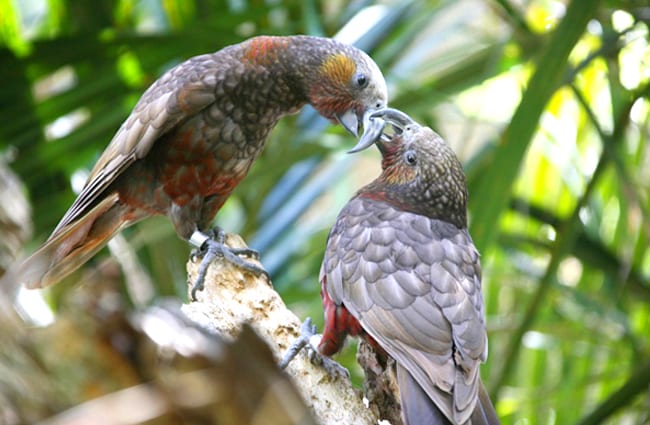
Kākā are generally monogamous, forming long‑term pair bonds. Breeding season typically occurs between September and January. They nest in tree cavities, often reusing the same nest site year after year. These cavities can be natural formations or old woodpecker holes. The female lays a clutch of two to four eggs, which she incubates for around 28 days. Both parents participate in feeding the chicks, providing a diet of regurgitated food. Young Kākā fledge from the nest after around 75 days, but remain dependent on their parents for several months.
Ecological Role and Interactions
Kākā play a vital role in maintaining the health of New Zealand’s forests. As seed dispersers, they help to regenerate forests by transporting seeds to new locations. They also contribute to pollination, transferring pollen between flowers as they feed on nectar. Kākā interact with other forest animals, including other parrots, insects, and mammals. They are sometimes preyed upon by introduced predators such as stoats, ferrets, and cats. Competition for food resources can occur with other frugivorous birds.
Kākā and Human Culture
Kākā hold significant cultural importance for Māori, the indigenous people of New Zealand. They are often featured in traditional stories, songs, and carvings. Kākā feathers were historically used for adornment and weaving. In some areas, Kākā were considered sacred birds. Today, Kākā are a symbol of New Zealand’s unique biodiversity and are highly valued by both Māori and non‑Māori communities.
Human Interactions and Conservation Status
Kākā populations have declined significantly since the arrival of humans in New Zealand. Habitat loss, hunting, and predation by introduced species have all contributed to this decline. Today, Kākā are classified as Nationally Vulnerable by the Department of Conservation. Conservation efforts include habitat restoration, predator control, and supplementary feeding. Community involvement is crucial for the success of these efforts. Seeing a Kākā in the wild is increasingly considered a special experience.
Encountering a Kākā in the Wild
If you encounter a Kākā in the wild, it is important to observe it from a distance. Avoid approaching or disturbing the bird. Do not offer it food, as this can disrupt its natural foraging behaviour. If the bird appears injured or distressed, contact the Department of Conservation or a local wildlife rescue organisation.
Caring for Kākā in Captivity
Zookeepers caring for Kākā in captivity should provide a spacious aviary with plenty of perches, branches, and enrichment items. A varied diet consisting of fruits, seeds, nuts, and insects is essential. Regular veterinary check‑ups are crucial to ensure the bird’s health and well‑being. Kākā are intelligent and social birds, so they benefit from interactions with keepers and other birds. Enrichment activities such as puzzle feeders and foraging toys can help to stimulate their minds and prevent boredom.
Interesting Facts about Kākā
- Kākā are known for their playful and mischievous behaviour.
- They can mimic human speech and other sounds.
- Kākā have a lifespan of up to 20 years in the wild and even longer in captivity.
- They are strong fliers, capable of travelling long distances.
- Kākā are highly intelligent and have demonstrated problem‑solving abilities.
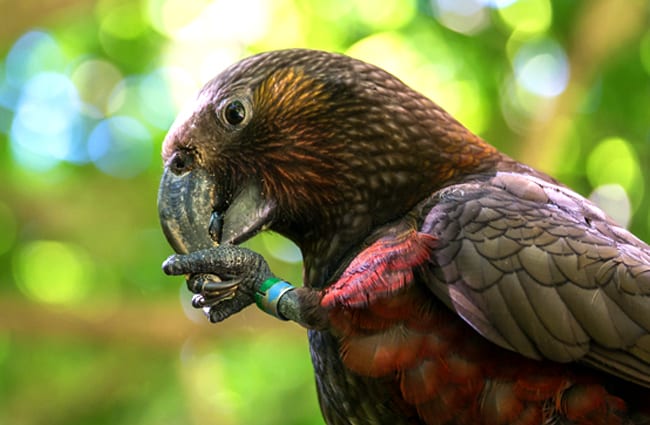
- They use their feet to manipulate objects and explore their environment.
- Kākā have a distinctive call that can be heard throughout the forest.
The Kākā is a truly remarkable bird, embodying the unique biodiversity of New Zealand. By understanding its ecology, behaviour, and conservation needs, we can help to ensure that this playful and intelligent parrot continues to thrive for generations to come.
![Closeup of a beautiful Red Angus cowPhoto by: U.S. Department of Agriculture [pubic domain]https://creativecommons.org/licenses/by/2.0/](https://animals.net/wp-content/uploads/2020/03/Red-Angus-4-238x178.jpg "Red Angus")
![Closeup of a beautiful Red Angus cowPhoto by: U.S. Department of Agriculture [pubic domain]https://creativecommons.org/licenses/by/2.0/](https://animals.net/wp-content/uploads/2020/03/Red-Angus-4-100x75.jpg "Red Angus")