A Majestic Ghost of the Past: Unveiling the Irish Elk
The Irish Elk, Megaloceros giganteus, remains one of the most iconic extinct mammals. Often mistakenly referred to as a moose or deer, this colossal creature captivates the imagination with its immense size and, most notably, its extraordinarily large antlers. This article delves into the life, evolution, and eventual disappearance of this fascinating animal, offering a comprehensive guide for students, animal enthusiasts, and aspiring zoologists alike.
Evolutionary History and Physical Characteristics
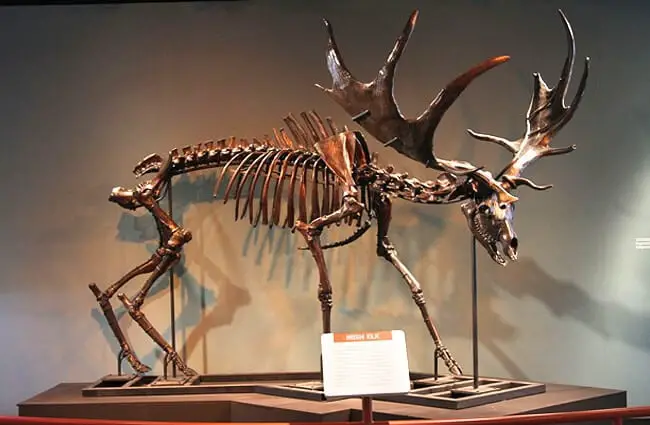
The Irish Elk first appeared during the early Pleistocene, roughly 2.5 million years ago. It was not confined to Ireland as its name implies; fossil evidence shows a widespread distribution across Europe and Asia, with remains found in the British Isles, Iberian Peninsula, Scandinavia, and Central Asia. The species vanished from the fossil record around 11,000 years ago, at the end of the Pleistocene.
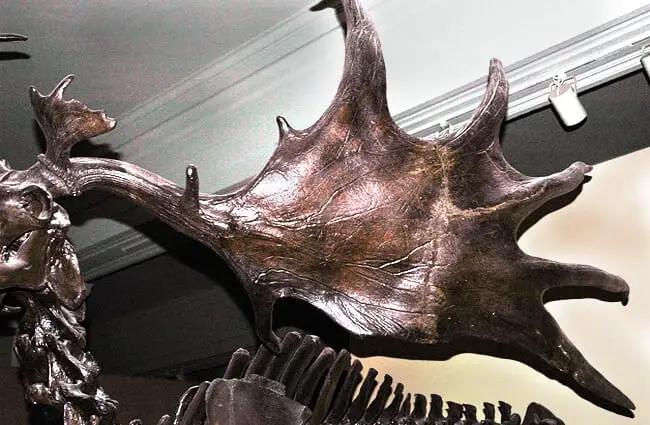
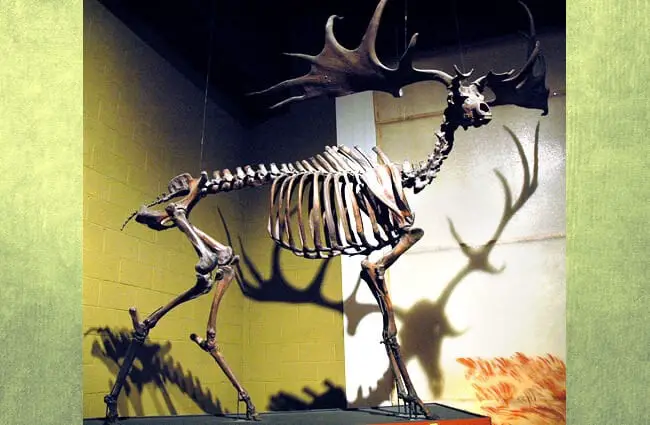
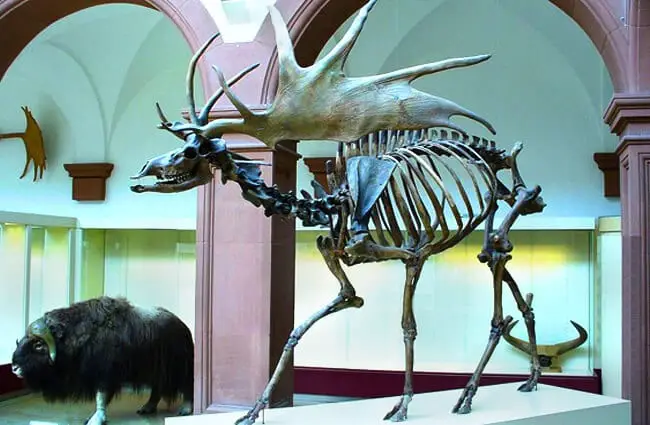
Standing up to 2.1 meters (7 feet) tall at the shoulder, the Irish Elk was one of the largest deer that ever lived. Its weight is estimated to have ranged between 600 and 700 kilograms (1,300–1,500 pounds). However, it was the antlers that truly set this creature apart. These impressive structures could span up to 3.65 meters (12 feet) from tip to tip, making them the largest known antlers of any deer species. The antlers were not solid bone; during growth they were covered in velvet, a skin‑like tissue that supplied nutrients.
Habitat and Diet
The Irish Elk thrived in the cold, open woodlands and grasslands of the Pleistocene. These environments, characterized by a mix of coniferous forests, birch woodlands, and expansive grasslands, provided ample forage for these large herbivores. Fossil pollen analysis shows that they inhabited areas with diverse plant life.
Their diet primarily consisted of grasses, sedges, herbs, and the leaves of shrubs and trees. Based on dental analysis, they likely selected nutrient‑rich vegetation. As large herbivores, they played a key role in shaping their environment, influencing plant distribution and preventing the overgrowth of certain species. They were also likely browsers, consuming foliage from trees and shrubs when ground vegetation was scarce.
Mating and Reproduction
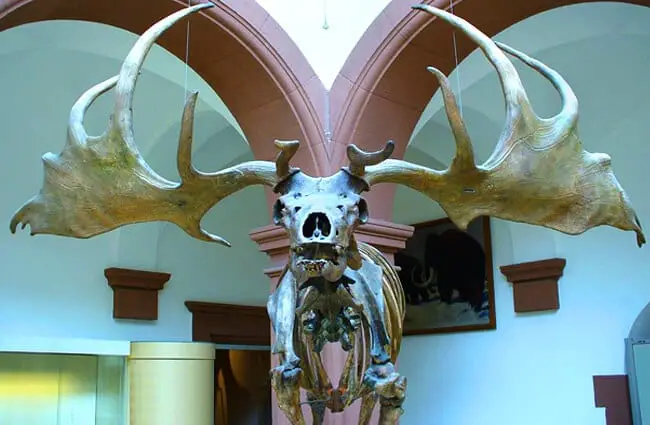
The magnificent antlers of the Irish Elk weren’t merely for show. They were central to the animal’s mating strategy. During the breeding season, males would engage in ritualized combat, using their antlers to display dominance and compete for access to females. These contests were typically non‑lethal, involving pushing and shoving to demonstrate strength and fitness.
Females, known as cows, typically gave birth to a single calf in the spring. Calves were likely dependent on their mothers for at least a year, learning essential survival skills. The energy demands of growing antlers and raising young were substantial, requiring a plentiful food supply. The size and quality of a male’s antlers likely served as an indicator of his genetic fitness, influencing female mate choice.
Ecological Role and Interactions with Other Animals
As a large herbivore, the Irish Elk played a crucial role in its ecosystem. By grazing on vegetation, it influenced plant communities and created habitats for other animals. Its movements also contributed to seed dispersal, further shaping the landscape.
The Irish Elk likely shared its habitat with other large mammals, including mammoths, woolly rhinoceroses, and cave lions. These animals interacted in complex ways, competing for resources and potentially influencing each other’s behavior. Cave paintings and fossil evidence suggest that humans also coexisted with the Irish Elk, hunting it for food and using its antlers and bones for tools and ornaments.
The Extinction Mystery
The extinction of the Irish Elk remains a subject of ongoing debate. Several factors likely contributed to its demise. Climate change at the end of the Pleistocene played a significant role, altering habitats and reducing food availability. The expansion of forests, replacing open grasslands, may have further limited suitable habitat for these large herbivores.
Human hunting pressure is another potential contributor. While evidence suggests that humans hunted Irish Elk, the extent to which this contributed to their extinction is uncertain. A recent hypothesis suggests that the large antler size of males, while advantageous in mating competition, may have become a disadvantage during times of scarcity, requiring excessive energy and making them more vulnerable. This “runaway selection” theory proposes that the antlers grew to a point where they hindered survival rather than enhancing it.
Irish Elk and Human Culture
The Irish Elk holds a prominent place in folklore and mythology. In Ireland, it is often associated with ancient kings and powerful figures. The antlers are depicted in Celtic art and symbolism, representing strength, nobility, and a connection to the natural world.
Fossil remains of the Irish Elk have been discovered throughout Europe and Asia, sparking curiosity and fascination for centuries. Skeletal reconstructions are displayed in museums around the world, allowing people to marvel at the size and grandeur of this extinct creature. The antlers are often used as decorative objects and symbols of prestige.
Practical Considerations
For Hikers Encountering Evidence of Ancient Irish Elk: While you won’t encounter a living Irish Elk, you might stumble upon fossilized remains. If you do, it is crucial not to disturb the site. Report the discovery to a local museum or archaeological authority.
For Zookeepers (Hypothetical): If, hypothetically, Irish Elk were to be reintroduced to captivity, their care would require a vast enclosure mimicking their natural grassland and woodland habitat. A high‑fiber diet consisting of grasses, hay, and browse would be essential. Providing ample space for antler growth and social interaction is crucial. Given their large size, robust fencing and careful monitoring would be necessary. Enrichment activities would include providing browse, rubbing posts, and opportunities for social interaction.
The Irish Elk stands as a testament to the power of evolution and the fragility of life. Its story serves as a reminder of the importance of preserving biodiversity and understanding the complex interactions between species and their environment. While extinct, the legacy of this majestic creature continues to inspire awe and wonder.
![Closeup of a beautiful Red Angus cowPhoto by: U.S. Department of Agriculture [pubic domain]https://creativecommons.org/licenses/by/2.0/](https://animals.net/wp-content/uploads/2020/03/Red-Angus-4-238x178.jpg "Red Angus")
![Closeup of a beautiful Red Angus cowPhoto by: U.S. Department of Agriculture [pubic domain]https://creativecommons.org/licenses/by/2.0/](https://animals.net/wp-content/uploads/2020/03/Red-Angus-4-100x75.jpg "Red Angus")