A Common Companion: Exploring the World of the House Sparrow
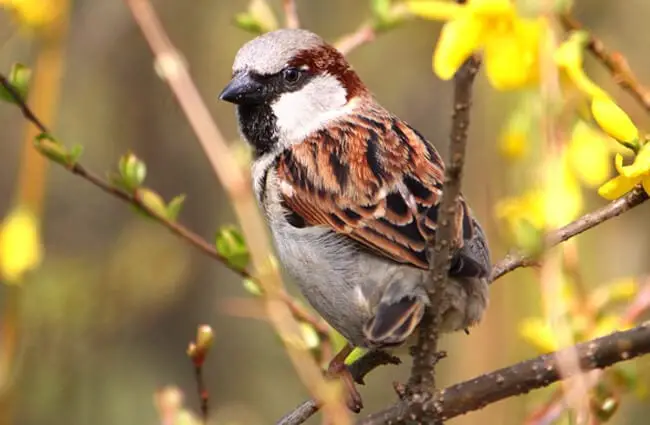
The House Sparrow, a small bird with a surprisingly large story, is one of the most widely distributed birds on Earth. Often overlooked due to its ubiquity, this adaptable creature boasts a rich history, complex social behaviors, and a significant impact on both the environment and human culture. This guide delves into the fascinating world of the House Sparrow, covering its origins, habits, and ecological role.
Origins and Global Spread
A Relatively Recent Arrival
Despite its current widespread presence, the House Sparrow (Passer domesticus) wasn’t always a global citizen. Originally native to Eurasia and North Africa, it accompanied human settlements as they spread. Historical records show they were introduced to North America in the mid-19th century, specifically to Brooklyn, New York, where they were released with the intention of having familiar European birds populate the continent. From there, their population exploded, and they now inhabit nearly every corner of the world, including Australia, South Africa, and parts of South America.
Adaptability as a Key to Success
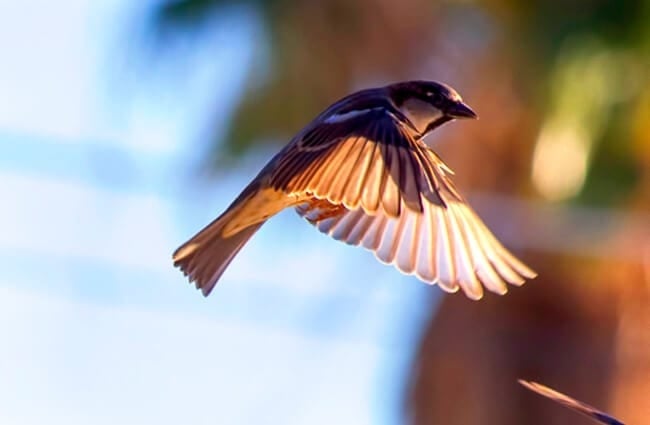
The House Sparrow’s success stems from its remarkable adaptability. Unlike many bird species with highly specialized needs, House Sparrows thrive in close proximity to humans, utilizing buildings, gardens, and agricultural lands as habitats. They are opportunistic feeders, consuming a wide variety of foods, and readily exploit any available resources. This flexibility has allowed them to colonize diverse environments and overcome numerous challenges.
Habitat and Distribution
House Sparrows are truly cosmopolitan. They inhabit a broad range of habitats, including urban centers, suburban areas, farmland, and even some semi-natural environments. They demonstrate a preference for areas with human activity, nesting in cavities of buildings, under eaves, in tree holes, and in specially designed birdhouses. They are commonly found near agricultural areas where they can forage on seeds and insects. Their ability to thrive in fragmented habitats has also contributed to their success in highly developed landscapes.
Diet and Foraging Behavior
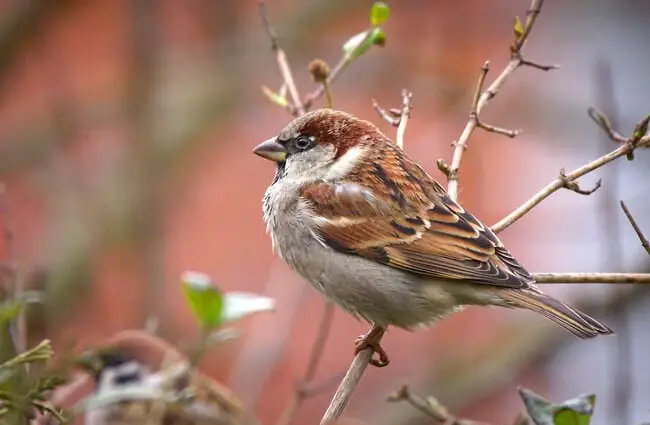
House Sparrows are granivores, meaning their diet primarily consists of seeds. However, they are opportunistic omnivores, and their diet varies depending on the season and availability of food. During the breeding season, insects and insect larvae become a crucial part of their diet, providing essential protein for growing chicks. They will readily consume spilled grains, discarded food scraps, and even suet from bird feeders. Their foraging behavior is highly adaptable, allowing them to exploit a wide range of food sources.
Social Behavior and Reproduction
Complex Social Structures
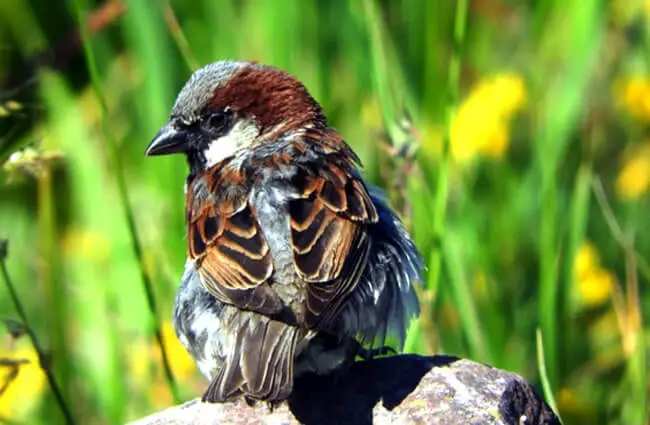
House Sparrows exhibit surprisingly complex social behaviors. They are generally gregarious, often forming flocks, especially outside of the breeding season. They establish dominance hierarchies, with stronger birds gaining access to prime foraging spots and nesting sites. Pair bonds can last for several seasons, and both parents participate in raising the young.
Nesting and Breeding
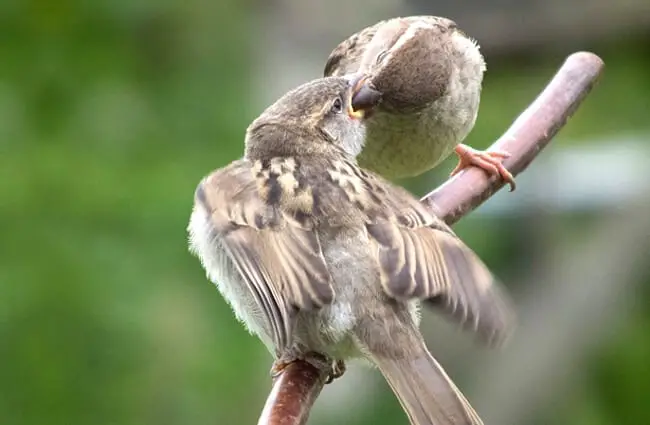
The breeding season typically occurs from spring to late summer. House Sparrows are cavity nesters, meaning they prefer to build their nests in enclosed spaces. They construct bulky nests from a variety of materials, including grasses, straw, feathers, and even trash. Females lay between three to five eggs per clutch, and the incubation period lasts around 12 to 14 days. Chicks are altricial, meaning they are born helpless and require extensive parental care. Multiple broods are common during a single breeding season.
Ecological Role and Interactions
Seed Dispersal and Insect Control
House Sparrows play a role in seed dispersal, consuming seeds and excreting them in new locations. They also contribute to insect control by consuming large numbers of insects and larvae. However, their impact on native ecosystems can be complex. In some cases, they compete with native bird species for nesting sites and food, potentially impacting their populations.
Interactions with Other Animals
House Sparrows are preyed upon by a variety of predators, including hawks, falcons, cats, and snakes. They often coexist with other bird species, sometimes forming mixed flocks. Their aggressive behavior can sometimes lead to conflicts with other birds, particularly during the breeding season.
House Sparrows and Human Culture
Throughout history, House Sparrows have featured prominently in human culture. They have been depicted in art, literature, and music. In some cultures, they are considered symbols of good luck or prosperity. Their close association with humans has led to a complex relationship, with some viewing them as pests while others appreciate their presence.
Conservation Status and Challenges
While House Sparrows are currently classified as Least Concern by the International Union for Conservation of Nature, their populations have declined in some areas, particularly in Europe and North America. Factors contributing to these declines include habitat loss, changes in agricultural practices, and increased urbanization. Monitoring populations and implementing conservation measures can help ensure their long-term survival.
Observing House Sparrows in the Wild
House Sparrows are incredibly easy to find. They frequent gardens, parks, farms, and urban areas. Listen for their cheerful chirping and chattering. Look for flocks foraging on the ground or perched on buildings. Providing a source of clean water, such as a birdbath, can attract them to your yard.
Caring for House Sparrows in Captivity
While not commonly kept as pets, House Sparrows may be cared for in rehabilitation settings or for educational purposes. They require a spacious cage with plenty of perches and nesting materials. Their diet should consist of a seed mix supplemented with insects and fresh fruits and vegetables. Maintaining a clean environment is essential to prevent disease. Avoid overcrowding and provide opportunities for exercise and mental stimulation.
Fun Facts About House Sparrows
- House Sparrows can recognize individual humans.
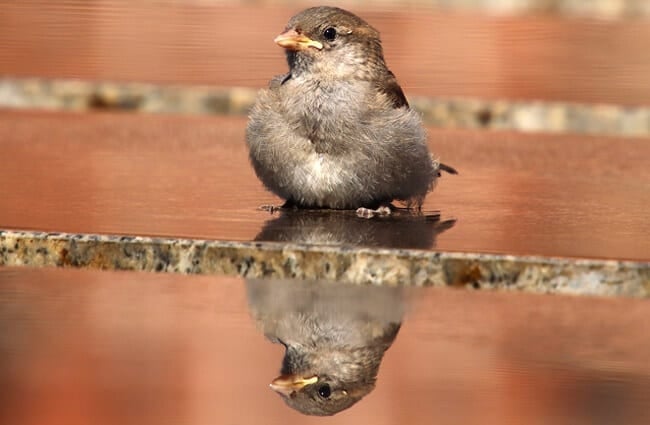
- They often engage in dust bathing to remove parasites.
- Male House Sparrows may develop a black throat patch, the size of which indicates dominance.
- They have a relatively short lifespan, typically around three to five years in the wild.
- House Sparrows are known for their ability to mimic other bird songs.
Conclusion
The House Sparrow is a remarkable testament to the power of adaptation and resilience. Its widespread distribution and close association with humans make it a fascinating subject for study and observation. By understanding its biology, behavior, and ecological role, we can appreciate this common bird in a new light and work to ensure its continued survival.
![Closeup of a beautiful Red Angus cowPhoto by: U.S. Department of Agriculture [pubic domain]https://creativecommons.org/licenses/by/2.0/](https://animals.net/wp-content/uploads/2020/03/Red-Angus-4-238x178.jpg "Red Angus")
![Closeup of a beautiful Red Angus cowPhoto by: U.S. Department of Agriculture [pubic domain]https://creativecommons.org/licenses/by/2.0/](https://animals.net/wp-content/uploads/2020/03/Red-Angus-4-100x75.jpg "Red Angus")