Hawks, magnificent birds of prey, command attention with their keen eyesight, powerful talons, and graceful flight. These apex predators play a vital role in maintaining ecological balance, and their presence is a testament to the health of our natural world. This comprehensive guide delves into the fascinating world of hawks, exploring their biology, behavior, and interaction with both the environment and humans.
What Defines a Hawk?
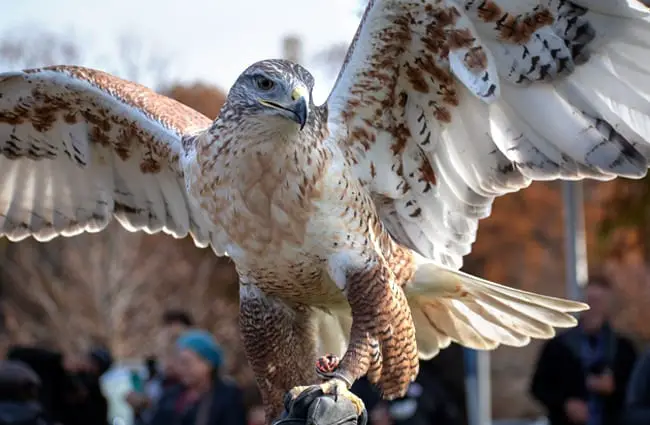
The term “hawk” is not a strict taxonomic classification. It generally refers to medium‑sized raptors belonging to the family Accipitridae. Accipitridae is a diverse family that also includes eagles, kites, and vultures. Hawks are distinguished by their broad wings, which allow for soaring flight and maneuverability, and their powerful feet equipped with sharp talons designed for grasping prey. While often confused with falcons, hawks typically have broader wings and different flight styles. Falcons are known for their speed and pointed wings, whereas hawks favor soaring and agility.
Identifying Common Hawk Species
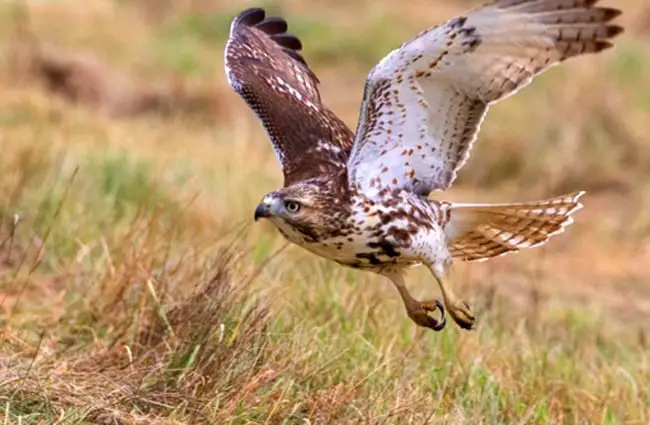
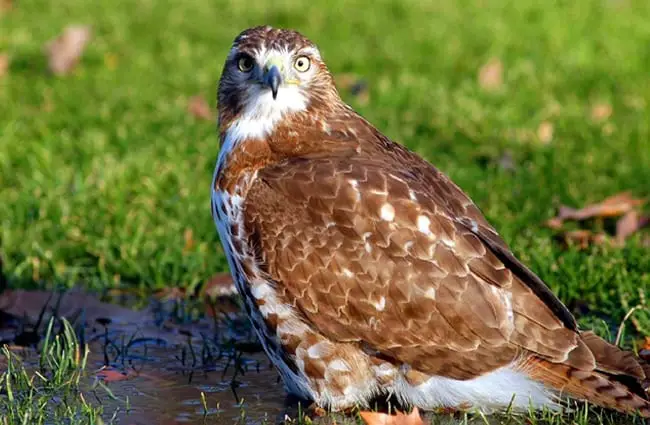
North America boasts a rich diversity of hawk species. Some of the most common include the Red‑tailed Hawk, known for its reddish‑brown tail and widespread distribution; the Cooper’s Hawk, a swift and agile hunter of woodland birds; the Sharp‑shinned Hawk, a smaller cousin of the Cooper’s Hawk; and the Northern Harrier, easily recognized by its distinctive owl‑like face and buoyant flight. Each species exhibits unique characteristics in size, plumage, and hunting strategies.
Hawk Habitat and Distribution
Hawks are incredibly adaptable and can be found on every continent except Antarctica. Their habitat varies greatly depending on the species. Some prefer open grasslands and prairies, like the Northern Harrier, while others thrive in forested areas, such as the Cooper’s Hawk. Still others, like the Red‑tailed Hawk, are remarkably versatile, inhabiting a wide range of environments from forests and grasslands to deserts and urban areas. Their global distribution reflects their ability to exploit diverse food sources and adapt to changing conditions.
The Hawk’s Diet and Hunting Techniques
As predators, hawks play a crucial role in regulating prey populations. Their diet is varied, consisting primarily of mammals, birds, reptiles, amphibians, and fish, depending on the species and available resources. The Red‑tailed Hawk, for instance, frequently preys on rodents and rabbits, while the Cooper’s Hawk specializes in catching birds.
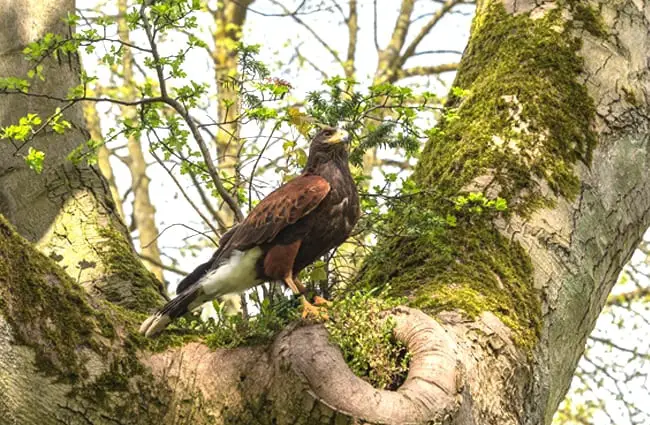
Hawks employ a range of hunting techniques. Some, like the Northern Harrier, soar low over fields, using their keen eyesight and hearing to detect prey. Others perch on elevated points, patiently scanning the landscape before diving upon unsuspecting victims. Still others actively pursue prey in flight, exhibiting remarkable agility and speed. Their success is largely attributed to their exceptional eyesight—hawks can spot prey from incredible distances.
Hawk Reproduction and Life Cycle
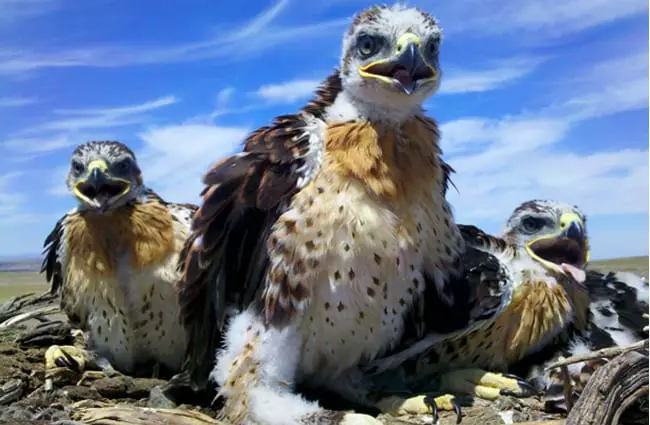
Hawks are typically monogamous, forming long‑term pair bonds that can last for many years. The breeding season varies depending on the species and geographic location, but generally occurs in the spring. Hawks construct large nests, known as eyries, typically in trees, on cliffs, or occasionally on buildings. These nests are built from sticks and lined with softer materials like grass and feathers.
The female hawk lays a clutch of one to five eggs, which are incubated for approximately 30 to 40 days. Once hatched, the young hawks, known as fledglings, are entirely dependent on their parents for food and care. The parents will diligently bring food to the nest and protect their young from predators. Fledglings typically remain in the nest for several weeks before attempting their first flights. They continue to rely on their parents for several months after leaving the nest, learning essential hunting skills before becoming fully independent.
Ecological Role and Interactions
Hawks are keystone predators, meaning they play a crucial role in maintaining the health and stability of their ecosystems. By controlling populations of rodents, rabbits, and other prey animals, they prevent overgrazing and protect vegetation. Their presence also indicates a healthy environment—a decline in hawk populations can signal broader ecological problems.
Hawks also interact with other animals in various ways. They compete with other raptors, such as eagles and falcons, for food and territory. They can also be preyed upon by larger predators, especially when they are young or injured. Furthermore, hawks provide food for scavengers after making a kill, contributing to nutrient cycling within the ecosystem.
Hawk and Human Interactions
Historically, hawks have been both admired and persecuted by humans. In some cultures, they are revered as symbols of strength, courage, and nobility. Falconry, the art of hunting with trained hawks, has a long and rich history dating back thousands of years. However, hawks have also been killed due to perceived threats to livestock or because of misguided fears.
Today, most hawk species are protected by law, and conservation efforts are underway to restore their populations. Habitat loss, pesticide contamination, and collisions with vehicles and buildings remain significant threats. Responsible land management practices and public awareness campaigns are crucial for ensuring the long‑term survival of these magnificent birds.
Finding Hawks in the Wild
Observing hawks in their natural habitat can be a rewarding experience. Open areas such as fields, grasslands, and forests are good places to start. Look for hawks soaring overhead or perched on trees, poles, or cliffs. Bring binoculars to get a closer look. Listen for their distinctive calls, as hawks have a variety of vocalizations used for communication. Remember to maintain a respectful distance and avoid disturbing their habitat. Spring and fall are particularly good times to observe hawks migrating.
Hawk Care in Captivity
Caring for hawks in captivity requires specialized knowledge and expertise. These birds have complex dietary needs and require spacious enclosures that allow them to exercise and exhibit natural behaviors. Their diet should consist of whole prey items, such as chicks, mice, and quail, to provide essential nutrients. Enclosures should be enriched with perches, branches, and other features that stimulate their minds and bodies. Regular veterinary care is essential to monitor their health and prevent disease. It is crucial to remember that hawks are not domesticated animals and require experienced handlers to ensure their well-being.
Interesting Hawk Facts
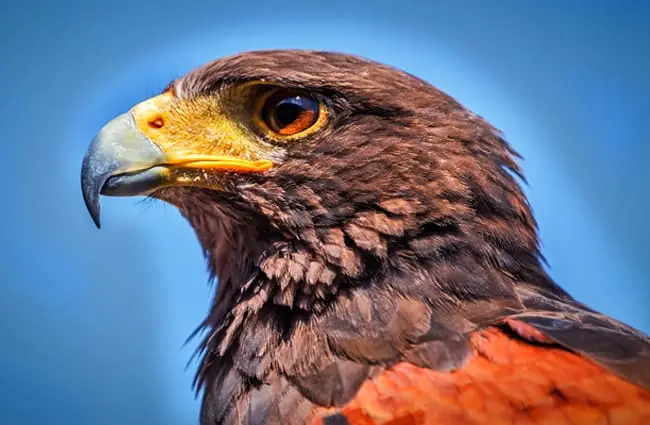
- Hawks have exceptional eyesight, estimated to be four to eight times sharper than human vision.
- Some hawk species migrate thousands of miles each year, traveling between breeding and wintering grounds.
- Hawks use their talons to kill prey, gripping with incredible force.
- The Red‑tailed Hawk is one of the most common and widely distributed hawks in North America.
- Harris’s Hawks are unique among raptors for often hunting in cooperative groups.
- Hawks can live for 10 to 20 years in the wild, and even longer in captivity.
Hawks are a vital part of our natural world. By understanding their biology, behavior, and ecological role, we can better appreciate these magnificent birds and work towards their conservation for generations to come.
![Closeup of a beautiful Red Angus cowPhoto by: U.S. Department of Agriculture [pubic domain]https://creativecommons.org/licenses/by/2.0/](https://animals.net/wp-content/uploads/2020/03/Red-Angus-4-238x178.jpg "Red Angus")
![Closeup of a beautiful Red Angus cowPhoto by: U.S. Department of Agriculture [pubic domain]https://creativecommons.org/licenses/by/2.0/](https://animals.net/wp-content/uploads/2020/03/Red-Angus-4-100x75.jpg "Red Angus")