Hamsters, those adorable, pocket-sized rodents, have captured the hearts of people worldwide. More than just charming pets, they are fascinating creatures with a rich history, complex behaviors, and vital roles in various ecosystems. This comprehensive guide delves into the world of hamsters, exploring their natural history, biology, behavior, and relationship with humans.

What is a Hamster?
The term “hamster” encompasses approximately 25 species of rodents within the subfamily Cricetinae. These creatures are characterized by their short tails, small ears, and stocky bodies. They are generally nocturnal, but are also crepuscular, meaning they are most active at night and during twilight. Hamsters are native to Europe and Asia, inhabiting a variety of environments, from deserts to grasslands and agricultural fields.
Hamster Habitats and Distribution
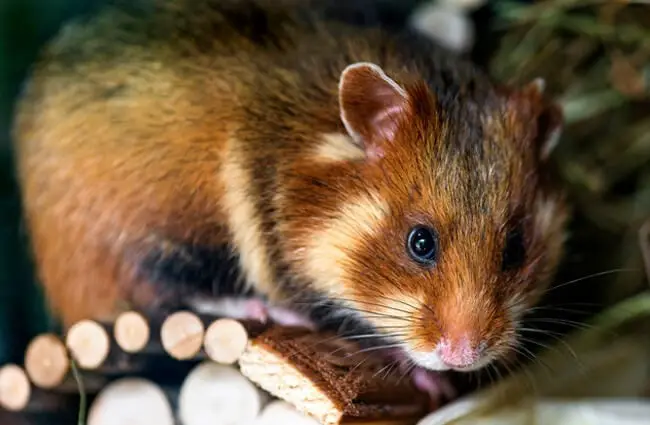
Wild hamsters occupy diverse habitats, primarily in temperate regions of Europe and Asia. The Syrian hamster, the most popular pet species, originates from arid regions of Syria. European hamsters favor farmland, particularly wheat and barley fields, while other species inhabit steppes, meadows, and even semi-desert areas. They create extensive burrow systems, which provide shelter from predators and harsh weather, and serve as storage for food. These burrows can be quite complex, with multiple chambers and entrances.
The Evolutionary History of Hamsters
The evolutionary origins of hamsters can be traced back to the Miocene epoch, approximately 23 to 5 million years ago. Fossil evidence suggests that early hamster-like rodents originated in Central Asia. Over millions of years, these creatures diversified into the various species we recognize today. The European hamster, Cricetus cricetus, is considered a relatively ancient species, while dwarf hamsters, such as the Russian dwarf hamster, evolved more recently. The development of cheek pouches, a defining characteristic of hamsters, is believed to have evolved as an adaptation for efficient food storage and transportation.

Hamster Diet and Feeding Habits
In the wild, hamsters are opportunistic omnivores. Their diet consists primarily of seeds, grains, roots, and fruits. They also consume insects, small invertebrates, and occasionally small vertebrates. A key feature of hamster feeding behavior is the use of cheek pouches. They use these pouches to transport large quantities of food back to their burrows for storage. This allows them to accumulate food supplies during times of abundance and survive through periods of scarcity. Pet hamsters require a balanced diet consisting of commercially available hamster food, supplemented with fresh vegetables, fruits, and occasional protein sources.
Mating and Reproduction
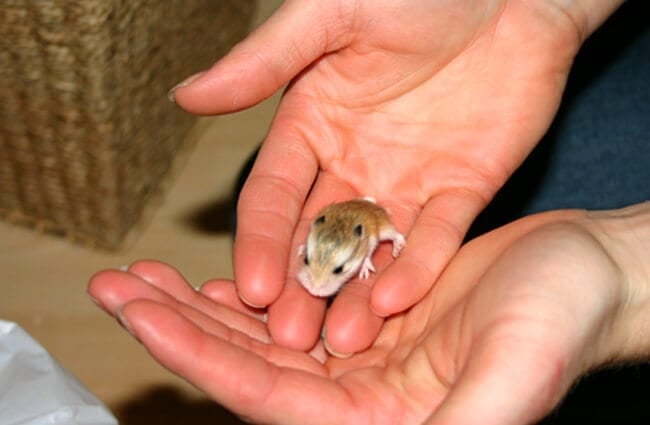
Hamsters exhibit a relatively short breeding season, typically occurring in the spring and summer months. They are generally solitary animals, except during mating season. Males will actively seek out females, using scent marking and vocalizations to attract their attention. The gestation period varies depending on the species, but generally ranges from 16 to 22 days. Hamsters typically give birth to litters of 4 to 12 pups. The pups are born blind and helpless, and are entirely dependent on their mother for care. They are weaned at around three weeks of age and reach sexual maturity at around 6 to 8 weeks.
Hamsters in the Ecosystem
Hamsters play several important roles in their ecosystems. They contribute to seed dispersal through their foraging and caching behavior. Their burrowing activities help to aerate the soil and improve its drainage. They also serve as a food source for various predators, including foxes, owls, and hawks. European hamsters, in particular, are considered important agricultural pests, as they can cause significant damage to crops. However, their presence also supports the biodiversity of agricultural landscapes.
Hamsters and Human Interaction
Humans have interacted with hamsters for centuries. They have been used as laboratory animals in scientific research, particularly in studies of genetics, behavior, and disease. More recently, hamsters have become popular pets, prized for their small size, docile nature, and entertaining antics. However, it is important to remember that hamsters are not domesticated animals, and they still retain many of their wild instincts. Responsible hamster ownership requires providing a stimulating and enriching environment, along with appropriate care and attention.
Hamster Species Spotlight
Syrian Hamster (Mesocricetus auratus)
Also known as the golden hamster, this is the most common species kept as a pet. They are relatively large, reaching up to 6 inches in length, and come in a variety of colors and coat patterns. Syrian hamsters are solitary and territorial, and should be housed individually.
Dwarf Campbell’s Russian Hamster (Phodopus campbelli)
These small hamsters are known for their playful and energetic personalities. They can be housed in pairs or small groups, but it is important to monitor them closely for signs of aggression.
Dwarf Winter White Russian Hamster (Phodopus sungorus)
Similar in appearance to Campbell’s hamsters, these hamsters exhibit a seasonal coat change, becoming whiter in the winter months.
Encountering Hamsters in the Wild
If you encounter a hamster in the wild, it is best to observe it from a distance. Do not attempt to handle or approach the animal, as it may bite if it feels threatened. If you find an injured or sick hamster, contact a local wildlife rehabilitation center for assistance.

Caring for Hamsters in Captivity
Providing proper care for captive hamsters is crucial for their well‑being. This includes providing a spacious cage, a balanced diet, fresh water, and plenty of enrichment. Hamsters require regular cage cleaning to prevent the buildup of odors and bacteria. They also need opportunities for exercise and mental stimulation, such as a running wheel, tunnels, and chew toys. It is also important to be aware of common hamster health problems, such as wet tail, dental disease, and respiratory infections, and to seek veterinary attention if you notice any signs of illness.
Interesting Hamster Facts
- Hamsters have cheek pouches that can expand to hold up to 25% of their body weight.
- They are crepuscular, meaning they are most active at dawn and dusk.
- Hamsters have a relatively short lifespan, typically living only 2 to 3 years.
- They can climb and jump, despite their small size.
- Hamsters are excellent diggers, and can create elaborate burrow systems.
- They communicate with each other through scent marking and vocalizations.
- Some species of hamsters hibernate during the winter months.

From their ecological roles to their endearing personalities as pets, hamsters are truly fascinating creatures. Understanding their natural history, behavior, and care requirements is essential for ensuring their well‑being and appreciating their place in the natural world.
![Closeup of a beautiful Red Angus cowPhoto by: U.S. Department of Agriculture [pubic domain]https://creativecommons.org/licenses/by/2.0/](https://animals.net/wp-content/uploads/2020/03/Red-Angus-4-238x178.jpg "Red Angus")



![Closeup of a beautiful Red Angus cowPhoto by: U.S. Department of Agriculture [pubic domain]https://creativecommons.org/licenses/by/2.0/](https://animals.net/wp-content/uploads/2020/03/Red-Angus-4-100x75.jpg "Red Angus")