The vast, mysterious ocean holds countless wonders, and among its most fascinating inhabitants is a fish that has graced dinner plates and captivated scientists for centuries: the Haddock. Often overshadowed by its more famous cousin, the Atlantic Cod, the Haddock (Melanogrammus aeglefinus) is a creature of remarkable resilience, ecological importance, and surprising complexity. Join us on a deep dive into the world of this iconic North Atlantic species, exploring everything from its hidden life beneath the waves to its profound impact on human culture and ecosystems.
Unveiling the Haddock: A Portrait of a Deep-Sea Dweller
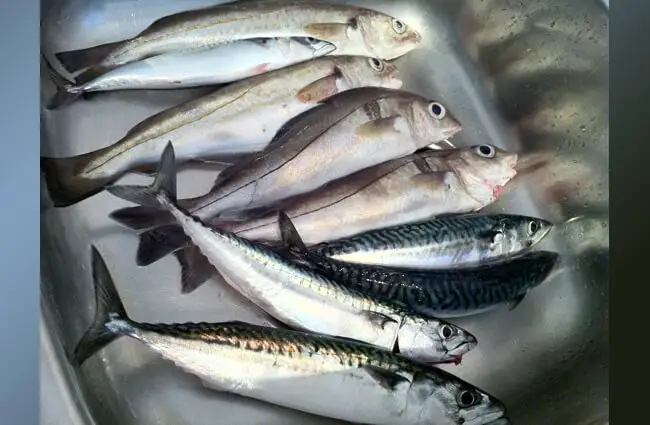
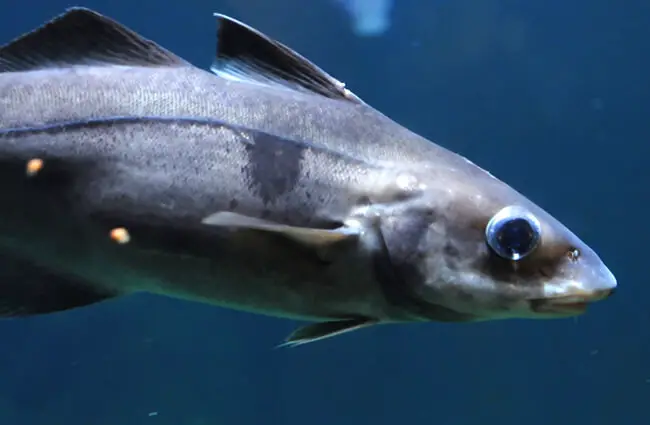
The Haddock is a distinguished member of the Gadidae family, a group of ray-finned fish that includes cod, pollock, and whiting. Its scientific name, Melanogrammus aeglefinus, hints at one of its most distinctive features: a prominent black lateral line running along its silvery-grey body, often accompanied by a dark, thumb-print-like spot above the pectoral fin, famously known as “St. Peter’s Mark” or “the devil’s thumbprint.”
Typically, Haddock can grow up to 1.1 meters (3.6 feet) in length and weigh over 11 kilograms (24 pounds), though most commercially caught specimens are smaller, averaging around 30 to 70 centimeters (1 to 2.3 feet). Their bodies are streamlined, perfectly adapted for life in the cold, often turbulent waters of the North Atlantic. They possess three dorsal fins, two anal fins, and a small barbel on their chin, which they use to forage along the seafloor.
Where the Haddock Calls Home: Habitat and Distribution
Haddock are primarily found in the cold, temperate waters of the North Atlantic Ocean. Their geographical range is extensive, stretching from the coasts of North America, including Newfoundland and Nova Scotia, across to Greenland, Iceland, and the waters surrounding Europe, from the Barents Sea down to the Bay of Biscay. They are particularly abundant in the North Sea, off the coast of Norway, and around the British Isles.
These demersal fish prefer to inhabit depths ranging from 40 to 300 meters (130 to 980 feet), though they can be found shallower or deeper depending on their life stage and environmental conditions. They thrive on soft, sandy, gravelly, or shell-covered bottoms, which provide ideal foraging grounds for their preferred prey. While they are often associated with deeper waters, juvenile Haddock tend to stay in shallower coastal areas before migrating to deeper offshore habitats as they mature.
Seeking the Haddock in the Wild: A Guide for Enthusiasts
For the dedicated animal lover or aspiring marine observer hoping to catch a glimpse of a Haddock in its natural environment, understanding its preferred habitat is key. Direct observation of Haddock in the wild typically requires specialized equipment or specific locations.
- Diving and Submersibles: In areas where Haddock populations are healthy and waters are clear enough, experienced divers might encounter Haddock on sandy or gravelly seabeds at moderate depths. However, given their preferred depths, submersibles or remotely operated vehicles (ROVs) offer a more common way to observe them in their natural habitat.
- Fishing Vessels: Recreational or commercial fishing trips in the North Atlantic are perhaps the most common way for humans to interact with Haddock. Observing them as part of a catch provides an opportunity to appreciate their physical characteristics firsthand. Always ensure any fishing activity is sustainable and adheres to local regulations.
- Aquariums: For a guaranteed sighting, many large public aquariums with cold-water exhibits house Haddock, offering an excellent opportunity to observe their behavior and appearance up close without disturbing their natural environment.
If one is fortunate enough to encounter a Haddock in the wild, perhaps during a rare shallow water excursion or through underwater photography, the best course of action is always respectful observation. Maintain a safe distance, avoid sudden movements, and never attempt to touch or disturb the fish. Allowing marine life to behave naturally in its environment is paramount for its well-being and for the integrity of the ecosystem.
The Haddock’s Life Cycle and Ecological Role
The life of a Haddock is a fascinating journey of growth, survival, and contribution to the intricate marine food web. From tiny eggs drifting in the currents to mature adults navigating the deep, each stage plays a vital role.
A Haddock’s Menu: Diet and Feeding Habits
Haddock are opportunistic bottom feeders, meaning their diet largely consists of what they can find on or near the seafloor. Their chin barbel acts as a sensory organ, helping them detect prey in the murky depths. Their diet is incredibly varied and changes with age and location.
- Juveniles: Young Haddock primarily feed on small crustaceans, such as copepods and amphipods, as well as the larvae of other marine invertebrates.
- Adults: As they mature, their diet expands significantly to include a wider array of benthic (bottom-dwelling) organisms. This includes:
- Various worms (polychaetes)
- Mollusks (clams, mussels, small squid)
- Echinoderms (brittle stars, sea urchins)
- Crustaceans (shrimp, crabs, euphausiids)
- Small fish (sand eels, capelin, juvenile herring)
This diverse diet positions Haddock as a crucial link in the food chain, transferring energy from lower trophic levels (invertebrates) to higher ones (larger fish, marine mammals, and humans).
The Dance of Life: Mating and Reproduction
Haddock typically reach sexual maturity between two and four years of age. Their spawning season varies geographically but generally occurs from late winter to early summer, peaking in March and April. Spawning usually takes place in specific areas with suitable temperatures and depths, often over gravelly or rocky bottoms.
The reproduction process is external:
- Aggregation: Mature Haddock gather in large spawning aggregations.
- Spawning: Females release millions of tiny, buoyant eggs into the water column, which are then fertilized by the males’ sperm. A single large female can produce several million eggs in a season.
- Larval Drift: The fertilized eggs, being pelagic (free-floating), drift with the ocean currents for several weeks. They hatch into larvae, which are also planktonic and feed on microscopic organisms.
- Juvenile Stage: As they grow, the larvae develop into juvenile fish and eventually settle to the seafloor, often in shallower nursery grounds, before migrating to deeper waters as they mature.
This broadcast spawning strategy, common among many marine fish, ensures wide dispersal of offspring, increasing the chances of survival in a vast and often unpredictable ocean environment.
Evolutionary Journey: A Gadoid Success Story
The Haddock’s evolutionary history is intertwined with that of its Gadidae family members. These fish are believed to have originated in the North Atlantic, adapting over millions of years to the cold, productive waters. Their success can be attributed to several key adaptations:
- Demersal Lifestyle: Specialization in feeding on benthic invertebrates allowed them to exploit a rich food source.
- High Fecundity: Producing millions of eggs ensures that despite high mortality rates in early life stages, enough offspring survive to maintain populations.
- Cold Tolerance: Their physiological adaptations allow them to thrive in temperatures that would be lethal to many other fish species.
The Haddock’s distinct black lateral line and “thumbprint” mark are thought to be evolutionary traits, possibly serving as camouflage or a form of species recognition, though their exact purpose remains a subject of scientific inquiry.
Haddock in the Ecosystem: Interactions and Contributions
Haddock play a multifaceted role in the marine ecosystem:
- Prey: As juveniles and adults, Haddock are a food source for larger predatory fish (such as cod, halibut, and sharks), seals, and various seabirds.
- Predator: By consuming a wide range of invertebrates and smaller fish, Haddock help regulate populations of these species, contributing to the overall balance of the benthic community.
- Nutrient Cycling: Through their feeding and waste products, Haddock contribute to the cycling of nutrients within the marine environment.
Their presence is an indicator of a healthy, productive cold-water ecosystem. Fluctuations in Haddock populations can signal broader changes in ocean health, making them an important species for ecological monitoring.
Haddock and Humanity: From Plate to Policy
The relationship between Haddock and humans is long-standing and complex, encompassing culinary traditions, economic importance, and conservation challenges.
A Culinary Delight: Haddock’s Contribution to Human Culture
Haddock has been a staple food fish in many cultures, particularly in Northern Europe and North America, for centuries. Its mild, flaky white flesh makes it incredibly versatile and highly prized.
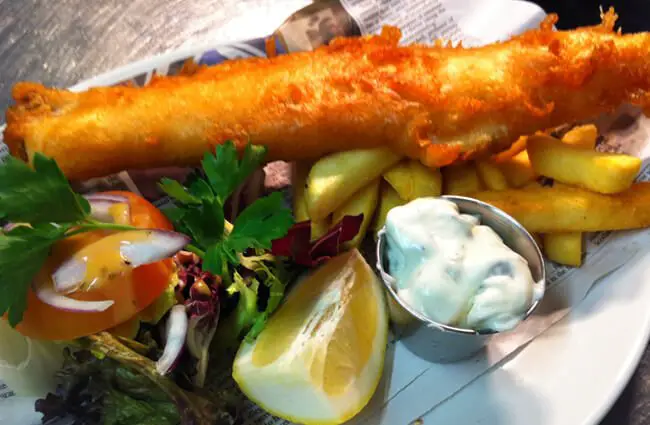
- Fish and Chips: In the United Kingdom, Haddock is a popular choice for the iconic dish, often battered and deep-fried, offering a delicious alternative to cod.
- Finnan Haddie: A traditional Scottish delicacy, Finnan Haddie consists of cold-smoked Haddock, often served for breakfast with poached eggs or in soups and stews. The smoking process imparts a distinctive flavor and golden hue.
- Smoked Haddock: Beyond Finnan Haddie, smoked Haddock is enjoyed in various forms, from simple fillets to ingredients in dishes like Cullen Skink (a creamy Scottish soup).
- Fresh Fillets: Fresh Haddock fillets are excellent baked, pan-fried, or broiled, often seasoned simply to highlight their natural flavor.

Human Interaction and Conservation
The commercial fishing industry has long targeted Haddock, leading to periods of overfishing in certain regions. This intense human interaction has necessitated robust fisheries management and conservation efforts.
- Sustainable Fishing: Modern fisheries management focuses on quotas, gear restrictions, and seasonal closures to ensure Haddock populations remain healthy and sustainable for future generations. Consumers are encouraged to choose Haddock from certified sustainable fisheries.
- Bycatch: Like many commercially important species, Haddock can be caught as bycatch in fisheries targeting other species. Efforts are ongoing to reduce bycatch through improved fishing technologies and practices.
- Climate Change: Changes in ocean temperature and currents due to climate change can impact Haddock distribution, spawning success, and food availability, posing a long-term challenge to their populations.
Understanding and respecting the Haddock’s ecological needs is crucial for maintaining its populations and the health of the broader marine environment.
Caring for Haddock in Captivity: A Zookeeper’s Guide
For zookeepers tasked with caring for Haddock in an aquarium setting, creating an environment that mimics their natural habitat is paramount for their health and well-being.
- Habitat Replication:
- Temperature: Maintain cold, stable water temperatures, typically between 2°C and 10°C (35°F and 50°F), reflecting their North Atlantic origins.
- Salinity: Keep salinity levels consistent with oceanic conditions, around 30-35 parts per thousand.
- Substrate: Provide a soft, sandy, or gravelly bottom, allowing them to exhibit natural foraging behaviors.
- Water Quality: Excellent filtration and aeration are essential to maintain high dissolved oxygen levels and remove waste products. Regular water testing for ammonia, nitrite, nitrate, and pH is critical.
- Diet:
- Offer a varied diet of high-quality marine pellets, supplemented with frozen or live prey such as krill, shrimp, small fish, and various marine invertebrates.
- Feeding should be regular but not excessive, mimicking their opportunistic foraging.
- Social Structure:
- Haddock are generally schooling fish, especially when young. Keeping them in groups can reduce stress and encourage natural behaviors.
- Careful consideration of tank mates is necessary to avoid predation or competition.
- Health Monitoring:
- Regular observation for signs of stress, disease, or injury is vital. This includes changes in swimming patterns, appetite, skin lesions, or abnormal coloration.
- Quarantine new arrivals to prevent the introduction of pathogens.
- What to Avoid:
- Rapid Environmental Changes: Sudden shifts in temperature, salinity, or water chemistry can be highly stressful and detrimental.
- Overcrowding: Leads to poor water quality, increased stress, and aggression.
- Incompatible Tank Mates: Avoid housing Haddock with aggressive species or fish that are small enough to be considered prey.
- Improper Diet: A monotonous or nutritionally deficient diet can lead to health problems.
- Excessive Handling: Minimize physical contact to prevent stress and damage to their delicate skin and scales.
Fascinating Facts About Haddock
Beyond their ecological and culinary significance, Haddock possess a wealth of intriguing characteristics:
- The “Devil’s Thumbprint”: The distinctive black spot above the pectoral fin is a common identifier. Legend says it’s the mark left by St. Peter’s thumb when he caught the fish, or by the devil’s thumb, depending on the folklore.
- Sound Production: Like many gadoids, Haddock can produce sounds, often described as grunts or knocks, using their swim bladder. These sounds are believed to be related to spawning and communication.
- Longevity: Haddock can live for up to 15 years in the wild, though their average lifespan is typically shorter due to fishing pressure.
- Migration: While not as extensive as some other species, Haddock undertake seasonal migrations, often moving to deeper waters in winter and shallower areas in summer, or to specific spawning grounds.
- Fast Growers: Haddock are relatively fast-growing fish, reaching marketable size within a few years, which contributes to their commercial viability.
- Sensitive to Temperature: Haddock are quite sensitive to water temperature, preferring a narrow range. This sensitivity makes them vulnerable to changes brought about by climate change.
Conclusion: Appreciating the Haddock’s Enduring Legacy
From its humble beginnings as a tiny egg adrift in the North Atlantic to its role as a vital component of marine ecosystems and a cherished culinary tradition, the Haddock is a species worthy of our admiration and protection. Its journey through the cold, deep waters is a testament to nature’s adaptability and the intricate balance of life beneath the waves.
Whether viewed through the lens of a student researching its biology, an animal lover observing its grace, or a zookeeper ensuring its welfare, the Haddock offers profound insights into the marine world. By understanding its life, its challenges, and its contributions, we can foster a deeper appreciation for this remarkable fish and commit to safeguarding its future in our oceans.
![Closeup of a beautiful Red Angus cowPhoto by: U.S. Department of Agriculture [pubic domain]https://creativecommons.org/licenses/by/2.0/](https://animals.net/wp-content/uploads/2020/03/Red-Angus-4-238x178.jpg "Red Angus")
![Closeup of a beautiful Red Angus cowPhoto by: U.S. Department of Agriculture [pubic domain]https://creativecommons.org/licenses/by/2.0/](https://animals.net/wp-content/uploads/2020/03/Red-Angus-4-100x75.jpg "Red Angus")