Grouse. The very name evokes images of rugged landscapes, crisp autumn air, and a bird perfectly adapted to its environment. But beyond this initial impression lies a fascinating world of diverse species, complex behaviors, and an important role in the ecosystems they inhabit. This guide delves into the life of the grouse, exploring its evolution, habitat, diet, breeding habits, and its interactions with both the natural world and humankind.
What is a Grouse?
Grouse are a group of large, chicken‑like birds belonging to the family Phasianidae, the same family as pheasants, partridges, and turkeys. They are generally characterized by their plump bodies, feathered legs, and a preference for ground dwelling. The term 'grouse' is not a strict taxonomic grouping; rather it refers to a variety of species sharing similar characteristics and ecological niches. There are numerous species found across North America, Europe, and Asia, each uniquely adapted to its specific environment.
A History of Grouse Evolution
The evolutionary history of grouse stretches back millions of years. Fossil evidence suggests that ancestors of modern grouse inhabited Asia during the Oligocene epoch. From there, they dispersed, gradually evolving into the diverse species we see today. Their evolutionary success is tied to their ability to adapt to a wide range of habitats, from dense forests to open grasslands and arctic tundra. The development of feathered legs, for example, likely aided in walking on snow and providing insulation in colder climates. Genetic studies continue to refine our understanding of their evolutionary relationships and how different species diverged over time.
Where Do Grouse Live? Habitats and Distribution
Grouse are remarkably adaptable, inhabiting a variety of ecosystems. Their distribution varies greatly depending on the species. Some key habitats include:
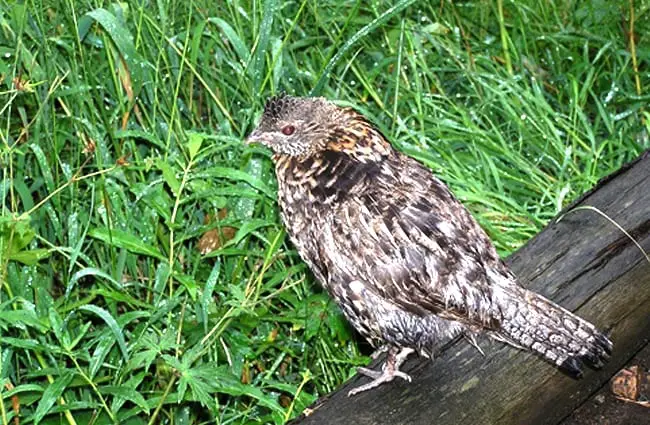
- Forests: Many grouse, like the Ruffed Grouse, thrive in deciduous and coniferous forests, relying on undergrowth for food and cover.
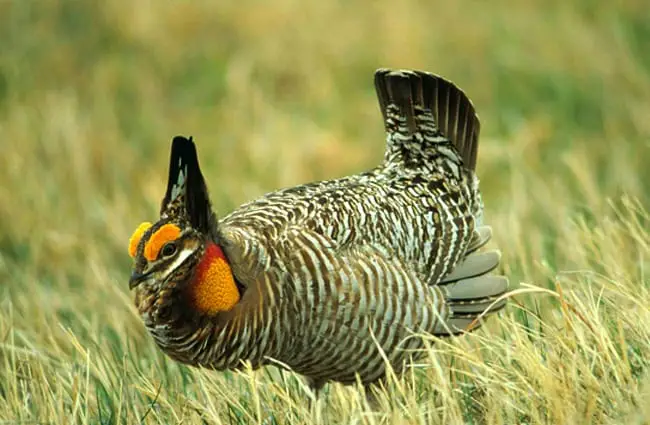
- Grasslands & Prairies: Species such as the Greater Prairie Chicken inhabit open grasslands and prairies, where they engage in elaborate courtship displays.
- Arctic & Alpine Tundra: The Rock Ptarmigan is a specialist of harsh arctic and alpine environments, exhibiting seasonal camouflage to blend with its surroundings.
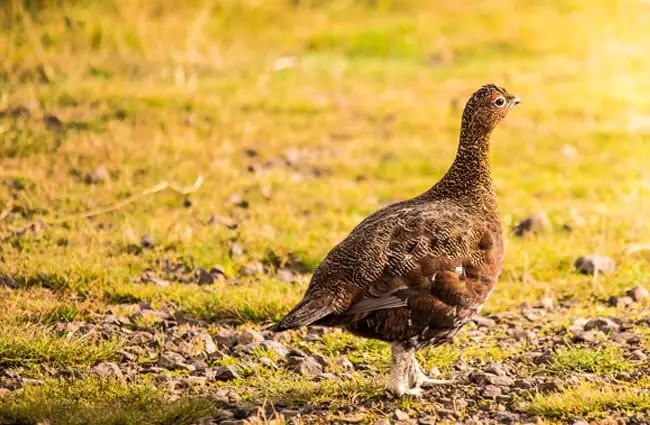
- Heathlands: Red Grouse are commonly found in heather‑dominated moorlands.
Geographically, grouse are found across North America, Europe, and Asia. Each species has a specific range determined by factors such as climate, vegetation, and the availability of suitable breeding grounds.
What Do Grouse Eat? Diet and Foraging Behavior
Grouse are omnivorous, with their diet varying depending on the season and the available food sources. Key components include:
- Vegetation: Leaves, buds, berries, seeds, and grasses form the bulk of their diet, especially during the warmer months.
- Insects: Insects are an important protein source, particularly for growing chicks.
- Fruits: Berries and other fruits provide essential vitamins and carbohydrates.
Grouse typically forage on the ground, scratching and pecking for food. They are also known to browse on shrubs and low‑growing vegetation. The availability of suitable food sources is a crucial factor in their survival and reproductive success.
Grouse Courtship, Breeding, and Reproduction
Grouse have fascinating mating rituals, often involving elaborate displays and vocalizations. The specific behaviors vary greatly between species.
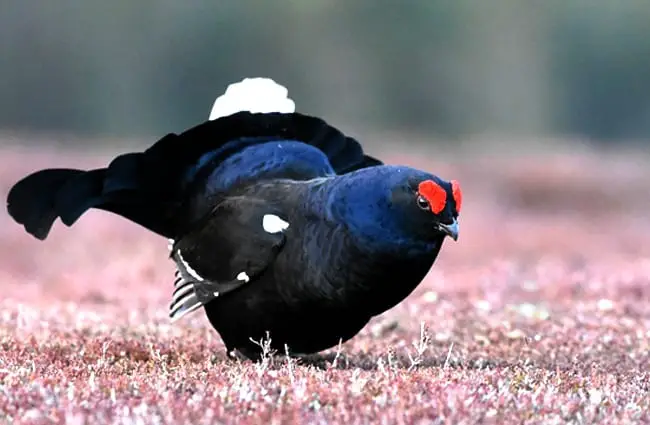
- Leks: Many species, such as the Black Grouse, gather on traditional display grounds called leks. Males compete for the attention of females through strutting, vocalizing, and displaying their plumage.
- Territoriality: Males often establish and defend territories to attract mates.
- Nesting: Grouse build nests on the ground, typically concealed in vegetation.
- Eggs & Chicks: A clutch typically consists of 8 to 15 eggs. The chicks are precocial, meaning they are relatively mature at hatching and can follow their mother shortly after emerging from the egg.
Raising chicks is a demanding task, and grouse are vulnerable to predation during this time. Camouflage plays a critical role in protecting both the adults and their offspring.
Grouse and the Ecosystem: Ecological Roles
Grouse play an important role in their ecosystems. They contribute to seed dispersal, help control insect populations, and serve as prey for various predators, including hawks, foxes, and wolves. They can also influence vegetation structure through their foraging habits. Their presence or absence can indicate the health and stability of a particular ecosystem. A healthy grouse population often signals a thriving habitat.
Grouse and Humans: Historical and Current Interactions
Humans have long interacted with grouse. They have been hunted for food and sport, and their feathers have been used for decorative purposes. In some regions, grouse shooting is a significant economic activity. However, overhunting and habitat loss have negatively impacted many grouse populations. Conservation efforts, such as habitat restoration and regulated hunting, are crucial for ensuring their survival over the long term.
Identifying and Observing Grouse in the Wild
Encountering a grouse in the wild can be a rewarding experience. Here are a few tips:
- Habitat: Focus your search in areas where grouse are known to inhabit—forests, grasslands, and moorlands.
- Time of Day: Grouse are most active during the early morning and late afternoon.
- Listen: Pay attention to drumming sounds (produced by males during courtship) and distinctive calls.
- Camouflage: Be aware of their excellent camouflage and scan the vegetation carefully.
- Respect: Observe from a distance and avoid disturbing their habitat.
Grouse in Captivity: Care and Considerations
Caring for grouse in captivity requires specialized knowledge and facilities. Key considerations include:
- Spacious Enclosure: Provide a large, naturalistic enclosure with ample space for foraging and displaying behaviors.
- Appropriate Diet: Offer a balanced diet consisting of seeds, grains, insects, and vegetation.
- Environmental Enrichment: Provide enrichment items such as logs, branches, and dust bathing areas to stimulate their natural behaviors.
- Social Needs: Grouse are social birds and should be housed in pairs or small groups.
- Veterinary Care: Regular veterinary checkups are essential for maintaining their health.
It’s important to mimic their natural environment as closely as possible and provide opportunities for them to express their innate behaviors.
Fascinating Grouse Facts
- Some species can fly at speeds of up to 50 miles per hour.
- Rock Ptarmigan change their plumage color seasonally for camouflage.
- The drumming sound produced by male Ruffed Grouse is created by rapidly beating their wings against their chest.
- Grouse chicks are able to leave the nest within hours of hatching.
- The Greater Prairie Chicken performs elaborate courtship displays on leks, involving inflated air sacs and booming calls.
The Future of Grouse
Grouse face numerous challenges, including habitat loss, climate change, and predation. Conservation efforts are essential for ensuring their survival. By protecting and restoring their habitats, regulating hunting, and mitigating the impacts of climate change, we can help these remarkable birds thrive for generations to come.
The world of the grouse is a testament to the power of adaptation and the intricate web of life. By understanding their ecology, behavior, and challenges, we can appreciate these birds and work towards a future where they continue to grace our landscapes.
![Closeup of a beautiful Red Angus cowPhoto by: U.S. Department of Agriculture [pubic domain]https://creativecommons.org/licenses/by/2.0/](https://animals.net/wp-content/uploads/2020/03/Red-Angus-4-238x178.jpg "Red Angus")
![Closeup of a beautiful Red Angus cowPhoto by: U.S. Department of Agriculture [pubic domain]https://creativecommons.org/licenses/by/2.0/](https://animals.net/wp-content/uploads/2020/03/Red-Angus-4-100x75.jpg "Red Angus")