The Wonderful World of Groundhogs
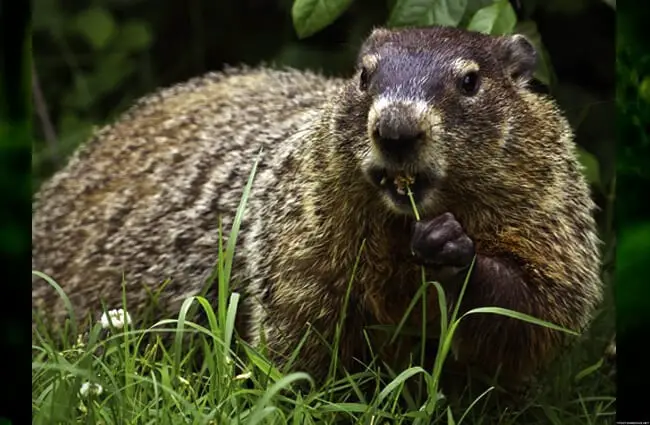
Groundhogs, also known as woodchucks, are fascinating creatures deeply woven into the fabric of North American ecosystems and folklore. These robust rodents are more than just predictors of spring; they are skilled engineers, dedicated parents, and vital contributors to the health of their environment. This comprehensive guide delves into the life of the groundhog, covering everything from its natural history and behavior to its cultural significance and interactions with humans.
Natural History and Evolution
Groundhogs belong to the family Sciuridae, which also includes squirrels, chipmunks, and marmots. Their scientific name, Marmota monax, reflects this close relationship. The evolutionary history of groundhogs traces back to the early Miocene epoch, with their ancestors originating in Eurasia. Over millions of years, they migrated to North America and diversified, adapting to a variety of habitats. Their lineage shares common ancestry with other marmot species, evidenced by similarities in physical characteristics and burrowing behavior.
Physical Characteristics
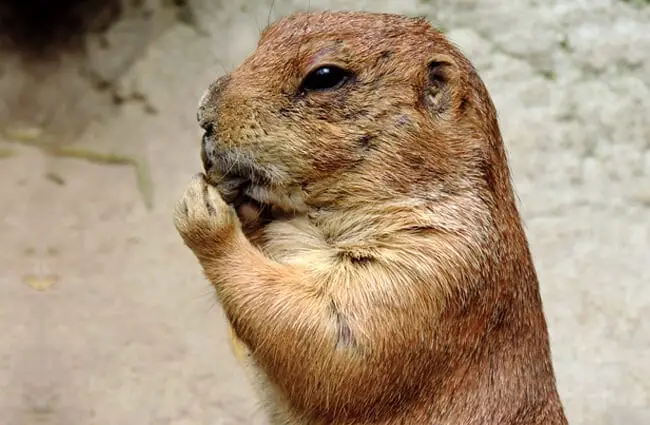
Groundhogs are the largest members of the family Sciuridae. Adults typically weigh between 5 and 14 pounds and measure 16 to 26 inches in length, including their bushy tails. They possess a sturdy build, short legs, and powerful claws ideal for digging. Their fur is coarse and typically a grizzled brown color, providing excellent camouflage in their woodland and grassland habitats. A notable feature is their large incisors, which grow continuously throughout their lives and are crucial for gnawing through vegetation and digging burrows.
Habitat and Distribution
Groundhogs are widely distributed across eastern and central North America, ranging from Alaska to Georgia and as far west as the Great Plains. They thrive in a variety of habitats, including deciduous and mixed forests, grasslands, pastures, and agricultural fields. The key requirement for a suitable habitat is well drained soil that is conducive to burrow construction. Groundhogs avoid excessively wet or rocky terrain.
Diet and Foraging Behavior
As herbivores, groundhogs feed on a diverse range of vegetation. Their diet consists primarily of grasses, leaves, berries, buds, and agricultural crops. They are opportunistic feeders and will readily consume whatever is available in their environment. Groundhogs are known to stockpile food in their burrows to ensure a supply during periods of scarcity. They will often create “haypiles” of grasses and leaves near the entrance to their dens. They are active foragers, spending much of their day searching for food.
Burrow Systems: Engineering Marvels
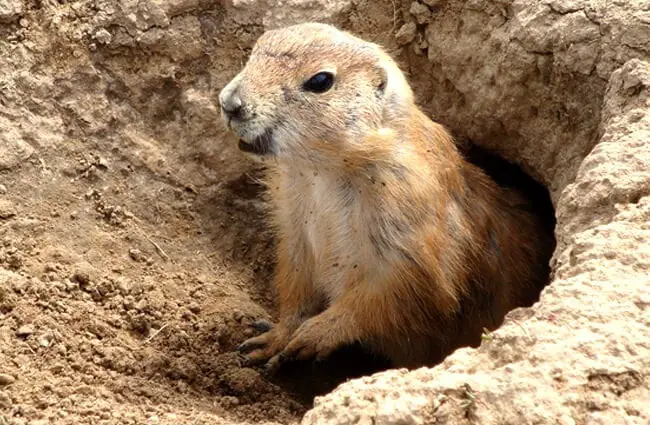
Groundhog burrows are elaborate underground networks that serve as both shelter and a safe haven for raising young. These burrows can be quite extensive, with multiple entrances, chambers, and tunnels. A typical burrow system may span 25 to 75 feet in length and descend several feet below the surface. The main chamber, used for nesting and rearing young, is usually lined with soft grasses and leaves. Groundhogs meticulously maintain their burrows, regularly clearing debris and reinforcing tunnels. These burrows play an important role in aerating the soil and providing habitat for other animals.
Life Cycle: Reproduction and Development
Groundhogs are typically solitary animals, except during the breeding season. Mating usually occurs in late winter or early spring. After a gestation period of around 60 days, females give birth to a litter of 4 to 6 pups. The pups are born blind and helpless and rely entirely on their mother for care. They begin to emerge from the burrow at around 4 to 6 weeks of age and are fully weaned by 8 weeks. Young groundhogs remain with their mother throughout the summer, learning essential survival skills before dispersing to establish their own territories. They reach sexual maturity at around 2 years of age.
Hibernation: Surviving the Winter
Groundhogs are true hibernators, entering a state of dormancy during the winter months to conserve energy. Before hibernating, they accumulate significant fat reserves to sustain them throughout the winter. Their body temperature drops dramatically, and their heart rate slows to just a few beats per minute. They enter a deep sleep, waking up only occasionally to urinate and defecate. Groundhogs do not accumulate food stores within their burrows during hibernation. The duration of hibernation varies depending on the climate and weather conditions.
Ecological Role and Interactions
Groundhogs play a vital role in their ecosystems. Their burrowing activities contribute to soil aeration and nutrient cycling. They serve as a food source for predators such as foxes, coyotes, hawks, and owls. They also influence plant communities through their grazing habits. Groundhogs sometimes compete with other herbivores for food resources. Their burrows provide shelter for other animals, including rabbits, skunks, and snakes.
Groundhogs and Humans
Groundhogs have a long history of interaction with humans. They are often considered agricultural pests due to their fondness for crops. Gardeners and farmers frequently employ various methods to deter groundhogs from damaging their plants. However, groundhogs are also admired for their charming appearance and playful behavior. The annual Groundhog Day tradition, popularized in Punxsutawney, Pennsylvania, has cemented the groundhog’s place in American folklore. The tradition centers on the belief that if a groundhog emerges from its burrow on February 2 and sees its shadow, it will retreat back into its den, signifying six more weeks of winter. If it does not see its shadow, it is believed that spring will arrive early.
Encountering a Groundhog in the Wild
If you encounter a groundhog in the wild, it is best to observe it from a distance. Avoid approaching or attempting to handle the animal. Groundhogs are generally shy and will retreat into their burrows if disturbed. If a groundhog appears injured or sick, contact a local wildlife rehabilitation center.
Caring for Groundhogs in Captivity
Zookeepers caring for groundhogs in captivity should provide spacious enclosures with ample opportunities for digging and burrowing. Their diet should consist of a variety of fresh vegetables, fruits, and grasses. Enrichment activities, such as puzzle feeders and climbing structures, are essential to stimulate their natural behaviors. Regular veterinary care is crucial to ensure their health and well-being. Avoid overcrowding, as groundhogs are naturally solitary animals.
Interesting Facts
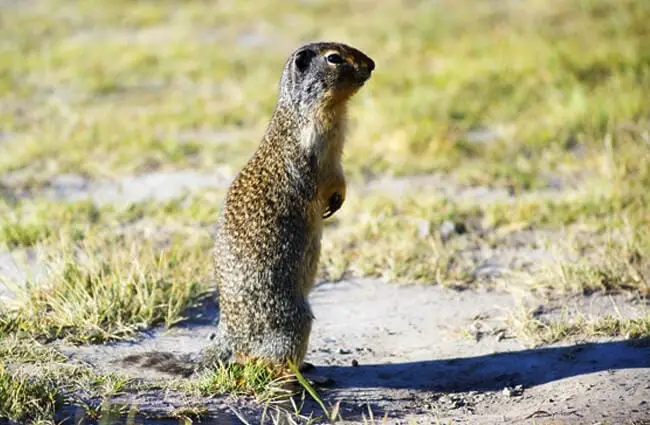
- Groundhogs are excellent swimmers and can hold their breath for up to 15 minutes.
- They use a series of whistles and chirps to communicate with each other.
- Their teeth never stop growing, allowing them to constantly gnaw through vegetation.
- They can weigh up to 14 pounds before hibernation.
- Groundhog populations are generally stable, but they are vulnerable to habitat loss and vehicle collisions.
Groundhogs are truly remarkable creatures, deserving of our admiration and respect. By understanding their biology, behavior, and ecological role, we can better appreciate these fascinating animals and ensure their continued survival for generations to come.
![Closeup of a beautiful Red Angus cowPhoto by: U.S. Department of Agriculture [pubic domain]https://creativecommons.org/licenses/by/2.0/](https://animals.net/wp-content/uploads/2020/03/Red-Angus-4-238x178.jpg "Red Angus")

![Closeup of a beautiful Red Angus cowPhoto by: U.S. Department of Agriculture [pubic domain]https://creativecommons.org/licenses/by/2.0/](https://animals.net/wp-content/uploads/2020/03/Red-Angus-4-100x75.jpg "Red Angus")