A Deep Dive into the World of Green Turtles
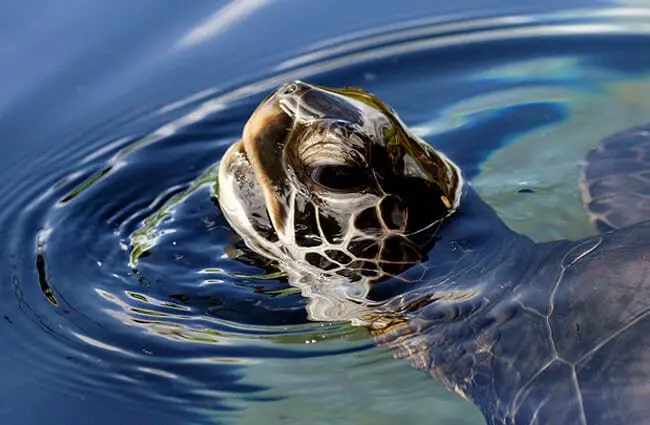
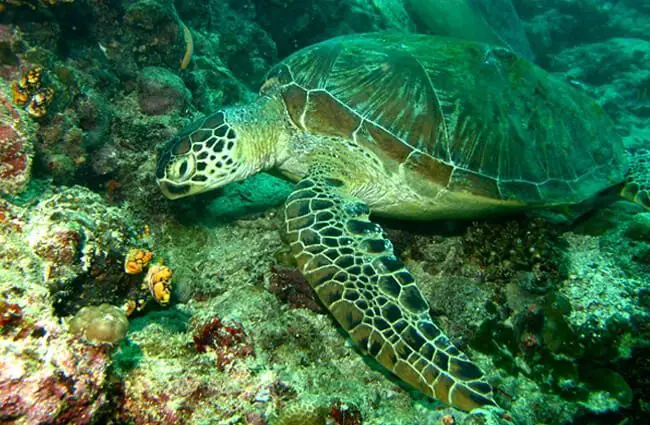
The green turtle, scientifically known as Chelonia mydas, is a truly remarkable reptile. More than just a beautiful creature gliding through tropical waters, the green turtle plays a critical role in maintaining the health of marine ecosystems. This guide provides a comprehensive exploration of its life, from evolutionary history and habitat to behavior, conservation status, and even its cultural significance.
Evolutionary Origins and Classification
Turtles as a group boast an ancient lineage that dates back over 200 million years to the Triassic period. The exact evolutionary relationships within the turtle family are still being investigated. The green turtle shares a common ancestor with other sea turtles, all belonging to the superfamily Chelonioidea. What sets it apart is its unique adaptations for a largely herbivorous diet, which explains its name. While adults are primarily plant eaters, hatchlings exhibit more omnivorous tendencies. Fossil records show that green turtle ancestors inhabited a wider range of geographical locations than modern populations, indicating shifts in distribution due to climate change and other environmental factors.
Habitat and Distribution
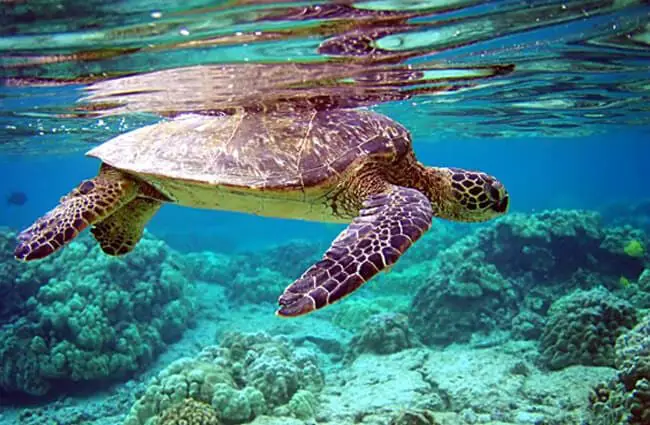
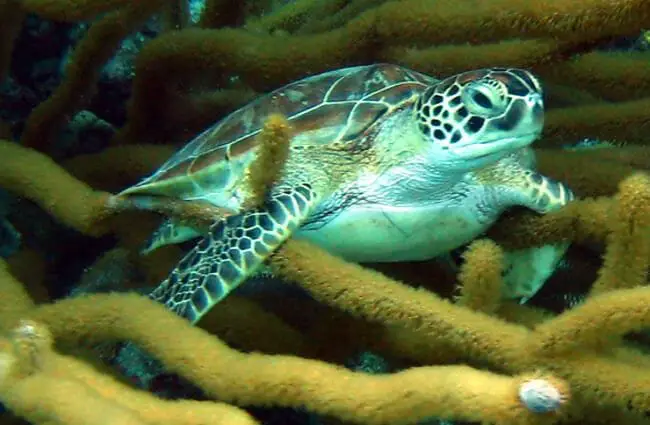
Green turtles are found in tropical and subtropical waters around the globe. They favor coastal areas with abundant seagrass beds, coral reefs, and algae, which form the cornerstone of their diet. Major nesting sites are located in countries such as Costa Rica, Australia, and Indonesia. These turtles undertake long migrations, sometimes traveling thousands of kilometers between feeding grounds and nesting beaches. They can be found in the Atlantic, Pacific, and Indian Oceans. Juvenile turtles often reside in “lost years” habitats, which provide ample food and protection from predators before returning to coastal feeding grounds.
Diet and Foraging Behavior
As adults, green turtles are primarily herbivores, feeding on seagrass and algae. This is unusual for sea turtles, most of whom are carnivorous or omnivorous. Their beak is adapted for grazing, and their digestive system is particularly long, allowing them to efficiently break down plant matter. Young turtles have a more varied diet, including jellyfish, sponges, and crustaceans. They actively seek out areas with high concentrations of food, often following currents and underwater vegetation patterns. The health of seagrass beds is directly linked to the well‑being of green turtle populations, creating a vital ecological feedback loop.
Life Cycle, Mating, and Reproduction
Green turtles have a slow reproductive rate, contributing to their vulnerability. They reach sexual maturity relatively late, typically between 25 and 50 years of age. Mating occurs in the waters near nesting beaches. After mating, females embark on a remarkable journey, returning to the same beach where they were born to lay their eggs. Nesting is a laborious process; females dig a nest in the sand, lay between 100 and 200 eggs, and then carefully cover and camouflage the nest. Incubation takes around two months, after which the hatchlings emerge and scramble toward the ocean. The hatchling stage is incredibly perilous, with high predation rates from birds, crabs, and other predators. Only a small fraction of hatchlings survive to adulthood.
Ecological Role and Interactions
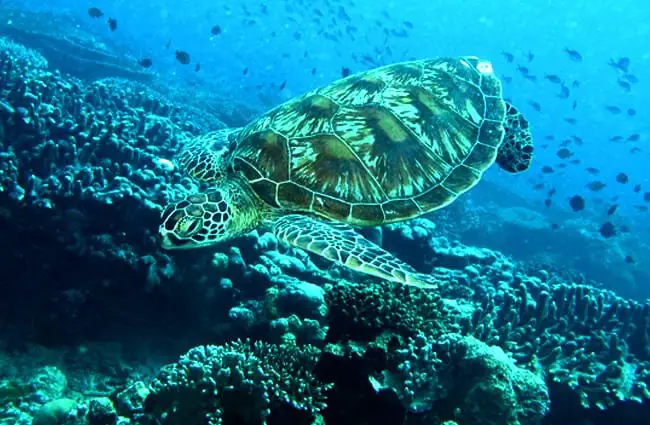
Green turtles are keystone species in marine ecosystems. Their grazing on seagrass helps maintain its health and productivity, creating habitat for other marine organisms. They also play a role in nutrient cycling and sediment stabilization. As juveniles, they serve as prey for sharks and other large predators. Adults have fewer predators, primarily sharks and, occasionally, large marine mammals. They often coexist with other sea turtle species, sharing feeding grounds and nesting beaches. Their presence indicates a healthy and balanced marine environment.
Green Turtles and Human Culture
Throughout history, green turtles have held cultural significance for many coastal communities. In some cultures, they are considered sacred animals, representing longevity and good fortune. They feature in traditional stories, art, and ceremonies. Sadly, this cultural reverence hasn’t always translated into effective conservation efforts. Historically, green turtles were heavily exploited for their meat, eggs, and shells. While this exploitation has decreased in many areas, illegal harvesting remains a threat.
Threats and Conservation Status
Green turtle populations have declined dramatically in recent centuries due to a variety of threats. These include habitat loss, entanglement in fishing gear, pollution, climate change, and illegal hunting. They are currently listed as endangered or threatened under various national and international conservation laws. Conservation efforts include protecting nesting beaches, reducing bycatch in fisheries, addressing pollution, and combating illegal trade. Community‑based conservation programs are proving particularly effective, empowering local communities to protect these magnificent creatures.
Encountering Green Turtles in the Wild: What to Do
If you are fortunate enough to encounter a green turtle while snorkeling or diving, observe it from a respectful distance. Avoid touching or harassing the animal. Do not disrupt its natural behavior or feeding patterns. If you encounter a nesting turtle on a beach, do not disturb it or shine lights on it. Report any injured or entangled turtles to local authorities or conservation organizations. Remember, these animals are protected by law.
Caring for Green Turtles in Captivity
Caring for green turtles in captivity requires specialized knowledge and facilities. They need large, well‑maintained tanks with appropriate water temperature, salinity, and filtration. Their diet should consist of a variety of seagrass, algae, and supplemental food items. Regular veterinary check‑ups are essential to monitor their health and prevent disease. Enrichment activities should be provided to stimulate their natural behaviors. It is crucial to provide a stress‑free environment and minimize human interaction. Green turtles in captivity should be part of a carefully managed conservation breeding program.
Interesting Facts About Green Turtles
- Green turtles can hold their breath for several hours.
- They navigate using the Earth’s magnetic field.
- Their shells are covered in scutes, which are made of keratin, the same material as human fingernails.
- Hatchling sex is determined by incubation temperature.
- Green turtles have existed for over 65 million years.
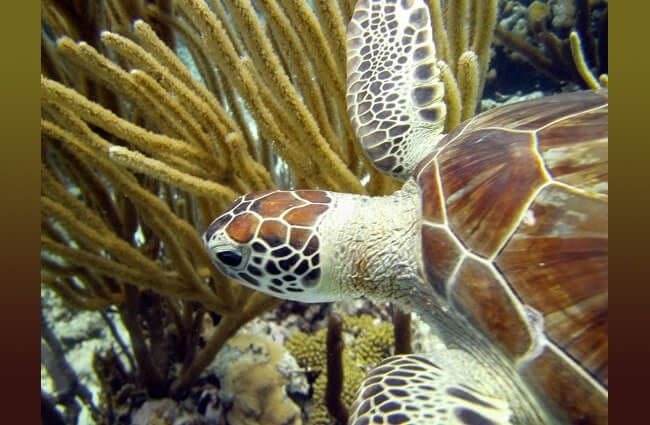
The green turtle is a testament to the resilience of life and a vital component of marine ecosystems. By understanding their biology, behavior, and the threats they face, we can contribute to their conservation and ensure that future generations can marvel at these magnificent creatures.
![Closeup of a beautiful Red Angus cowPhoto by: U.S. Department of Agriculture [pubic domain]https://creativecommons.org/licenses/by/2.0/](https://animals.net/wp-content/uploads/2020/03/Red-Angus-4-238x178.jpg "Red Angus")

![Closeup of a beautiful Red Angus cowPhoto by: U.S. Department of Agriculture [pubic domain]https://creativecommons.org/licenses/by/2.0/](https://animals.net/wp-content/uploads/2020/03/Red-Angus-4-100x75.jpg "Red Angus")