Unveiling the Grayling: A Jewel of Cold, Clear Waters
Deep within the pristine, oxygen-rich currents of northern rivers and lakes swims a fish of unparalleled elegance and beauty: the Grayling. Often overlooked in favor of its more famous salmonid cousins, this captivating creature, with its distinctive sail-like dorsal fin, holds a unique place in aquatic ecosystems and the hearts of those who seek it. From its ancient lineage to its role as a sentinel of water quality, the Grayling offers a fascinating glimpse into the delicate balance of freshwater environments.
This article delves into the world of the Grayling, exploring its biology, habitat, behavior, and its intricate relationship with both the natural world and human culture. Prepare to be enchanted by the “Lady of the Stream.”
What Exactly is a Grayling?
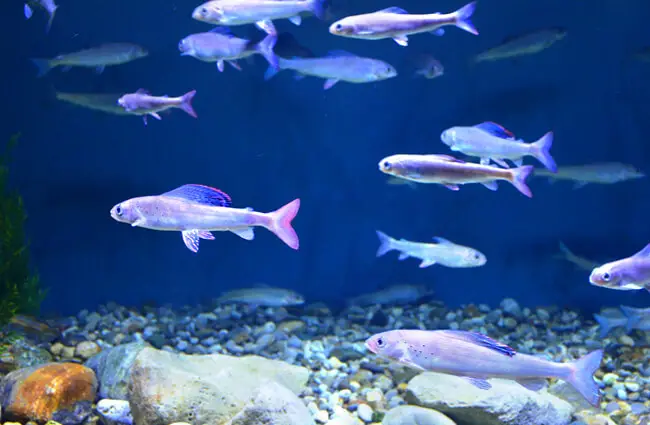
The Grayling belongs to the genus Thymallus, a group of freshwater fish within the Salmonidae family, which also includes salmon, trout, and char. While sometimes classified in its own family, Thymallidae, its close genetic ties to other salmonids are undeniable. The most widely recognized species are the European Grayling (Thymallus thymallus) and the Arctic Grayling (Thymallus arcticus), though several other regional species exist.
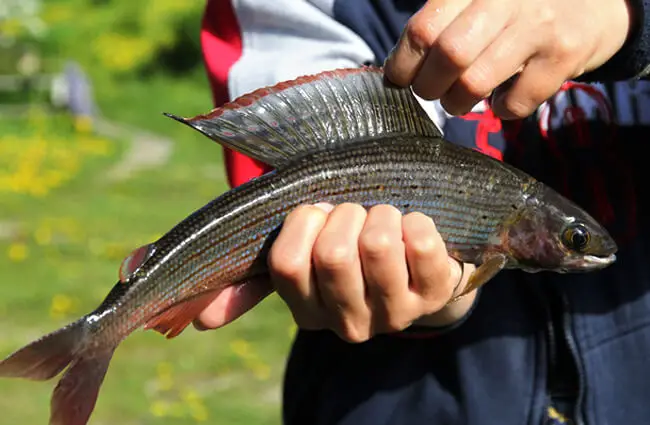
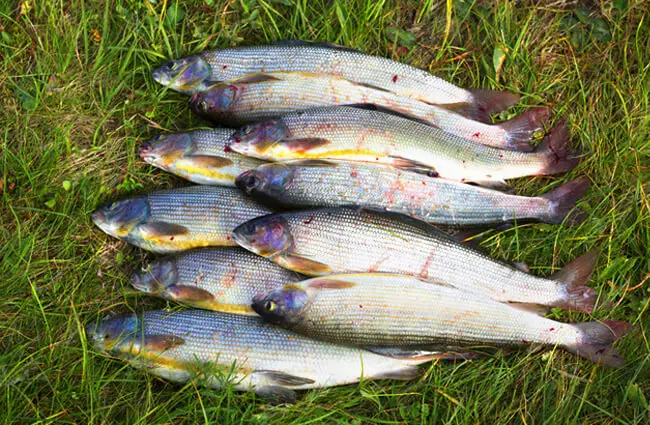
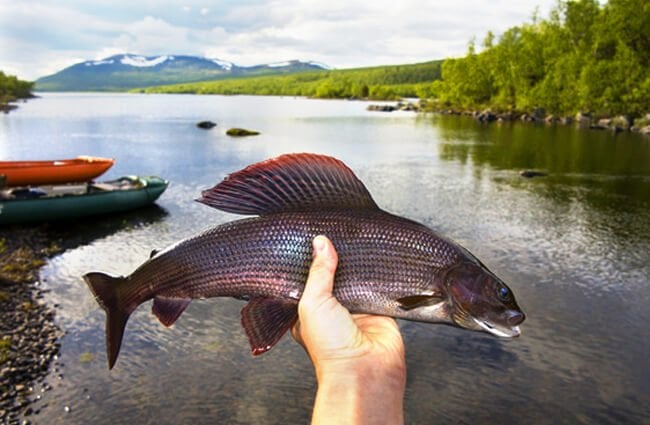
These fish are instantly recognizable by their most striking feature: a magnificent, elongated dorsal fin that resembles a flowing sail or banner. This fin is often adorned with iridescent spots and stripes, adding to the fish’s allure. Their bodies typically exhibit a silvery-gray to bluish-gray coloration, often with subtle pink or purple iridescence, particularly during spawning season. The scales are relatively large, and a small adipose fin, characteristic of salmonids, is present between the dorsal and caudal (tail) fins.
Grayling’s Habitat: Where the Water Runs Pure
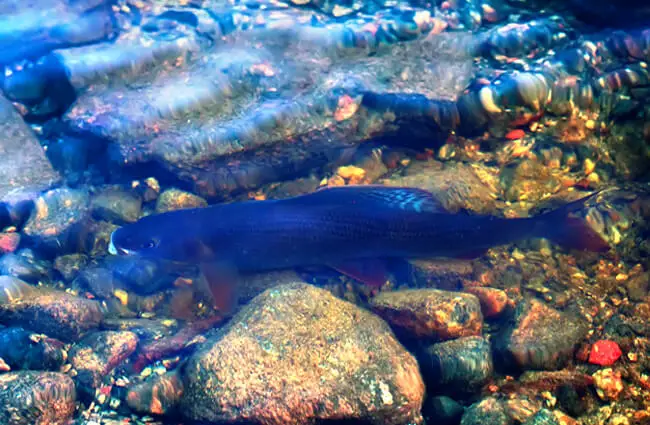
Grayling are true connoisseurs of clean, cold, and highly oxygenated water. Their preferred habitats are typically clear, fast-flowing rivers and streams, as well as cold, deep lakes. They are often found in the upper and middle reaches of river systems, where gravel or stony bottoms provide ideal conditions for spawning and foraging.
- Geographical Distribution:
- The Arctic Grayling boasts a circumpolar distribution, inhabiting rivers and lakes across North America (Alaska, Canada, parts of the contiguous United States like Montana and Michigan), and Eurasia (Siberia).
- The European Grayling is found throughout Northern and Central Europe, from the United Kingdom and Scandinavia eastward into Russia.
- Environmental Preferences:
- Temperature: They thrive in water temperatures ranging from 4°C to 18°C (39°F to 64°F), with optimal conditions often around 10-14°C (50-57°F).
- Oxygen: High dissolved oxygen levels are crucial for their survival, making them excellent indicator species for water quality.
- Substrate: They favor gravel, pebble, and cobble substrates for both feeding and reproduction.
- Cover: While often found in open water, they appreciate areas with submerged vegetation, undercut banks, or large rocks for shelter from predators and strong currents.
Understanding these habitat requirements is key for anyone hoping to observe Grayling in their natural environment.
A Grayling’s Menu: The Art of Opportunistic Feeding
Grayling are primarily insectivores, but their diet is quite varied and opportunistic, adapting to the available food sources in their environment. Their feeding behavior is often described as elegant, as they frequently rise to the surface to intercept insects, a sight cherished by anglers.
- Primary Diet Components:
- Aquatic Invertebrates: This forms the bulk of their diet. They consume a wide array of insect larvae and nymphs, including mayflies, caddisflies, stoneflies, and midges, which they pick off the riverbed or from submerged vegetation.
- Terrestrial Insects: During warmer months, Grayling readily feed on insects that fall onto the water’s surface, such as grasshoppers, ants, beetles, and flies. This surface feeding is a hallmark of their behavior.
- Crustaceans: Small crustaceans, like amphipods and isopods, are also part of their diet, especially in lake environments.
- Mollusks: Tiny snails and other mollusks can be consumed.
- Secondary Diet Components (especially for larger individuals):
- Fish Eggs: They may prey on the eggs of other fish species, including their own, if available.
- Small Fish: Larger Grayling can occasionally consume very small fish, though this is less common than their invertebrate diet.
Their diet makes them highly sensitive to changes in aquatic insect populations, further cementing their role as environmental indicators.
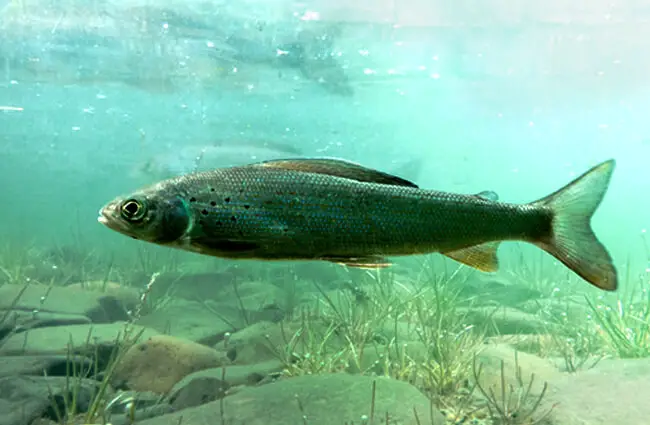
The Grayling’s Life Cycle: Mating and Reproduction
The reproductive cycle of the Grayling is a fascinating testament to their adaptation to coldwater environments. Spawning typically occurs in the spring, shortly after the ice melts, when water temperatures begin to rise but are still relatively cool.
- Spawning Season:
- Generally from March to May, depending on the specific location and water temperature.
- Spawning Habitat:
- Grayling migrate upstream to shallower, gravelly riffles and runs within rivers and streams. These areas provide the oxygenated flow necessary for egg development.
- The Spawning Process:
- Unlike some salmonids that build elaborate redds, female Grayling create shallow depressions in the gravel using their tails.
- A female will deposit her eggs into this depression, which are then fertilized externally by one or more males.
- The eggs are adhesive and stick to the gravel, where they are then covered by the female’s tail movements.
- Grayling exhibit no parental care after the eggs are laid.
- Egg Development and Fry:
- Eggs hatch within 2-4 weeks, depending on water temperature.
- The newly hatched fry are tiny and vulnerable, initially feeding on their yolk sacs before beginning to forage for microscopic invertebrates.
- Survival rates for fry are often low, making successful spawning crucial for population maintenance.
Sexual maturity is typically reached between 2 to 4 years of age, and their lifespan can range from 5 to 10 years in the wild, though this varies by species and environmental conditions.
Evolutionary Journey: An Ancient Lineage
The Grayling’s evolutionary history is deeply intertwined with the glacial cycles of the Northern Hemisphere. As members of the Salmonidae family, they share a common ancestor with trout and salmon, but their lineage diverged millions of years ago, leading to their unique morphological and ecological adaptations.
- Ancient Origins: Fossil evidence suggests that Grayling-like fish have existed for at least 20 million years, making them an ancient and resilient group.
- Glacial Refugia and Dispersal: During periods of glaciation, Grayling populations were confined to ice-free refugia. As glaciers retreated, they expanded their ranges, colonizing new river systems. This history has led to distinct genetic variations among populations, particularly between the European and Arctic Grayling.
- Adaptations: Their adaptations to cold, clear, oxygenated waters, including their streamlined bodies and efficient feeding strategies, have allowed them to thrive in these specialized environments for millennia. The large dorsal fin, while visually striking, is also thought to play a role in stability in fast currents and possibly in courtship displays.
Grayling’s Role in the Ecosystem and Interactions with Other Animals
Grayling are integral components of the freshwater ecosystems they inhabit, playing roles as both predator and prey, and serving as a vital link in the food web.
- Predator: By consuming vast quantities of aquatic insects, Grayling help regulate invertebrate populations, which can have cascading effects on algal growth and nutrient cycling.
- Prey: Young and adult Grayling are a food source for a variety of predators, including:
- Birds: Ospreys, kingfishers, herons, and mergansers.
- Mammals: Otters, mink, and bears (especially in northern regions).
- Other Fish: Larger predatory fish like pike, trout, and burbot.
- Indicator Species: Perhaps their most significant ecological contribution is their role as an indicator species. Because they require very specific conditions (cold, clean, oxygenated water), their presence or absence can signal the overall health of a river or lake ecosystem. Declining Grayling populations often indicate environmental degradation, such as pollution, habitat loss, or increased water temperatures.
Finding Grayling in the Wild: A Quest for the Keen Observer
For the animal lover or aspiring zoologist hoping to encounter a Grayling, patience and an understanding of their habitat are paramount. Hikers who stumble upon these fish should appreciate their delicate nature.
- Where to Look:
- Focus on the upper and middle reaches of rivers and streams known for their cold, clear water.
- Look for areas with gravelly bottoms, moderate currents, and good oxygenation.
- Grayling often hold in pools, runs, and riffles, sometimes near submerged structures or undercut banks.
- In lakes, they prefer cooler, deeper sections, especially near inflowing streams.
- How to Spot Them:
- Surface Activity: During insect hatches, Grayling are famous for rising to the surface to feed, creating subtle dimples or splashes. This is often the easiest way to detect their presence.
- Polarized Sunglasses: These are invaluable for cutting glare and seeing into the water.
- Stealth: Approach the water quietly and slowly. Grayling are wary fish.
- Time of Day: Early morning and late evening often provide the best viewing opportunities, especially during insect hatches.
- What to Do if You Encounter One (for hikers/observers):
- Observe from a Distance: Enjoy their beauty without disturbing them.
- Do Not Interfere: Avoid touching, chasing, or attempting to catch them unless you are a licensed angler following local regulations.
- Protect Their Habitat: Be mindful of your footprint. Do not litter, avoid disturbing stream banks, and report any signs of pollution.
Grayling and Humans: Culture, Conservation, and Coexistence
The relationship between Grayling and humans is multifaceted, encompassing cultural appreciation, recreational pursuit, and critical conservation efforts.
- Contribution to Human Culture:
- Sport Fishing: Grayling are highly prized by fly anglers, particularly for their willingness to rise to dry flies and their spirited fight. They are often referred to as the “Lady of the Stream” or “Sailfish of the North” due to their elegance and the beauty of their dorsal fin. Catch-and-release practices are common and encouraged to preserve populations.
- Indigenous Cultures: In many northern regions, particularly among indigenous communities, Arctic Grayling have historically been a significant food source and hold cultural importance.
- Symbolism: Their presence often symbolizes pristine wilderness and healthy aquatic environments.
- Interaction with Humans:
- Angling: The primary interaction for many is through recreational fishing. Responsible angling practices are crucial.
- Habitat Modification: Human activities such as dam construction, deforestation leading to increased sedimentation, agricultural runoff, and industrial pollution pose significant threats to Grayling habitats.
- Climate Change: Rising water temperatures due to climate change are a growing concern, as Grayling are highly sensitive to warmth.
- Conservation Status and Efforts:
- While some populations are stable, others are threatened or endangered due to habitat degradation and overfishing.
- Conservation efforts include:
- Habitat Restoration: Improving water quality, restoring riparian zones, and removing barriers to migration.
- Fishing Regulations: Implementing catch limits, size restrictions, and catch-and-release policies.
- Monitoring Programs: Tracking population numbers and health to inform management decisions.
- Reintroduction Programs: In areas where Grayling have been extirpated, efforts are made to reintroduce them.
Caring for Grayling in Captivity: A Zookeeper’s Guide
Keeping Grayling in a captive environment, such as a public aquarium or research facility, requires specialized knowledge and meticulous attention to their specific needs. Their sensitivity to water quality makes them a challenging, yet rewarding, species to maintain.
- Essential Tasks for Zookeepers:
- Water Quality Management:
- Maintain consistently cold water temperatures (ideally 10-14°C or 50-57°F) using chillers.
- Ensure high dissolved oxygen levels through robust aeration and filtration systems.
- Regularly monitor and maintain pristine water parameters: pH (neutral to slightly alkaline, 7.0-8.0), ammonia, nitrite, and nitrate levels must be kept at near-zero.
- Perform frequent, small water changes with dechlorinated, temperature-matched water.
- Habitat Design:
- Provide a spacious tank with strong water flow to mimic their natural riverine environment.
- Substrate should consist of smooth gravel or pebbles.
- Incorporate naturalistic elements like large rocks, driftwood, and cold-water tolerant aquatic plants to provide shelter and enrichment.
- Ensure adequate overhead cover or dim lighting to reduce stress.
- Diet and Feeding:
- Offer a varied diet of high-quality, commercially prepared salmonid pellets.
- Supplement with live or frozen foods such as bloodworms, brine shrimp, daphnia, and small insect larvae to mimic their natural diet and provide enrichment.
- Feed small amounts multiple times a day to prevent water fouling and encourage natural feeding behaviors.
- Health Monitoring:
- Regularly observe fish for signs of stress, disease, or injury (e.g., clamped fins, lethargy, abnormal swimming, lesions, loss of color).
- Quarantine new arrivals to prevent disease introduction.
- Consult with an aquatic veterinarian for any health concerns.
- Social Structure:
- Grayling can be kept in groups, but ensure adequate space to prevent territorial disputes, especially among larger individuals.
- Be mindful of tank mates; only house with other cold-water species that are not overly aggressive or prone to fin-nipping.
- Water Quality Management:
- What to Avoid:
- Overfeeding: Leads to poor water quality and health issues.
- Rapid Temperature Fluctuations: Highly stressful and potentially fatal.
- Poor Filtration/Aeration: Will quickly lead to oxygen deprivation and toxic waste buildup.
- Harsh Chemicals: Avoid using any chemicals not specifically designed and approved for sensitive cold-water fish.
- Overcrowding: Causes stress, aggression, and rapid decline in water quality.
- Sudden Movements or Loud Noises: Grayling are easily startled.
A Huge List of Interesting Grayling Facts
- “Thymallus” Meaning: The genus name Thymallus is derived from the Greek word “thymos,” meaning thyme, referring to the faint, pleasant, thyme-like scent that fresh Grayling are said to emit.
- Sail-Like Fin: The Grayling’s dorsal fin can be so large that it sometimes extends almost to the adipose fin. In males, it is typically larger and more colorful, likely used in courtship displays.
- Cold Water Specialists: They are one of the few fish species that can thrive in extremely cold, even near-freezing, water conditions, making them true survivors of the northern climes.
- Indicator of Purity: Their presence is a strong indicator of excellent water quality, making them a “canary in the coal mine” for river health.
- Long-Lived for a River Fish: While not as long-lived as some salmon or sturgeon, a Grayling living 7-10 years is considered quite old for a freshwater river fish.
- Surface Feeders Extraordinaire: Grayling are renowned for their elegant rises to the surface to snatch insects, a behavior that makes them a favorite target for fly anglers.
- Color Variations: While generally silvery-gray, their flanks can display iridescent pinks, purples, and blues, especially during spawning, making them incredibly beautiful.
- Not a True Trout: Despite often being found in trout waters and sharing the Salmonidae family, Grayling are not true trout. They belong to a distinct subfamily or family.
- Unique Scales: They possess relatively large scales compared to many other salmonids.
- Winter Activity: Unlike some fish that become dormant, Grayling remain active throughout the winter, often congregating in deeper pools with stable temperatures and good oxygen.
Conclusion: A Call to Appreciate the Grayling
From its striking appearance to its vital ecological role, the Grayling is a truly remarkable fish. It serves as a living barometer of environmental health, a challenging quarry for anglers, and a source of wonder for anyone fortunate enough to observe it in its natural habitat. As human pressures on freshwater ecosystems continue to mount, understanding and protecting the Grayling and its pristine home becomes ever more critical. By appreciating this “Lady of the Stream,” we not only safeguard a beautiful species but also commit to preserving the health of the very waters that sustain us all.
![Closeup of a beautiful Red Angus cowPhoto by: U.S. Department of Agriculture [pubic domain]https://creativecommons.org/licenses/by/2.0/](https://animals.net/wp-content/uploads/2020/03/Red-Angus-4-238x178.jpg "Red Angus")
![Closeup of a beautiful Red Angus cowPhoto by: U.S. Department of Agriculture [pubic domain]https://creativecommons.org/licenses/by/2.0/](https://animals.net/wp-content/uploads/2020/03/Red-Angus-4-100x75.jpg "Red Angus")