
The Gordon Setter, a majestic and somewhat enigmatic breed, stands as a testament to dedicated breeding for sporting prowess and a distinctive aesthetic. Often described as the “black and tan” Setter, this breed boasts a rich history, a spirited temperament, and specific needs that prospective owners should understand. This comprehensive guide delves into every facet of the Gordon Setter, from its origins to its modern-day care, providing insights for both casual enthusiasts and serious potential owners.
A History Rooted in Scottish Estates
The Gordon Setter’s story begins in the Scottish Highlands during the 17th century. While other Setter breeds trace their origins to spaniels and pointers, the Gordon Setter’s development is closely linked to the Gordon Castle, the home of the Dukes of Gordon. Alexander, the 4th Duke, established a distinct black and tan line by selectively breeding for hunting ability and appearance. These dogs were originally used to locate and point game birds, especially black game such as grouse and woodcock. Unlike many breeds that evolved significantly during the Victorian era, the Gordon Setter retained a remarkably consistent appearance, a testament to the Duke’s careful breeding program. The breed’s popularity spread throughout Britain and eventually to North America in the 19th century, where it remained valued as a capable gundog and a handsome companion.
Physical Characteristics
Size and Weight
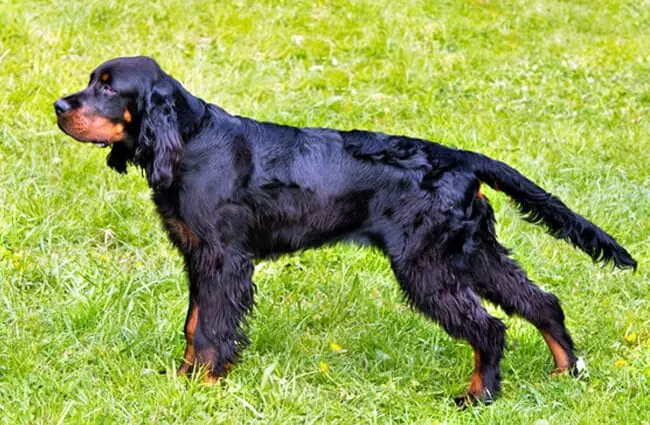
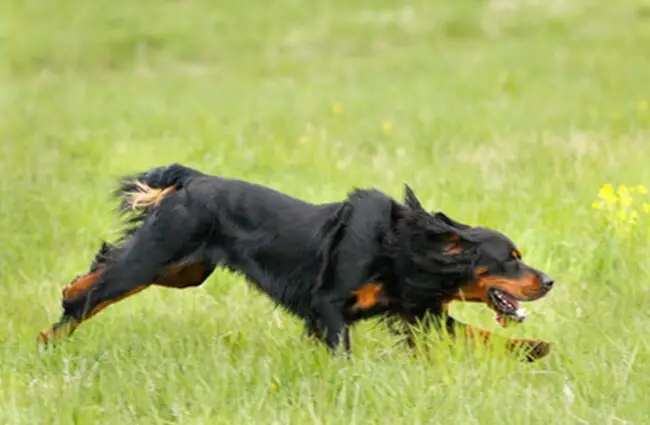
Gordon Setters are a large breed. Males typically stand between 23 and 27 inches tall at the shoulder and weigh 50 to 80 pounds. Females are slightly smaller, measuring 21 to 24 inches tall and weighing 40 to 70 pounds. Their athletic, powerful build reflects their history as active hunting dogs. A well-proportioned Gordon Setter moves with a graceful, flowing gait that is a hallmark of the breed.
Coat and Color
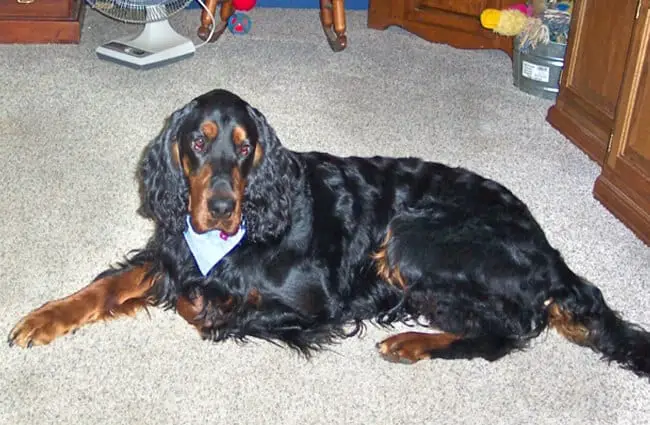
The most distinctive feature of the Gordon Setter is its striking coat. The breed’s standard color is black with tan points. These tan markings appear over the eyes, on the cheeks, inside the ears, on the chest, legs, and under the tail. The coat is dense, glossy, and somewhat flat, providing protection from harsh weather. Feathering is present on the legs, chest, and tail. Regular grooming is essential to maintain the coat’s health and appearance.
Temperament and Behavior
Gordon Setters are known for their intelligence, independence, and gentle nature. They are generally affectionate with their families but can be somewhat reserved with strangers. This reserve should not be mistaken for aggression; it is simply a characteristic of the breed’s somewhat aloof personality. A strong hunting instinct means early socialization is crucial to ensure they interact appropriately with other animals. Gordon Setters are energetic and require plenty of exercise to stay happy and healthy. Boredom can lead to destructive behavior. They are also sensitive dogs who respond best to positive reinforcement training. Harsh corrections can damage their confidence and lead to behavioral problems.
Caring for Your Gordon Setter
Exercise Needs
A minimum of one to two hours of vigorous exercise daily is essential for a Gordon Setter. This can include long walks, runs, hikes, or games of fetch. Providing opportunities for off‑leash exploration in safe, enclosed areas is also beneficial. Mental stimulation is equally important; puzzle toys, obedience training, and scent work can keep their minds engaged.
Grooming Requirements
Regular grooming is vital to maintain the Gordon Setter’s coat and prevent matting. Brushing several times a week removes loose hair and distributes natural oils. Professional grooming may be necessary every few months to trim feathering and maintain overall coat health. Ear cleaning is important, as the breed is prone to ear infections. Regular nail trimming is essential for comfort and mobility.

Training and Socialization
Early socialization is critical for Gordon Setters. Expose them to a variety of people, places, and situations from a young age to help them develop into well‑adjusted adults. Positive reinforcement training methods are the most effective for this intelligent breed. Gordon Setters can be sensitive, so patience and consistency are key. Obedience training not only provides mental stimulation but also strengthens the bond between owner and dog. They excel in activities such as agility, field trials, and scent work.
Health Considerations
Like all breeds, Gordon Setters are predisposed to certain health conditions. Hip dysplasia is a common concern, so responsible breeders should screen their dogs for this condition. Progressive retinal atrophy (PRA) and gastric dilation‑volvulus (GDV), often called bloat, are additional potential issues. Regular veterinary checkups are essential to detect and address any health problems early. Maintaining a healthy weight and providing a balanced diet can help prevent many health problems.
Is a Gordon Setter Right for You?
The Gordon Setter is a magnificent breed that can bring years of joy to the right owner. However, they are not suitable for everyone. Their energetic nature and independent spirit require a dedicated owner who can provide plenty of exercise, training, and mental stimulation. They thrive in active households where they are treated as valued members of the family. If you are willing to meet their needs, a Gordon Setter can be a loyal, affectionate, and rewarding companion.

In conclusion, the Gordon Setter, with its striking appearance and spirited temperament, is a breed steeped in history and tradition. Understanding their unique needs and providing them with the care and attention they deserve will ensure a long, happy, and fulfilling life for both dog and owner.




![Closeup of a beautiful Red Angus cowPhoto by: U.S. Department of Agriculture [pubic domain]https://creativecommons.org/licenses/by/2.0/](https://animals.net/wp-content/uploads/2020/03/Red-Angus-4-100x75.jpg "Red Angus")