The world of birds is filled with vibrant color and fascinating behaviors, and among the most delightful is the Goldfinch. These small, charismatic finches bring a splash of sunshine to gardens and wild landscapes alike. This comprehensive guide explores every facet of the Goldfinch, from its appearance and habitat to its complex life cycle and ecological role. Whether you’re a seasoned birdwatcher, a student researching avian life, or simply curious about these charming creatures, this article provides a wealth of information.
Understanding the Goldfinch
What Does a Goldfinch Look Like?
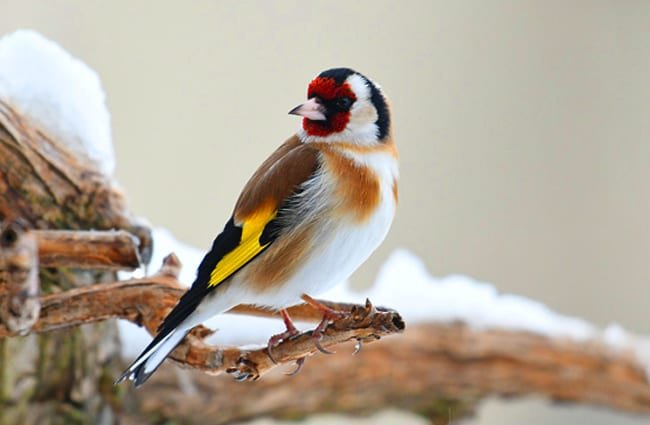
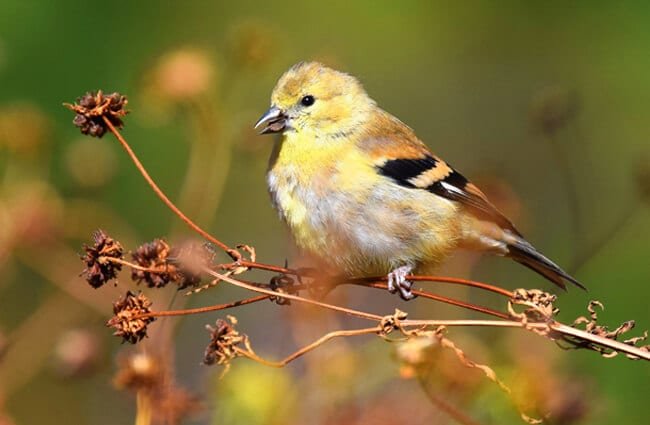
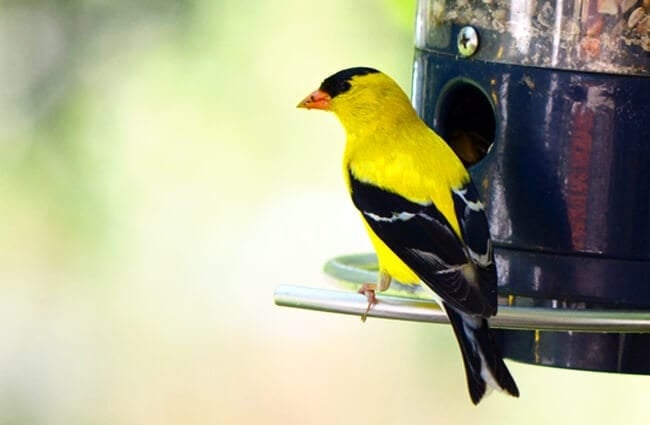
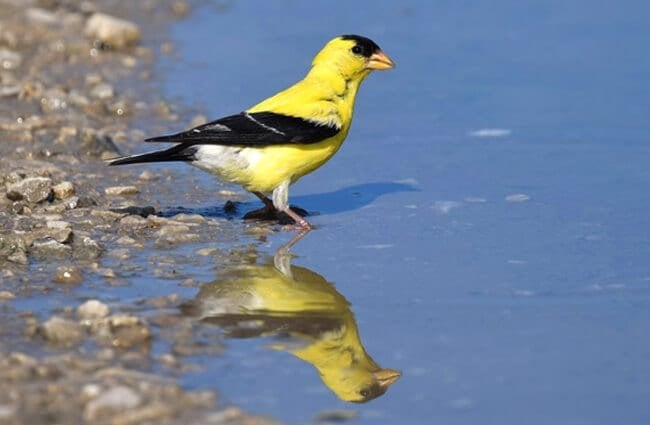
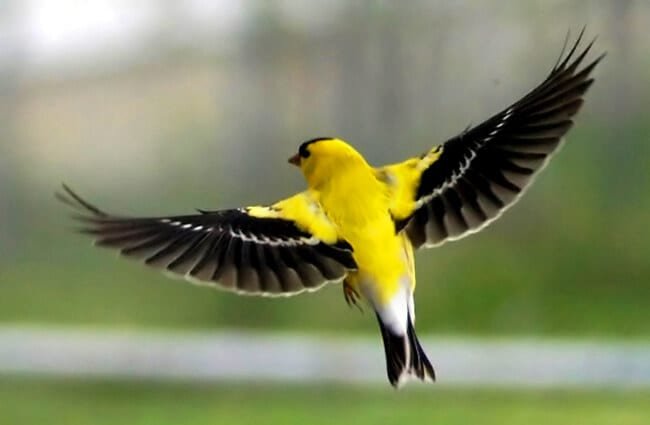
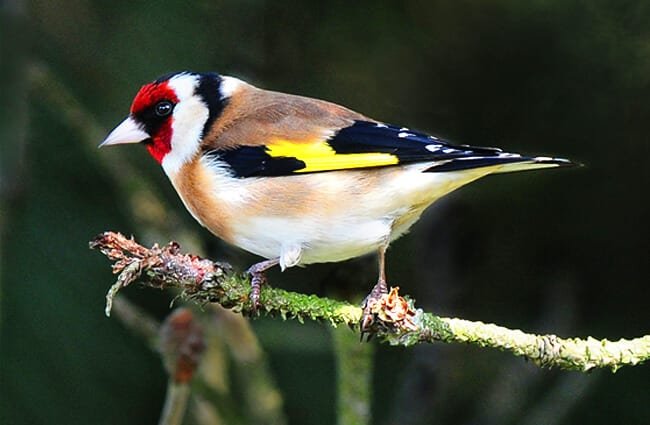
The name ‘Goldfinch’ immediately conjures images of bright yellow plumage, and rightly so. The appearance of a Goldfinch can vary depending on the species and time of year. The European Goldfinch (Carduelis carduelis) is renowned for its striking red face, black and white head, and yellow wing bars. The American Goldfinch (Spinus tristis) displays a similar color scheme, with variations in the brightness of the yellow and the extent of the black markings. During the breeding season, males show the most vivid colors to attract mates, while in winter both sexes tend to be more subdued, with duller plumage.
Where Do Goldfinches Live?
Goldfinches have a wide geographic distribution. The European Goldfinch is common throughout Europe, parts of Western Asia, and North Africa. The American Goldfinch is native to North America, ranging from Canada through the United States and into parts of Mexico. They inhabit a variety of habitats, including woodlands, gardens, meadows, and scrublands. Goldfinches are adaptable birds, thriving in both rural and urban environments, and they prefer areas with plentiful seed‑bearing plants and suitable nesting sites.
Life Cycle and Behavior
Diet and Foraging
Goldfinches are primarily seed‑eaters, specializing in the seeds of thistles, sunflowers, and other composite plants. Their diet also includes buds, berries, and occasionally insects, especially during the breeding season when young birds require protein for growth. They are adept at extracting seeds from even the toughest plants, using their specialized beaks. Goldfinches are often seen foraging in flocks, particularly during winter, and they readily visit bird feeders. Providing a feeder with thistle seed is an effective way to attract them.
Mating and Reproduction
Goldfinches are generally monogamous, forming pairs that can last for several breeding seasons. The breeding season varies by location but usually occurs in spring and summer. Males attract females through elaborate courtship displays that include singing, fluttering, and offering food. Goldfinches build neat, cup‑shaped nests made of moss, lichen, and plant fibers, often lined with thistle down to create a soft, warm interior. Females typically lay four to six eggs, which are incubated for about two weeks. Both parents feed the chicks, providing regurgitated seeds and insects. The young fledge after approximately two weeks but continue to be fed by their parents for several more weeks.
Vocalizations
Goldfinches are known for their cheerful, melodic songs. Their vocalizations differ by species and context. European Goldfinches produce a series of twittering notes and whistles, while American Goldfinches have a rapid, warbling song. They use these sounds to attract mates, defend territories, and communicate with other birds. The songs of Goldfinches are a common and welcome sound in gardens and woodlands.
Ecological Role and Interactions
Goldfinches and the Ecosystem
Goldfinches play an important role in seed dispersal, helping to propagate plants across their range. By consuming seeds and excreting them in different locations, they contribute to the health and diversity of plant communities. They also serve as prey for predators such as hawks, falcons, and domestic cats, and their presence often indicates a healthy, balanced ecosystem.
Interactions with Other Animals
Goldfinches often forage alongside other seed‑eating birds, such as sparrows and other finches, and they may compete for food resources. However, they generally coexist peacefully. They are occasionally targeted by parasitic insects, such as lice and mites, but maintain good hygiene through preening and dust bathing. Predators of goldfinches include birds of prey, but the birds are usually vigilant and quick to seek cover.
Goldfinches and Humans
Cultural Significance
Goldfinches have been admired and depicted in art and literature for centuries. In medieval paintings they often symbolize Christ’s passion, due to the association of their red face with the blood of Christ. In many cultures they are also symbols of prosperity and good fortune. Their cheerful appearance and melodious song have made them a beloved subject for poets and writers.
Observing Goldfinches in the Wild
If you are lucky enough to encounter a Goldfinch in the wild, observe it from a respectful distance. Avoid disturbing its habitat or nesting site. Providing a bird feeder with thistle seed can attract them to your garden, allowing you to enjoy their presence up close. Using binoculars can enhance your viewing experience, enabling you to appreciate their vibrant plumage and delicate features.
Caring for Goldfinches in Captivity
While it is best to observe Goldfinches in the wild, they can sometimes be kept in captivity. If you are considering keeping a Goldfinch, provide a spacious cage with plenty of perches, toys, and fresh food and water. A diet of thistle seed, sunflower seeds, and fresh greens is essential. Goldfinches are social birds, so keep them in pairs or small flocks. Regularly clean the cage and provide fresh water. Avoid exposing them to drafts or extreme temperatures, and be aware that legal restrictions may apply in some areas.
Evolutionary History
The evolutionary history of Goldfinches, like that of many bird species, is complex and still being investigated. Current scientific evidence suggests that the ancestor of modern Goldfinches originated in Eurasia millions of years ago. Over time, isolated populations diverged into distinct species, adapting to different habitats and food sources. The American Goldfinch, for example, is believed to have split from its European relatives during the Pleistocene, migrating across the Bering Land Bridge. Ongoing genetic studies continue to illuminate the relationships among Goldfinch species and their evolutionary pathways.
In conclusion, the Goldfinch is a remarkable bird species that enriches our world with its beauty, song, and ecological contributions. From its vibrant plumage and melodic song to its complex life cycle and cultural significance, the Goldfinch continues to captivate and inspire. Whether you are a seasoned birdwatcher, a student researcher, or simply an admirer of nature, the Goldfinch offers a fascinating glimpse into the wonders of the avian world.
![Closeup of a beautiful Red Angus cowPhoto by: U.S. Department of Agriculture [pubic domain]https://creativecommons.org/licenses/by/2.0/](https://animals.net/wp-content/uploads/2020/03/Red-Angus-4-238x178.jpg "Red Angus")
![Closeup of a beautiful Red Angus cowPhoto by: U.S. Department of Agriculture [pubic domain]https://creativecommons.org/licenses/by/2.0/](https://animals.net/wp-content/uploads/2020/03/Red-Angus-4-100x75.jpg "Red Angus")