
Among the most captivating creatures to grace our planet, geckos stand out as true marvels of evolution. These small to medium-sized lizards, renowned for their incredible climbing abilities and distinctive vocalizations, have adapted to an astonishing array of environments across the globe. From arid deserts to lush rainforests and even bustling urban landscapes, geckos thrive, showcasing a remarkable blend of resilience and specialized traits that make them subjects of endless fascination for scientists and nature enthusiasts alike.
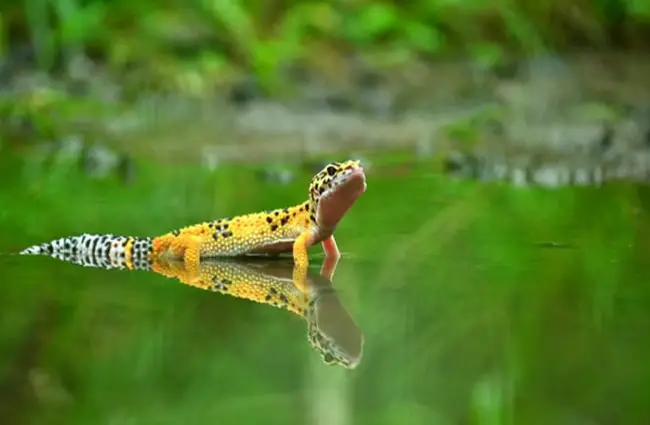
The World of Geckos: An Introduction to a Diverse Family
Geckos belong to the infraorder Gekkota, a vast and diverse group encompassing over 2,000 species. Their size varies significantly, with some of the smallest species measuring just a few centimeters from snout to tail tip, while the largest, like the New Caledonian giant gecko, can exceed 35 centimeters. Most geckos are nocturnal, emerging under the cover of darkness to hunt for insects and other small invertebrates, though some species are diurnal, active during the day.
One of their most iconic features is their ability to cling to almost any surface, from smooth glass to rough bark, defying gravity with apparent ease. This extraordinary feat is attributed to their specialized toe pads, a subject we will explore in greater detail. Beyond their climbing prowess, geckos are also known for their unique vocalizations, which range from chirps and clicks to barks and croaks, often used for communication during mating or territorial disputes.
Where Geckos Call Home: A Global Presence
Geckos are found on every continent except Antarctica, demonstrating an incredible adaptability to diverse climates and ecosystems. Their habitats span a wide spectrum, including:
- Tropical Rainforests: Many species thrive in the humid, dense foliage of rainforests, using their climbing abilities to navigate trees.
- Arid Deserts: Some geckos have evolved specialized adaptations, such as shovel-like snouts for burrowing, to survive extreme desert conditions.
- Rocky Outcrops and Mountains: Certain species prefer rocky terrains, using crevices for shelter.
- Coastal Areas: Geckos can be found in sandy coastal regions, often near vegetation.
- Urban Environments: Many species, particularly the common house gecko, have successfully adapted to living alongside humans, finding shelter and food in homes and buildings.
For an animal lover hoping to spot a gecko in the wild, the best approach is to look in warm climates, particularly at night. Check under rocks, logs, loose bark, or even on walls and ceilings of buildings in tropical and subtropical regions. Their excellent camouflage means patience and a keen eye are essential.
The Secrets of Gecko Anatomy: Evolutionary Masterpieces
The gecko’s body is a testament to millions of years of evolutionary refinement, boasting several unique adaptations that contribute to its survival and success.
The Marvel of Sticky Feet
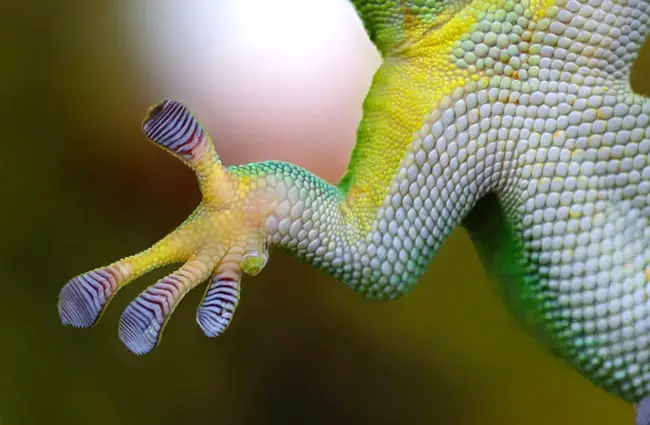
Perhaps the most famous gecko adaptation is their incredible ability to cling to surfaces. This is not due to suction or sticky secretions, but rather a sophisticated biomechanical system. Their feet are covered in microscopic ridges called lamellae, which in turn are covered with millions of even tinier hair-like structures called setae. Each seta branches into hundreds of even smaller spatulae. These spatulae are so fine that they interact with surfaces at a molecular level, creating weak intermolecular forces known as van der Waals forces. The sheer number of these interactions generates enough adhesive force to support the gecko’s entire body weight, even allowing them to hang upside down with ease. The gecko can control this adhesion by changing the angle of its setae, allowing for effortless attachment and detachment.
Eyes Without Lids
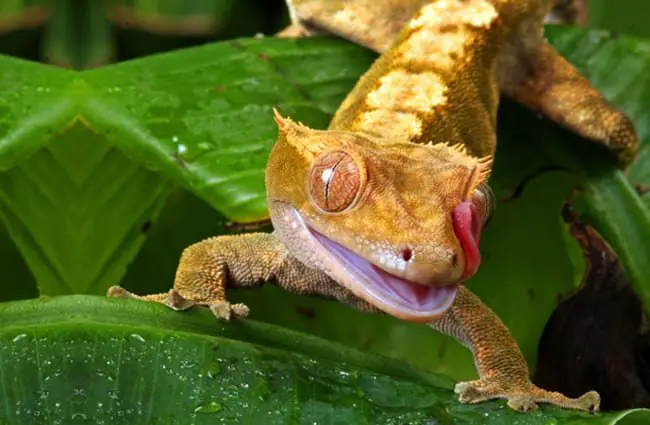
Most geckos lack eyelids. Instead, their eyes are protected by a transparent membrane called a spectacle, which is essentially a fused, clear scale. To keep their eyes clean and moist, geckos often lick their spectacles with their long, agile tongues. This unique feature gives them a distinct, often wide-eyed appearance.
The Remarkable Tail: Autotomy and Regeneration
Many gecko species possess the ability of autotomy, meaning they can voluntarily detach their tails when threatened. This serves as a crucial defense mechanism, distracting predators while the gecko makes its escape. The detached tail often wiggles for several minutes, further drawing attention away from the fleeing lizard. Remarkably, geckos can regenerate their tails, though the new tail may differ slightly in color and texture and often lacks the bony vertebrae of the original, instead being supported by cartilage. The tail also serves as a vital fat storage organ, providing energy reserves during lean times.
Skin and Camouflage
Gecko skin is typically soft and velvety, covered in small, granular scales. They regularly shed their skin, a process called ecdysis, often eating the shed skin to recover nutrients. Their coloration is incredibly diverse, ranging from drab browns and greens for camouflage against bark and rocks, to vibrant yellows, blues, and reds in some species. Many geckos can also change the intensity of their skin color to better blend with their surroundings or to regulate body temperature.
Gecko Diet: What Fuels These Agile Hunters
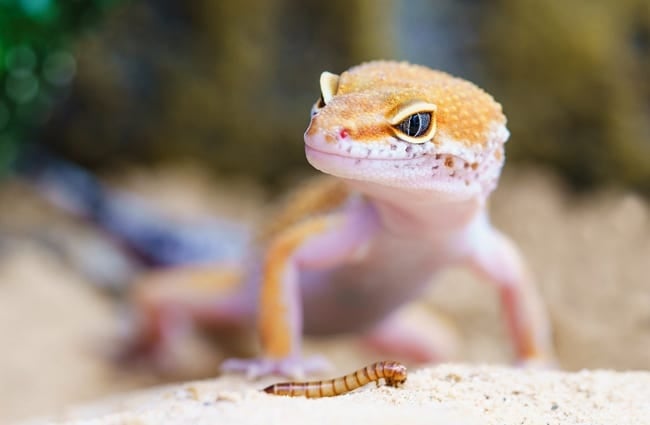
The diet of geckos is primarily insectivorous, though many species are opportunistic omnivores, especially those that consume fruit and nectar. Their keen eyesight, even in low light, and quick reflexes make them efficient predators.
Primary Food Sources
- Insects: Crickets, grasshoppers, moths, beetles, cockroaches, and spiders form the bulk of a gecko’s diet.
- Other Invertebrates: Small worms and other soft-bodied invertebrates are also consumed.
- Fruit and Nectar: Many arboreal (tree-dwelling) species, such as crested geckos and day geckos, supplement their diet with ripe fruits, pollen, and nectar. This provides them with essential sugars and vitamins.
- Smaller Lizards and Mammals: Larger gecko species may occasionally prey on smaller lizards, young rodents, or even other geckos.
Hunting Strategies
Most geckos are ambush predators, patiently waiting for unsuspecting prey to pass by before launching a swift attack. Their excellent camouflage allows them to remain hidden until the opportune moment. Nocturnal species rely on their superior night vision to hunt in the dark.
Reproduction and Life Cycle: The Next Generation of Geckos
Gecko reproduction varies among species, but generally involves internal fertilization and the laying of eggs.
Mating Rituals
During the breeding season, male geckos often engage in courtship displays, which can include head bobbing, tail waving, and vocalizations to attract females and ward off rival males. Males typically bite the female’s neck during copulation to hold her in place.
Egg Laying and Incubation
Most gecko species are oviparous, meaning they lay eggs. Females typically lay clutches of one to two eggs at a time, often several times a year. The eggs are usually soft and leathery when laid, hardening over time, or in some species, they are hard-shelled from the start. Females will seek out safe, hidden locations to deposit their eggs, such as under rocks, in crevices, or buried in substrate. The incubation period varies greatly depending on the species and environmental temperature, ranging from a few weeks to several months. Temperature can also influence the sex of the hatchlings in some species, a phenomenon known as temperature-dependent sex determination.
Hatchlings and Parental Care
Once hatched, young geckos are miniature versions of the adults and are entirely independent. Parental care is generally absent in geckos; the hatchlings must immediately fend for themselves, seeking food and avoiding predators. Their lifespan in the wild can range from 5 to 10 years, though some species can live much longer in captivity.
The Ancient Lineage: Gecko Evolution History
The evolutionary history of geckos is a long and fascinating journey, tracing back tens of millions of years. Fossil evidence suggests that geckos are an ancient group of lizards, with some of the earliest known gecko fossils dating back to the Late Cretaceous period, approximately 100 million years ago. This makes them contemporaries of the dinosaurs.
Over geological time, geckos have undergone significant diversification, adapting to a vast array of ecological niches. The development of their unique adhesive toe pads is a key evolutionary innovation that allowed them to exploit arboreal and vertical habitats, leading to their widespread success. Genetic studies continue to refine our understanding of gecko phylogeny, revealing complex relationships between different families and genera, and highlighting the incredible adaptive radiation that has occurred within this group.
Geckos in the Ecosystem and Human Interaction
Ecological Contributions
Geckos play a vital role in their ecosystems. As insectivores, they act as natural pest controllers, helping to regulate insect populations. This is particularly beneficial in agricultural areas where they consume crop-damaging pests. Conversely, geckos themselves serve as a food source for a variety of predators, including snakes, birds, larger lizards, and small mammals, thereby contributing to the food web.
Geckos in Human Culture
Throughout history, geckos have held various cultural significances. In some cultures, they are seen as symbols of good luck or fertility. In others, their nocturnal habits and sometimes startling vocalizations have led to superstitions or associations with spirits. Their distinctive chirps and calls are often a familiar sound in tropical homes, leading to their integration into local folklore and traditions.
Interaction with Humans
For the most part, geckos are harmless to humans. Many species, like the common house gecko, are welcomed guests in homes, as they diligently hunt mosquitoes, flies, and other household pests. They are generally shy and will flee if approached. If a hiker encounters a gecko in the wild, the best course of action is to observe it from a distance without disturbing its natural behavior. There is no need to intervene or attempt to catch it. Their presence is a sign of a healthy ecosystem.
However, the pet trade has led to some species being collected from the wild, impacting their populations. Habitat loss and the introduction of invasive species also pose threats to certain gecko populations, highlighting the importance of conservation efforts.
A Zookeeper’s Guide to Gecko Care
Caring for geckos in captivity requires a thorough understanding of their specific needs to ensure their health and well-being. Aspiring zoologists and zookeepers will find these insights crucial.
Enclosure Requirements
- Size: The enclosure size depends on the gecko species. Arboreal species need vertical space, while terrestrial species require more floor space. A general rule is to provide enough room for movement and enrichment.
- Temperature: Maintain a species-appropriate temperature gradient, typically with a warm basking spot and a cooler area. Nocturnal geckos still require a daytime temperature cycle. Use thermometers to monitor.
- Humidity: Many gecko species require specific humidity levels, often achieved through misting or a humid hide. Hygrometers are essential for monitoring.
- Substrate: Use appropriate substrate, such as coco fiber, cypress mulch, or paper towels, avoiding anything that could cause impaction if ingested.
- Climbing Structures and Hides: Provide plenty of branches, cork bark, artificial plants, and secure hiding spots to mimic their natural environment and reduce stress.
- Lighting: While many geckos are nocturnal, a natural light cycle is beneficial. Some species, particularly diurnal ones, may require UVB lighting.
Dietary Needs in Captivity
- Insectivores: Feed a variety of gut-loaded insects (crickets, dubia roaches, mealworms, black soldier fly larvae) dusted with calcium and multivitamin supplements.
- Omnivores: For species that eat fruit and nectar, offer commercial gecko diets specifically formulated for omnivorous geckos, supplemented with insects.
- Water: Always provide fresh, clean water in a shallow dish. Mist the enclosure regularly for species that drink water droplets.
Handling and Interaction
Geckos are generally not keen on being handled. Minimal handling is best to reduce stress. If handling is necessary, do so gently and support their entire body. Avoid grabbing their tails, as this can trigger autotomy.
Common Health Issues and Prevention
- Metabolic Bone Disease (MBD): Caused by calcium deficiency or improper UVB. Prevent with proper supplementation and lighting.
- Respiratory Infections: Often due to incorrect temperature or humidity.
- Parasites: Regular fecal exams can help detect and treat internal parasites.
- Shedding Issues: Can occur if humidity is too low. Provide a humid hide.
What to Avoid
- Impaction: Avoid substrates like sand or small gravel that can be ingested and cause blockages.
- Overfeeding: Can lead to obesity and other health problems.
- Inconsistent Temperatures/Humidity: Fluctuations can stress geckos and lead to illness.
- Toxic Plants: Ensure any live plants in the enclosure are non-toxic.
- Loud Noises/Sudden Movements: These can cause stress.
A Huge List of Interesting Gecko Facts
Dive deeper into the world of geckos with these fascinating tidbits:
- Nocturnal Hunters: Most geckos are active at night, using their large eyes to navigate in low light.
- Vocal Communicators: Unlike many lizards, geckos are quite vocal, using chirps, barks, and clicks for communication.
- Sticky Feet, Not Sticky Skin: Their famous climbing ability comes from specialized toe pads, not overall sticky skin.
- Tail Autotomy: Many species can drop their tails as a defense mechanism, which then regrows.
- Eyelid-less Wonders: Most geckos lack eyelids and instead clean their eyes with their tongues.
- Temperature-Dependent Sex Determination: In some species, the incubation temperature of the eggs determines the sex of the hatchlings.
- Ancient Lineage: Geckos have been around for at least 100 million years, predating many modern animal groups.
- Diverse Diets: While primarily insectivores, many geckos also enjoy fruit, nectar, and pollen.
- Masters of Camouflage: Their skin patterns and colors allow them to blend seamlessly into their environments.
- Global Distribution: Found on every continent except Antarctica, thriving in diverse habitats.
- House Guests: Many species, like the common house gecko, live comfortably alongside humans, eating household pests.
- Nocturnal Vision: Their eyes are highly adapted for night vision, with pupils that can constrict to a series of pinholes in bright light.
- Self-Cleaning Feet: The microscopic structures on their feet are self-cleaning, allowing them to maintain their adhesive properties.
- Longevity: While wild geckos live 5-10 years, some captive individuals can live for 20 years or more with proper care.
Conclusion: The Enduring Allure of Geckos
From their gravity-defying acrobatics to their ancient lineage and vital ecological roles, geckos are truly extraordinary creatures. They represent a pinnacle of evolutionary adaptation, showcasing how specialized traits can lead to widespread success across the planet. Whether observed clinging to a rainforest leaf, scurrying across a desert rock, or even chirping from a living room wall, geckos offer a constant reminder of the intricate beauty and wonder of the natural world. Their continued study not only enriches our understanding of biodiversity but also inspires innovations in fields from robotics to materials science, proving that these small lizards have a much larger impact than their size might suggest.
![Closeup of a beautiful Red Angus cowPhoto by: U.S. Department of Agriculture [pubic domain]https://creativecommons.org/licenses/by/2.0/](https://animals.net/wp-content/uploads/2020/03/Red-Angus-4-238x178.jpg "Red Angus")


![Closeup of a beautiful Red Angus cowPhoto by: U.S. Department of Agriculture [pubic domain]https://creativecommons.org/licenses/by/2.0/](https://animals.net/wp-content/uploads/2020/03/Red-Angus-4-100x75.jpg "Red Angus")