The Gadwall, a subtly beautiful duck often overlooked, is a fascinating creature with a rich natural history and a vital role in wetland ecosystems. This guide delves into the world of Anas strepera, exploring its appearance, habitat, behavior, and its interactions with both the environment and humans.
A Closer Look at the Gadwall
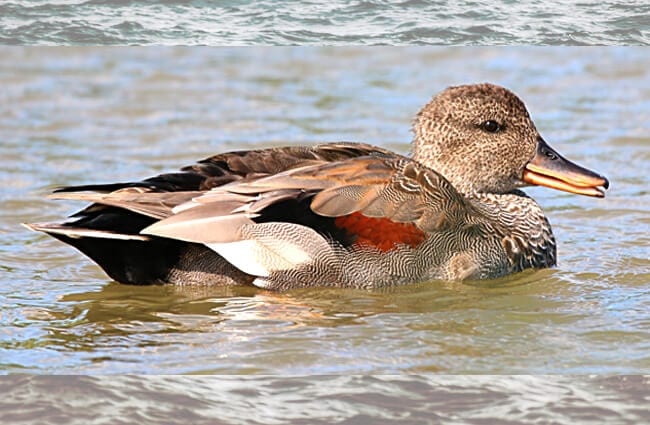
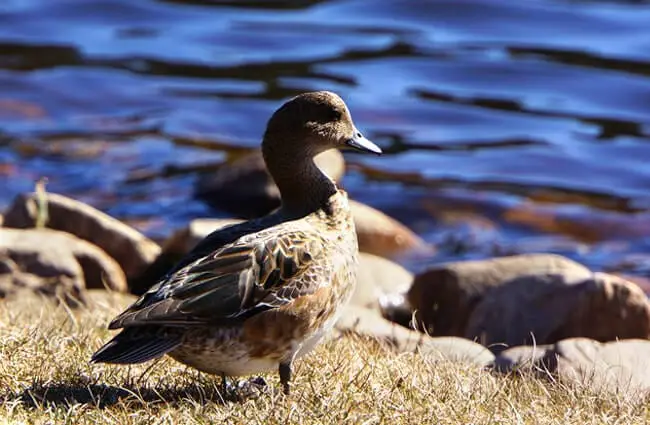
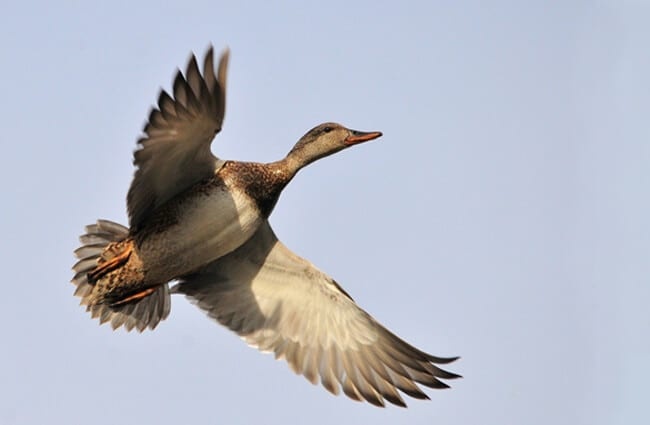
The Gadwall is a medium sized duck, easily identified by its relatively small size and somewhat understated plumage. Males, known as drakes, showcase a handsome gray body with a black rear end and a white speculum, the iridescent patch on the wing. They sport a chestnut colored head, a white collar, and a black bill. Females, or hens, are mottled brown, providing excellent camouflage within their wetland habitats. Both sexes possess a blue wing patch, visible during flight. Gadwalls are generally quieter than other duck species, often communicating with soft whistles and murmurs.
Physical Characteristics
- Size: 51-64 cm (20-25 inches) in length
- Weight: 800-1300 g (1.8-2.9 lbs)
- Wingspan: 88-100 cm (35-39 inches)
- Lifespan: Typically 8-14 years in the wild, but can live longer in captivity
Habitat and Distribution
Gadwalls are widespread, breeding in temperate and subtropical regions of North America, Europe, Asia, and North Africa. They prefer freshwater habitats such as marshes, swamps, ponds, lakes, and river backwaters. They are often found in vegetated areas, utilizing emergent plants for cover and foraging. While they are generally migratory, some populations may remain resident in milder climates. During the winter months, they can be found in coastal estuaries and sheltered bays.
Diet and Foraging Behavior
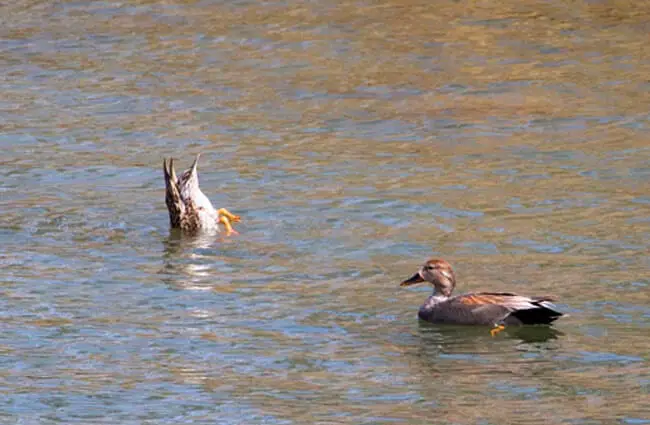
Unlike many dabbling ducks that primarily feed on the surface, Gadwalls are predominantly aquatic vegetation feeders. Their diet consists of pondweeds, wild celery, and other submerged plants. They also consume seeds, grains, and occasionally aquatic insects. Gadwalls often forage by tipping upside down in the water, reaching for submerged vegetation with their bills. This behavior, known as upending, is a characteristic trait of the species. They will also graze on land, particularly during the breeding season, seeking out nutritious seeds and grasses.
Reproduction and Life Cycle
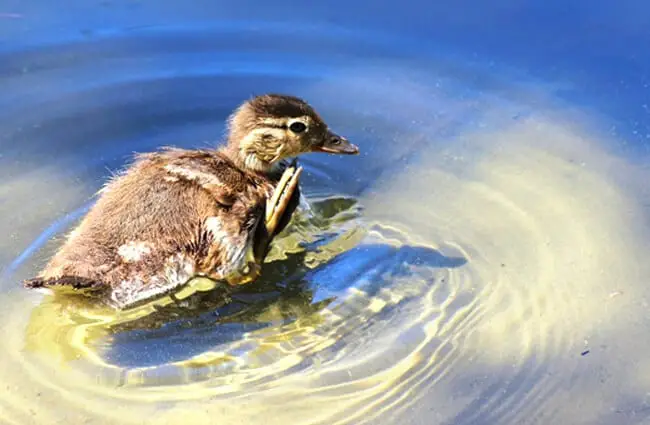
Gadwalls are generally monogamous, forming pair bonds that may last for several years. Breeding typically occurs in the spring. The female selects a nesting site, usually concealed among vegetation near the water’s edge. She constructs a shallow depression lined with grasses and down feathers. She lays a clutch of 7-12 eggs and incubates them for approximately 23-25 days. Ducklings are precocial, meaning they are able to swim and feed themselves shortly after hatching. They are highly vulnerable to predators during their first few weeks of life. The young Gadwalls fledge (develop flight feathers) at around 35-42 days old.
Gadwall Behavior and Social Structure
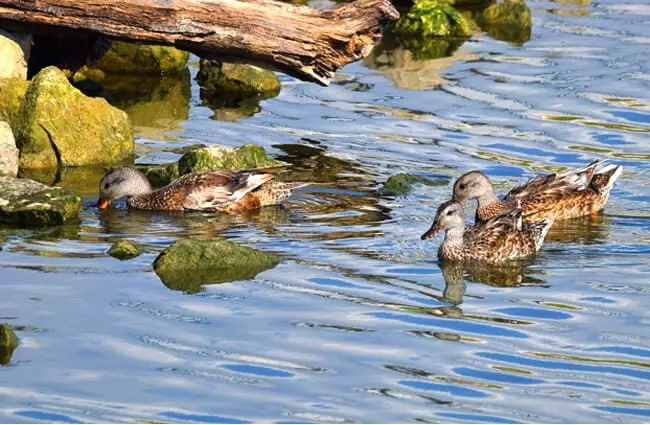
Gadwalls are relatively social ducks, often forming small flocks outside of the breeding season. They are less vocal than many other duck species, but communicate using a variety of soft whistles and calls. Drakes will often engage in elaborate courtship displays, involving head pumping, whistling, and wing flicking, to attract the attention of hens. Gadwalls are generally shy and wary birds, quickly taking flight if disturbed. They are often observed swimming in a relaxed manner, with their bodies low in the water.
Ecological Role and Interactions
Gadwalls play a vital role in wetland ecosystems. Their foraging activities help to distribute seeds and maintain plant diversity. They also serve as an important food source for predators, including foxes, hawks, and eagles. Gadwalls often coexist with other duck species, but may compete for resources in areas with high population densities. They are known to hybridize with other Anas ducks, such as Mallards and American Wigeons.
Gadwall and Human Interactions
Gadwalls have been historically hunted for sport and food. While hunting regulations now help to manage populations, they remain a target for hunters in some areas. Habitat loss and degradation due to agricultural runoff, urbanization, and wetland drainage pose the greatest threats to Gadwall populations. Conservation efforts focused on protecting and restoring wetland habitats are crucial for ensuring their long term survival. Gadwalls are occasionally kept in captivity in waterfowl collections and zoos.
For the Avid Birder: Gadwall Identification Tips
Identifying Gadwalls can be straightforward with a little practice. Focus on these key features:
- Size and Shape: Medium sized, with a relatively long, slender body.
- Male Plumage: Gray body, black rear end, chestnut head, white collar.
- Female Plumage: Mottled brown, similar to a female Mallard, but generally more subtle.
- Speculum: White patch on the wing, bordered by black and blue.
- Behavior: Often seen tipping upside down to feed.
A Zookeeper’s Guide to Gadwall Care
Providing optimal care for Gadwalls in captivity requires specific attention to their needs:
- Enclosure Design: A spacious enclosure with a large pond or water feature is essential. Provide ample vegetation for cover and foraging.
- Diet: Offer a balanced diet of waterfowl pellets, chopped greens, seeds, and aquatic plants.
- Water Quality: Maintain excellent water quality through regular filtration and cleaning.
- Socialization: Provide opportunities for social interaction with other Gadwalls.
- Health Monitoring: Regularly monitor birds for signs of illness or injury.
Gadwall: A Glimpse into Evolutionary History
The Gadwall belongs to the tribe Anatini within the Anatidae family, which encompasses all ducks, geese, and swans. The evolutionary origins of the Gadwall can be traced back to ancient waterfowl that inhabited North America and Eurasia. Fossil records suggest that early ancestors of the Gadwall were similar in appearance to modern dabbling ducks. Over millions of years, the Gadwall evolved its unique plumage, foraging behavior, and ecological niche. Genetic studies have helped to clarify the evolutionary relationships between the Gadwall and other duck species, revealing its close ties to the Wigeon and Pintail.
Encountering a Gadwall in the Wild
If you encounter a Gadwall while hiking or birdwatching, observe it from a respectful distance. Avoid approaching too closely, as this may cause the bird to become startled and fly away. Do not attempt to feed the bird, as this can disrupt its natural foraging behavior. If you see a Gadwall that appears injured or distressed, contact your local wildlife rehabilitation center for assistance.
Fun Facts About Gadwalls
- Gadwalls are known as “dusk ducks” because they are often most active during twilight hours.
- The name “Gadwall” is derived from the Old English words “gad” meaning spear and “wall” meaning a rounded lump.
- Gadwalls are highly adaptable and can thrive in a variety of wetland habitats.
- Gadwalls play an important role in seed dispersal and maintaining plant diversity in wetland ecosystems.
The Gadwall, with its understated beauty and vital ecological role, deserves our appreciation and protection. By understanding its natural history and contributing to wetland conservation efforts, we can help ensure that this remarkable duck continues to thrive for generations to come.
![Closeup of a beautiful Red Angus cowPhoto by: U.S. Department of Agriculture [pubic domain]https://creativecommons.org/licenses/by/2.0/](https://animals.net/wp-content/uploads/2020/03/Red-Angus-4-238x178.jpg "Red Angus")
![Closeup of a beautiful Red Angus cowPhoto by: U.S. Department of Agriculture [pubic domain]https://creativecommons.org/licenses/by/2.0/](https://animals.net/wp-content/uploads/2020/03/Red-Angus-4-100x75.jpg "Red Angus")