Deep within the ancient forests of Madagascar lurks a creature of mystery and myth, an animal often mistaken for a wild cat, yet possessing a lineage all its own. This is the Fossa, a truly unique predator that stands as the island’s largest native carnivore. With its sleek, muscular body, retractable claws, and incredible agility, the Fossa embodies the wild spirit of its isolated home, captivating scientists and nature enthusiasts alike.
Unveiling the Fossa: Madagascar’s Enigmatic Apex Predator
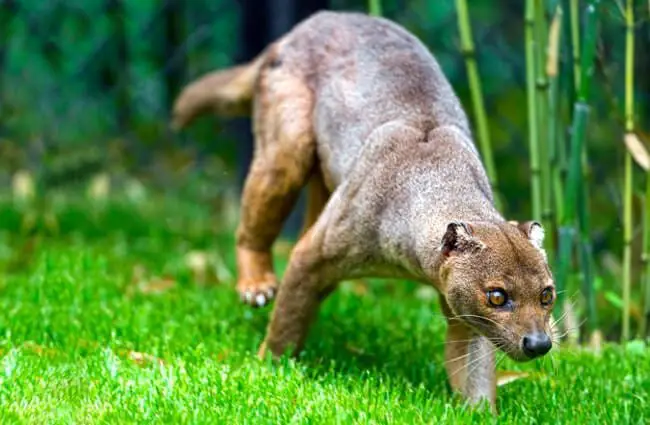
The Fossa, scientifically known as Cryptoprocta ferox, is a fascinating mammal that defies easy categorization. While its appearance might suggest a feline, it is actually a member of the Eupleridae family, a group of carnivores endemic to Madagascar. This unique evolutionary path has resulted in an animal perfectly adapted to its island environment, filling the ecological niche often occupied by large cats on other continents.
What is a Fossa? Appearance and Classification
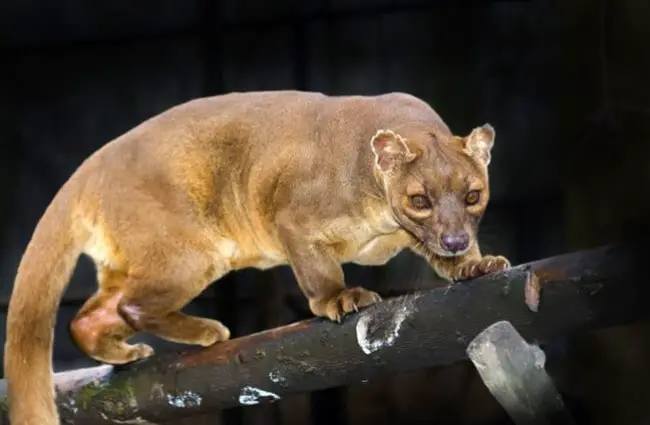
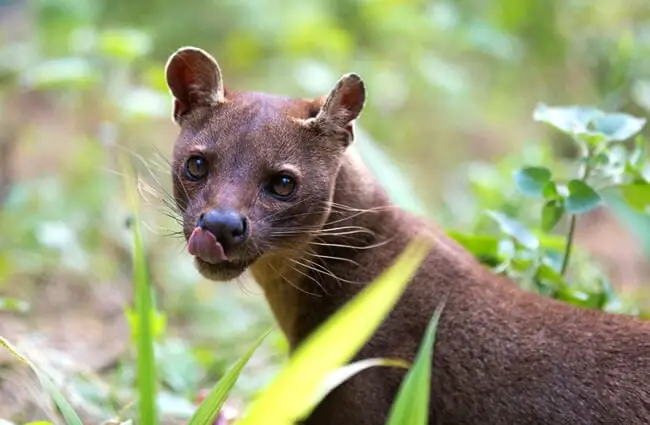
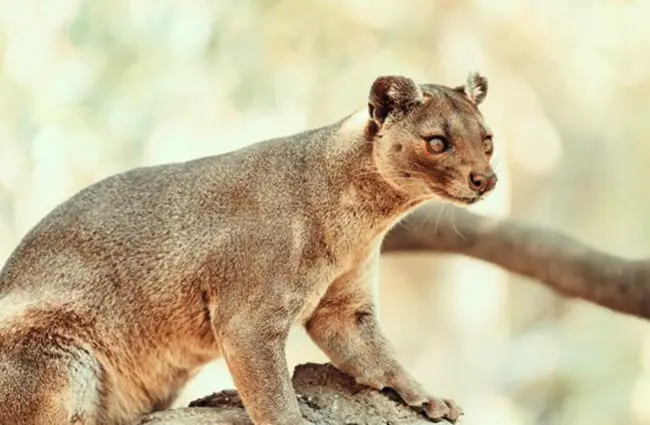
Imagine a creature that seems to be a blend of several animals: the lithe body of a puma, the short, sleek fur of an otter, and the long, balancing tail of a monkey. That is the Fossa. Adults typically measure between 60 to 80 centimeters (24 to 31 inches) in body length, with an equally long tail that can reach up to 90 centimeters (35 inches). Their weight ranges from 5 to 12 kilograms (11 to 26 pounds), with males generally larger than females. Their fur is a uniform reddish-brown, providing excellent camouflage within the forest canopy and undergrowth. Key features include:
- Powerful Build: Muscular limbs and a flexible spine allow for incredible agility and strength.
- Retractable Claws: Similar to cats, these sharp claws aid in climbing and gripping prey.
- Large Eyes: Adapted for nocturnal hunting, providing excellent low-light vision.
- Long Tail: Essential for balance when navigating trees, acting like a counterweight.
- Unique Dentition: Sharp, pointed teeth and powerful jaws are perfect for a carnivorous diet.
Where Do Fossas Live? Habitat and Distribution
The Fossa is found exclusively on the island of Madagascar, a biodiversity hotspot off the southeastern coast of Africa. Its habitat preferences are quite broad, reflecting its adaptability. Fossas can be found in:
- Tropical Rainforests: Dense, humid forests with abundant tree cover.
- Dry Deciduous Forests: Areas with a distinct wet and dry season, where trees shed leaves.
- Spiny Forests: Unique arid regions characterized by thorny vegetation.
They are primarily arboreal, spending a significant amount of time in trees, but also move efficiently on the ground. Their distribution spans across the island, from coastal regions to mountainous areas, as long as sufficient forest cover and prey are available. However, their populations are fragmented due to widespread habitat destruction.
What Do Fossas Eat? A Specialized Diet
As Madagascar’s top native predator, the Fossa’s diet is diverse but heavily reliant on the island’s most iconic inhabitants: lemurs. These primates constitute a significant portion of the Fossa’s meals, showcasing the predator’s exceptional hunting skills. However, the Fossa is an opportunistic hunter and will consume a variety of other animals, including:
- Lemurs: From small mouse lemurs to larger indris, Fossas are adept at catching them in the trees.
- Birds: Especially ground-nesting or low-flying species.
- Reptiles: Chameleons, snakes, and lizards are also on the menu.
- Amphibians: Frogs can be a supplementary food source.
- Rodents: Various native rats and mice.
- Insects: Occasionally consumed, particularly by younger or smaller individuals.
- Livestock: In areas close to human settlements, Fossas may occasionally prey on domestic fowl, which unfortunately leads to conflict with local communities.
Their hunting strategy involves stealth and agility. They stalk their prey silently, often using their powerful legs to leap across branches or pounce from above. Their strong jaws and sharp teeth ensure a swift kill.
Fossa’s Lifestyle: Solitary and Secretive
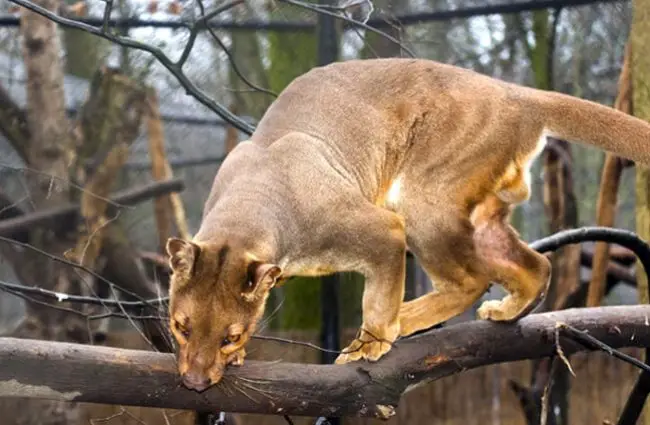
Fossas are largely solitary animals, coming together primarily for mating. They are also predominantly nocturnal and crepuscular, meaning they are most active during the night, and at dawn and dusk. This secretive nature makes them incredibly difficult to spot in the wild. Their arboreal prowess is remarkable; they can climb trees headfirst or tailfirst, navigate narrow branches with ease, and even leap considerable distances between trees. When on the ground, they move with a low, slinking gait, constantly alert to their surroundings.
A Deeper Dive: Fossa Biology and Ecology
For aspiring zoologists and researchers, the Fossa offers a wealth of fascinating biological and ecological insights, from its unique evolutionary path to its critical role in the Malagasy ecosystem.
Evolutionary Journey: Madagascar’s Apex Predator
The Fossa’s evolutionary history is a compelling tale of isolation and adaptation. It belongs to the family Eupleridae, a group of carnivores that are believed to have descended from a single mongoose-like ancestor that rafted to Madagascar from Africa approximately 18 to 24 million years ago. This ancestral carnivore then diversified into the ten species of Malagasy carnivores seen today, including civets, mongooses, and the Fossa. The Fossa represents an extreme example of convergent evolution, developing physical characteristics remarkably similar to those of felids (cats) despite being only distantly related. This includes their retractable claws, flexible bodies, and predatory hunting style, all adaptations to fill the apex predator niche in an environment devoid of large felids.
Evidence suggests that the Fossa once had a larger relative, the extinct giant Fossa (Cryptoprocta spelea), which was about 50% larger than the modern Fossa and likely preyed on larger lemurs that are now also extinct. The modern Fossa is a living echo of this ancient lineage, a testament to Madagascar’s unique evolutionary laboratory.
Reproduction and Life Cycle
Fossa reproduction is marked by several intriguing behaviors. Mating typically occurs between September and November, often high in the branches of large trees. Females will occupy a specific mating tree for several days, attracting multiple males. This unique “tree mating” behavior is a spectacle, with males competing for access to the female. A peculiar aspect of Fossa biology is the transient masculinization of juvenile females, where young females develop a temporary pseudopenis and enlarged clitoris, resembling male genitalia. The exact purpose of this phenomenon is still debated, but theories suggest it might deter infanticide or aggressive male advances.
After a gestation period of approximately 90 days, females give birth to a litter of one to six cubs, typically in a den or burrow. The cubs are born blind and helpless, weighing only about 100 grams (3.5 ounces). They are entirely dependent on their mother for the first few months. Weaning occurs around 4.5 months, but cubs may remain with their mother for up to 20 months, learning essential hunting and survival skills. Fossas reach sexual maturity around three to four years of age and can live for up to 20 years in captivity, though their lifespan in the wild is likely shorter.
Ecological Role: Keystone Predator
As the largest native carnivore, the Fossa plays a crucial role in maintaining the health and balance of Madagascar’s ecosystems. It is considered a keystone species, meaning its presence has a disproportionately large impact on its environment. By preying on lemurs and other smaller animals, Fossas help regulate prey populations, preventing overgrazing or overpopulation that could degrade the forest. This predation pressure can also influence the behavior and distribution of prey species, contributing to the overall biodiversity and resilience of the ecosystem. The Fossa’s role as a top predator is vital for the intricate food web of Madagascar.
Fossa and Humans: Coexistence and Conflict
The Fossa’s interaction with humans is complex, ranging from cultural reverence to direct conflict. In Malagasy folklore, the Fossa often features as a creature of power and mystery, sometimes revered, sometimes feared. However, as human populations expand and encroach upon Fossa habitats, conflicts arise. Fossas are occasionally persecuted by local communities for preying on domestic poultry, leading to retaliatory killings. Habitat destruction through deforestation for agriculture, logging, and charcoal production is the most significant threat to the species. This fragmentation of forests isolates Fossa populations, making them more vulnerable to genetic bottlenecks and local extinctions.
The Fossa is currently classified as Vulnerable by the IUCN Red List, highlighting the urgent need for conservation efforts. These efforts include protecting existing forest habitats, establishing wildlife corridors, educating local communities about the Fossa’s ecological importance, and promoting sustainable land use practices.
Practical Insights for Enthusiasts and Professionals
Whether you are an avid animal lover, an aspiring zoologist, a hiker, or a dedicated zookeeper, understanding the Fossa offers valuable insights and practical considerations.
Finding Fossas in the Wild: A Quest for the Elusive
Spotting a Fossa in its natural habitat is a challenging but incredibly rewarding experience. Due to their nocturnal and secretive nature, patience and local expertise are paramount.
- Where to Look:
- National Parks and Reserves: Your best chances are in protected areas with significant forest cover.
- Kirindy Mitea National Park: Known for its dry deciduous forest and relatively high Fossa density.
- Andasibe-Mantadia National Park: Rainforest habitat, though Fossas are harder to spot here.
- Ranomafana National Park: Another rainforest location where sightings are possible.
- Remote Forested Areas: Less disturbed areas offer better chances, but require more extensive trekking.
- National Parks and Reserves: Your best chances are in protected areas with significant forest cover.
- When to Look:
- Nighttime: With a good guide and red-light headlamps (to minimize disturbance), nocturnal walks can yield sightings.
- Dawn and Dusk: These crepuscular hours are also periods of Fossa activity.
- Mating Season (September-November): While still difficult, the increased activity around mating trees might offer a rare glimpse.
- How to Increase Your Chances:
- Hire a Local Guide: Experienced local guides know Fossa territories, tracks, and behaviors.
- Patience and Silence: Fossas are easily spooked. Move quietly and be prepared to wait.
- Look Up: Remember they are arboreal, so scan tree branches as well as the forest floor.
- Listen: Listen for alarm calls from lemurs or birds, which might indicate a Fossa’s presence.
Encountering a Fossa in the Wild: What to Do
If you are fortunate enough to encounter a Fossa, remember that it is a wild predator. While generally shy of humans, caution is always advised.
- Maintain Distance: Never approach a Fossa. Observe from a safe and respectful distance.
- Stay Calm and Quiet: Avoid sudden movements or loud noises that could startle the animal.
- Do Not Feed: Feeding wild animals can alter their natural behavior and make them dependent or aggressive.
- Do Not Provoke: Do not attempt to interact with or corner the animal.
- Observe and Appreciate: Take the opportunity to quietly observe this incredible creature in its natural environment. If you have a camera, use a telephoto lens.
- Report Sightings: If you are with a guide, inform them. Your sighting data can be valuable for conservation efforts.
Caring for Fossas in Captivity: A Zookeeper’s Guide
Caring for Fossas in zoological settings requires specialized knowledge and dedication to replicate their natural environment and meet their complex needs.
- Habitat Enrichment:
- Vertical Space: Provide ample climbing structures, sturdy branches, platforms, and ropes to mimic their arboreal lifestyle.
- Hiding Spots: Offer dens, logs, and dense foliage for security and privacy, crucial for a solitary and secretive animal.
- Substrate: A natural substrate like soil, leaf litter, or wood chips encourages natural digging and foraging behaviors.
- Dietary Management:
- Carnivorous Diet: A varied diet of whole prey items (e.g., rats, mice, chicks, quail) supplemented with commercial carnivore diets.
- Feeding Schedule: Often fed once a day, typically in the evening to align with their nocturnal activity.
- Enrichment Feeding: Hide food items, use puzzle feeders, or offer carcasses to stimulate natural hunting behaviors.
- Social Considerations:
- Solitary Housing: Fossas are solitary, so housing individuals separately is generally recommended, except during controlled breeding introductions.
- Breeding Programs: Participate in Species Survival Plans (SSPs) to maintain genetically healthy captive populations.
- Health and Veterinary Care:
- Regular Check-ups: Routine veterinary examinations, vaccinations, and parasite control are essential.
- Behavioral Monitoring: Observe for changes in appetite, activity levels, or social interactions that could indicate illness or stress.
- Environmental Control: Maintain appropriate temperature and humidity levels, especially for animals originating from tropical climates.
- What to Avoid:
- Over-handling: Minimize direct human contact to reduce stress and maintain natural behaviors.
- Lack of Enrichment: A barren enclosure can lead to boredom, stereotypic behaviors, and poor welfare.
- Inappropriate Diet: Avoid feeding processed human foods or an unbalanced diet, which can lead to nutritional deficiencies.
- Incompatible Social Groupings: Do not house adult Fossas together unless under strict supervision for breeding, as aggression can occur.
Fascinating Fossa Facts: A List of Intrigue
The Fossa is full of surprises. Here are some interesting facts that highlight its unique nature:
- The Fossa’s scientific name, Cryptoprocta ferox, means “hidden anus” and “fierce,” referring to its concealed anal gland and predatory nature.
- Despite its cat-like appearance, genetic studies confirm its closer relation to mongooses, making it a prime example of convergent evolution.
- Its flexible ankles allow it to rotate its hind feet 180 degrees, enabling it to descend trees headfirst with ease.
- Fossas communicate through a variety of vocalizations, including purrs, growls, and a distinctive “hiss” when threatened.
- They possess scent glands that they use to mark their territory, leaving behind a strong, musky odor.
- The Fossa is the only predator capable of hunting all species of lemurs, from the smallest mouse lemur to the largest indri.
- Their long, slender bodies allow them to pursue prey into tree hollows and crevices.
- The pseudopenis in juvenile female Fossas is a rare and intriguing biological phenomenon, unique among mammals.
- Fossas have excellent hearing and a keen sense of smell, which they use to locate prey in dense vegetation.
- They are solitary hunters, but sometimes a mother Fossa will hunt with her nearly grown cubs.
Conclusion: Protecting Madagascar’s Wild Heart
The Fossa is more than just a captivating animal; it is a vital component of Madagascar’s extraordinary biodiversity. As the island’s apex predator, its health and survival are intrinsically linked to the health of the entire ecosystem. Understanding the Fossa, from its evolutionary journey to its intricate ecological role, is the first step towards ensuring its future. By supporting conservation initiatives, promoting sustainable tourism, and fostering respect for wildlife, we can all contribute to protecting this magnificent creature and the unique forests it calls home. The Fossa reminds us of the wonders that can arise from millions of years of isolated evolution and the urgent responsibility we have to safeguard such irreplaceable natural treasures.
![Closeup of a beautiful Red Angus cowPhoto by: U.S. Department of Agriculture [pubic domain]https://creativecommons.org/licenses/by/2.0/](https://animals.net/wp-content/uploads/2020/03/Red-Angus-4-238x178.jpg "Red Angus")
![Closeup of a beautiful Red Angus cowPhoto by: U.S. Department of Agriculture [pubic domain]https://creativecommons.org/licenses/by/2.0/](https://animals.net/wp-content/uploads/2020/03/Red-Angus-4-100x75.jpg "Red Angus")