Deep within the twilight embrace of forests across the globe, a remarkable creature takes to the air, not with wings, but with an extraordinary cape of skin. The flying squirrel, a marvel of natural engineering, captivates with its silent, graceful glides between trees, embodying a unique blend of agility and adaptation. Far from being true flyers, these nocturnal acrobats are expert gliders, masters of their arboreal domain. Understanding these fascinating mammals offers a window into the intricate workings of forest ecosystems and the incredible diversity of life on Earth.
The Gliding Marvel: An Introduction to Flying Squirrels
Flying squirrels are not a single species but a diverse group of roughly 50 species of rodents belonging to the family Sciuridae, the same family as tree squirrels, ground squirrels, and marmots. What sets them apart is their signature adaptation: a furry membrane called a patagium. This specialized skin flap extends from their wrists to their ankles, transforming them into living parachutes capable of navigating vast distances through the forest canopy with breathtaking precision.
While the term “flying” might suggest powered flight, it is important to clarify that flying squirrels glide. They launch themselves from high perches, spread their limbs to stretch the patagium taut, and use their flattened tails as rudders and brakes, steering with remarkable accuracy. Glides can cover distances of over 150 feet, allowing them to escape predators, find food, and move efficiently through their complex forest homes.
Physical Characteristics and Adaptations
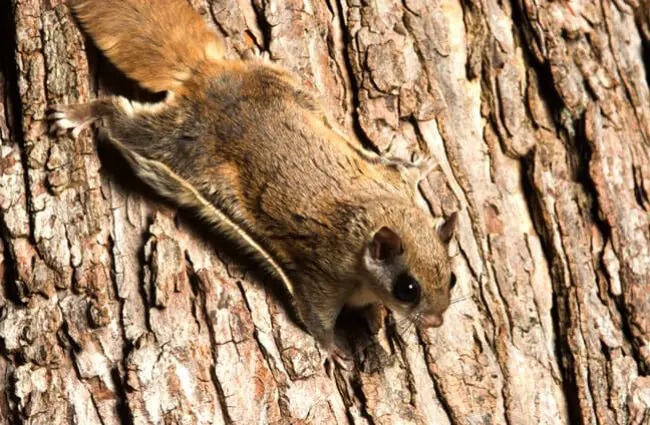
- Patagium: The most distinctive feature, a fur-covered membrane extending from wrist to ankle on each side of the body.
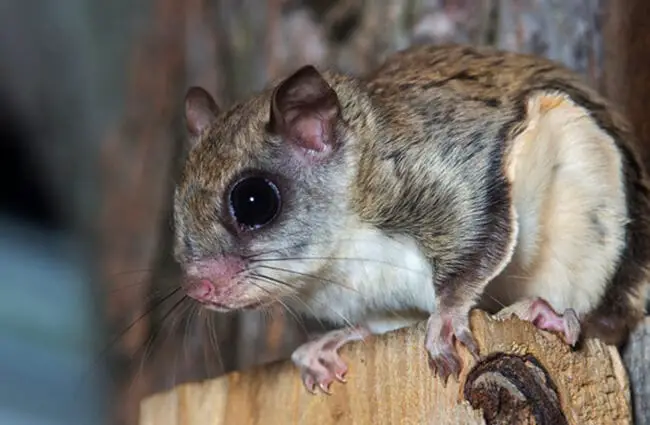
- Eyes: Large, dark eyes are characteristic, an adaptation for their nocturnal lifestyle, enhancing vision in low light conditions.
- Tail: A broad, flattened tail acts as a stabilizer and rudder during glides, also assisting with balance when climbing.
- Claws: Sharp, strong claws provide excellent grip for scaling tree trunks and branches.
- Size: Species vary greatly in size, from the small pygmy flying squirrel to larger species like the woolly flying squirrel, but most are relatively small, ranging from 5 to 12 inches in body length, plus a tail of similar length.
- Fur: Soft, dense fur, typically brownish-grey on the back and lighter on the belly, providing camouflage against tree bark.
Where the Wild Things Glide: Habitat and Distribution
Flying squirrels are found across a wide range of forested regions in the Northern Hemisphere, including North America, Europe, and Asia. Their distribution is a testament to their adaptability, but one constant remains: a reliance on mature forests with ample trees for gliding and nesting.
Preferred Environments
These arboreal specialists thrive in deciduous, coniferous, and mixed forests. Key habitat requirements include:
- Mature Trees: Tall trees provide the necessary height for launching glides and offer a rich source of food and shelter.
- Tree Cavities: Flying squirrels are obligate cavity nesters, relying on natural tree hollows or abandoned woodpecker holes for shelter, raising young, and escaping predators.
- Dense Canopy: A connected canopy allows for efficient movement and gliding without needing to descend to the forest floor, which can be risky.
- Food Sources: Proximity to a variety of nut and seed-producing trees, as well as fungi and insect populations.
Finding Flying Squirrels in the Wild
For the dedicated animal lover hoping to catch a glimpse of these elusive creatures, patience and a nocturnal approach are essential. Flying squirrels are strictly nocturnal, emerging from their nests only after dusk. Here are some tips:
- Timing: Begin observations shortly after sunset, especially on clear, calm nights.
- Location: Focus on mature forests with a good mix of deciduous and coniferous trees. Look for trees with visible cavities or old woodpecker holes.
- Sound: Listen for their distinctive high-pitched chirps and soft clucking sounds, particularly during social interactions or when foraging.
- Light Source: Use a red-filtered flashlight. Red light is less disruptive to nocturnal animals and allows for better observation without startling them.
- Food Sources: Observe areas with abundant nut-bearing trees like oaks, hickories, or beeches, especially during autumn. Bird feeders can also attract them, as they are opportunistic feeders.
- Patience: Sit quietly and observe. Their movements are swift and silent. Look for silhouettes gliding between trees or small forms scampering up trunks.
Feasting in the Forest: The Flying Squirrel’s Diet
Flying squirrels are omnivores, their diet shifting with the seasons and the availability of resources. This dietary flexibility is a key factor in their survival across diverse habitats.
Primary Food Sources
- Nuts and Seeds: A staple, particularly acorns, hickory nuts, and various tree seeds. They often cache these for winter.
- Fungi: Truffles and other types of fungi are a significant part of their diet, especially in certain regions.
- Fruits and Berries: Seasonal fruits and berries provide essential vitamins and sugars.
- Insects: Moths, beetles, and insect larvae are consumed, particularly during warmer months, providing protein.
- Lichens and Buds: When other food sources are scarce, they will browse on lichens and tree buds.
- Bird Eggs and Nestlings: Opportunistically, they may prey on bird eggs or very young nestlings, especially if other food is scarce.
- Carrion: Rarely, they may consume carrion.
Their foraging behavior is primarily arboreal, but they will descend to the forest floor to retrieve fallen nuts or fungi. Their keen sense of smell helps them locate buried caches and underground fungi.
Life in the Canopy: Behavior and Reproduction
Flying squirrels lead complex social lives, often sharing nests and communicating through a variety of vocalizations. Their nocturnal habits mean much of their fascinating behavior goes unseen by casual observers.
Social Structure and Nesting
Many flying squirrel species are quite social, particularly during colder months. They often huddle together in communal nests within tree cavities to conserve warmth. These nests, lined with soft materials like shredded bark, leaves, moss, and feathers, provide crucial insulation. During warmer periods, individuals or smaller family groups might occupy separate nests.
Communication involves a range of chirps, squeaks, and trills, used for alarm calls, territorial defense, and social bonding. Scent marking also plays a role in their communication.
Mating and Reproduction
The reproductive cycle of flying squirrels varies by species and geographic location, but generally follows a seasonal pattern.
- Mating Season: In temperate regions, mating typically occurs in late winter to early spring, and sometimes a second litter in late summer.
- Gestation: Gestation periods are relatively short, usually around 40 days.
- Litter Size: Females typically give birth to 2 to 7 altricial young (blind, hairless, and helpless) in a tree cavity nest.
- Parental Care: The mother is solely responsible for raising the young. She nurses them, keeps them warm, and protects them from predators.
- Development: Pups develop rapidly, opening their eyes after about 4 weeks and beginning to explore outside the nest around 6 to 8 weeks. They are weaned by 2 to 3 months and become independent shortly thereafter, though they may remain with the mother for a period.
- Sexual Maturity: Flying squirrels typically reach sexual maturity by their first year.
Winter Survival: Torpor and Caching
Unlike some ground squirrels, flying squirrels do not truly hibernate. Instead, they enter periods of torpor, a state of reduced metabolic activity and body temperature, to conserve energy during cold weather or food scarcity. They also rely heavily on food caches built up during the warmer months, retrieving nuts and seeds from tree crevices or underground stashes.
An Ancient Lineage: The Evolutionary Journey
The evolutionary history of flying squirrels is a fascinating tale of adaptation and convergent evolution. They belong to the order Rodentia, specifically within the family Sciuridae, which includes all squirrels. Their gliding ability is not unique in the animal kingdom; other mammals like colugos (flying lemurs) and sugar gliders have independently evolved similar adaptations, a phenomenon known as convergent evolution.
Fossil evidence suggests that flying squirrels diverged from their tree squirrel ancestors millions of years ago, with some of the earliest known fossils dating back to the Oligocene epoch (around 30 million years ago). The development of the patagium was a gradual process, likely driven by selective pressures to efficiently move through dense forest canopies, escape predators, and access widely dispersed food sources without expending excessive energy climbing down and up trees.
Genetic studies confirm their close relationship to tree squirrels, indicating that the gliding membrane is a highly specialized adaptation within the squirrel lineage, rather than a separate evolutionary branch from a non-squirrel ancestor.
Guardians of the Canopy: Ecological Role
Flying squirrels play several vital roles within their forest ecosystems, contributing to the health and biodiversity of their habitats.
- Seed Dispersal: By caching nuts and seeds, and sometimes forgetting them, they contribute to the dispersal and regeneration of forest trees.
- Fungi Dispersal: Their consumption of truffles and other fungi, particularly those that form mycorrhizal associations with tree roots, helps to spread fungal spores, which are crucial for tree health.
- Prey Species: They serve as an important food source for a variety of nocturnal predators, including owls, bobcats, foxes, and snakes, contributing to the food web.
- Insect Control: Their consumption of insects helps to regulate insect populations within the forest.
- Cavity Nesters: Their reliance on tree cavities highlights the importance of old-growth forests and dead snags for wildlife habitat.
Sharing the World: Flying Squirrels and Humans
The interaction between flying squirrels and humans is generally minimal due to their nocturnal and arboreal nature, but it does exist in various forms.
Cultural Significance
In some indigenous cultures, flying squirrels appear in folklore and stories, often symbolizing agility, stealth, or the magic of the night forest. Their elusive nature has lent them an air of mystery and wonder.
Human Encounters and What to Do
Encounters with flying squirrels are rare for most people. If a hiker or homeowner spots one:
- Observe from a Distance: Appreciate the sighting quietly. Do not attempt to approach, touch, or capture the animal.
- Do Not Feed: Feeding wild animals can alter their natural behaviors, make them reliant on human food, and expose them to diseases.
- If Injured or Trapped: If a flying squirrel appears injured or trapped (e.g., in a garage or chimney), contact local wildlife rescue organizations or animal control. Do not attempt to handle it yourself, as even small animals can bite when stressed.
- Preventing Entry: To prevent them from entering homes, ensure attics, chimneys, and vents are properly sealed and screened, especially in wooded areas.
Conservation Status
While many flying squirrel species are common and widespread, some, particularly those with restricted ranges or specialized habitat requirements, face conservation challenges due to habitat loss, fragmentation, and climate change. Monitoring populations and protecting mature forest ecosystems are crucial for their long-term survival.
Caring for the Gliders: Insights for Zookeepers
For zookeepers tasked with the care of flying squirrels, understanding their unique needs is paramount to ensuring their welfare and promoting natural behaviors in a captive environment.
Enclosure Design and Enrichment
- Vertical Space: Enclosures must prioritize height over floor space to accommodate their arboreal and gliding nature. Tall enclosures with multiple levels and climbing opportunities are essential.
- Branches and Perches: A complex network of natural branches, ropes, and shelves at varying heights and orientations is crucial for climbing, gliding, and exploration.
- Nesting Boxes: Provide multiple secure, dark nesting boxes or hollow logs to mimic tree cavities. These should be lined with soft, natural bedding materials.
- Substrate: A deep substrate of wood shavings or cypress mulch can encourage natural foraging behaviors.
- Environmental Enrichment: Offer a variety of enrichment items daily, such as puzzle feeders, foraging opportunities (e.g., scattering food, hiding treats in crevices), rotating toys, and novel scents.
Dietary Management
- Varied Diet: A balanced omnivorous diet is critical. This typically includes a high-quality rodent chow as a base, supplemented with:
- Fresh fruits (apples, berries, grapes)
- Vegetables (leafy greens, carrots, sweet potato)
- Nuts and seeds (in moderation due to fat content, e.g., acorns, sunflower seeds, pumpkin seeds)
- Insects (mealworms, crickets, waxworms)
- Fungi (safe, cultivated mushrooms)
- Supplements: Calcium and vitamin D3 supplementation may be necessary, especially for growing animals or breeding females, to prevent metabolic bone disease. Consult with a veterinary nutritionist.
- Water: Fresh water must be available at all times, typically in sipper bottles and/or shallow dishes.
Social Housing and Health Monitoring
- Social Needs: Many flying squirrel species are social. Housing them in compatible pairs or small groups is often beneficial, but individual temperaments must be considered.
- Nocturnal Schedule: Maintain a strict nocturnal light cycle. Use red or dim lighting for evening care to avoid disrupting their natural rhythms.
- Temperature and Humidity: Maintain appropriate ambient temperatures and humidity levels specific to the species’ natural range.
- Veterinary Care: Regular veterinary check-ups are essential. Monitor for signs of illness, weight changes, dental issues, or behavioral abnormalities.
- Avoid:
- Overcrowding in enclosures.
- Feeding excessive amounts of high-fat nuts.
- Sudden changes in diet or environment.
- Loud noises or bright lights during their rest periods.
- Housing incompatible individuals together.
Fascinating Facts About Flying Squirrels
These small mammals are full of surprises. Here is a list of intriguing facts:
- Not True Flyers: Despite their name, they do not fly in the same way birds or bats do. They glide using a specialized membrane.
- Nocturnal Nature: They are strictly nocturnal, making them rarely seen by humans.
- Exceptional Gliders: They can glide over 150 feet, steering with their tails and even making 90-degree turns mid-air.
- Built-in Parachute: The patagium acts like a parachute, allowing them to control their descent and land softly.
- Social Sleepers: During winter, multiple flying squirrels often huddle together in tree cavities to share body warmth.
- Omnivorous Diet: Their diet is incredibly varied, including nuts, seeds, fruits, fungi, insects, and even bird eggs.
- Excellent Navigators: They use their large eyes and whiskers to navigate in the dark.
- Winter Cachers: They store food in tree crevices and underground to prepare for leaner winter months.
- Vocal Communicators: They use a range of chirps, squeaks, and clucking sounds to communicate with each other.
- Unique Landing Technique: They often land head-up on a tree trunk, quickly scampering to the other side to avoid predators.
- Lifespan: In the wild, they typically live 3 to 5 years, but can live significantly longer in captivity.
- Species Diversity: There are over 50 different species of flying squirrels found across the globe.
- Convergent Evolution: Their gliding ability evolved independently from other gliding mammals like sugar gliders and colugos.
- Fluorescent Fur: Recent discoveries have shown that some flying squirrel species exhibit biofluorescence, glowing pink under ultraviolet light. The reason for this remains a mystery.
The flying squirrel, with its silent glides and hidden life, serves as a powerful reminder of the wonders that unfold in our natural world after the sun sets. From their intricate adaptations for arboreal life to their crucial roles in forest ecosystems, these creatures are more than just charming forest residents; they are vital threads in the tapestry of biodiversity. Protecting their forest homes ensures that future generations can continue to marvel at these incredible gliders of the night.
![Closeup of a beautiful Red Angus cowPhoto by: U.S. Department of Agriculture [pubic domain]https://creativecommons.org/licenses/by/2.0/](https://animals.net/wp-content/uploads/2020/03/Red-Angus-4-238x178.jpg "Red Angus")
![Closeup of a beautiful Red Angus cowPhoto by: U.S. Department of Agriculture [pubic domain]https://creativecommons.org/licenses/by/2.0/](https://animals.net/wp-content/uploads/2020/03/Red-Angus-4-100x75.jpg "Red Angus")