The wilderness holds many majestic creatures, but few command attention quite like the elk. With their imposing stature, powerful presence, and the haunting bugle of the bull echoing through autumn valleys, elk are truly icons of the wild. Often referred to by their Native American name, Wapiti, meaning “white rump,” these magnificent deer are more than just impressive animals; they are vital threads in the intricate tapestry of their ecosystems and a source of endless fascination for naturalists and casual observers alike.
Unveiling the Elk: A Gentle Giant of the Wild
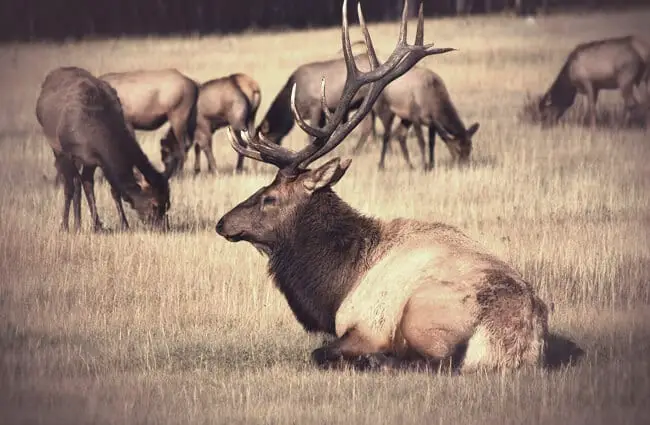
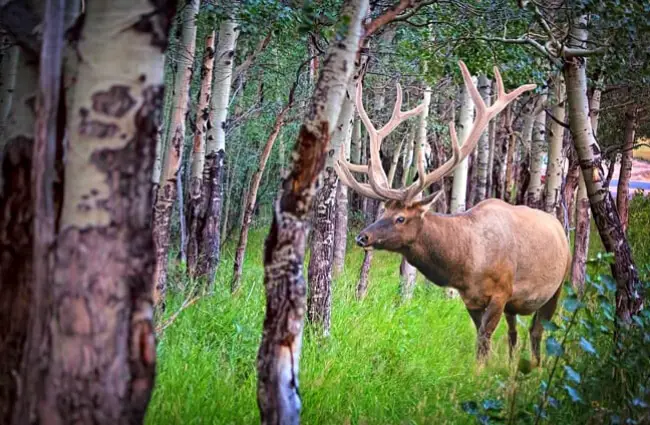
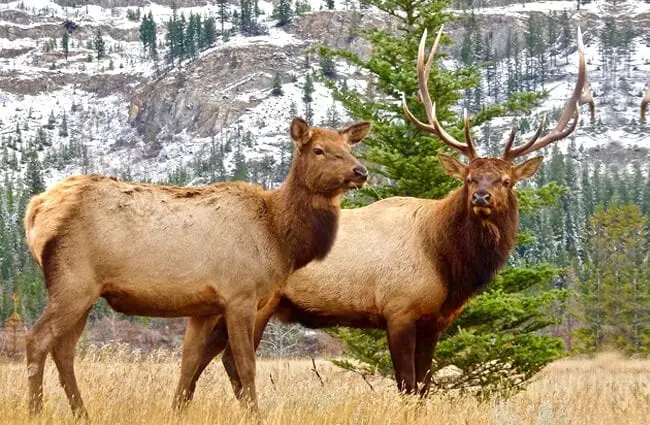
Elk, scientifically known as Cervus canadensis, are among the largest species within the deer family, Cervidae. They are easily recognized by their impressive size, typically reddish-brown coat, and the distinctive light-colored rump patch that gives them their Wapiti moniker. Males, known as bulls, are particularly striking with their massive antlers, which can span over a meter and a half and weigh upwards of 18 kilograms. Females, or cows, are smaller and lack antlers, but possess the same graceful power.
Where the Wild Things Roam: Elk Habitats
Elk are remarkably adaptable creatures, thriving in a diverse range of environments across North America and parts of East Asia. Their preferred habitats are often characterized by a mosaic of open grasslands, meadows, and forests, providing both ample forage and crucial cover. In North America, they are predominantly found in the western states and provinces, from the Rocky Mountains to the Pacific Northwest, and even in some eastern reintroductions. Key habitats include:
- Mountainous Regions: High-elevation forests and subalpine meadows offer rich summer grazing and cooler temperatures.
- Forests: Deciduous and coniferous forests provide shelter from predators and harsh weather, as well as browse material.
- Grasslands and Prairies: Open areas are essential for grazing on grasses and forbs.
- Riparian Zones: Areas along rivers and streams are crucial for water access and lush vegetation.
Seasonal migrations are common for many elk populations, moving to higher elevations in summer and descending to lower, snow-free valleys in winter to find food.
The Elk’s Menu: A Herbivore’s Feast
As herbivores, elk are primarily grazers and browsers, meaning their diet consists of a wide variety of plant material. Their dietary choices vary significantly with the seasons and the availability of vegetation in their specific habitat.
- Grasses: The staple of their diet, especially in spring and summer when grasses are abundant and nutritious.
- Forbs: Herbaceous flowering plants are also a significant food source.
- Shrubs and Tree Saplings: In fall and winter, when grasses are scarce or covered by snow, elk turn to browsing on the twigs, bark, and leaves of woody plants like aspen, willow, and conifer saplings.
- Mushrooms and Lichens: Occasionally consumed, providing additional nutrients.
This varied diet highlights their adaptability and their role in shaping plant communities through their foraging habits.
Seeking the Wapiti: Tips for Animal Lovers
For those hoping to witness these magnificent creatures in their natural environment, patience and knowledge are key. Elk are most active during dawn and dusk, making these the prime viewing times. Here are some tips:
- Best Locations: National parks and wildlife refuges known for elk populations are excellent starting points. Yellowstone National Park, Rocky Mountain National Park, and Jasper National Park are renowned for their abundant elk.
- Seasonal Timing: The autumn rut (mating season) offers spectacular opportunities to hear bull elk bugle and observe their sparring rituals. Spring brings the sight of newborn calves.
- Look for Signs: Even if you do not see an elk, look for tracks, droppings, rub marks on trees (where bulls rub their antlers), and wallows (muddy depressions where elk roll).
- Use Binoculars: Maintain a respectful distance to avoid disturbing the animals and for your safety. Binoculars or a spotting scope will enhance your viewing experience.
- Be Quiet and Patient: Elk have keen senses. Move slowly and quietly, and be prepared to wait.
A Deeper Dive: Elk Biology and Ecology
The Ancient Lineage: Elk’s Evolutionary Journey
The evolutionary history of elk is a fascinating tale of adaptation and migration. Elk are believed to have originated in Asia, with their ancestors crossing the Bering land bridge into North America during the Pleistocene epoch, alongside other megafauna. Genetic studies indicate a close relationship with red deer (Cervus elaphus) of Europe and Asia, though elk are now recognized as a distinct species. Over millennia, they diversified and adapted to the varied landscapes of the North American continent, evolving into the distinct subspecies we recognize today, such as the Roosevelt, Rocky Mountain, Tule, and Manitoban elk.
Physical Grandeur: More Than Just Antlers
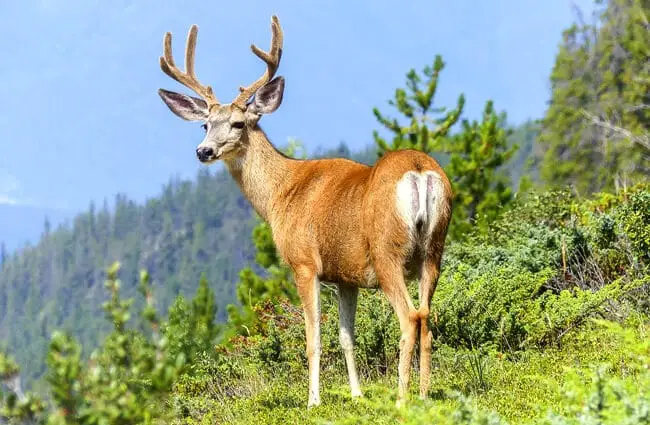
While the antlers of a bull elk are undeniably impressive, their entire physiology is a marvel of natural engineering. Adult bulls can stand over 1.5 meters (5 feet) at the shoulder and weigh up to 450 kilograms (1,000 pounds), with cows being slightly smaller. Their coat color can range from a light tan to a dark brown, often with a darker mane around the neck and a distinct cream-colored rump patch. Antlers are shed annually in late winter or early spring and regrow throughout the summer, covered in a vascularized skin called “velvet” which supplies nutrients for rapid growth. By late summer, the velvet is shed, revealing the hardened bone underneath, ready for the challenges of the rut.
Social Dynamics: Herds and Hierarchies
Elk are highly social animals, typically living in herds. The social structure is generally matriarchal, with cows and their offspring forming cohesive groups led by an experienced female. Bulls, outside of the breeding season, often form separate “bachelor herds” or live solitary lives. During the rut, this dynamic shifts dramatically as bulls compete for breeding rights, attempting to gather and defend harems of cows. Communication within elk herds is complex, involving a range of vocalizations, body language, and scent marking.
The Rut and Reproduction: A Cycle of Life
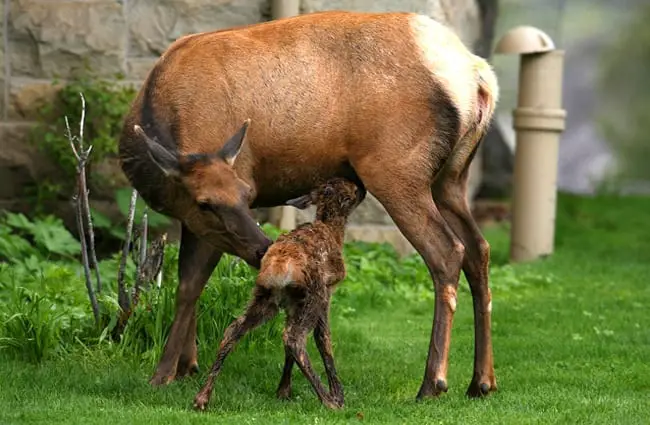
The most dramatic period in an elk’s life cycle is the autumn rut, or mating season. This is when bull elk engage in spectacular displays of dominance, bugling loudly to attract cows and intimidate rivals. The bugle, a series of low grunts rising to a piercing whistle and ending in guttural grunts, is one of the most iconic sounds of the wilderness. Bulls will spar, locking antlers in tests of strength, to establish dominance and secure breeding opportunities. After successful mating, cows undergo a gestation period of approximately 240 to 262 days. Calves, usually a single offspring, are born in late spring or early summer. They are born spotted for camouflage and are quickly able to stand and follow their mothers, relying on her milk and protection for several months.
Elk’s Ecological Footprint: Architects of the Ecosystem
Elk are considered a keystone species in many of their habitats, playing a crucial role in shaping the environment. Their grazing and browsing habits influence plant diversity and distribution. By consuming vegetation, they create open areas, disperse seeds, and cycle nutrients back into the soil through their waste. They also serve as a primary food source for large predators such as wolves, cougars, and bears, thus supporting the entire food web. The presence of healthy elk populations is often an indicator of a thriving and balanced ecosystem.
Elk and Humanity: A Complex Relationship
The relationship between elk and humans is multifaceted, spanning millennia of cultural significance, hunting, and modern conservation efforts.
- Cultural Contribution: For many Indigenous cultures across North America, elk hold deep spiritual and practical significance. They are revered in folklore, art, and ceremonies, and historically provided essential resources for food, clothing, and tools.
- Hunting and Management: Regulated hunting has been a traditional practice and remains a key tool in modern wildlife management, helping to control elk populations and prevent overgrazing in certain areas.
- Conservation Challenges: Elk populations have faced significant challenges, including habitat loss due to human development, disease (such as Chronic Wasting Disease), and conflicts with agriculture. Conservation efforts focus on habitat preservation, migration corridor protection, and disease monitoring.
- Tourism and Recreation: Elk are a major draw for wildlife tourism, contributing significantly to local economies in areas where they are abundant.
Practical Insights: Interacting with Elk
Encountering Elk in the Wild: Safety First
While observing elk in their natural habitat can be a breathtaking experience, it is crucial to remember they are wild animals and can be unpredictable, especially during certain times of the year. Safety should always be the top priority.
- Maintain Distance: Always keep a safe and respectful distance, at least 25 meters (75 feet). Use binoculars or a telephoto lens for close-up views.
- Never Approach Calves: A cow elk will aggressively defend her calf. If you see a calf, assume the mother is nearby and give them a wide berth.
- Be Aware During the Rut: Bull elk are particularly aggressive and unpredictable during the autumn mating season. Their focus is on defending their harems, and they may charge if they perceive a threat.
- Do Not Feed Elk: Feeding wild animals can alter their natural behavior, make them dependent on humans, and lead to aggressive encounters.
- If an Elk Charges: If an elk appears agitated (ears back, head down, pawing the ground) or charges, try to get behind a large tree or other solid object. If no cover is available, make yourself appear as large as possible and make noise.
Caring for Elk in Captivity: A Zookeeper’s Guide
For zookeepers entrusted with the care of elk, providing an environment that mimics their natural habitat and meets their complex needs is paramount.
- Enclosure Design:
- Space: Elk require large, expansive enclosures with varied terrain, including open areas for grazing and wooded sections for cover and shade.
- Natural Elements: Incorporate natural substrates, trees, shrubs, and water features to encourage natural behaviors.
- Security: Robust fencing is essential to prevent escape and protect both the animals and the public.
- Dietary Management:
- Mimic Natural Diet: Provide a diet rich in high-quality hay, supplemented with browse (tree branches, leaves) and specialized elk pellets to ensure balanced nutrition.
- Seasonal Adjustments: Adjust feed quantities based on season, age, and reproductive status.
- Water: Constant access to fresh, clean water is critical.
- Health and Veterinary Care:
- Regular Checks: Implement a routine veterinary care schedule, including vaccinations, deworming, and health assessments.
- Antler Management: Monitor antler growth and shedding in bulls, ensuring they do not become entangled or injured.
- Disease Prevention: Strict biosecurity protocols are necessary to prevent the spread of diseases, especially those common in cervids.
- Behavioral Enrichment:
- Foraging Opportunities: Scatter feed, hide treats, or provide browse to encourage natural foraging behaviors.
- Social Structure: Maintain appropriate herd sizes and compositions to support natural social dynamics.
- Environmental Stimuli: Introduce new scents, objects, or changes to the enclosure to keep elk mentally stimulated.
- What to Avoid:
- Over-handling: Minimize direct human interaction to reduce stress and maintain natural wild instincts.
- Inappropriate Diet: Avoid feeding human foods or diets lacking essential nutrients, which can lead to digestive issues and health problems.
- Crowding: Insufficient space can lead to stress, aggression, and health issues within the herd.
- Ignoring Behavioral Cues: Pay close attention to elk behavior to identify signs of stress, illness, or aggression early.
Fascinating Facts About Elk
The world of elk is full of intriguing details. Here is a list of captivating facts that highlight their unique adaptations and behaviors:
- Elk are the second largest species of deer in North America, surpassed only by the moose.
- A bull’s antlers can grow up to 2.5 centimeters (1 inch) per day during peak growth periods.
- The bugle of a bull elk can be heard for several kilometers on a still day.
- Elk have excellent senses of smell and hearing, which they use to detect predators and locate food.
- They are surprisingly fast, capable of running up to 72 kilometers per hour (45 mph).
- Elk are strong swimmers and will readily cross rivers and lakes.
- The average lifespan of an elk in the wild is 10 to 13 years, though some can live longer in protected environments.
- Calves are born with white spots that help them camouflage in dappled sunlight, fading as they mature.
- Elk communicate through a variety of sounds, including chirps, mews, barks, and the famous bugle.
- The largest subspecies of elk is the Roosevelt elk, found in the Pacific Northwest.
- Elk often create “wallows” by digging depressions in the ground and urinating in them, then rolling in the mud. This helps them cool down, remove parasites, and spread their scent.
- Historically, elk ranged across most of North America, from coast to coast, before European settlement significantly reduced their numbers and range.
The Enduring Legacy of the Elk
From their ancient origins to their vital role in modern ecosystems, elk stand as a testament to the resilience and beauty of the natural world. Their majestic presence enriches our wild spaces, inspires awe, and provides critical ecological services. Understanding these magnificent creatures, respecting their space, and supporting conservation efforts ensures that the haunting bugle of the elk will continue to echo through our forests and mountains for generations to come, a powerful reminder of the wild heart of our planet.
![Closeup of a beautiful Red Angus cowPhoto by: U.S. Department of Agriculture [pubic domain]https://creativecommons.org/licenses/by/2.0/](https://animals.net/wp-content/uploads/2020/03/Red-Angus-4-238x178.jpg "Red Angus")
![Closeup of a beautiful Red Angus cowPhoto by: U.S. Department of Agriculture [pubic domain]https://creativecommons.org/licenses/by/2.0/](https://animals.net/wp-content/uploads/2020/03/Red-Angus-4-100x75.jpg "Red Angus")