The Majestic Eland: A Comprehensive Guide
The eland, Taurotragus oryx, is a truly remarkable creature. As the largest of the African antelopes, it commands attention not only through its size but also through its unique place in the natural world and human culture. This guide delves into every facet of the eland’s existence, from its evolutionary origins and ecological role to its interactions with humans and fascinating behavioral traits.
Understanding the Eland: Basic Biology and Habitat
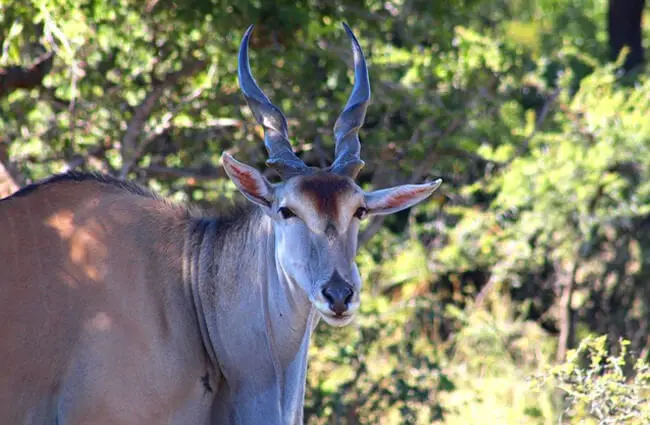
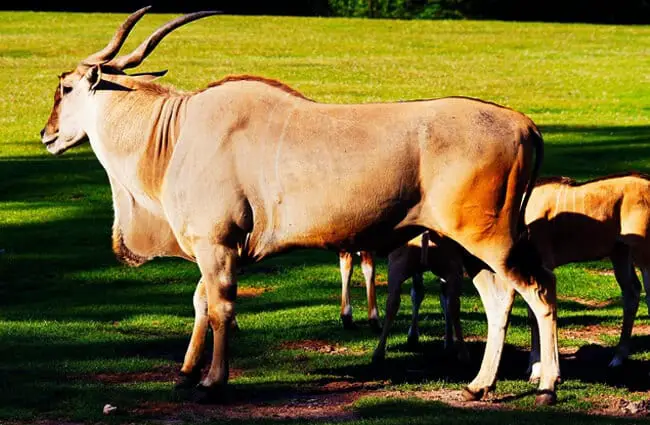
Elands are characterized by their robust build, typically weighing between 400 and 700 kilograms. Both males and females possess long, slightly curved horns, although those of the males are considerably larger. Their coat is a striking reddish‑brown that fades to a paler hue on the underside, providing effective camouflage in their preferred savanna and woodland habitats. A distinctive dewlap—a fold of skin hanging from the throat—is present in both sexes, becoming more pronounced in males during the mating season.
Habitat and Distribution
Historically, elands roamed widely across much of sub‑Saharan Africa. Today, their distribution is more fragmented, with significant populations found in eastern and southern Africa. They are adaptable animals that thrive in a range of habitats including open grasslands, woodlands, savannas, and montane forests, provided there is sufficient water and grazing. Elands are rarely found in dense rainforest or arid desert environments.
Evolutionary History: Tracing the Eland’s Ancestry
The evolutionary history of the eland is rooted in the broader Bovidae family, which includes cattle, sheep, goats, and other horned mammals. Fossil evidence suggests that the ancestors of modern elands emerged approximately 5 to 6 million years ago. The eland’s lineage diverged from other bovid groups as they adapted to the conditions of the African savanna. Their robust build and grazing specialization likely evolved in response to the challenges of this environment. The two currently recognized subspecies, the Common Eland (T. o. oryx) and the Lord Derby Eland (T. o. derbianus), diverged more recently and occupy slightly different ecological niches.
Diet and Feeding Behavior: A Grazing Specialist
Elands are primarily grazers, with grasses forming the bulk of their diet. However, they are not exclusively grass‑eaters; they will also browse on leaves, shoots, fruits, and roots when available, particularly during the dry season when grass is scarce. Their large size and efficient digestive system allow them to extract maximum nutrition from even low‑quality forage. Elands are known for their ability to survive for extended periods without direct access to water, obtaining moisture from the vegetation they consume. They also frequently visit salt licks to supplement their diet with essential minerals.
Social Structure and Behavior
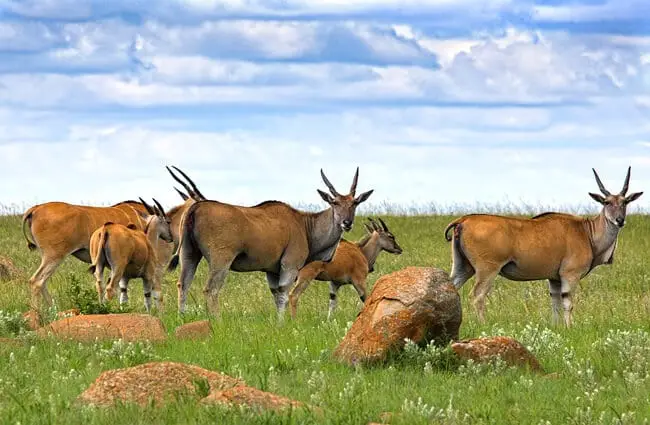
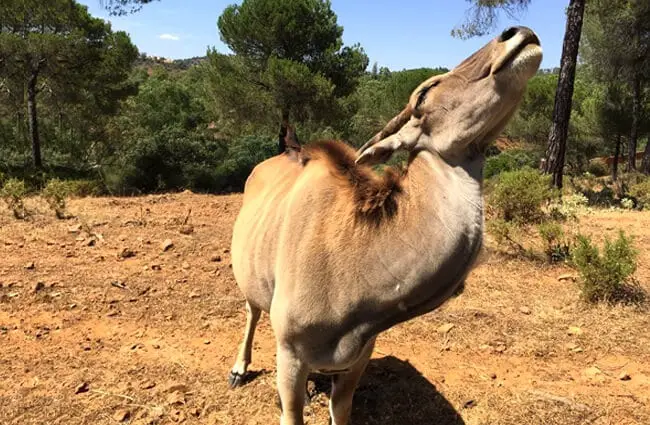
Elands exhibit a flexible social structure. They often form herds that can range from a few individuals to several hundred, especially during the wet season when resources are abundant. These herds are typically led by a dominant bull who maintains control through displays of aggression and intimidation. During the dry season, herds tend to fragment into smaller groups as animals disperse in search of food and water. Elands communicate through a variety of vocalizations, including barks, moans, whistles, and a characteristic “clicking” sound produced by a specialized structure in their throat. They also use visual displays and scent marking to convey information.
Mating and Reproduction: A Seasonal Cycle
Elands typically breed during the wet season when food is plentiful and conditions are favorable for raising young. Males compete for access to females through elaborate displays of dominance that may involve sparring and vocalizations. A dominant bull will usually control a harem of females. Gestation lasts about nine months, after which a single calf is born. Calves are precocial, meaning they are relatively well‑developed at birth and can stand and walk shortly after being born. They remain dependent on their mothers for several months, nursing and learning essential survival skills. Females reach sexual maturity at around three years of age.
Eland’s Ecological Role and Interactions with Other Animals
As large herbivores, elands play a crucial role in shaping the African savanna ecosystem. Their grazing helps to maintain grassland diversity and prevent the encroachment of woody vegetation. They also contribute to nutrient cycling through their dung. Elands are preyed upon by lions, leopards, hyenas, and African wild dogs, particularly calves. Their large size and formidable horns provide some protection. Elands often associate with other grazing animals such as zebras and wildebeest, benefiting from increased vigilance and reduced predation risk. They also have a mutualistic relationship with certain bird species that feed on ticks and other parasites on their skin.
Eland and Human Interaction: A Historical Perspective
Elands have a long history of interaction with humans. They were hunted by hunter‑gatherer groups for meat, hides, and occasionally milk. While some evidence suggests early domestication attempts, elands were never fully domesticated. In many cultures, elands hold symbolic significance, representing wealth, abundance, and spiritual power. Today, elands are hunted for bushmeat in certain areas and are increasingly sought after as game animals for trophy hunting and ecotourism.
Eland in Captivity: Care and Considerations for Zookeepers
Caring for elands in captivity requires a deep understanding of their natural history and behavioral needs. They need spacious enclosures that mimic their natural habitat, with access to both grazing areas and sheltered resting spots. Their diet should consist of high‑quality hay, supplemented with fresh browse and a balanced mineral supplement. Social interaction is crucial, so elands should be housed in groups whenever possible. Enrichment activities such as puzzle feeders and novel objects can help stimulate their minds and prevent boredom. Regular veterinary care, including vaccinations and parasite control, is essential to maintain their health. Avoid overcrowding and excessive noise, which can cause stress.
Encountering Elands in the Wild: Safety and Etiquette
If you encounter elands in the wild, it is important to maintain a safe distance and avoid approaching them. Elands are generally not aggressive, but they can become defensive if they feel threatened, especially females protecting their calves. Observe them from a respectful distance and avoid making sudden movements or loud noises. Never attempt to feed them, as this can alter their natural behavior and make them dependent on humans. Be aware of your surroundings and watch for signs of danger, such as lions or other predators.
Fascinating Eland Facts
- Elands can leap over obstacles up to 2.5 meters high.
- They are capable of running at speeds of up to 60 kilometers per hour.
- Elands have a highly developed sense of smell, which they use to locate food and detect predators.
- Their large ears help them dissipate heat in the hot African sun.
- The Lord Derby Eland is the largest subspecies, with males weighing up to 1,000 kilograms.
- Elands can live for up to 25 years in the wild.
The eland is a remarkable testament to the beauty and resilience of African wildlife. Understanding its biology, behavior, and ecological role is essential for ensuring its long‑term survival in a rapidly changing world. By appreciating this magnificent creature, we can contribute to its conservation and ensure that future generations have the opportunity to marvel at its grandeur.
![Closeup of a beautiful Red Angus cowPhoto by: U.S. Department of Agriculture [pubic domain]https://creativecommons.org/licenses/by/2.0/](https://animals.net/wp-content/uploads/2020/03/Red-Angus-4-238x178.jpg "Red Angus")
![Closeup of a beautiful Red Angus cowPhoto by: U.S. Department of Agriculture [pubic domain]https://creativecommons.org/licenses/by/2.0/](https://animals.net/wp-content/uploads/2020/03/Red-Angus-4-100x75.jpg "Red Angus")