Meet the Dipper: A River’s Jewel
Few birds embody a life so intimately connected to rushing water as the dipper. Often called water ouzels, these remarkable songbirds are a captivating presence in the swift currents of mountain streams and rivers across the Northern Hemisphere. Their unique adaptations, charming behaviors, and ecological role make them a subject of fascination for both casual observers and dedicated scientists. This comprehensive guide delves into the world of the dipper, exploring its habitat, diet, life cycle, and its place within the broader ecosystem.
What is a Dipper?
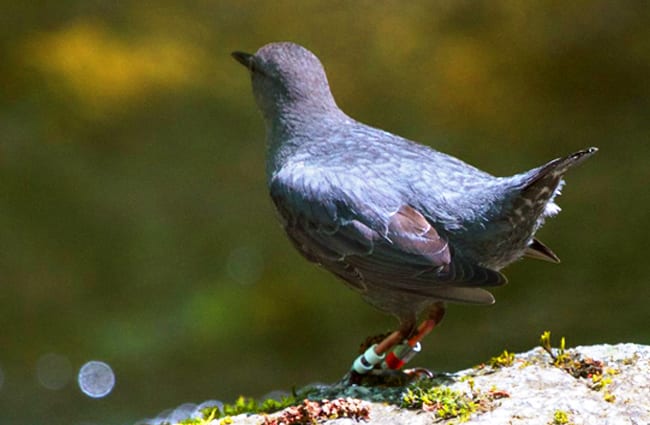
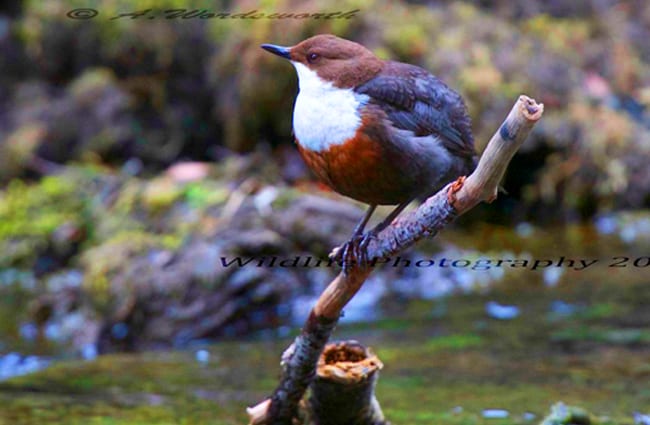
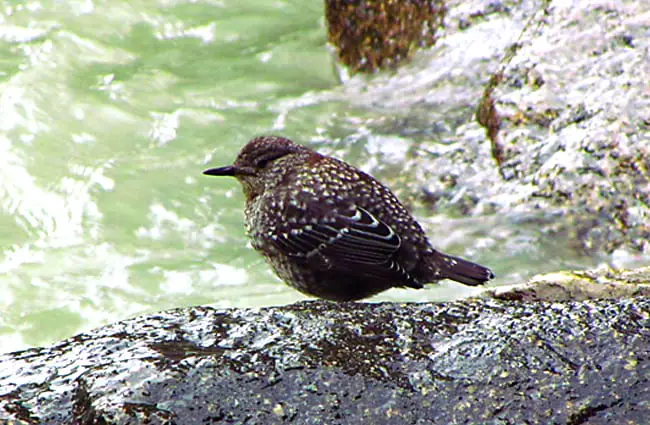
The name “dipper” perfectly encapsulates this bird’s most striking behavior. Unlike most birds that merely visit water to drink or bathe, dippers actively forage in the water, “dipping” and submerging themselves to hunt for invertebrates. There are five recognized species of dippers, each adapted to slightly different environments. These include the American Dipper (found in North America), the White‑throated Dipper (Europe and Asia), the Brown Dipper (South America), the Rusty Dipper, and the Andean Dipper. Though differing in plumage details, all species share a similar body plan and lifestyle.
Habitat and Distribution
Dippers are specialized inhabitants of fast‑flowing, oxygen‑rich rivers and streams. They prefer rocky substrates with plenty of waterfalls, rapids, and cascades. The turbulent water provides a constant supply of food and the rocky terrain offers nesting sites. American Dippers, for instance, inhabit mountainous regions of western North America, ranging from Alaska and Canada to parts of the southwestern United States. White‑throated Dippers are found in similar habitats throughout Europe and Asia. The distribution of each species is closely tied to the availability of suitable aquatic environments.
Finding Dippers in the Wild
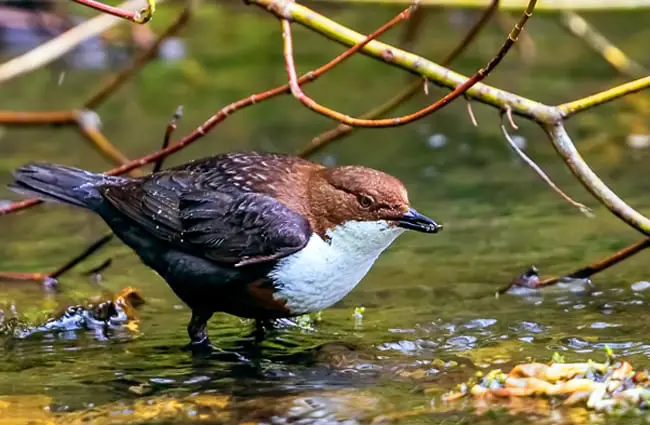
For birdwatchers eager to spot a dipper, knowing where to look is crucial. Focus on mountainous regions with clear, fast‑flowing streams. Listen for a high‑pitched, bubbling song often described as a series of whistles or trills. Look for birds actively foraging along the stream bed, bobbing and diving beneath the surface. They often perch on rocks near the water’s edge, offering excellent viewing opportunities.
Diet and Foraging Behavior
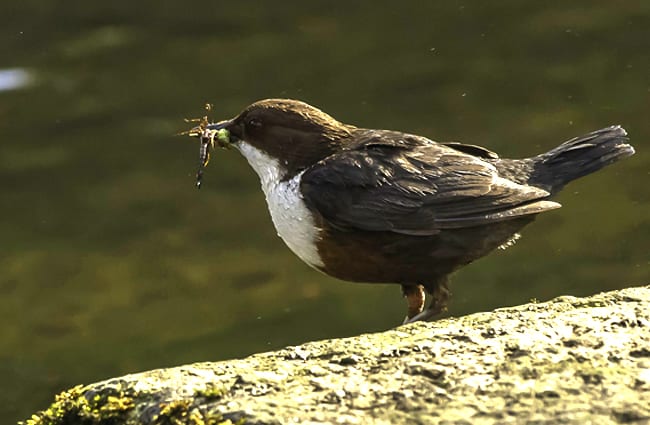
Dippers are primarily insectivores, feeding on a variety of aquatic invertebrates. Their diet includes insect larvae, nymphs, crustaceans, and even small fish eggs. They locate prey by sight, using their keen vision to spot food items on the stream bed. Their bodies are streamlined to reduce drag, and they possess specialized feathers that trap air, providing buoyancy. They walk along the riverbed, using their strong feet and claws to maintain their grip. A unique adaptation is their ability to close their nostrils and possess a clear nictitating membrane, essentially an internal eyelid, to protect their eyes underwater.
Life Cycle: Mating and Reproduction
Dippers are generally monogamous, forming pair bonds that can last for several years. They breed during the spring and summer months. The nest is typically built in a cavity near a waterfall or stream, often concealed behind a rock or within dense vegetation. It is constructed from moss, grasses, and other plant materials. The female lays a clutch of 4 to 6 eggs, which are incubated for about two weeks. Both parents participate in feeding the young, which fledge from the nest after about three weeks. Juvenile dippers remain dependent on their parents for several months, learning essential foraging skills.
Ecological Role and Interactions
Dippers play an important role in stream ecosystems. As insectivores, they help to regulate populations of aquatic invertebrates. They also contribute to nutrient cycling by consuming and excreting organic matter. Dippers are prey for larger birds of prey, such as hawks and owls, and occasionally for mammals like foxes and weasels. Their presence or absence can serve as an indicator of water quality and overall ecosystem health. Healthy dipper populations suggest a clean, well‑oxygenated stream environment. They sometimes interact with other riparian species, which can be seen foraging near dippers.
Dippers and Humans
Historically, dippers were sometimes hunted for their feathers, which were used in fly fishing lures. However, they are now generally protected by law. Habitat loss and water pollution remain significant threats to dipper populations in some areas. Responsible land management practices and efforts to maintain water quality are crucial for ensuring their long‑term survival. Birdwatchers and nature enthusiasts can contribute by reporting dipper sightings and supporting conservation organizations.
Encountering a Dipper: What to do?
If you are fortunate enough to encounter a dipper, observe it from a respectful distance. Avoid disturbing its foraging or nesting behavior. Do not attempt to feed it, as this can disrupt its natural diet. Simply enjoy the opportunity to witness this remarkable bird in its natural habitat.
For the Aspiring Zoologist: Deeper Dive
The dipper presents a fascinating subject for zoological study. Research focuses on its unique physiological adaptations to aquatic life, its foraging strategies, and its breeding behavior. Genetic studies are helping to unravel the evolutionary relationships between different dipper species. Investigating the impact of climate change and pollution on dipper populations is also a critical area of research.
Caring for Dippers in Captivity
Caring for dippers in captivity requires specialized facilities and expertise. They need a large, flowing water exhibit that mimics their natural stream environment. Water quality must be meticulously maintained, with high oxygen levels and a constant flow rate. Their diet should consist of live insects and crustaceans. Providing ample opportunities for foraging and diving is essential for their physical and mental well‑being. Stress should be minimized, and the exhibit should be designed to provide privacy and security.
Fun Facts About Dippers
- Dippers can close their nostrils underwater to prevent water from entering their nasal passages.
- They possess a nictitating membrane, a transparent eyelid that protects their eyes while underwater.
- They can fly upstream against strong winds, using their short, powerful wings.
- They often bob their heads and bodies while foraging, giving them a distinctive appearance.
- Dippers are remarkably tolerant of cold water temperatures.
- Their feathers are coated with a waterproof oil that helps to keep them dry.
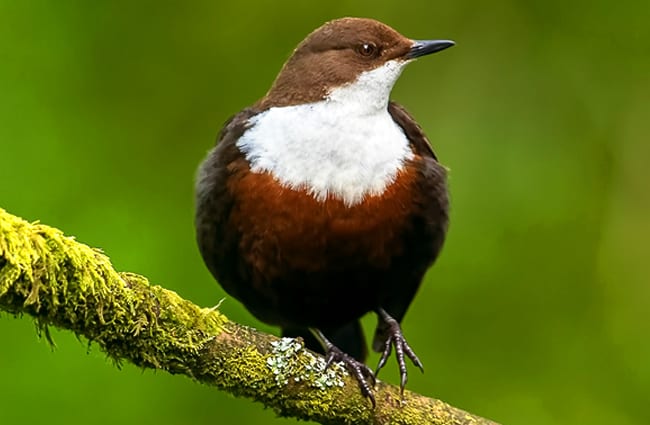
The dipper stands as a testament to the power of adaptation and the beauty of the natural world. Its unique lifestyle, captivating behaviors, and ecological importance make it a truly remarkable bird, a jewel of the river, deserving of our admiration and protection.
![Closeup of a beautiful Red Angus cowPhoto by: U.S. Department of Agriculture [pubic domain]https://creativecommons.org/licenses/by/2.0/](https://animals.net/wp-content/uploads/2020/03/Red-Angus-4-238x178.jpg "Red Angus")
![Closeup of a beautiful Red Angus cowPhoto by: U.S. Department of Agriculture [pubic domain]https://creativecommons.org/licenses/by/2.0/](https://animals.net/wp-content/uploads/2020/03/Red-Angus-4-100x75.jpg "Red Angus")