The Remarkable Deer Mouse: A Comprehensive Guide
Often overlooked, the deer mouse Peromyscus maniculatus is one of North America’s most common and ecologically significant small mammals. More than just a forest dweller, this adaptable rodent plays a critical role in seed dispersal, fungal propagation, and even influences the spread of certain diseases. This guide explores the fascinating world of the deer mouse, from its evolutionary history and habitat to its complex interactions with both the environment and humans.
Basic Biology and Identification
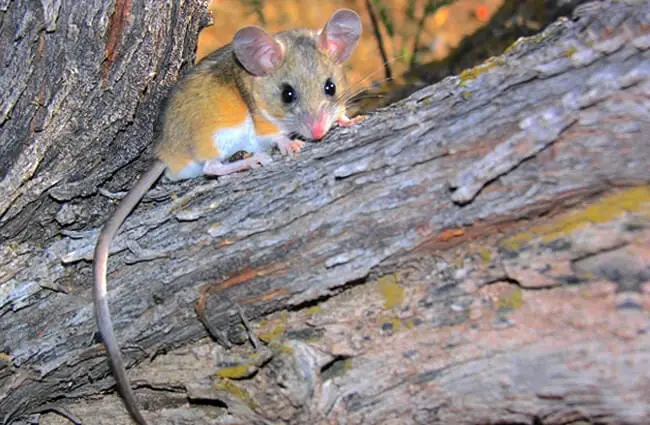
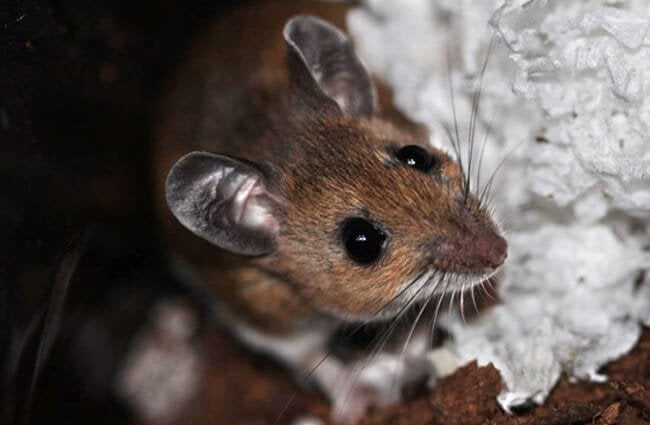
Deer mice are aptly named, possessing a mouse-like appearance with proportionally large ears and hind feet, and a tail that is often bicolored. Adults typically measure between 3.5 and 8.5 inches in length, including the tail, and weigh between 0.5 and 1.4 ounces. Their fur color is variable, ranging from brown or gray on the back to white on the belly. This coloration provides excellent camouflage within their diverse habitats. Distinct subspecies exist across North America, showing slight variations in size, color, and genetics.
Habitat and Distribution
The deer mouse boasts an impressive range, found across most of North America, from Alaska and Canada to Mexico and the central United States. This remarkable adaptability allows them to thrive in a huge variety of environments. They occupy forests, grasslands, deserts, and even alpine areas. They are often found near brushy areas, meadows, or woodland edges, and are known to create nests in burrows, rock crevices, or above-ground vegetation. They are not strictly forest dwellers and are commonly found in and around human settlements.
Diet and Feeding Habits
Deer mice are omnivores, but their diet consists largely of seeds and plant matter. They are skilled foragers, collecting seeds, nuts, berries, and fungi. They supplement this with insects, snails, and other invertebrates when available. A unique aspect of their diet is their fondness for fungi, particularly truffles. They play a vital role in dispersing fungal spores, aiding in the propagation of these important organisms. They also have cheek pouches for carrying seeds back to their nests, a clever adaptation for food storage.
Reproduction and Life Cycle
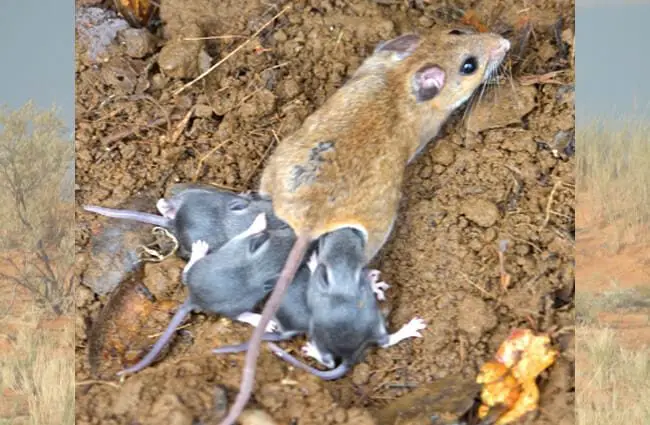
Deer mice have a relatively short lifespan, typically living less than a year in the wild. However, they are prolific breeders. Breeding season typically extends from spring through fall. Females can produce multiple litters per year, with each litter containing between three and six pups. Gestation lasts around 22 to 23 days. Pups are born blind and helpless, relying entirely on their mother for care. They are weaned after about three weeks and reach sexual maturity within a few months.
Ecological Role and Interactions
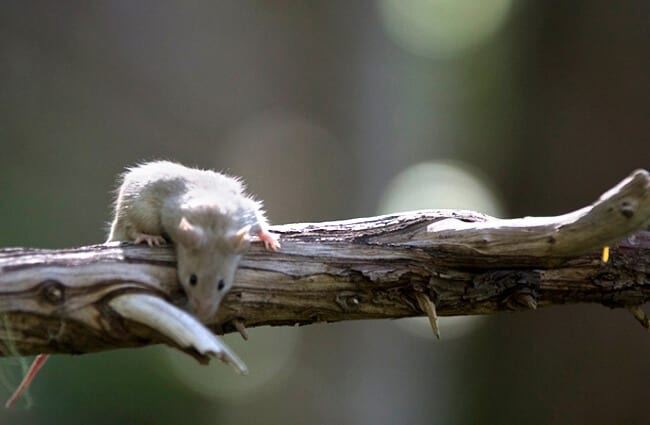
Deer mice are keystone species in many ecosystems. Their foraging activities influence plant communities, and their seed dispersal aids in forest regeneration. They serve as an important food source for predators such as owls, hawks, foxes, and snakes. They also participate in complex relationships with other animals, including competition for resources with other rodent species. Their digging activities can aerate soil and contribute to nutrient cycling. They are known to build nests using a variety of materials, sometimes even incorporating materials from human structures.
Deer Mice and Humans
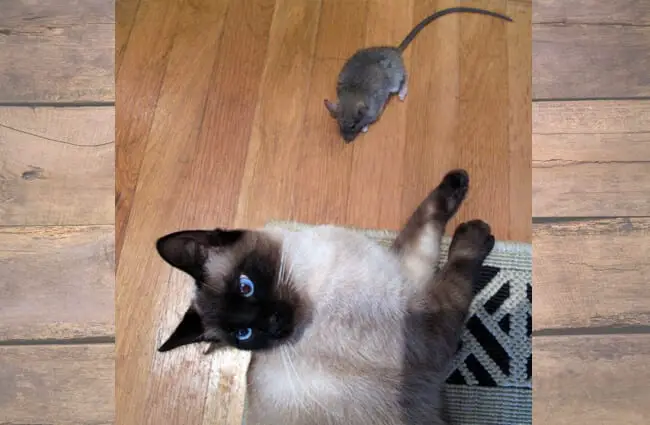
Deer mice frequently come into contact with humans, especially in rural and suburban areas. They can enter buildings in search of food and shelter, sometimes causing damage to property. While generally harmless, they can carry diseases, including hantavirus, a potentially fatal respiratory illness. It is important to practice proper hygiene and sanitation to minimize the risk of exposure. In some regions, deer mice are considered agricultural pests, damaging crops and stored grains. However, they are also valued for their role in ecological research and as model organisms in biomedical studies.
Advanced Topics: Evolution, Genetics and Disease
Evolutionary History
The genus Peromyscus, which includes the deer mouse, has a complex evolutionary history, with origins dating back to the Pliocene epoch. Genetic studies reveal a fascinating pattern of diversification and hybridization within the genus. Deer mice have undergone significant adaptation to various environments, resulting in the numerous subspecies observed today. Their ability to adapt to changing conditions has contributed to their widespread success.
Genetic Variation and Local Adaptation
Deer mice exhibit high levels of genetic variation, allowing them to respond to environmental pressures. Local populations often show adaptations to specific habitats, such as differences in coat color, body size, and physiological traits. This genetic diversity is crucial for their long-term survival. Researchers have identified genes associated with traits such as disease resistance and foraging behavior.
Hantavirus and Public Health
Deer mice are primary reservoirs for several hantaviruses, including the Sin Nombre virus, which causes hantavirus pulmonary syndrome (HPS). The virus is transmitted to humans through contact with rodent urine, droppings, or saliva. Preventing exposure through proper sanitation and hygiene is critical. Researchers are actively investigating the mechanisms of hantavirus transmission and developing strategies for prevention and control.
Observing Deer Mice in the Wild & Captive Care
Finding Deer Mice
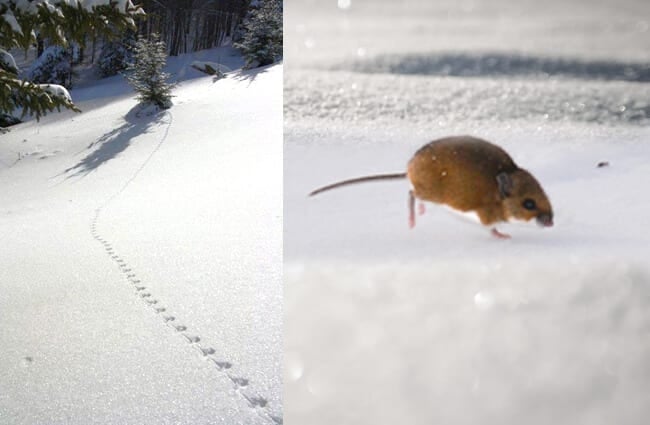
Deer mice are most active at night. Look for signs of their presence such as small droppings, tracks, and nests. Areas near brushy edges, meadows, or woodlands are good places to start. Using a live trap baited with seeds or peanut butter can be an effective way to observe them, but be sure to check traps regularly and release any captured animals responsibly.
Captive Care Considerations
Deer mice can be kept in captivity, but they require specialized care. They need a spacious enclosure with plenty of nesting material, such as shredded paper or hay. A varied diet of seeds, grains, fruits, and insects is essential. They are active animals and need enrichment activities, such as running wheels and chew toys. Maintaining a clean and hygienic environment is crucial for their health. Avoid handling them excessively, as they can be easily stressed. Consult with a veterinarian experienced in rodent care for specific guidance.
Conclusion
The deer mouse is a remarkable creature, embodying adaptability, ecological importance, and subtle beauty. From its role in seed dispersal and fungal propagation to its complex interactions with other animals and humans, the deer mouse plays a critical role in the health of our ecosystems. By understanding this often-overlooked rodent, we gain a deeper appreciation for the interconnectedness of life and the importance of biodiversity.
![Closeup of a beautiful Red Angus cowPhoto by: U.S. Department of Agriculture [pubic domain]https://creativecommons.org/licenses/by/2.0/](https://animals.net/wp-content/uploads/2020/03/Red-Angus-4-238x178.jpg "Red Angus")
![Closeup of a beautiful Red Angus cowPhoto by: U.S. Department of Agriculture [pubic domain]https://creativecommons.org/licenses/by/2.0/](https://animals.net/wp-content/uploads/2020/03/Red-Angus-4-100x75.jpg "Red Angus")