A Comprehensive Look at the Fascinating World of Danio
The genus Danio, a group of small freshwater fish originating from Southeast Asia, has captured the attention of aquarists and scientists alike. These vibrant and active fish, often referred to as danios, are more than just colorful additions to home aquariums. They represent a compelling story of evolution, ecological importance, and increasing scientific utility. This exploration delves into the complete world of Danio, from their natural habitats and life cycles to their contributions to research and their interactions with humans.
Understanding Danio: Taxonomy and Diversity
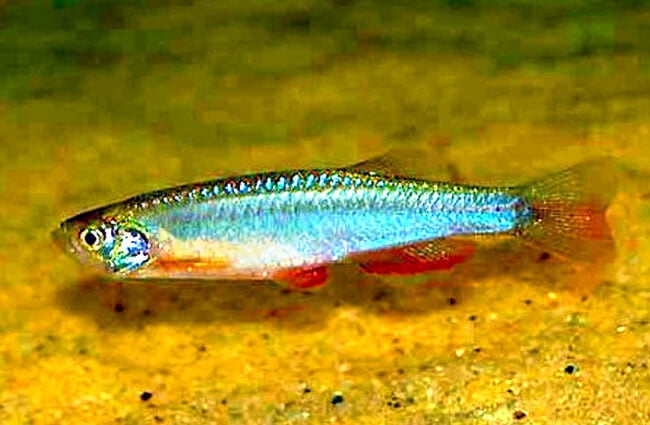
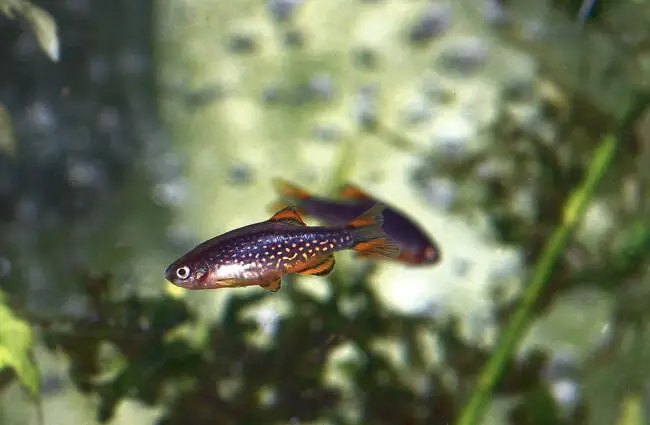
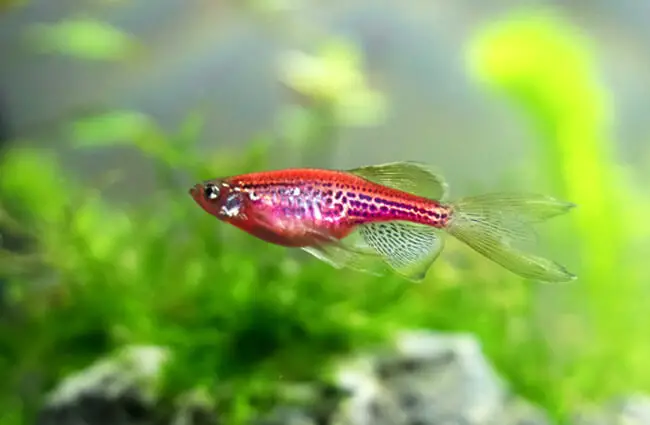
Danio belongs to the family Cyprinidae, which includes minnows and carp. Currently, the genus encompasses around a dozen recognized species, though taxonomic classifications can be fluid as new research emerges. Some of the most popular and well-studied species include the Zebra Danio (Danio rerio), Leopard Danio (Danio frankei), and Celestial Pearl Danio (Danio margaritatus). Each species boasts unique patterns and coloration, making them visually appealing.
Key Species Spotlight
- Zebra Danio (Danio rerio):
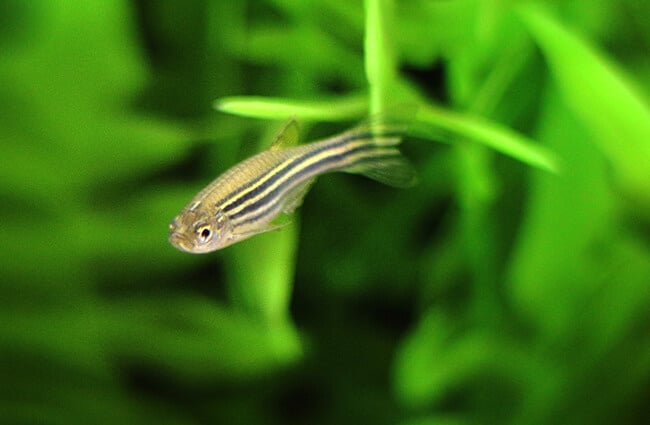
Pertaining to the most recognizable, known for its horizontal blue stripes. Highly adaptable and commonly used in genetic research. - Leopard Danio (Danio frankei):
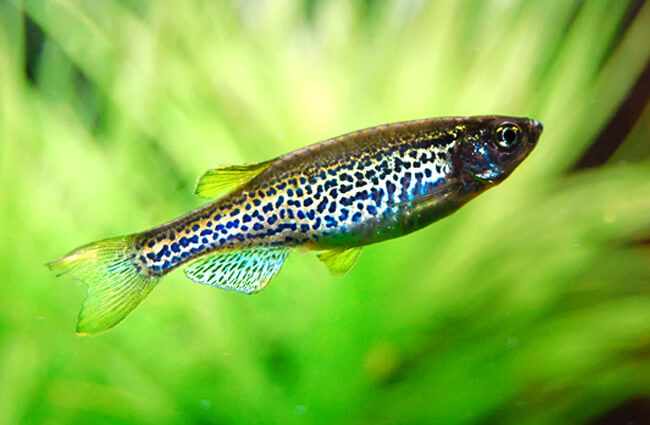
Distinguished by its leopard-like spotting pattern. A peaceful and active species. - Celestial Pearl Danio (Danio margaritatus):
A nano fish, incredibly small and beautifully speckled with iridescent spots. Requires specific water parameters.
Habitat and Distribution
Danio species are native to the river systems of Myanmar, Thailand, Laos, Vietnam, and parts of India and Bangladesh. They inhabit slow-moving or stagnant freshwater environments like ponds, ditches, and rice paddies. These areas are typically characterized by dense vegetation, providing shelter and breeding grounds. Water temperatures generally range from 22 to 28 degrees Celsius. The presence of aquatic plants, leaf litter, and a soft substrate is crucial for their survival in the wild.
Life Cycle: Reproduction and Development
Danio reproduction is fascinating to observe. They are egg scatterers, meaning the female releases eggs into the water, which are then fertilized by the male. They do not provide parental care; the eggs and fry are vulnerable to predation. A single female can lay hundreds of eggs at a time.
The Breeding Process
- Courtship: Males display vibrant colors and chase females, initiating the breeding process.
- Egg Scattering: The female releases eggs among plants or in leaf litter, while the male fertilizes them.
- Incubation: Eggs typically hatch within 24 to 48 hours, depending on water temperature.
- Fry Development: The fry are initially very small and require microscopic food like infusoria or liquid fry food. They grow rapidly with consistent feeding.
Diet and Feeding Behavior
In their natural habitat, danios are omnivorous, feeding on a variety of small invertebrates, insect larvae, crustaceans, and plant matter. They actively forage for food in the substrate and among vegetation. In captivity, they readily accept a variety of commercial fish foods, including flakes, pellets, and live or frozen foods like brine shrimp and daphnia. A varied diet ensures optimal health and vibrant coloration.
Ecological Role and Interactions
Danios play an essential role in their freshwater ecosystems. They serve as a food source for larger fish, birds, and reptiles. They also contribute to nutrient cycling by consuming organic matter and releasing waste products. Their presence or absence can be an indicator of water quality and overall ecosystem health. They often coexist peacefully with other small fish and invertebrates, though competition for resources can occur in densely populated areas.
Danio and Human Interaction
The relationship between danios and humans is multifaceted. They are popular aquarium fish, prized for their beauty, activity, and ease of care. They also hold significant value in scientific research, particularly in genetics and developmental biology. The Zebra Danio, in particular, has become a model organism for studying vertebrate development, disease mechanisms, and drug toxicity. Its transparent embryos allow researchers to observe developmental processes in real time.
Danio in Scientific Research: A Model Organism
The Zebra Danio’s genome is relatively small and well-mapped, making it easier to study. Its rapid reproductive cycle allows for quick generation times and facilitates genetic experiments. Researchers can induce mutations, introduce foreign genes, and observe the resulting effects on development and behavior. This information can provide insights into human diseases and potential therapies.
Caring for Danio in Captivity: A Zookeeper’s Guide
Maintaining healthy danios in captivity requires attention to detail. A well-filtered aquarium with a temperature between 22 and 28 degrees Celsius is essential. Regular water changes are crucial for removing waste products and maintaining water quality. Provide plenty of hiding places with plants and decorations. Feed a varied diet of high-quality fish food. Monitor for signs of disease, such as fin rot or ich, and address them promptly. Avoid overcrowding, as this can lead to stress and disease outbreaks.
Encountering Danio in the Wild: What to Do
If you encounter danio while hiking or exploring near freshwater habitats, observe them from a distance. Avoid disturbing their natural environment. Do not attempt to capture or handle them. Respect their space and allow them to continue their natural behaviors. Reporting sightings to local conservation organizations can help monitor their populations and track their distribution.
Fascinating Facts About Danio
- Danios are known for their active and energetic swimming behavior.
- They are schooling fish and prefer to live in groups.
- Some species exhibit unique behaviors, such as the Celestial Pearl Danio’s preference for breeding among Java moss.
- Danios can adapt to a wide range of water parameters, making them relatively easy to care for.
- They have a lateral line system that allows them to detect vibrations in the water.
Conclusion
The world of Danio is a testament to the beauty and complexity of freshwater ecosystems. These small fish are not only captivating aquarium inhabitants but also valuable tools for scientific research and indicators of environmental health. By understanding their biology, behavior, and ecological role, we can better appreciate their importance and contribute to their conservation.
![Closeup of a beautiful Red Angus cowPhoto by: U.S. Department of Agriculture [pubic domain]https://creativecommons.org/licenses/by/2.0/](https://animals.net/wp-content/uploads/2020/03/Red-Angus-4-238x178.jpg "Red Angus")
![Closeup of a beautiful Red Angus cowPhoto by: U.S. Department of Agriculture [pubic domain]https://creativecommons.org/licenses/by/2.0/](https://animals.net/wp-content/uploads/2020/03/Red-Angus-4-100x75.jpg "Red Angus")