The Living Jewels of the Ocean: Unveiling the Wonders of Coral
Beneath the shimmering surface of our planet’s oceans lies a world of breathtaking beauty and intricate life, largely built by an organism often mistaken for a plant or a rock: coral. These magnificent creatures, far from being inert, are bustling architects of some of Earth’s most diverse and vital ecosystems. From their humble beginnings as tiny polyps, corals construct vast underwater cities that teem with life, offering shelter, food, and breeding grounds for countless marine species. Understanding coral is not just about appreciating their aesthetic appeal; it is about grasping the delicate balance of marine life and our profound connection to it.
What Exactly is Coral?
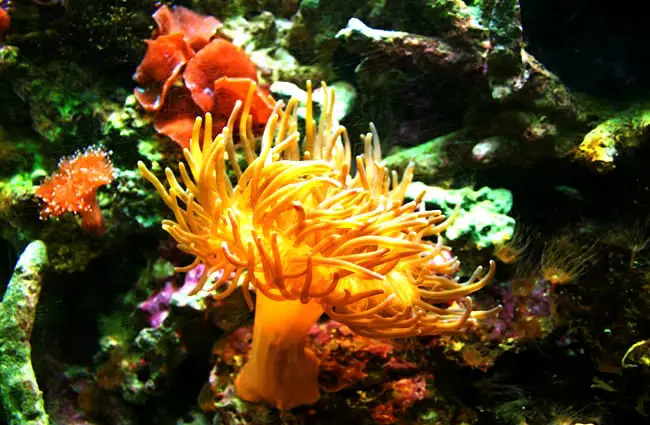
At its core, a coral is an invertebrate animal belonging to the phylum Cnidaria, which also includes jellyfish and sea anemones. Each individual coral is a small, soft-bodied polyp, typically cylindrical in shape with a mouth surrounded by tentacles. These polyps secrete a hard, protective exoskeleton, usually made of calcium carbonate, which accumulates over generations to form the intricate structures we recognize as coral reefs. While some corals live solitary lives, the vast majority are colonial, meaning thousands of genetically identical polyps live together, interconnected by a thin layer of tissue, forming a single, larger organism.
Where Do Corals Call Home? A Look at Their Habitats
Coral habitats are as diverse as the corals themselves, though most people associate them with warm, shallow tropical waters. These are the homes of the famous reef-building, or “hermatypic,” corals.
- Tropical Reefs: The iconic coral reefs thrive in clear, warm, shallow waters, typically between 20-32°C (68-90°F), found in tropical and subtropical regions. These areas provide ample sunlight, crucial for the symbiotic algae living within the coral tissues. Major reef systems are found in the Indo-Pacific, the Caribbean, and the Red Sea.
- Depth and Light: Reef-building corals generally prefer depths where sunlight can penetrate, usually less than 60 meters (200 feet), though some can extend deeper if water clarity is exceptional.
- Water Quality: They require clean, clear water with stable salinity and low nutrient levels. Sedimentation, pollution, and excessive freshwater runoff can be detrimental.
- Deep-Sea Corals: Not all corals require sunlight. A fascinating group known as “ahermatypic” or deep-sea corals flourish in the cold, dark depths of the ocean, often thousands of meters below the surface. These corals do not host symbiotic algae and derive all their nutrition from filtering food particles from the water. They can form extensive “cold-water reefs” in areas like the North Atlantic.
For an animal lover hoping to find coral in the wild, the best bet is to visit tropical coastal areas renowned for their snorkeling and diving opportunities. Look for vibrant, clear waters, often near islands or continental shelves. Always observe from a respectful distance, avoiding contact to protect both yourself and the delicate ecosystem. If encountered while hiking near a coastline, remember that corals are living animals; do not touch or remove them.
A Glimpse into Coral Evolution
The evolutionary journey of corals spans hundreds of millions of years, making them ancient inhabitants of our oceans. The earliest known corals appeared during the Cambrian period, over 500 million years ago. These early forms, such as the rugose and tabulate corals, were dominant reef builders during the Paleozoic Era. They eventually went extinct at the end of the Permian period, paving the way for the modern Scleractinian corals (stony corals) that emerged during the Triassic period, around 240 million years ago. These modern corals diversified extensively, leading to the incredible variety we see today. Their long history demonstrates remarkable adaptability, surviving numerous global changes, though current threats pose unprecedented challenges.
The Inner Workings: Diet, Reproduction, and Growth
What’s on the Menu? Coral’s Diverse Diet
Corals employ a fascinating dual strategy to obtain their nutrition, a testament to their adaptability.
- Symbiotic Algae (Zooxanthellae): The primary food source for most reef-building corals comes from microscopic algae called zooxanthellae, which live within the coral’s tissues. These algae perform photosynthesis, converting sunlight into energy, and share a significant portion of the sugars and other organic compounds they produce with their coral host. In return, the coral provides the algae with a protected environment and compounds like carbon dioxide and nitrogenous waste, which the algae need for photosynthesis. This mutualistic relationship is why reef-building corals require sunlight.
- Filter Feeding: Corals are also adept predators. Their tentacles, armed with stinging cells called nematocysts, capture tiny plankton, small crustaceans, and other organic particles drifting in the water. The tentacles then sweep the captured food towards the coral’s mouth, where it is ingested. This method is crucial for deep-sea corals that lack zooxanthellae and supplements the diet of reef-building corals, especially at night when their symbiotic algae are not photosynthesizing.
The Cycle of Life: Coral Mating and Reproduction
Coral reproduction is a marvel of nature, involving both sexual and asexual strategies to ensure the continuation and expansion of colonies.
- Sexual Reproduction:
- Spawning Events: Many coral species are “broadcast spawners,” releasing eggs and sperm into the water column simultaneously during spectacular mass spawning events, often synchronized with lunar cycles and water temperature. This strategy increases the chances of fertilization and overwhelms predators.
- Internal Fertilization: Other species are “brooders,” where fertilization occurs internally. The coral polyps release larvae (planulae) that have already developed to some extent.
- Larval Dispersal: Fertilized eggs develop into free-swimming larvae called planulae. These larvae drift in the ocean currents, sometimes for weeks, before settling on a suitable substrate and metamorphosing into a new coral polyp, which then begins to grow a new colony.
- Asexual Reproduction:
- Budding: The most common form of asexual reproduction is budding, where a new polyp grows directly from an existing polyp, expanding the colony. This is how colonies grow larger and form their characteristic shapes.
- Fragmentation: Pieces of coral can break off due to storms, animal activity, or human impact. If these fragments land in a suitable environment, they can reattach and grow into new, genetically identical colonies. This natural process is also utilized in coral restoration efforts.
- Polyp Bail-out: Under severe stress, individual polyps can detach from the colony and drift away, potentially settling elsewhere to start a new colony.
Coral’s Indispensable Role in the Ecosystem and Beyond
Architects of Biodiversity: Coral’s Contribution to the Ecosystem
Coral reefs are often called the “rainforests of the sea” due to their extraordinary biodiversity. Despite covering less than 1% of the ocean floor, they support an estimated 25% of all marine species. Their contributions are vast:
- Habitat and Shelter: The complex three-dimensional structures of coral reefs provide countless nooks, crannies, and hiding places for fish, crustaceans, mollusks, and many other invertebrates. This shelter is vital for protection from predators and as nurseries for juvenile marine life.
- Food Source: Reefs provide food directly and indirectly. Corals themselves are prey for some species, for example parrotfish and crown-of-thorns starfish, and the rich ecosystem supports a diverse food web.
- Coastal Protection: Coral reefs act as natural breakwaters, dissipating wave energy and protecting coastlines from erosion, storm surges, and tsunamis. This protection is invaluable for coastal communities and infrastructure.
- Nutrient Cycling: Corals and their associated organisms play a significant role in nutrient cycling within the marine environment, helping to maintain water quality.
Interactions with Other Animals
The reef is a bustling metropolis of interactions:
- Symbiosis: Beyond zooxanthellae, corals form symbiotic relationships with other organisms. For example, certain crabs and shrimp live within coral branches, gaining protection while sometimes defending the coral from predators.
- Predation: Many fish species, such as parrotfish, feed directly on coral polyps and algae, playing a role in reef health by controlling algal growth. The crown-of-thorns starfish is a notorious coral predator that can cause significant damage during outbreaks.
- Competition: Corals compete with other corals and algae for space and light on the reef.
- Mutualism: Cleaner wrasse and shrimp set up “cleaning stations” where they remove parasites from larger fish, benefiting both parties.
Coral’s Contribution to Human Culture
Corals have woven their way into human culture for millennia:
- Jewelry and Art: Precious corals, particularly red and pink varieties, have been highly prized for jewelry, ornaments, and decorative arts since ancient times.
- Traditional Medicine: In some cultures, coral has been used in traditional medicine, though scientific evidence for its efficacy is often lacking.
- Spiritual Significance: For many coastal communities, coral reefs hold deep spiritual and cultural significance, often featuring in myths, legends, and traditional practices.
- Tourism and Recreation: Coral reefs are major tourist attractions, supporting industries like diving, snorkeling, and ecotourism, providing livelihoods for millions globally.
Human Interaction with Coral: A Delicate Balance
Humanity’s relationship with coral is complex, marked by both appreciation and significant impact.
- Threats to Coral:
- Climate Change: Rising ocean temperatures cause coral bleaching, where corals expel their symbiotic algae, leading to starvation and death if temperatures remain high. Ocean acidification, caused by increased CO2 absorption, makes it harder for corals to build and maintain their calcium carbonate skeletons.
- Pollution: Runoff from land, containing sediments, nutrients, and chemicals, smothers corals, promotes algal overgrowth, and introduces toxins.
- Overfishing: Disrupts the delicate balance of reef ecosystems, removing key grazers that control algal growth or predators that keep coral predators in check.
- Destructive Fishing Practices: Dynamite fishing and bottom trawling physically destroy reef structures.
- Physical Damage: Anchors, careless divers, and boat groundings can cause direct physical harm to corals.
- Conservation Efforts: Recognizing their immense value, extensive efforts are underway to protect and restore coral reefs. These include establishing marine protected areas, regulating fishing, reducing pollution, developing coral nurseries for restoration, and promoting sustainable tourism.
Caring for Coral in Captivity: A Zookeeper’s Guide
Caring for corals in an aquarium setting, whether for public display or research, requires meticulous attention to detail to replicate their natural environment.
- Essential Tasks:
- Water Quality Management: This is paramount. Maintain stable parameters for temperature (species-specific, typically 24-27°C or 75-80°F for tropical corals), salinity (1.023-1.026 specific gravity), alkalinity, calcium, and magnesium. Regular testing and supplementation are critical.
- Lighting: Provide appropriate spectrum and intensity of light for photosynthetic corals, for example metal halides, T5 fluorescents, or LEDs. Light cycles should mimic natural day/night patterns.
- Water Flow: Ensure adequate, varied water movement to deliver food, remove waste, and prevent sediment buildup. Powerheads and wavemakers are essential.
- Feeding: Supplement the diet of photosynthetic corals with target feeding of specialized coral foods, for example phytoplankton, zooplankton, or amino acids, several times a week. Non-photosynthetic corals require daily target feeding.
- Quarantine: Always quarantine new corals to prevent the introduction of pests and diseases.
- Observation: Daily observation for signs of stress, disease, or pests, for example tissue recession, discoloration, or unusual growths.
- Tank Maintenance: Regular water changes, substrate cleaning, and equipment checks are vital.
- What to Avoid:
- Sudden Parameter Changes: Corals are highly sensitive to rapid shifts in temperature, salinity, or chemical levels.
- Overfeeding: Can lead to poor water quality and nutrient spikes, promoting undesirable algae growth.
- Incompatible Tank Mates: Avoid fish or invertebrates known to nip at or consume corals.
- Direct Handling: Minimize direct contact with coral tissue, as it can be easily damaged or stressed. Use gloves if necessary.
- Poor Water Flow: Stagnant areas can lead to detritus accumulation and localized stress.
- Inadequate Lighting: Too little or too much light can cause stress or bleaching in photosynthetic corals.
- Introducing Unquarantined Specimens: This is a common pathway for diseases and pests.
A Huge List of Fascinating Coral Facts
- Coral is an animal, not a plant or a rock.
- The Great Barrier Reef, off the coast of Australia, is the largest living structure on Earth, visible from space.
- Some corals can live for thousands of years; individual polyps are tiny, but colonies can be ancient.
- Coral reefs are home to a quarter of all marine species, despite covering less than 1% of the ocean floor.
- Coral polyps have stinging cells called nematocysts, similar to jellyfish.
- The vibrant colors of corals often come from the symbiotic algae (zooxanthellae) living within their tissues. When stressed, corals expel these algae, leading to “coral bleaching.”
- Deep-sea corals can thrive in complete darkness and cold water, sometimes at depths of over 6,000 meters (20,000 feet).
- Some corals are bioluminescent, emitting light in the dark.
- Coral skeletons have been used in bone grafts and other medical applications due to their porous structure and calcium carbonate composition.
- The growth rate of corals varies widely, from a few millimeters to 10-20 centimeters (4-8 inches) per year, depending on the species and environmental conditions.
- Coral reefs protect coastlines from up to 97% of wave energy.
- There are thousands of known coral species, with many more likely undiscovered.
- Coral reefs contribute billions of dollars annually to the global economy through tourism, fisheries, and coastal protection.
- Some corals can reproduce by “polyp bail-out,” detaching individual polyps when stressed to seek a new home.
- The oldest known coral fossil dates back
![Closeup of a beautiful Red Angus cowPhoto by: U.S. Department of Agriculture [pubic domain]https://creativecommons.org/licenses/by/2.0/](https://animals.net/wp-content/uploads/2020/03/Red-Angus-4-100x75.jpg "Red Angus")