The copperhead, a name evoking images of burnished scales and secretive habits, is a fascinating venomous snake found throughout eastern and central North America. Often misunderstood and feared, this reptile plays a vital role in its ecosystem. This guide delves into the world of the copperhead, exploring its biology, behavior, habitat, and its place within the natural world.
Understanding the Copperhead
What is a Copperhead?
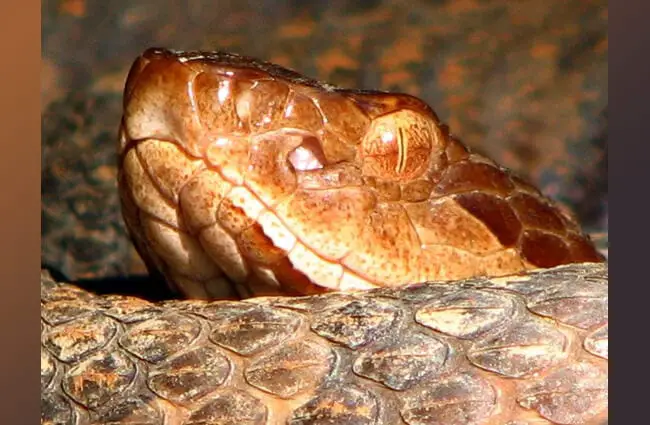
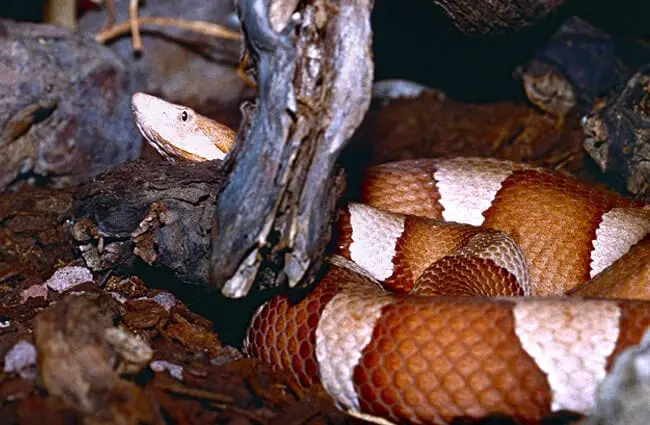
The copperhead, scientifically known as Agkistrodon contortrix, belongs to the pit viper family, characterized by heat-sensing pits located between the eyes and nostrils. These pits allow the snake to detect warm-blooded prey, even in complete darkness. The name “copperhead” stems from the distinctive coppery-red color on the adult’s head, though coloration can vary significantly depending on the subspecies and environment.
Physical Characteristics
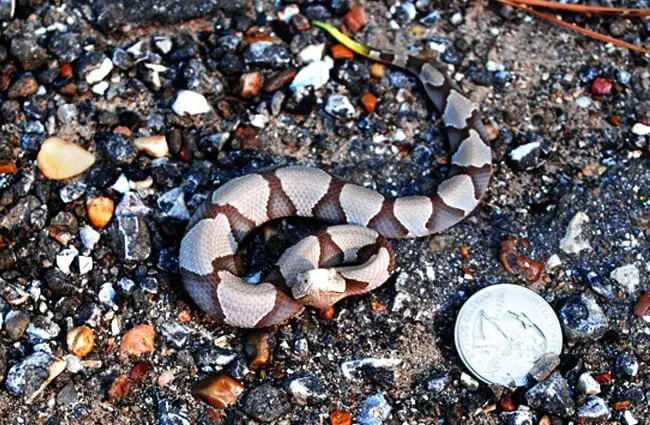
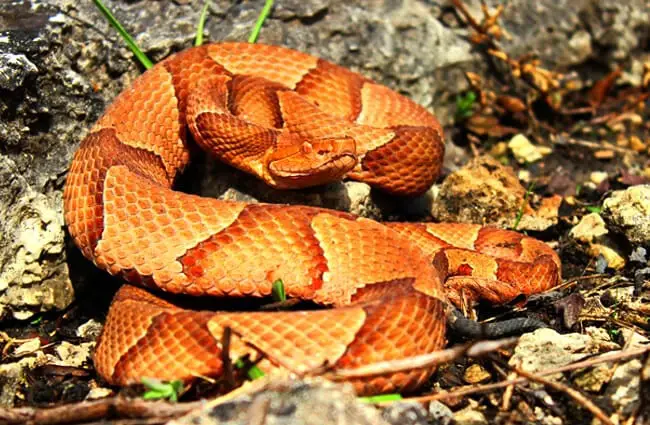
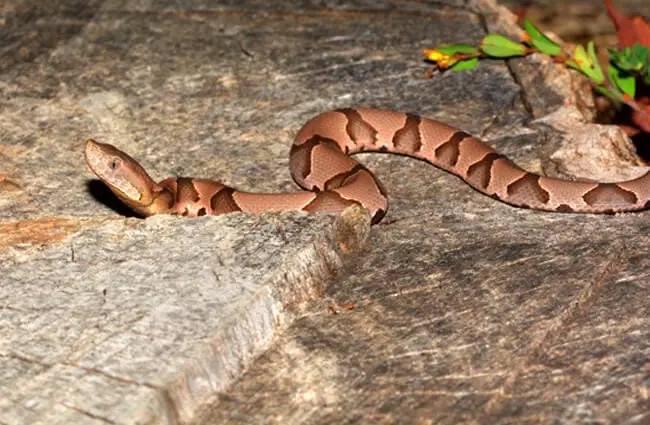
Adult copperheads typically reach lengths of two to three feet, though some individuals can grow larger. Their bodies are relatively thick, with a pattern of chestnut or reddish-brown crossbands on a lighter tan or grayish background. These crossbands are often described as “hourglass” shaped, becoming more fragmented along the sides of the body. Young copperheads are strikingly different, possessing a vibrant yellow or greenish-yellow tail tip used to lure prey, a behavior known as caudal luring. This tail tip fades as they mature.
Habitat and Distribution
Where Do Copperheads Live?
Copperheads are adaptable snakes found across a wide range of habitats in eastern and central North America. They prefer forested areas, rocky hillsides, and wetlands, but can also be found in abandoned fields and suburban gardens. They are particularly common in areas with abundant leaf litter, providing both cover and a hunting ground for small mammals.
Geographic Range
The range of the copperhead extends from southern New England and southeastern New York, westward through the Midwest to eastern Texas, and northward into parts of Canada. Different subspecies occupy specific regions, including the Northern Copperhead, Southern Copperhead, Osage Copperhead, and Broad-Banded Copperhead, each with slight variations in appearance and habitat preference.
Diet and Hunting Behavior
What Do Copperheads Eat?
Copperheads are primarily ambush predators, relying on camouflage and patience to capture their prey. Their diet consists mainly of small mammals, such as mice, voles, and chipmunks. They also consume birds, lizards, amphibians, and occasionally insects.
Hunting Techniques
Using their heat-sensing pits, copperheads can detect the body heat of their prey, even in darkness. They lie in wait, often concealed beneath leaf litter or branches, and strike quickly when an unsuspecting animal passes by. They subdue their prey with a venomous bite, envenomating it before swallowing. The venom helps to immobilize and begin digestion.
Reproduction and Life Cycle
Mating and Reproduction
Copperheads are viviparous, meaning they give birth to live young rather than laying eggs. Mating typically occurs in the spring, and females can store sperm to fertilize embryos over a prolonged period. A litter can range from two to twenty young, born in late summer or early fall. The number of young depends on the size and condition of the mother.
Life Cycle and Development
Young copperheads are miniature versions of the adults, possessing a functional venom apparatus from birth. They are vulnerable to predation and rely on camouflage and caudal luring to attract prey. Copperheads grow slowly and can live for ten to fifteen years in the wild. They shed their skin periodically as they grow, revealing a brighter, newer layer underneath.

Ecological Role and Interactions
Copperheads in the Ecosystem
As predators, copperheads play an important role in regulating populations of small mammals and other prey animals. They also serve as prey for larger predators, such as hawks, owls, and foxes, contributing to the overall health and biodiversity of the ecosystem. Their presence is an indicator of a balanced and functioning environment.
Interactions with Other Species
Copperheads often coexist with other snake species, sharing habitats and prey resources. They are generally not aggressive toward other snakes unless provoked. They can also be found sharing space with amphibians, reptiles, and various bird and mammal species.
Human Interactions and Safety
Copperhead Bites and First Aid
While copperheads are venomous, their venom is relatively mild, and serious bites are rare. Most bites occur when people accidentally step on or disturb a snake. If bitten, it’s crucial to remain calm, seek immediate medical attention, and identify the snake if possible. Traditional remedies like applying a tourniquet or attempting to suck out the venom are no longer recommended. Antivenom is available, but its use is typically reserved for severe cases.
Avoiding Encounters
When hiking or spending time in areas where copperheads are known to occur, wear sturdy boots, long pants, and be mindful of your surroundings. Avoid reaching into areas you can’t see, such as under rocks or logs. If you encounter a snake, give it plenty of space and allow it to move away on its own. Never attempt to handle or harass a snake.
Detailed Information for Aspiring Zoologists and Zookeepers
Venom Composition and Research
Copperhead venom is a complex mixture of enzymes and proteins, including metalloproteases, phospholipases, and serine proteases. These compounds break down tissues, causing localized pain, swelling, and potentially necrosis. Research into copperhead venom is ongoing, with potential applications in the development of new pharmaceuticals and therapies. The venom’s composition can vary slightly between subspecies and even individual snakes.
Captive Care and Husbandry
Caring for copperheads in captivity requires a specialized environment that mimics their natural habitat. Enclosures should be spacious, with a substrate of cypress mulch or aspen shavings. Provide a temperature gradient, with a basking spot of around 85-90°F and a cooler area of around 70-75°F. Humidity should be maintained at 50-60%. Copperheads require a diet of appropriately sized rodents, offered every 7-10 days. Careful attention to hygiene and safety protocols is essential when handling venomous snakes. Regular veterinary checkups are also crucial for maintaining their health. Avoid excessive handling, as it can cause stress and reduce their appetite.
Conservation Status and Threats
While copperheads are not currently listed as endangered or threatened, they face several ongoing threats, including habitat loss, road mortality, and persecution. Protecting their natural habitats and promoting responsible land management practices are essential for ensuring their long-term survival. Education about the ecological importance of snakes and dispelling common misconceptions can also help reduce human-wildlife conflict.
Fun Facts About Copperheads
- Copperheads can detect infrared radiation, allowing them to see heat signatures of warm-blooded animals.
- Young copperheads use their bright yellow tails to lure prey, mimicking the movement of insects or worms.
- The pattern on a copperhead’s skin provides excellent camouflage in forested environments.
- Copperheads can deliver a venomous bite even after being killed, due to residual nerve impulses.
- The name “copperhead” originates from the coppery-red color of the adult’s head.
- Copperheads brumate during the winter months, becoming inactive and slowing their metabolism.
The copperhead, scientifically known as Agkistrodon contortrix, remains an intriguing species that balances its fearsome reputation with vital ecological contributions. Understanding its behavior, physiology, and role in nature encourages appreciation and responsible stewardship of this remarkable snake.

![Closeup of a beautiful Red Angus cowPhoto by: U.S. Department of Agriculture [pubic domain]https://creativecommons.org/licenses/by/2.0/](https://animals.net/wp-content/uploads/2020/03/Red-Angus-4-100x75.jpg "Red Angus")