The Enigmatic Cobia: A Deep Dive into the Ocean’s Versatile Traveler
The ocean teems with fascinating life, and among its most intriguing inhabitants is the Cobia. Often described as a fish of many aliases – lemonfish, black salmon – this remarkable species captivates both seasoned anglers and marine biologists alike. Cobia are not merely a prized catch; they are a testament to adaptation, resilience, and a unique ecological role. This comprehensive guide explores every facet of the Cobia, from its evolutionary origins and habitat preferences to its behavior, reproduction, and relationship with humans.
What Exactly Is a Cobia? Basic Biology and Identification
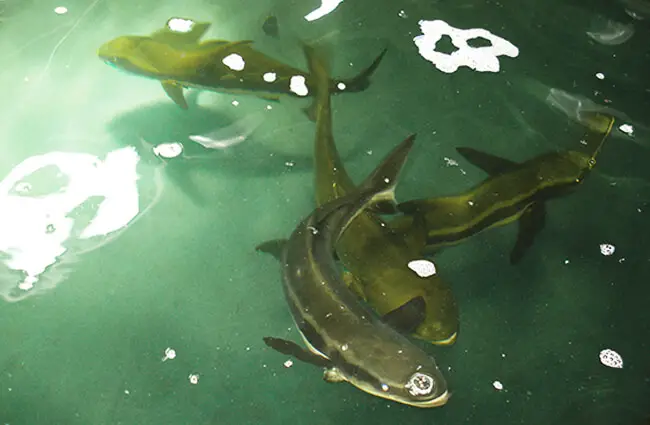
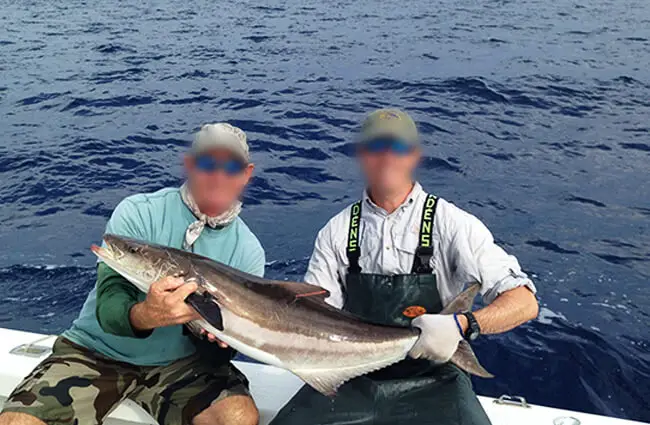
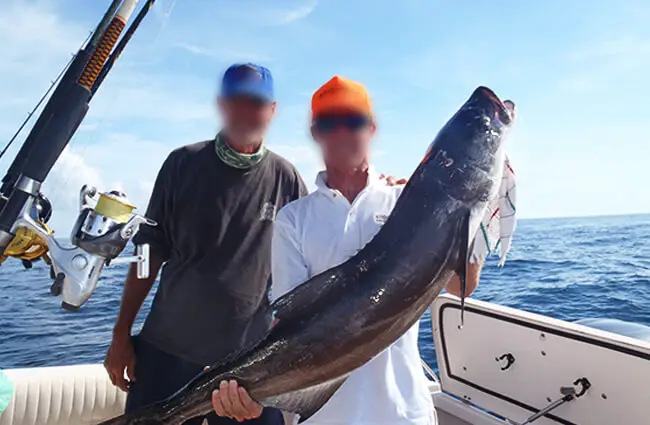
Cobia, scientifically known as Rachycentron canadum, is the only member of its genus and family – Rachycentridae. This immediately signals its unique evolutionary position. It’s a large, powerfully built fish, generally dark brown or greyish above and white below. Distinctive features include a broad, flattened head, a long anal fin, and a second dorsal fin that resembles a sickle. Adults typically reach lengths of 3 to 4 feet and can weigh over 100 pounds, though larger specimens have been recorded.
Its body shape and swimming style often lead to comparisons with sharks or remoras, but Cobia are firmly within the perciform order – a diverse group of ray-finned fishes. The lateral line is also very prominent, indicating sensitivity to vibrations in the water.
Habitat and Distribution: A Cosmopolitan Traveler
Cobia boasts an impressive global distribution, found in warm temperate and tropical waters worldwide. They inhabit surface waters, typically around structures like reefs, seamounts, buoys, and even floating seaweed mats. This association with structures isn’t coincidental; it provides shelter, foraging opportunities, and a base for social interactions.
Geographically, Cobia are common in the Atlantic Ocean, the Gulf of Mexico, the Caribbean Sea, the Indian Ocean, and the Pacific Ocean. They are known to migrate long distances, often following ocean currents and prey aggregations. Coastal waters offer prime habitat, particularly during spawning season. Increasingly, they’re being found in areas where they were previously rare, likely due to warming ocean temperatures.
Diet and Feeding Behavior: An Opportunistic Predator
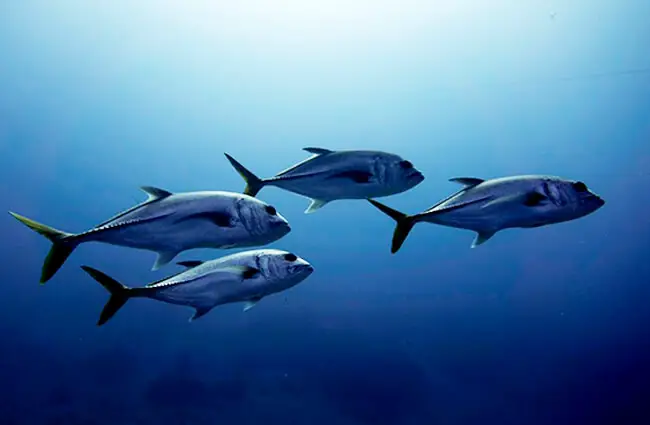
Cobia are opportunistic predators with a remarkably varied diet. They feed on a wide range of prey, including crabs, eels, squid, and various fish species – such as mackerel, herring, and jacks. Juvenile Cobia often feed on jellyfish and other gelatinous organisms. Their predatory strategy involves actively pursuing prey, but they’re also known to scavenge.
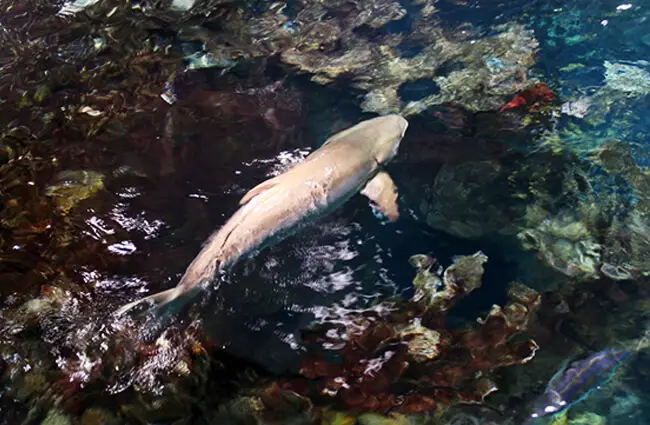
Interestingly, Cobia frequently associate with larger marine animals – such as sharks, rays, and sea turtles – and often feed on the organisms these animals stir up or leave behind. This commensal relationship can significantly enhance their foraging success. They are known for their speed and agility, allowing them to ambush prey effectively.
Reproduction and Life Cycle: A Spawning Aggregation
Cobia are broadcast spawners, meaning they release eggs and sperm into the water column for external fertilization. Spawning typically occurs in the spring and summer months, in offshore waters. They form large spawning aggregations, where numerous individuals gather to reproduce. These aggregations are often associated with specific oceanographic features, such as temperature fronts and upwelling zones.
The eggs are buoyant and drift with the currents, hatching into larvae that undergo a complex developmental process. Juvenile Cobia are pelagic, meaning they live in the open ocean, before eventually settling into coastal habitats. They reach sexual maturity relatively quickly, typically between 1 and 3 years of age. Little is known about the longevity of Cobia, but estimates suggest they can live for over 20 years.
Ecological Role and Interactions
Cobia play a vital role in marine ecosystems as both predators and prey. As predators, they help regulate populations of their prey species. They are also preyed upon by larger sharks and billfishes. Their association with other marine animals creates complex food web interactions.
Cobia are considered indicator species, meaning their health and abundance can reflect the overall health of the ecosystem. Declines in Cobia populations could signal environmental problems, such as habitat degradation or overfishing. Their scavenging behavior also contributes to nutrient cycling in the marine environment. They are also susceptible to parasites and diseases, highlighting the importance of maintaining healthy marine ecosystems.
Cobia and Humans: Fisheries, Aquaculture, and Culture
Cobia are highly prized by anglers for their fighting ability and delicious flavor. They are targeted by both recreational and commercial fisheries in many parts of the world. Their meat is considered a delicacy and is often sold as “black salmon.”
Recognizing the increasing demand for Cobia, aquaculture operations have been developed to raise them in controlled environments. This helps reduce pressure on wild populations and provides a sustainable source of seafood.
Historically, Cobia haven’t held significant cultural importance in most societies. However, in some coastal communities, they are considered a symbol of good luck and prosperity. Increasingly, they are featured in culinary tourism and seafood festivals.
Encountering Cobia in the Wild: Safety and Observation
If you encounter a Cobia while snorkeling, diving, or fishing, maintain a respectful distance. While generally not aggressive, they are powerful fish and can deliver a painful bite if provoked. Avoid touching or harassing them. If you are fishing, follow all local regulations and practice responsible angling techniques. Never attempt to feed them, as this can alter their natural behavior.
Cobia in Captivity: Zookeeper Considerations
Cobia require large, well-maintained aquariums with strong filtration systems. They are active swimmers and need ample space to exercise. A varied diet of fish, squid, and crustaceans is essential for maintaining their health. Regular monitoring of water quality and health parameters is crucial. Cobia can be susceptible to certain diseases, so preventative measures should be implemented. Providing enrichment activities, such as puzzles and toys, can help stimulate their minds and prevent boredom. A trained veterinarian should be consulted for any health concerns.
Fascinating Facts about Cobia
- Cobia can adjust their coloration to some extent, helping them blend with their surroundings.
- They are exceptionally fast swimmers, capable of reaching speeds of up to 40 miles per hour.
- Juvenile Cobia often follow rays and sea turtles, seeking protection and foraging opportunities.
- Cobia have a remarkably efficient circulatory system, allowing them to maintain high levels of activity.
- Their eyes are positioned forward, giving them excellent binocular vision.
Cobia remains a captivating subject for scientists, anglers, and marine enthusiasts. Its unique biology, ecological role, and captivating behavior continue to inspire awe and wonder. As we learn more about this remarkable species, we can better appreciate its importance and work toward ensuring its survival for generations to come.
![Closeup of a beautiful Red Angus cowPhoto by: U.S. Department of Agriculture [pubic domain]https://creativecommons.org/licenses/by/2.0/](https://animals.net/wp-content/uploads/2020/03/Red-Angus-4-238x178.jpg "Red Angus")
![Closeup of a beautiful Red Angus cowPhoto by: U.S. Department of Agriculture [pubic domain]https://creativecommons.org/licenses/by/2.0/](https://animals.net/wp-content/uploads/2020/03/Red-Angus-4-100x75.jpg "Red Angus")