Deep within the rugged, windswept peaks of the Andes Mountains lives a creature of extraordinary charm and resilience: the chinchilla. Known for its incredibly soft fur and captivating eyes, this small rodent holds a fascinating story of survival, adaptation, and a complex relationship with humanity. From its ancient evolutionary roots to its modern role as a beloved pet and a symbol of conservation, the chinchilla offers a window into the wonders of high-altitude life and the delicate balance of ecosystems.
The Chinchilla: A Marvel of the Andes
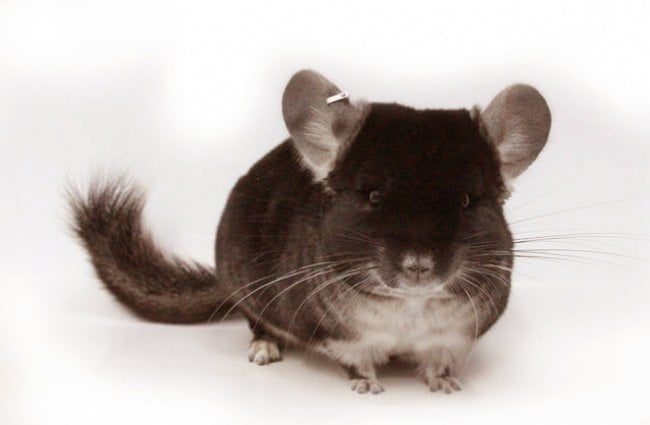
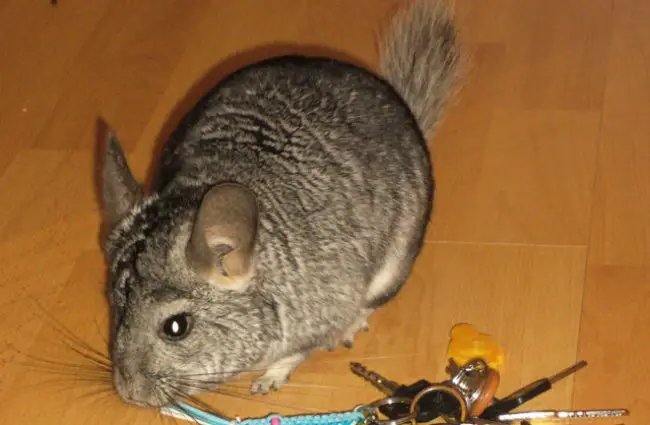
Chinchillas are members of the rodent family, specifically belonging to the genus Chinchilla. These captivating animals are native to the Andes Mountains in South America, where they have adapted to thrive in some of the planet’s most challenging environments. Their unique characteristics, from their physical appearance to their social behaviors, are all finely tuned for survival in their harsh, rocky homeland.
Two Species, One Endearing Name
There are primarily two recognized species of wild chinchillas:
- The Long-tailed Chinchilla (Chinchilla lanigera): This species is more commonly known and is the ancestor of most domestic chinchillas. It typically has a longer tail relative to its body size.
- The Short-tailed Chinchilla (Chinchilla brevicaudata): As its name suggests, this species possesses a shorter tail. It is generally larger and more robust than its long-tailed cousin, an adaptation believed to help it conserve heat in even colder, higher altitudes.
Both species share the characteristic dense fur and large ears that make them instantly recognizable.
Fur Like No Other
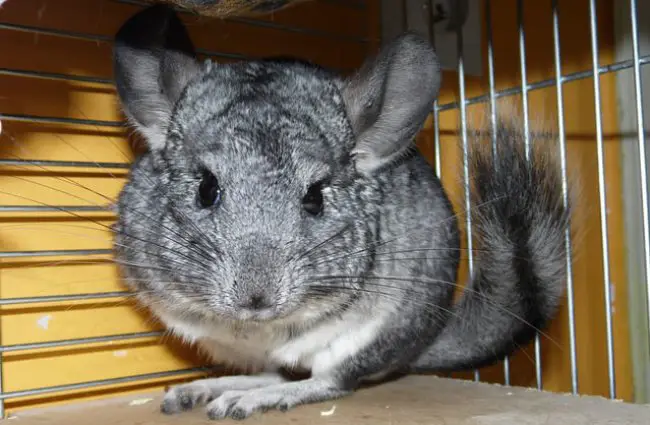
Perhaps the most striking feature of the chinchilla is its fur. It is renowned for being the densest of any land mammal, with an astonishing 50 to 80 hairs growing from a single follicle. In contrast, humans typically have one hair per follicle. This incredible density provides unparalleled insulation against the frigid temperatures of their mountain habitat. The fur is also incredibly soft to the touch, a quality that historically led to their near extinction.
To maintain the health and cleanliness of their dense coats, chinchillas do not bathe in water. Instead, they perform regular “dust baths,” rolling vigorously in fine volcanic ash or specialized chinchilla dust. This process removes oils, moisture, and loose fur, keeping their coat pristine and functional. Without these dust baths, their fur can become matted and unhealthy, leading to skin issues.
High-Altitude Living: Chinchilla Habitat and Lifestyle
The chinchilla’s life is intrinsically linked to the rugged terrain of the Andes, a landscape that has shaped every aspect of its existence.
Where the Wild Things Are
Wild chinchillas are endemic to the Andes Mountains of South America. Historically, their range extended across parts of Bolivia, Peru, Argentina, and Chile. However, due to severe population declines, their current wild distribution is much more restricted, primarily to isolated pockets in Chile. They inhabit arid and semi-arid regions at elevations ranging from 3,000 to 16,000 feet (900 to 5,000 meters) above sea level. These environments are characterized by:
- Rocky Outcrops and Crevices: Providing shelter from predators and the elements.
- Sparse Vegetation: Consisting of grasses, herbs, and small shrubs.
- Extreme Temperature Fluctuations: Hot days and freezing nights.
- Low Humidity: Essential for maintaining their fur.
An animal lover hoping to find a chinchilla in the wild would need to embark on a challenging expedition to these specific high-altitude, rocky desert environments in Chile, focusing on areas with known, albeit small, remaining populations. Patience, specialized gear, and a deep respect for their fragile habitat would be paramount.
A Day in the Life
Chinchillas are primarily nocturnal creatures, meaning they are most active during the twilight hours and at night. This adaptation helps them avoid diurnal predators and the intense daytime heat of their habitat. During the day, they retreat into burrows, rock crevices, or dense shrubbery, often living in colonies that can number over a hundred individuals. This social structure provides safety in numbers, aiding in predator detection and communal warmth.
Their large ears are not just for show; they are crucial for detecting predators in the dark. Their powerful hind legs allow them to leap impressive distances, providing a quick escape when threatened. They communicate through a variety of vocalizations, including chirps, barks, and warning calls.
What’s on the Menu?
As herbivores, chinchillas have a diet perfectly suited to the sparse vegetation of their mountainous home. Their primary food sources include:
- Grasses: Various types of tough, high-fiber grasses.
- Herbs: Small flowering plants found in their rocky environment.
- Leaves and Stems: From small shrubs and cacti.
- Seeds and Fruits: When available seasonally.
- Lichen and Moss: Scraped from rocks.
Their digestive system is adapted to process high-fiber, low-nutrient plant matter. A fascinating aspect of their diet is coprophagy, the consumption of their own soft fecal pellets. This practice allows them to re-ingest partially digested food, extracting additional nutrients and vitamins synthesized by gut bacteria, a common strategy among many herbivores to maximize nutrient absorption from fibrous diets.
A Journey Through Time: Chinchilla Evolution
The chinchilla’s lineage stretches back millions of years, showcasing a remarkable evolutionary journey that has sculpted them into the resilient creatures we see today.
Ancient Rodents
Chinchillas belong to the order Rodentia and the family Chinchillidae, which also includes viscachas. Their evolutionary history is deeply rooted in South America, a continent known for its unique mammalian radiations. Fossil evidence suggests that the ancestors of modern chinchillas were present in the region millions of years ago, evolving alongside other caviomorph rodents, a group that includes guinea pigs and capybaras.
Over millennia, chinchillas developed specific adaptations to thrive in the high-altitude, arid environments of the Andes. These adaptations include:
- Dense Fur: As discussed, a critical insulation layer against extreme cold.
- Large Ears: For acute hearing to detect predators and potentially for thermoregulation.
- Strong Hind Legs: For agile movement across rocky terrain and powerful leaps to escape danger.
- Specialized Digestive System: Capable of extracting nutrients from tough, fibrous plant material.
- Nocturnal Activity: To avoid daytime predators and extreme temperatures.
Their evolution is a testament to natural selection’s power, shaping a small rodent to not only survive but flourish in one of the world’s most demanding habitats.
The Circle of Life: Mating and Reproduction
Chinchilla reproduction is a carefully timed process, ensuring the survival of their young in a challenging environment.
Courtship and Family
In the wild, chinchillas typically breed during specific seasons, often coinciding with periods when food resources are more abundant. Females are generally larger and dominant over males. The gestation period for chinchillas is relatively long for a rodent, lasting approximately 111 days. This extended gestation results in the birth of altricial young, meaning they are born relatively well-developed.
A typical litter size ranges from one to three kits, though occasionally more can be born. These kits are born:
- Fully Furred: Providing immediate protection against the cold.
- With Open Eyes: Allowing them to perceive their surroundings from birth.
- Able to Move Around: Though initially wobbly, they gain mobility quickly.
This advanced state at birth significantly increases their chances of survival in the harsh Andean environment.
Parental Care
Both parents may participate in the care of the young, though the female takes the primary role in nursing. Kits are weaned around 6 to 8 weeks of age but will continue to stay with the family group for a period, learning essential survival skills. Sexual maturity is reached relatively early, around 4 to 8 months, but in the wild, chinchillas may wait longer to breed successfully.
Chinchillas in the Wild Ecosystem
Despite their small size, chinchillas play a vital role in their native ecosystem, contributing to the health and balance of the Andean environment.
Role as Herbivores
As primary consumers, chinchillas graze on various plants, influencing vegetation patterns. By consuming seeds and plant matter, they can contribute to seed dispersal through their droppings, helping to propagate certain plant species. Their burrowing activities also aerate the soil, which can benefit plant growth and soil health in their arid habitat.
Predators and Prey
In the wild, chinchillas are a prey species for a variety of predators. These include:
To evade these threats, chinchillas rely on their keen senses, nocturnal habits, and ability to quickly retreat into rocky crevices. When cornered, they may stand on their hind legs, emit warning barks, spray urine, or even shed patches of fur to escape a predator’s grasp, a defense mechanism known as “fur slip.”
Chinchillas and Humanity: A Complex Relationship
The history between chinchillas and humans is a poignant tale of exploitation, near extinction, and a modern shift towards appreciation and conservation.
From Fur Trade to Beloved Pets
For centuries, the indigenous peoples of the Andes, including the Chincha people from whom the animal gets its name, utilized chinchilla fur for clothing and blankets. However, with the arrival of European colonizers, the demand for their incredibly soft fur exploded, leading to an unsustainable fur trade that began in the 16th century and peaked in the 19th and early 20th centuries. Millions of chinchillas were hunted, pushing both wild species to the brink of extinction.
In the early 20th century, efforts began to establish chinchilla farms for their fur, and a small number of individuals were brought to North America for breeding. These captive-bred chinchillas eventually became popular exotic pets, cherished for their gentle nature, intelligence, and unique appearance. Today, the vast majority of chinchillas kept as pets are descendants of these farmed animals, far removed from their wild counterparts.
Cultural Footprint
Beyond their practical uses, chinchillas have held cultural significance. For Andean communities, they were a part of the natural landscape, often depicted in local folklore and art. In modern culture, the chinchilla has become an ambassador for wildlife conservation, highlighting the devastating impact of overhunting and the importance of protecting endangered species.
Conservation Challenges
Both the Long-tailed and Short-tailed Chinchilla are classified as Endangered or Critically Endangered by the IUCN. The primary threats to their survival include:
- Habitat Loss and Fragmentation: Due to mining, agriculture, and human settlement.
- Poaching: Despite legal protections, illegal hunting for fur still occurs.
- Climate Change: Altering their delicate high-altitude ecosystems.
Conservation efforts focus on protecting remaining wild populations, establishing protected areas, and combating illegal trade. Research into their ecology and population dynamics is crucial for developing effective conservation strategies.
Encountering a Chinchilla in the Wild
For a hiker or an animal lover, spotting a wild chinchilla is an incredibly rare and special event, given their critically endangered status and nocturnal habits. Here is what one should know:
Where to Look
Wild chinchillas are primarily found in very specific, remote, and often protected areas within the Andes of Chile. They prefer rocky, arid slopes with plenty of crevices for shelter. Look for signs of their presence, such as small, cylindrical droppings, gnawed vegetation, or dust bath depressions in fine soil. However, direct sightings are exceedingly uncommon.
What to Do
If you are incredibly fortunate to encounter a wild chinchilla:
- Observe from a Distance: Maintain a significant distance to avoid disturbing the animal. Use binoculars or a telephoto lens for observation.
- Remain Quiet and Still: Sudden movements or loud noises can startle them.
- Do Not Approach or Attempt to Touch: Wild animals are easily stressed by human presence, and approaching them can be dangerous for both the animal and the observer.
- Never Feed Wild Animals: Providing human food can disrupt their natural diet, lead to dependency, and cause health problems.
- Report Your Sighting: If you are in a national park or protected area, report your sighting to park rangers or local conservation authorities. This data is invaluable for monitoring populations.
- Respect Their Habitat: Leave no trace, do not disturb rocks or vegetation, and follow all park regulations.
Remember, the goal is to observe without impacting their natural behavior or environment.
Caring for Chinchillas in Captivity: A Zookeeper’s Guide
Caring for chinchillas in a captive environment, whether in a zoo or as a pet, requires specialized knowledge to meet their unique needs and ensure their well-being.
Habitat Requirements
- Spacious Cage: Chinchillas are active and need ample space. A multi-level wire cage with a solid bottom (to prevent foot injuries) is ideal. Minimum dimensions for a single chinchilla should be around 30x20x30 inches (length x width x height), but larger is always better, especially for groups.
- Temperature and Humidity Control: They are highly sensitive to heat and humidity. Ideal temperatures are between 60-75°F (15-24°C). Temperatures above 80°F (27°C) can cause heatstroke. Humidity should be kept low, ideally below 50%.
- Substrate: Use safe, absorbent bedding like kiln-dried pine shavings or paper-based bedding. Avoid cedar or untreated pine, which can cause respiratory issues.
- Enrichment: Provide plenty of chew toys (untreated wood, pumice stones) to keep their continuously growing teeth worn down. Tunnels, shelves, and hide boxes offer security and exercise. A chinchilla-safe exercise wheel (solid surface, no wire rungs) is also beneficial.
Dietary Needs
- High-Quality Chinchilla Pellets: These should form the base of their diet, providing balanced nutrition. Avoid mixes with seeds, nuts, or sugary treats.
- Unlimited Timothy Hay: Essential for digestive health and dental wear. It should be available at all times.
- Fresh Water: Provided in a sipper bottle, changed daily.
- Limited Treats: Small amounts of chinchilla-safe treats like rose hips, dried apple, or plain shredded wheat can be given sparingly. Avoid fresh fruits and vegetables in large quantities due to their high moisture content, which can cause digestive upset.
Health and Hygiene
- Dust Baths: Offer a dust bath daily or several times a week for 10-15 minutes using specialized chinchilla dust. This is crucial for fur health.
- Dental Care: Due to continuously growing teeth, proper diet (hay, chew toys) is paramount. Malocclusion (misalignment of teeth) is a common issue and requires veterinary attention.
- Regular Health Checks: Monitor for changes in appetite, activity level, fur condition, or droppings. Common ailments include respiratory infections, digestive issues, and heatstroke.
- Veterinary Care: Establish a relationship with a veterinarian experienced in exotic animals, specifically chinchillas, for routine check-ups and emergency care.
Socialization and Handling
- Social Animals: Chinchillas can be kept singly if given sufficient attention, but they often thrive in pairs or small groups of the same sex, provided they are introduced carefully.
- Gentle Handling: Approach calmly and support their entire body. Avoid grabbing them by the tail or fur, as this can cause injury or fur slip.
A zookeeper’s tasks would involve daily feeding, water changes, cage cleaning, dust bath provision, enrichment rotation, and meticulous observation of individual animal health and behavior. Avoiding sudden environmental changes, improper diets, and high temperatures are critical to their welfare.
Fascinating Chinchilla Facts
Here is a huge list of interesting facts about these remarkable rodents:
- Chinchillas can live for 10 to 20 years in captivity, significantly longer than many other rodents.
- Their scientific name, Chinchilla lanigera, translates roughly to “woolly chinchilla.”
- A chinchilla’s fur is so dense that fleas and other parasites cannot easily live in it.
- They have very delicate bones and should always be handled with extreme care.
- Chinchillas have excellent night vision, aiding their nocturnal foraging.
- Their large ears are not only for hearing but also help dissipate heat.
- They can jump up to 6 feet (1.8 meters) high.
- Chinchilla teeth are orange, a natural and healthy color due to iron deposits in the enamel.
- They are known for their distinct vocalizations, including barks, chirps, and grunts.
- The term “chinchilla” is believed to come from the Chincha people of the Andes, who traditionally hunted and wore their fur.
- They are related to guinea pigs and porcupines, belonging to the same suborder of rodents, Caviomorpha.
- Wild chinchillas are incredibly shy and elusive, making them difficult to study.
- Despite their soft appearance, they are incredibly hardy and adapted to extreme conditions.
- The fur slip defense mechanism allows them to shed a patch of fur when caught, enabling escape.
- Chinchillas are often used in scientific research, particularly for studies on hearing, due to their large auditory bullae.
The chinchilla’s story is a powerful reminder of the beauty and fragility of our planet’s biodiversity. From the dizzying heights of the Andes to the comfort of our homes, these captivating creatures continue to inspire awe and advocate for their own survival. Understanding their needs and respecting their place in the world is not just a scientific endeavor, but a shared responsibility for all who appreciate the wonders of the natural world.
![Closeup of a beautiful Red Angus cowPhoto by: U.S. Department of Agriculture [pubic domain]https://creativecommons.org/licenses/by/2.0/](https://animals.net/wp-content/uploads/2020/03/Red-Angus-4-238x178.jpg "Red Angus")

![Closeup of a beautiful Red Angus cowPhoto by: U.S. Department of Agriculture [pubic domain]https://creativecommons.org/licenses/by/2.0/](https://animals.net/wp-content/uploads/2020/03/Red-Angus-4-100x75.jpg "Red Angus")