In the vast tapestry of North American wildlife, few creatures command as much awe and respect as the California Condor. With its immense wingspan and ancient lineage, this magnificent bird is not merely an avian marvel, but a living testament to resilience, a crucial component of its ecosystem, and a powerful symbol of conservation success. Once teetering on the brink of extinction, the story of the California Condor is a gripping saga of scientific dedication, unwavering hope, and a species clawing its way back from the abyss.
Join us on a journey to discover the world of the California Condor, from its soaring flights over rugged landscapes to its vital role in nature’s grand design, and learn why this iconic bird continues to captivate the hearts of naturalists, scientists, and casual observers alike.
The Sky Giant: An Introduction to the California Condor
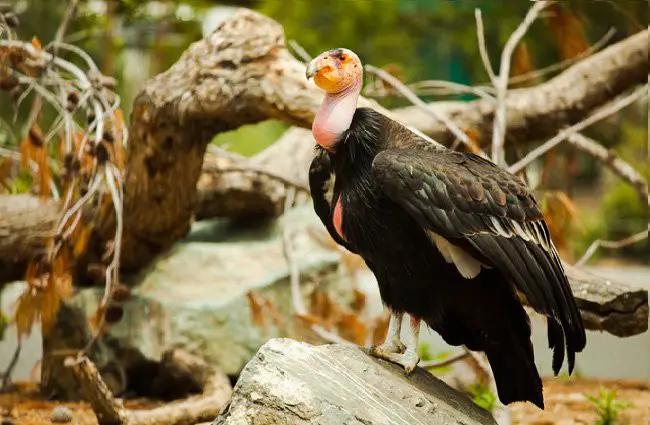
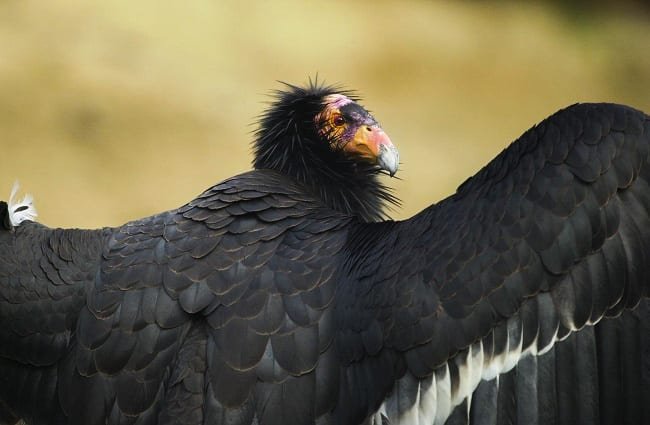
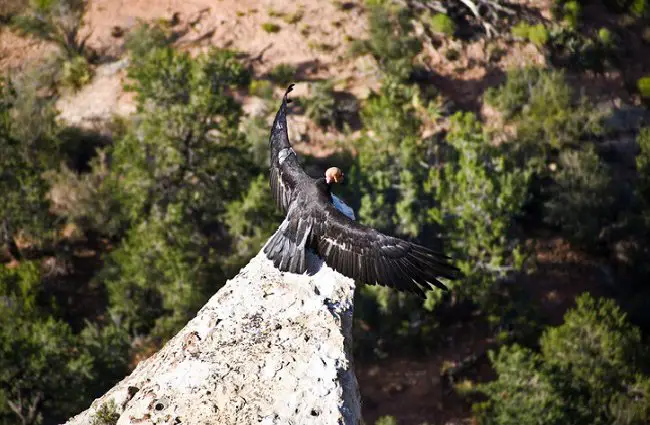
The California Condor (Gymnogyps californianus) is North America’s largest land bird, a true titan of the skies. Its sheer size is often the first thing that strikes an observer: a wingspan that can reach up to 10 feet (3 meters) and a body length of about 4 feet (1.2 meters). Weighing between 15 to 30 pounds (7 to 14 kg), these birds are built for soaring, effortlessly riding thermals for hours without a single wing flap.
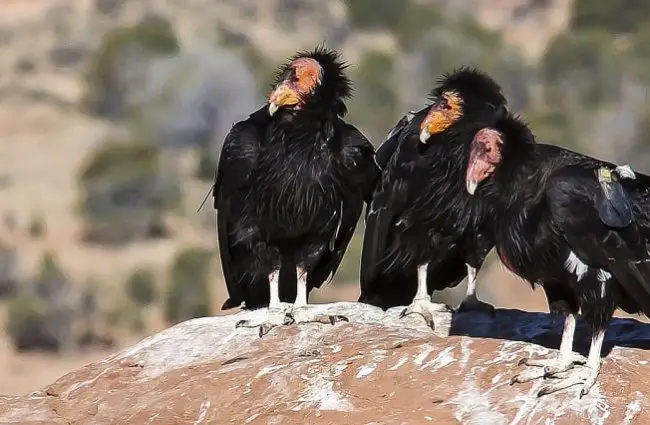
Visually, the adult condor is unmistakable. Its plumage is predominantly black, contrasting sharply with the bare, vibrant head and neck, which can range in color from yellowish-orange to reddish-pink, depending on the bird’s mood, age, and health. Juveniles, in contrast, have darker heads and a mottled appearance, gradually acquiring the adult coloration over several years. A distinctive white triangle or patch is visible under the wings, especially during flight, aiding in identification.
These majestic birds are members of the New World Vulture family, Cathartidae, and are not closely related to Old World Vultures. Their scientific name, Gymnogyps californianus, literally translates to “naked vulture from California,” a fitting description of their unique appearance.
Where the Condors Roam: Habitat and Range
Historically, California Condors ranged across much of North America, from British Columbia to Baja California, and even into Florida and New York during the Pleistocene epoch. Today, their range is far more restricted, a direct consequence of their near extinction and subsequent reintroduction efforts. Wild populations are primarily found in specific, carefully managed areas.
- California: The rugged mountains and canyons of Southern and Central California, including areas like the Sespe Condor Sanctuary, Tejon Ranch, and Pinnacles National Park.
- Arizona: The Grand Canyon region and surrounding plateaus, particularly the Vermilion Cliffs National Monument.
- Utah: Adjacent to the Arizona population, extending into southern Utah.
- Baja California, Mexico: A smaller, but growing, population in the Sierra de San Pedro Mártir National Park.
Condors prefer remote, mountainous regions characterized by cliffs, caves, and large trees for roosting and nesting. They require vast, undisturbed open spaces for foraging, often covering hundreds of miles in a single day. Their habitat is typically arid to semi-arid, with a mix of chaparral, oak woodlands, and coniferous forests at higher elevations.
The Ultimate Clean-Up Crew: Diet and Foraging
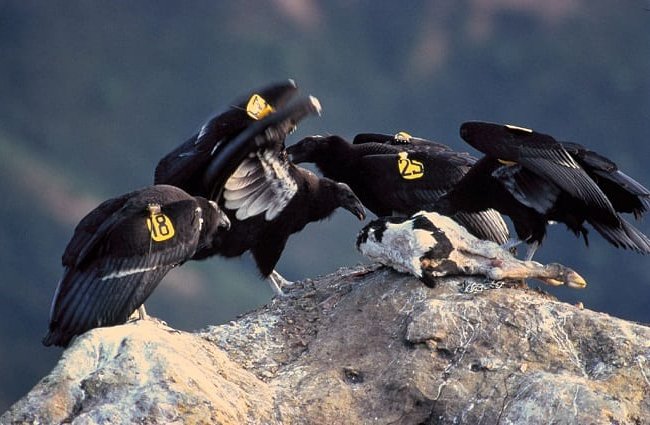
California Condors are obligate scavengers, meaning their diet consists exclusively of carrion, or dead animals. They play a vital ecological role as nature’s clean-up crew, preventing the spread of disease by consuming carcasses that might otherwise attract pathogens. Their keen eyesight allows them to spot carrion from great heights, often circling for extended periods before descending. They also rely on other scavengers, such as smaller vultures (like Turkey Vultures) and ravens, to locate food, observing their behavior and joining them at a carcass.
Their diet is diverse, encompassing a wide range of medium to large mammals, both wild and domestic. Common food sources include:
- Deer
- Elk
- Bighorn sheep
- Cattle
- Horses
- Pigs
- Marine mammals (such as seals and whales) found along coastal areas.
Condors possess powerful beaks capable of tearing through tough hides, and their bare heads and necks are an adaptation that helps them stay clean while feeding deep inside carcasses. They can consume large quantities of meat at once, sometimes gorging themselves to the point where they struggle to take flight, and then go for days or even weeks without another meal.
A Phoenix from the Ashes: Conservation Status and Recovery
The California Condor’s story is one of the most dramatic conservation sagas in history. By 1982, their population had plummeted to a mere 22 individuals in the wild, primarily due to lead poisoning from ammunition fragments in carrion, habitat loss, DDT poisoning, and poaching. This dire situation led to the controversial decision to capture all remaining wild condors for a captive breeding program.
The last wild condor was captured in 1987, bringing the species to the brink of extinction in the wild. However, thanks to intensive efforts by zoos and conservation organizations, the captive breeding program proved successful. Starting in 1992, condors were gradually reintroduced into their historical ranges. Today, the population has grown to over 500 individuals, with more than half flying free in the wild. While still critically endangered, their recovery is a monumental achievement and a beacon of hope for other endangered species.
Deeper Dive into the Condor’s World
Evolutionary Journey: A Glimpse into the Past
The California Condor is a relic of the Pleistocene megafauna, a time when giant mammals roamed North America. Its ancestors date back millions of years, with fossil records indicating a widespread distribution across the continent. During the Ice Ages, these massive scavengers thrived on the carcasses of mammoths, mastodons, giant sloths, and saber-toothed cats. As these megafauna disappeared, the condor’s range contracted, and its diet shifted to smaller, though still large, native mammals and marine carrion.
Genetically, the California Condor is closely related to the Andean Condor, found in South America, and the King Vulture. All are part of the New World Vulture family, distinct from Old World Vultures which evolved convergently to fill similar ecological niches. The California Condor represents a unique evolutionary branch, having survived numerous geological and climatic changes, only to face its greatest challenge from human activity.
Love in the High Places: Mating and Reproduction
California Condors are long-lived birds, capable of living for 60 years or more, and they are slow to reproduce, a factor that contributed to their vulnerability. They reach sexual maturity relatively late, typically between 6 to 8 years of age. Condors form strong, monogamous pair bonds that can last for many years, often for life.
The breeding season usually occurs from January to May. After an elaborate courtship display involving aerial acrobatics and ground displays, the pair selects a nesting site. These are almost always in remote, inaccessible locations, such as:
- Caves or crevices on cliff faces
- Large tree cavities (especially in giant sequoias or redwoods)
- Rock shelters
The female lays a single, pale bluish-white egg directly on the floor of the nest site, without building an elaborate nest structure. Both parents share incubation duties, which last for about 56 to 60 days. The chick, once hatched, is altricial, meaning it is helpless and covered in down. It requires intensive parental care for many months.
Fledging, when the chick takes its first flight, occurs at around 5 to 6 months of age. However, the juvenile remains dependent on its parents for food and learning foraging skills for another 6 to 12 months, sometimes even longer. This extended parental care means that condors typically only breed every other year, further slowing their population growth. This slow reproductive rate makes every individual condor incredibly valuable to the species’ survival.
Ecosystem Engineers: Contribution and Interactions
As obligate scavengers, California Condors are indispensable to the health of their ecosystems. By rapidly consuming large carcasses, they perform a crucial sanitation service, preventing the build-up of decaying matter that could become breeding grounds for disease-causing bacteria and viruses. This role is particularly important in remote wilderness areas where human intervention is minimal.
Their interactions with other animals are primarily centered around food. Condors often share carcasses with other scavengers like coyotes, bears, ravens, and smaller vultures. While their size usually grants them dominance at a feeding site, they are generally not aggressive and will often wait their turn or feed alongside other species. They are not predators and pose no threat to live animals. Their presence indicates a healthy ecosystem capable of supporting large mammals, whose deaths provide the condors with sustenance.
Condors in Culture: A Symbol of the Wild
For millennia, the California Condor has held deep cultural and spiritual significance for indigenous peoples of North America, particularly tribes in California and the Southwest. Revered as a sacred bird, it often features in creation myths, ceremonies, and rock art. Its immense size and ability to soar to incredible heights connected it to the heavens and the spirit world, symbolizing power, renewal, and the cycle of life and death.
In modern culture, the condor has become a powerful emblem of wilderness and conservation. Its dramatic comeback story inspires environmentalists worldwide and serves as a reminder of humanity’s capacity to both harm and heal the natural world. It represents the wild, untamed spirit of the American West and the ongoing effort to preserve its unique biodiversity.
Encountering the Condor: What You Need to Know
Finding Condors in the Wild: Tips for Animal Lovers
Spotting a California Condor in the wild is a truly unforgettable experience, a rare privilege. Due to their limited numbers and specific habitats, finding one requires patience, knowledge, and often, a bit of luck. Here’s how to increase your chances:
- Know the Locations: Focus on the established reintroduction sites:
- California: Pinnacles National Park, Tejon Ranch (limited public access, but condors fly over), and parts of the Los Padres National Forest.
- Arizona/Utah: Grand Canyon National Park (especially the North Rim), Vermilion Cliffs National Monument, Zion National Park, and Bryce Canyon National Park.
- Baja California: Sierra de San Pedro Mártir National Park (requires more extensive planning).
- Look Up: Condors spend much of their day soaring. Scan the skies, especially during midday when thermals are strongest.
- Use Binoculars or a Spotting Scope: Their immense size makes them visible from a distance, but optics are essential for detailed viewing and identification.
- Observe Other Scavengers: If you see Turkey Vultures or ravens circling, condors might be nearby, either already at a carcass or heading towards one.
- Visit Visitor Centers: Park rangers and local wildlife organizations often have up-to-date information on recent condor sightings.
- Be Patient: Condors cover vast territories. A successful sighting often involves waiting and observing for extended periods.
Responsible Interaction: What to Do if You Encounter a Condor
Encountering a California Condor in the wild is a rare and special event. It is crucial to remember that these are critically endangered wild animals, and their well-being depends on respectful human interaction. Here’s what to do:
- Maintain Distance: Always keep a significant distance, at least 100 feet (30 meters) or more. Never approach a condor, especially if it is feeding or roosting.
- Never Feed Them: This is paramount. Feeding condors, even unintentionally, can lead to them associating humans with food, making them habituated and vulnerable to human-related dangers. It can also expose them to inappropriate foods.
- Do Not Leave Food Scraps: Pack out all your trash, including food waste. Condors are attracted to human food and garbage, which can be harmful or even fatal to them.
- Observe Quietly: Avoid loud noises or sudden movements that could disturb the bird.
- Report Sightings (if appropriate): In some areas, conservation programs encourage reporting condor sightings, especially if you notice an injured bird or one behaving unusually. Check with local park authorities.
- Do Not Interfere: If you see a condor with a tag or tracking device, do not attempt to touch or remove it. These are part of vital monitoring efforts.
Your respectful behavior directly contributes to the ongoing success of condor recovery efforts.
Expert Insights: Caring for Condors and Fascinating Facts
Zookeeper’s Guide: Caring for California Condors in Captivity
Caring for California Condors in a zoological setting is a highly specialized and critical task, essential for the species’ survival through captive breeding and reintroduction programs. Zookeepers play a vital role in maintaining healthy populations and preparing birds for release.
Tasks a Zookeeper Performs:
- Dietary Management: Providing a carefully balanced diet of fresh, lead-free carrion (e.g., stillborn calves, rabbits, rats). Food is often hidden or presented in ways that encourage natural foraging behaviors.
- Habitat Maintenance: Ensuring enclosures are spacious, clean, and provide appropriate perching, roosting, and nesting sites (often artificial cliffs or large platforms). Environmental enrichment is crucial to prevent boredom and promote natural behaviors.
- Health Monitoring: Daily observation for signs of illness or injury. This includes regular weigh-ins, physical exams, and working with veterinary staff for medical procedures, vaccinations, and parasite control.
- Behavioral Observation: Monitoring social interactions, breeding behaviors, and overall well-being. This informs breeding pair selections and management strategies.
- Breeding Program Support: Facilitating breeding, including egg collection for artificial incubation (to encourage double-clutching), hand-rearing chicks (if necessary), and monitoring chick development.
- Lead Abatement: Implementing strict protocols to ensure all food sources are free of lead fragments, a major threat to condors.
- Pre-Release Conditioning: For birds destined for the wild, zookeepers help with flight conditioning, aversion training (to avoid power lines, humans), and minimizing human imprinting through methods like puppet feeding.
- Record Keeping: Meticulous documentation of diet, health, behavior, and breeding outcomes.
What a Zookeeper Should Avoid:
- Human Imprinting: Minimizing direct human contact, especially with chicks intended for release, to ensure they develop natural fear of humans. Puppet feeding and visual barriers are often used.
- Lead Contamination: Any possibility of lead exposure in food or environment must be rigorously avoided.
- Over-Interference: Allowing natural behaviors to occur without unnecessary intervention, especially during breeding, unless health or safety is at risk.
- Stressors: Minimizing loud noises, sudden movements, or other environmental stressors that can negatively impact the birds’ welfare.
- Inadequate Enrichment: A lack of mental and physical stimulation can lead to stereotypic behaviors and poor health.
A List of Intriguing California Condor Facts
The California Condor is full of surprises. Here are some fascinating facts that highlight its unique biology and history:
- Longest Lifespan of Any Bird: Condors can live for over 60 years in the wild and even longer in captivity, making them one of the longest-living birds on Earth.
- Massive Wingspan: With a wingspan of up to 10 feet (3 meters), it is the largest flying land bird in North America. Only the Wandering Albatross has a larger wingspan among all flying birds.
- Featherless Head: Their bald head and neck are an adaptation that helps them stay clean while feeding inside carcasses, preventing feathers from becoming soiled with blood and other fluids.
- Master Soarers: Condors can glide for miles without flapping their wings, using thermal air currents to conserve energy. They can reach speeds of up to 55 miles per hour (88 km/h) and altitudes of 15,000 feet (4,500 meters).
- Exceptional Vision: They possess incredibly sharp eyesight, allowing them to spot carrion from thousands of feet in the air.
- Slow Reproducers: Condors lay only one egg every one to two years, and the chick requires extensive parental care for over a year. This slow reproductive rate makes population recovery challenging.
- Vocalizations: Unlike many birds, condors do not have a syrinx (voice box) and thus cannot sing. Their vocalizations are limited to hisses, grunts, and snorts.
- Social Birds: While solitary foragers, condors often roost and feed communally, forming complex social hierarchies.
- Ancient Lineage: Condors are living fossils, with ancestors dating back to the Pleistocene epoch, having witnessed the age of mammoths and saber-toothed cats.
- Numbered for Life: Each reintroduced condor is given a unique number and often wears visible wing tags for individual identification and monitoring by researchers.
- Lead Poisoning is the Biggest Threat: Even today, lead poisoning from bullet fragments in carrion remains the primary cause of death for wild condors, necessitating ongoing lead abatement efforts.
- A Global Symbol: The California Condor’s recovery story is celebrated worldwide as one of the most successful and inspiring conservation efforts in history.
The Enduring Legacy of the California Condor
The journey of the California Condor from the brink of oblivion to its gradual return to the skies is a powerful narrative of hope and perseverance. It underscores the profound interconnectedness of all life and the critical role that each species plays within its ecosystem. As nature’s diligent clean-up crew, condors are not just magnificent birds; they are essential guardians of environmental health, silently working to maintain balance in the wild landscapes they inhabit.
Their story reminds us that conservation is an ongoing commitment, requiring vigilance, scientific innovation, and the collective will to protect our planet’s biodiversity. Every soaring condor is a testament to what can be achieved when humanity chooses to act as stewards of the natural world. May their majestic silhouettes continue to grace our skies for generations to come, inspiring us all to cherish and protect the wild wonders that remain.
![Closeup of a beautiful Red Angus cowPhoto by: U.S. Department of Agriculture [pubic domain]https://creativecommons.org/licenses/by/2.0/](https://animals.net/wp-content/uploads/2020/03/Red-Angus-4-238x178.jpg "Red Angus")
![Closeup of a beautiful Red Angus cowPhoto by: U.S. Department of Agriculture [pubic domain]https://creativecommons.org/licenses/by/2.0/](https://animals.net/wp-content/uploads/2020/03/Red-Angus-4-100x75.jpg "Red Angus")