A Comprehensive Guide to the Boa Constrictor
The boa constrictor, a majestic and powerful snake, holds a significant place in both the natural world and human imagination. Found throughout Central and South America, these nonvenomous constrictors are renowned for their striking patterns, adaptable nature, and crucial role in their ecosystems. This guide delves into the fascinating world of the boa constrictor, covering everything from its evolutionary history and habitat to its behavior, reproduction, and interactions with wildlife and humans.
What is a Boa Constrictor?
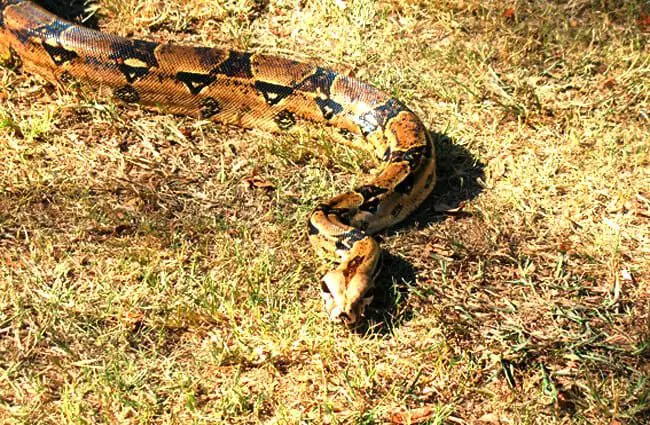
Boa constrictors (Boa constrictor) are large, heavy‑bodied snakes belonging to the Boidae family. They are not pit vipers or related to cobras, and possess no venom. Instead, they subdue their prey by constriction, coiling around it and squeezing until it suffocates. The name “boa” comes from the Spanish and Portuguese word for “snake,” while “constrictor” accurately describes their method of predation.
Evolutionary History and Taxonomy
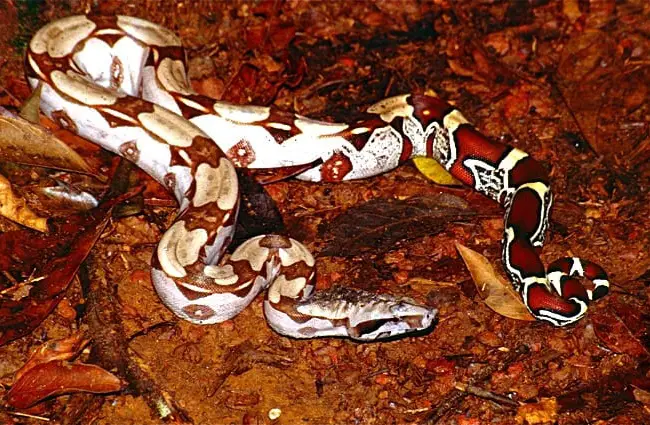
The evolutionary lineage of boa constrictors traces back to the Paleocene epoch, approximately 66 to 56 million years ago. Fossil evidence suggests that the ancestors of modern boas were terrestrial snakes that once inhabited the ancient continent of Gondwana. Over millions of years, they diversified and spread across the Americas. Within the species Boa constrictor, several subspecies have been identified, each adapted to specific geographical regions and showing variations in color and pattern. Notable subspecies include the red‑tail boa (Boa constrictor imperator) and the Colombian red‑tail boa (Boa constrictor colombiana), among others.
Habitat and Distribution
Boa constrictors are native to a wide range of habitats throughout Central and South America, from Mexico to Argentina. They are found in tropical rainforests, deciduous forests, savannas, and even semi‑arid areas. These snakes are adaptable to different altitudes, inhabiting regions from sea level to over 3000 feet. They prefer areas with ample moisture, shelter such as tree cavities or burrows, and a plentiful supply of prey. Boa constrictors are often located near water sources like rivers, streams, and swamps.
Physical Characteristics
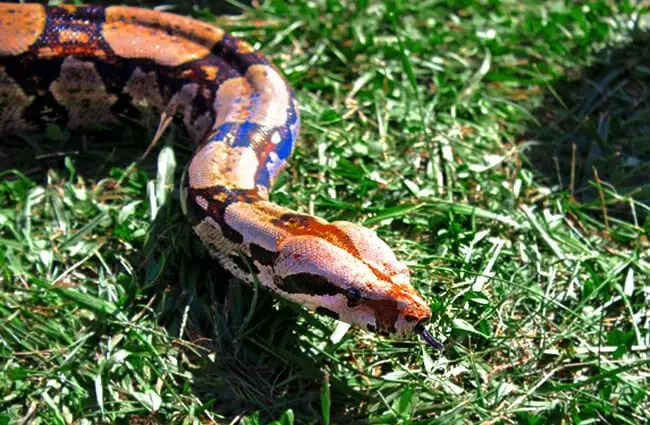
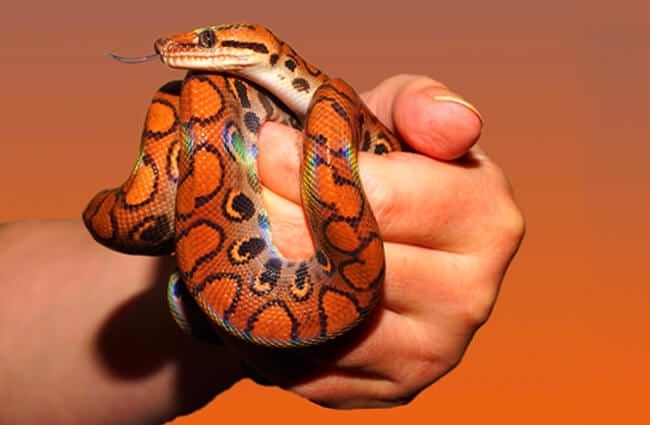
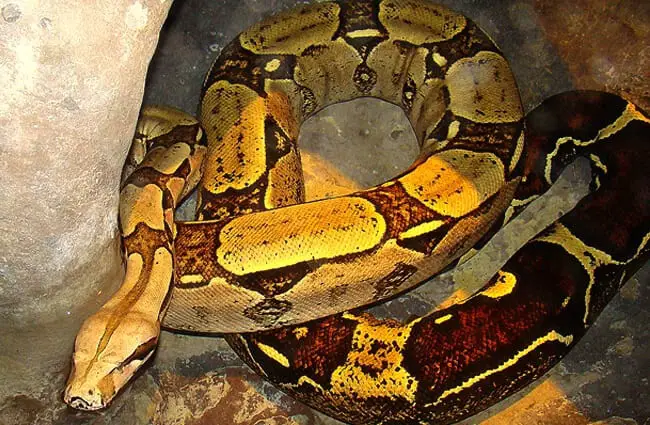
Adult boa constrictors typically reach lengths of 6 to 13 feet, though exceptional individuals can exceed 18 feet. Females are generally larger and heavier than males. Their bodies are muscular and cylindrical, covered in smooth or slightly keeled scales. Coloration varies widely, from shades of gray, brown, and cream to vibrant oranges, reds, and yellows. Distinctive saddle patterns or blotches run along the length of the body, providing excellent camouflage. A heat‑sensing pit located between the labial scales and the eye helps them detect warm‑blooded prey.
Diet and Hunting Behavior
Boa constrictors are opportunistic predators with a diverse diet. Young boas primarily eat small rodents, lizards, and birds. As they mature, their prey expands to include larger mammals such as opossums, monkeys, and even deer. They are ambush predators, patiently waiting for prey to come within striking distance. Once they strike, they constrict the prey, suffocating it before consuming it whole. Digestion is a slow process, often taking several days or even weeks to complete. Boas can go for extended periods without feeding, especially after a large meal.
Reproduction and Life Cycle
Boa constrictors are ovoviviparous, meaning they give birth to live young. Males attract females through scent and physical displays. Mating typically occurs during the rainy season. After fertilization, the female incubates the eggs internally for approximately 5 to 8 months. The litter size varies depending on the size and age of the female, ranging from a few to several dozen offspring. The young are born fully developed and capable of hunting on their own. They reach sexual maturity at around 3 to 5 years of age. Their lifespan in the wild can exceed 30 years, with some individuals living even longer in captivity.
Ecological Role and Interactions
Boa constrictors play a vital role in maintaining the balance of their ecosystems. As mid‑level predators, they help control populations of rodents and other small mammals, preventing overgrazing and disease outbreaks. They are also prey for larger predators such as jaguars, eagles, and caimans. In their habitats, boas coexist with a variety of other animals, including monkeys, birds, and reptiles. Their interactions can range from predation and competition to commensalism and mutualism. For example, some bird species follow boas, feeding on the scraps left behind after a meal.
Boa Constrictors and Humans
Throughout history, boa constrictors have held cultural significance for indigenous peoples of Central and South America. They are often depicted in mythology and art, representing power, strength, and fertility. Today, they are popular pets and exhibit animals in zoos and aquariums. However, human activities such as habitat destruction, hunting, and the pet trade pose threats to their populations in some areas. Conservation efforts are essential to ensure their long‑term survival.
Encountering a Boa Constrictor in the Wild
If you encounter a boa constrictor in the wild, it is best to maintain a safe distance and avoid any sudden movements. Boas are not typically aggressive toward humans unless they feel threatened. Do not attempt to handle or provoke the snake. Give it plenty of space to move away on its own. If you must move the snake, contact local wildlife authorities for assistance.
Caring for a Boa Constrictor in Captivity
Caring for a boa constrictor in captivity requires a significant commitment. They need a spacious enclosure with appropriate temperature and humidity control. A varied diet of appropriately sized prey is essential. Regular cleaning and hygiene prevent disease. Handling should be gentle and respectful. It is crucial to research the specific needs of your boa constrictor subspecies and provide it with the best possible care.
Interesting Facts
- Boa constrictors can slow their heart rate to conserve energy while digesting a meal.
- Their scales contain microscopic ridges that help them grip surfaces.
- They can detect vibrations in the ground, allowing them to locate prey.
- Females are larger and live longer than males.
- Some subspecies exhibit a variety of color and pattern variations.
- The name “boa” is derived from the Spanish word for “snake”.
The boa constrictor remains a fascinating creature, embodying the beauty and power of the natural world. By understanding its biology, ecology, and behavior, we can appreciate its vital role in the ecosystem and ensure its survival for generations to come.
![Closeup of a beautiful Red Angus cowPhoto by: U.S. Department of Agriculture [pubic domain]https://creativecommons.org/licenses/by/2.0/](https://animals.net/wp-content/uploads/2020/03/Red-Angus-4-238x178.jpg "Red Angus")

![Closeup of a beautiful Red Angus cowPhoto by: U.S. Department of Agriculture [pubic domain]https://creativecommons.org/licenses/by/2.0/](https://animals.net/wp-content/uploads/2020/03/Red-Angus-4-100x75.jpg "Red Angus")