In the vast and wondrous tapestry of aquatic life, some creatures shine brighter than others, captivating enthusiasts and scientists alike with their unique charm and adaptability. Among these stars of the freshwater and brackish world is the Black Molly, a fish whose sleek, velvety appearance belies a fascinating biology and a rich history of interaction with both its natural environment and human culture.
The Enigmatic Black Molly: A Glimpse into its World
What Exactly is a Black Molly?
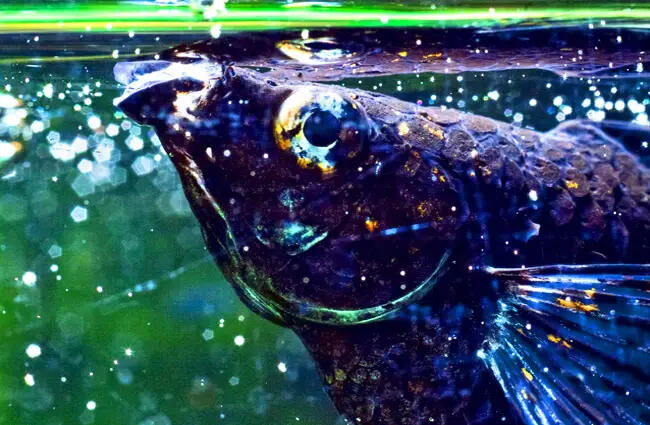
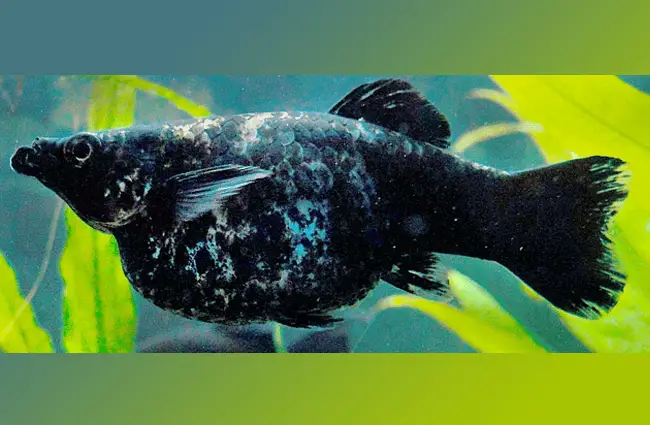
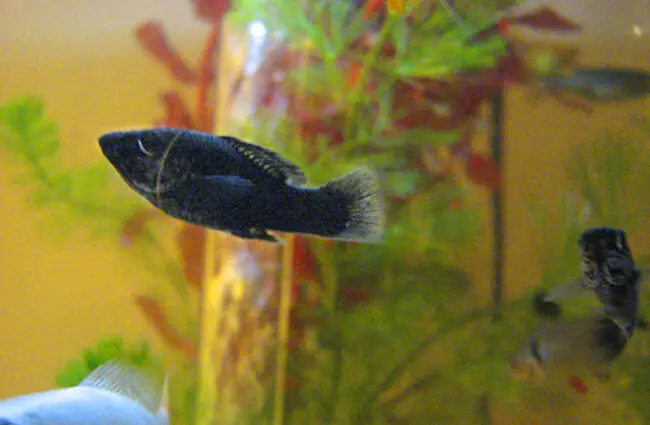
The Black Molly, scientifically known as Poecilia sphenops, is a striking variant of the common molly. While wild mollies exhibit a range of colors, from silver to olive green, the jet-black coloration of the Black Molly is a product of selective breeding, making it a beloved staple in the aquarium hobby. These small, robust fish typically reach lengths of 2 to 4 inches, characterized by their deep, compressed bodies and fan-like caudal fins. Their distinctive dark hue is not merely aesthetic; it is a testament to the genetic diversity within the molly genus and the careful cultivation by aquarists over generations.
Beyond their captivating appearance, Black Mollies are known for their lively disposition and their remarkable adaptability. They are livebearers, meaning they give birth to fully formed, free-swimming young, a reproductive strategy that sets them apart from egg-laying fish and contributes to their prolific nature.
A Natural Home: Unveiling the Black Molly’s Wild Habitat
While the pure black variant is largely a captive creation, its ancestors, the wild mollies, thrive in a diverse array of habitats across the Americas. Their native range extends from the southeastern United States, through Mexico, and into Central and South America. These resilient fish are typically found in coastal freshwater streams, rivers, and estuaries, often venturing into brackish waters where freshwater mixes with the sea. This incredible tolerance for varying salinity levels is a hallmark of the molly species, allowing them to exploit a wider range of ecological niches than many other fish.
In their natural environment, Black Mollies and their wild relatives prefer warm, shallow waters with abundant vegetation. These areas provide not only shelter from predators but also a rich source of food, primarily algae and small invertebrates. The water parameters in these habitats can vary significantly, but generally, mollies thrive in temperatures ranging from 72 to 82 degrees Fahrenheit (22 to 28 degrees Celsius), with a pH between 7.0 and 8.5. Their ability to adapt to both freshwater and brackish conditions makes them true survivors in dynamic aquatic landscapes.
An Evolutionary Journey: Tracing the Black Molly’s Ancestry
From Ancient Waters to Modern Aquariums
The evolutionary history of the Black Molly, and indeed all mollies, is a fascinating tale of adaptation and diversification. Belonging to the family Poeciliidae, mollies share a common ancestor with other well-known livebearers like guppies and platies. Their lineage can be traced back millions of years, evolving in the warm, often fluctuating aquatic environments of the Americas. A key evolutionary advantage of mollies is their viviparous reproduction, giving birth to live young. This strategy offers a higher survival rate for offspring compared to egg-laying species, as the developing embryos are protected within the mother’s body from external threats.
Furthermore, the molly’s remarkable osmoregulation capabilities, allowing them to tolerate a wide range of salinities, is a significant evolutionary adaptation. This physiological flexibility enabled them to colonize diverse habitats, from pristine freshwater springs to coastal mangrove swamps and even hypersaline lagoons. The Black Molly itself is a product of human-directed evolution, a result of selective breeding programs that favored the melanistic (black) mutation, demonstrating how human intervention can shape the trajectory of a species’ appearance and characteristics.
The Black Molly’s Menu: A Diverse Palate
Wild Foraging: What Mollies Eat in Nature
In their natural habitats, Black Mollies and their wild counterparts are omnivores with a strong preference for plant matter. Their diet primarily consists of various forms of algae, which they graze from rocks, submerged wood, and plant leaves. This algal consumption plays a crucial role in their ecosystem, helping to control algal blooms and maintain water quality. Beyond algae, mollies also supplement their diet with small invertebrates, such as insect larvae, tiny crustaceans, and zooplankton. This varied diet ensures they receive a full spectrum of nutrients necessary for growth and reproduction. Their feeding behavior often involves skimming the water’s surface or nibbling at submerged surfaces, showcasing their adaptability in finding sustenance.
Captive Cuisine: Feeding Your Aquarium Mollies
For those caring for Black Mollies in captivity, providing a balanced and varied diet is paramount to their health and vibrancy. High-quality flake or pellet food formulated for omnivorous tropical fish should form the foundation of their diet. However, it is essential to supplement this with plenty of vegetable matter. Blanched spinach, zucchini, peas, or specialized algae wafers are excellent choices. Live or frozen foods such as brine shrimp, daphnia, and bloodworms can be offered as occasional treats, providing essential proteins and stimulating their natural foraging instincts. Feeding small amounts multiple times a day is generally preferred over a single large feeding, mimicking their continuous grazing behavior in the wild and preventing overfeeding.
The Dance of Life: Mating and Reproduction in Black Mollies
Livebearers Extraordinaire
One of the most captivating aspects of Black Molly biology is their reproductive strategy as livebearers. Unlike many fish that lay eggs, female mollies carry their eggs internally, and the embryos develop within her body, nourished by a yolk sac. Gestation typically lasts between 30 to 45 days, depending on factors like temperature and nutrition. At the end of this period, the female gives birth to fully formed, miniature versions of the adults, known as fry. A single female can produce anywhere from 20 to over 100 fry in one brood. This process can occur every 30 to 60 days, making mollies incredibly prolific breeders. The fry are immediately capable of swimming and seeking food, though they are vulnerable to predation, even from their own parents.
Courtship and Parental Care
Molly courtship involves the male pursuing the female, often displaying his fins and attempting to mate. Males possess a modified anal fin called a gonopodium, which is used to internally fertilize the female. Females can store sperm for several months, allowing them to produce multiple broods from a single mating, even in the absence of a male. This remarkable ability ensures reproductive success in environments where mates might be scarce. Parental care in mollies is minimal to non-existent; once the fry are born, they are left to fend for themselves. In fact, adult mollies will readily consume their own offspring if given the opportunity, a common behavior among many livebearing species. Providing dense vegetation or specialized breeding boxes in captivity is crucial for fry survival.
More Than Just a Pretty Face: Black Mollies in the Ecosystem
Algae Eaters and Beyond
In their native ecosystems, wild mollies play a vital role as primary consumers, primarily through their voracious appetite for algae. By grazing on algal mats, they help to prevent overgrowth, which can otherwise deplete oxygen levels and harm other aquatic life. This natural algae control contributes to the overall health and balance of their aquatic environments. Furthermore, mollies serve as a food source for a variety of predators, including larger fish, birds, and even some reptiles and amphibians, thus occupying a crucial position in the food web. Their rapid reproductive rate ensures a continuous supply of biomass, supporting these higher trophic levels.
Interactions with Fellow Aquatic Dwellers
Black Mollies are generally peaceful fish, making them good community tank inhabitants in captivity. In the wild, they typically coexist harmoniously with other species that share their habitat, such as other small fish, invertebrates, and amphibians. Their interactions are largely limited to foraging and avoiding predation. While they are not known for aggressive territorial displays, male mollies can sometimes exhibit fin-nipping behavior towards each other or other fish if the tank is too small or overcrowded. Understanding these social dynamics is important for both observing them in nature and managing them in an aquarium setting.
Black Mollies and Humanity: A Shared History
The Aquarium Darling
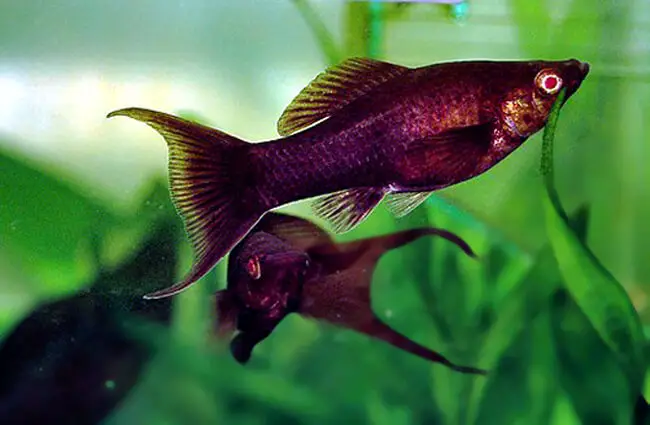
The Black Molly’s most significant contribution to human culture is undoubtedly its role as a popular aquarium fish. Its striking appearance, peaceful nature, and relative ease of care have made it a favorite among aquarists of all experience levels. The selective breeding that led to the Black Molly has also produced numerous other color and fin variations, such as the Sailfin Molly and Lyretail Molly, further cementing their place in the ornamental fish trade. Their presence in home aquariums around the world fosters an appreciation for aquatic life and encourages responsible pet ownership.
Scientific Insights and Practical Applications
Beyond their aesthetic appeal, mollies have also been valuable subjects in scientific research. Their adaptability to varying salinities makes them excellent models for studying osmoregulation and environmental tolerance. Their livebearing reproduction provides insights into reproductive biology and genetics. In some regions, mollies have even been explored for their potential in biological pest control, particularly in managing mosquito populations. By consuming mosquito larvae, they offer an environmentally friendly alternative to chemical pesticides, showcasing their practical utility in human endeavors.
Seeking the Black Molly in its Natural Realm
Where to Look and What to Expect
For the intrepid animal lover hoping to observe mollies in their natural habitat, the journey would lead to the warm, coastal waters of the Americas. Focus on shallow, vegetated areas of freshwater streams, rivers, and estuaries. Look for slow-moving sections with plenty of aquatic plants, submerged roots, or fallen branches, which provide both food and cover. Observing them often requires patience and a keen eye, as they are small and can blend into their surroundings. A snorkel and mask can offer an unparalleled view into their underwater world, allowing one to witness their grazing behavior and interactions with other species firsthand. Remember that the pure black variant is rare in the wild, so you are more likely to encounter their wild-type, often silver or olive-colored, ancestors.
Responsible Wildlife Observation
For hikers or nature enthusiasts who might encounter mollies in the wild, the best course of action is always respectful observation. Do not attempt to catch or disturb the fish. Avoid introducing anything into the water that could alter its chemistry or introduce foreign pathogens. Simply enjoy the spectacle of these adaptable fish thriving in their natural environment. If you are in an area where mollies are present, consider their role in the local ecosystem and appreciate their contribution to biodiversity. Leave no trace, and ensure the habitat remains pristine for future generations of mollies and other wildlife.
The Art of Molly Keeping: A Zookeeper’s Guide to Captive Care
Crafting the Perfect Habitat
Caring for Black Mollies in a captive environment, whether in a home aquarium or a zoo exhibit, requires attention to detail to replicate their natural conditions. A minimum tank size of 20 gallons is recommended for a small group, with larger tanks preferred for multiple fish or breeding. The tank should be well-planted with live or artificial plants to provide hiding spots and a sense of security. A dark substrate can help highlight their black coloration. Filtration should be robust, providing good water circulation without creating excessive currents. Heaters are essential to maintain a stable temperature between 72 and 82 degrees Fahrenheit (22 to 28 degrees Celsius).
Maintaining Pristine Waters
Water quality is paramount for Black Mollies. They thrive in slightly alkaline water with a pH between 7.0 and 8.5. While they can tolerate freshwater, adding a small amount of aquarium salt (about one tablespoon per 5 gallons) can mimic their brackish origins and often improves their health and vitality, though it is not strictly necessary. Regular partial water changes (25-30% weekly) are crucial to remove nitrates and replenish essential minerals. Monitoring water parameters with a test kit for ammonia, nitrite, and nitrate is a routine task for any zookeeper or aquarist to ensure a healthy environment.
Dietary Delights for Captive Mollies
As discussed, captive mollies require a varied diet. A high-quality flake or pellet food should be supplemented daily with vegetable matter. Blanched greens like spinach, spirulina flakes, or algae wafers are excellent. Occasional treats of live or frozen foods such as brine shrimp, daphnia, or bloodworms provide enrichment and essential nutrients. Overfeeding should be avoided, as it can lead to health issues and poor water quality. Feed small amounts two to three times a day, ensuring all food is consumed within a few minutes.
Social Dynamics and Health Monitoring
Black Mollies are schooling fish and do best in groups of at least three, with a recommended ratio of two females to one male to prevent excessive male harassment of females. They are generally peaceful and can be housed with other similarly sized, non-aggressive tropical fish. Zookeepers should regularly observe their mollies for signs of stress or illness, such as clamped fins, lethargy, loss of appetite, or unusual spots. Common ailments include Ich (white spot disease) and fin rot, often exacerbated by poor water quality. Prompt diagnosis and treatment are vital.
Breeding in Captivity
Breeding Black Mollies in captivity is relatively straightforward due to their prolific nature. To ensure fry survival, provide dense plant cover (like Java moss) where the fry can hide. Alternatively, a breeding box or separate fry tank can be used. The fry should be fed finely crushed flake food, specialized fry food, or newly hatched brine shrimp multiple times a day. Maintaining excellent water quality is especially important for the delicate fry.
Fascinating Facts About the Black Molly
- Coloration Origin: The iconic black color of the Black Molly is not naturally occurring in the wild but is a result of selective breeding by aquarists.
- Salinity Superstars: Mollies possess an extraordinary ability to adapt to a wide range of salinities, from pure freshwater to brackish and even marine environments.
- Livebearers: Unlike most fish that lay eggs, Black Mollies give birth to fully formed, free-swimming young, a reproductive strategy known as viviparity.
- Prolific Breeders: A single female Black Molly can produce a brood of 20 to over 100 fry every 30 to 60 days, making them highly reproductive.
- Sperm Storage: Female mollies can store sperm for several months after mating, allowing them to produce multiple broods from a single fertilization event.
- Algae Eaters: In their natural habitat, mollies are primarily herbivorous, with a significant portion of their diet consisting of algae, helping to control its growth.
- Peaceful Nature: Black Mollies are generally peaceful fish, making them excellent community tank inhabitants when provided with adequate space and appropriate tank mates.
- Diverse Ancestry: The Black Molly is a cultivated variant of the species Poecilia sphenops, which has a wide natural distribution across the Americas.
- Mosquito Control: Due to their appetite for insect larvae, mollies have been explored as a biological control agent for mosquito populations in some areas.
- Varied Fins: Through selective breeding, various fin types have been developed, including the elegant Lyretail Molly and the impressive Sailfin Molly.
From their humble origins in the warm waters of the Americas to their celebrated status in aquariums worldwide, the Black Molly stands as a testament to nature’s adaptability and the captivating beauty found within the aquatic realm. Whether observed in the wild or cherished in captivity, these resilient and charming fish offer endless opportunities for study, appreciation, and wonder. Their story is a reminder of the intricate connections within ecosystems and the profound impact, both natural and human, that shapes the lives of even the smallest creatures.
![Closeup of a beautiful Red Angus cowPhoto by: U.S. Department of Agriculture [pubic domain]https://creativecommons.org/licenses/by/2.0/](https://animals.net/wp-content/uploads/2020/03/Red-Angus-4-238x178.jpg "Red Angus")
![Closeup of a beautiful Red Angus cowPhoto by: U.S. Department of Agriculture [pubic domain]https://creativecommons.org/licenses/by/2.0/](https://animals.net/wp-content/uploads/2020/03/Red-Angus-4-100x75.jpg "Red Angus")