The Enchanting World of Birds of Paradise
Few avian families capture the imagination quite like the Birds of Paradise. These remarkable creatures, native to the dense rainforests of New Guinea and the surrounding islands, are renowned for the extraordinary plumage and elaborate courtship displays of the males. More than just beautiful birds, they are a testament to the power of evolution and a crucial part of their rainforest ecosystems. This article explores the fascinating lives of Birds of Paradise, delving into their habitat, evolution, behavior, and interactions with both the environment and humankind.
What are Birds of Paradise?
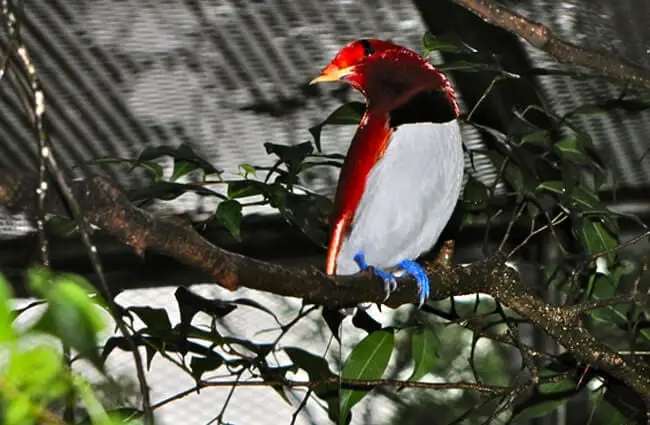
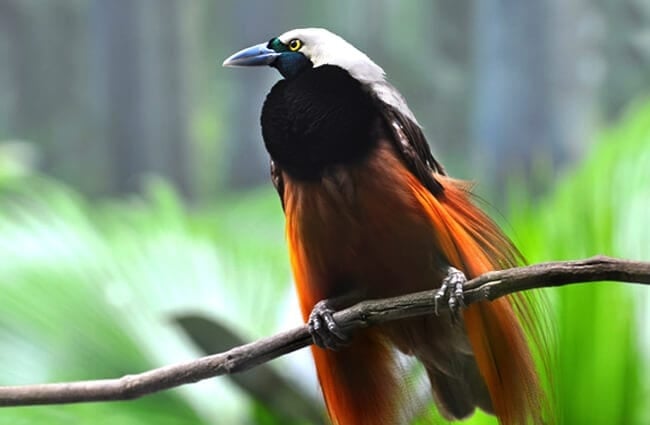
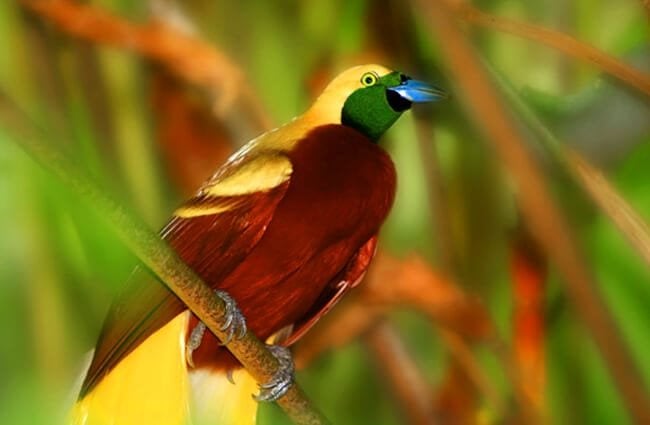
The term “Bird of Paradise” refers to 42 distinct species within the family Paradisaeidae. They are generally medium‑sized birds, ranging from about 30 to 120 centimeters in length depending on the species. While the males boast vibrant and often bizarre ornamentation, the females are typically more subdued in coloration. This stark sexual dimorphism is a key feature driving many of their unique behaviors.
Habitat and Distribution
Birds of Paradise are almost exclusively found in the rainforests of New Guinea, eastern Indonesia (Moluccas, Sulawesi), and a few species in northern Australia. They occupy a diverse range of habitats within these regions, including lowland rainforest, montane forest, and swamp forests. Each species often has specific habitat preferences, with some favoring the dense understory while others frequent the canopy. Their limited geographic range makes them particularly vulnerable to habitat loss.
A Glimpse into Evolution
The evolutionary history of Birds of Paradise is a compelling story of sexual selection. Their extravagant plumage and intricate displays evolved not for camouflage or survival, but to attract mates. Over millions of years, females favored males with increasingly elaborate ornaments, leading to the incredible diversity we see today. Fossil evidence suggests that early Birds of Paradise were relatively plain, and the elaborate ornamentation gradually emerged as a result of this selective pressure. The family is considered to be fairly ancient, with origins tracing back to the Oligocene epoch.
Diet and Feeding Habits
Birds of Paradise are primarily frugivores, meaning their diet consists largely of fruits. They also consume insects, small invertebrates, and occasionally small vertebrates. Different species have specialized beak shapes adapted to their preferred food sources. Some species forage in the canopy, while others glean insects from leaves or probe for fruits in the understory. Their role as fruit eaters makes them important seed dispersers, contributing to the health and regeneration of the rainforest.
The Spectacular Mating Rituals
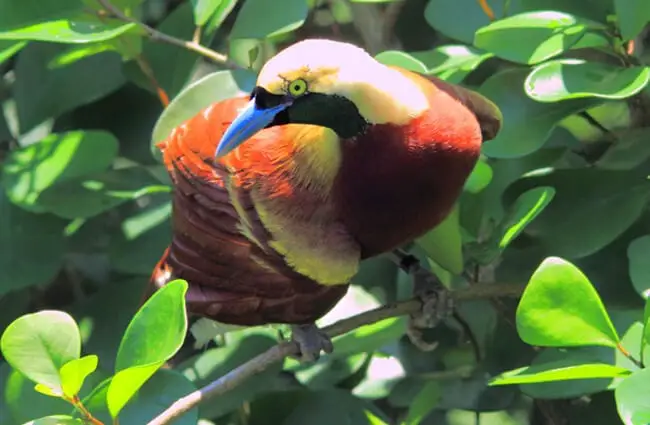
The mating displays of Birds of Paradise are legendary. Males often gather in leks (communal display areas) where they perform elaborate dances, vocalizations, and plumage displays to attract females. Each species has its own unique repertoire of behaviors. Some males display intricate feather fans, others perform aerial acrobatics, and still others create sonic booms with their wings. These displays are not only visually stunning but also energetically demanding, signaling the male’s health and genetic quality. Females carefully evaluate the males’ performances, choosing the most impressive as mates. The courtship process can last for hours or even days.
Nesting and Reproduction
Most Birds of Paradise are solitary nesters. The female constructs a cup‑shaped nest from twigs, leaves, and other materials, typically hidden in a tree or shrub. She lays one to three eggs, which she incubates for around two to three weeks. Both parents participate in feeding the chicks, which fledge from the nest after about three weeks. Young birds typically remain dependent on their parents for several months before becoming independent. The lifespan of Birds of Paradise varies between species, but most live for several years.
Ecological Role and Interactions
Birds of Paradise play a vital role in their rainforest ecosystems. As fruit eaters and seed dispersers, they contribute to forest regeneration and plant diversity. They also serve as prey for predators such as raptors, snakes, and mammals. Their presence or absence can indicate the health and stability of the forest. They interact with other birds through competition for food and nesting sites. Some species also engage in cooperative foraging or display behavior.
Birds of Paradise and Humans
For centuries, the plumage of Birds of Paradise has been highly prized by humans. In some cultures, the feathers were used for ceremonial headdresses and other decorations. Historically, this demand led to over‑hunting and a decline in some populations. Today, many species are protected by law. Habitat loss remains the greatest threat to their survival. Sustainable ecotourism can provide economic incentives for conservation while allowing people to appreciate these magnificent birds.
Encountering a Bird of Paradise in the Wild
Spotting a Bird of Paradise in the wild requires patience and a bit of luck. The best time to see them is during the breeding season, when the males are actively displaying. Look for leks in areas with abundant fruit trees and suitable perches. Bring binoculars and a field guide to help with identification. If you are lucky enough to see one, observe it from a distance and avoid disturbing its natural behavior.
Caring for Birds of Paradise in Captivity
Caring for Birds of Paradise in captivity is a significant challenge. They require spacious aviaries that mimic their natural forest habitat. A varied diet of fruits, insects, and supplements is essential. Providing opportunities for exercise and mental stimulation is crucial to prevent boredom and stress. Maintaining appropriate humidity and temperature levels is also important. Due to their complex needs, captive breeding programs are often difficult to establish.
Deeper Dive: Species Variations & Conservation Status
The 42 species of Birds of Paradise exhibit remarkable diversity in appearance and behavior. For example, the Magnificent Riflebird is known for its iridescent plumage and elaborate display flights, while Lawes’s Parotia displays a unique black “pacifier” on its breast. Conservation status varies among species. Several are listed as Least Concern, while others, such as the Black‑hooded Paradise and the Golden‑collared Parotia, are considered Vulnerable or Endangered due to habitat loss and hunting. Ongoing research and conservation efforts are critical to ensuring their survival.
Final Thoughts
The Birds of Paradise are a true wonder of the natural world. Their beauty, complexity, and ecological importance deserve our admiration and protection. By understanding their unique lives and the threats they face, we can all play a role in ensuring their survival for generations to come. These stunning birds remind us of the incredible diversity and fragility of life on Earth.
![Closeup of a beautiful Red Angus cowPhoto by: U.S. Department of Agriculture [pubic domain]https://creativecommons.org/licenses/by/2.0/](https://animals.net/wp-content/uploads/2020/03/Red-Angus-4-238x178.jpg "Red Angus")


![Closeup of a beautiful Red Angus cowPhoto by: U.S. Department of Agriculture [pubic domain]https://creativecommons.org/licenses/by/2.0/](https://animals.net/wp-content/uploads/2020/03/Red-Angus-4-100x75.jpg "Red Angus")