
Unveiling the Deep Sea’s Most Enigmatic Hunter: The Anglerfish
Deep beneath the ocean’s surface, where sunlight dares not penetrate, thrives a creature of both nightmare and wonder: the anglerfish. This fascinating inhabitant of the abyssal plains and shallow reefs alike has captured human imagination with its unique hunting strategy and bizarre appearance. Far from being a mere monster of the deep, the anglerfish represents a triumph of evolution, a testament to life’s incredible adaptability in the most extreme environments on Earth.
What Exactly is an Anglerfish?
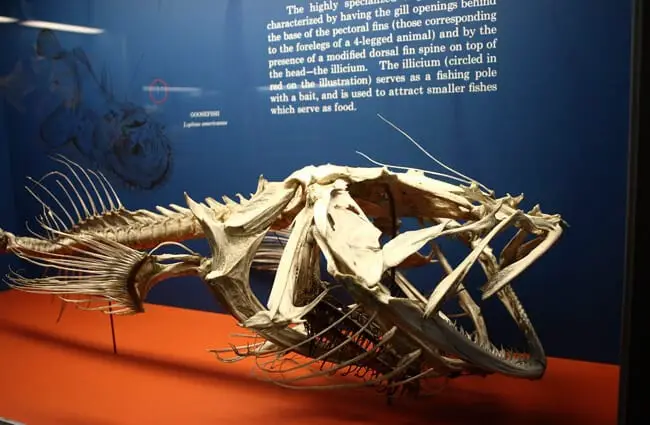
The term “anglerfish” encompasses a diverse order of ray-finned fish known as Lophiiformes, comprising over 300 species. While many immediately picture the terrifying deep-sea angler with its bioluminescent lure, this order includes a wide array of forms, from the camouflaged frogfish of coral reefs to the flattened goosefish found on continental shelves. Despite their varied appearances, they all share a common characteristic: a modified dorsal fin spine that acts as a “fishing rod” or illicium, tipped with a fleshy lure called an esca.
A World of Habitats: Where Anglerfish Call Home
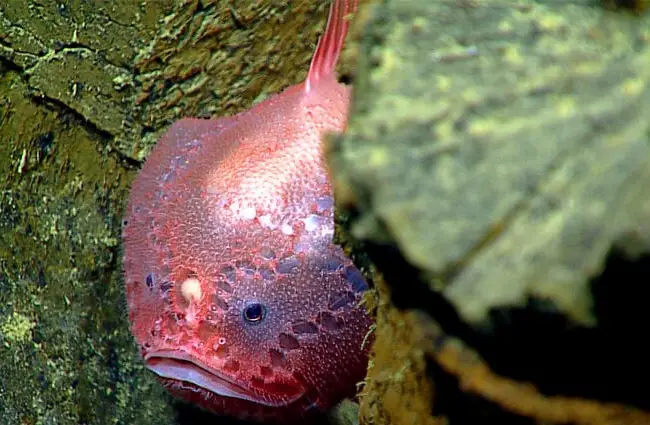
Anglerfish are found across the globe, inhabiting a remarkable range of marine environments. Their distribution spans from the frigid waters of the Arctic and Antarctic to the warm, tropical seas. The most iconic deep-sea species, such as those belonging to the suborder Ceratioidei, reside in the bathyal and abyssal zones, typically at depths ranging from 600 to 3,000 meters (2,000 to 10,000 feet) or even deeper. Here, in perpetual darkness, they navigate the vast, cold expanse of the open ocean.
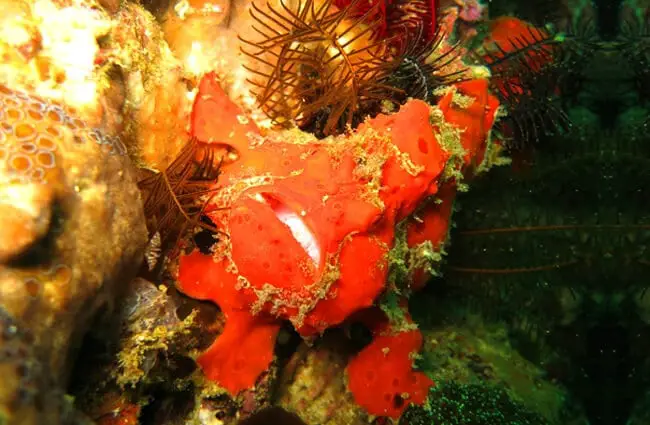
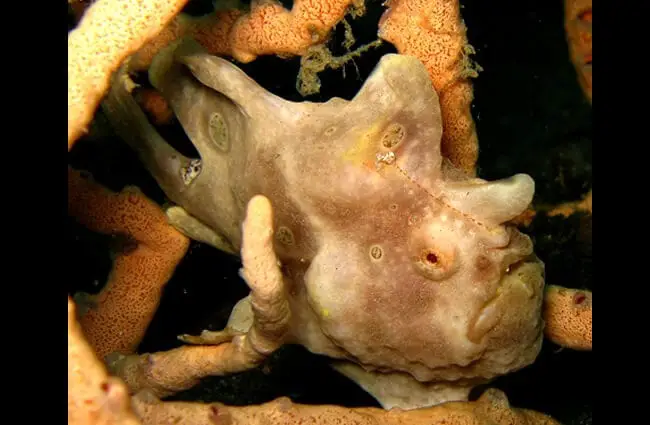
However, not all anglerfish are creatures of the abyss. Many species, particularly those in the suborder Antennarioidei, commonly known as frogfish, prefer shallower, coastal waters. These masters of camouflage blend seamlessly with coral reefs, sponges, and rocky bottoms, often found in tropical and subtropical regions. Other groups, like the goosefish (Lophiidae), are benthic, meaning they live on the seafloor, often in temperate waters on continental shelves and slopes.
For an animal lover hoping to spot an anglerfish in the wild, the deep-sea varieties are virtually impossible to observe without specialized submersibles. However, shallow-water species like frogfish can be found by keen divers and snorkelers in tropical reef ecosystems. Look closely among sponges and corals; their camouflage is legendary.
Anatomy of a Predator: Physical Characteristics
The anglerfish’s body plan is a marvel of adaptation for predation. While sizes vary greatly among species, from a mere few centimeters to over a meter in length, certain features are consistently striking:
- The Lure (Illicium and Esca): This is the anglerfish’s defining feature. The illicium is a modified first dorsal fin spine, extending forward from the head like a fishing rod. At its tip is the esca, a fleshy bulb that can be wiggled and, in deep-sea species, emits bioluminescent light. This light is produced by symbiotic bacteria housed within the esca, attracting unsuspecting prey in the darkness.
- Formidable Dentition: Anglerfish possess rows of long, sharp, inward-pointing teeth. These teeth are designed to prevent prey from escaping once caught, ensuring a secure grip on even slippery victims. Some species have hinged teeth that can fold back, allowing larger prey to be swallowed whole.
- Body Shape: Deep-sea anglerfish often have globular, flattened, or laterally compressed bodies, giving them a somewhat grotesque appearance. Their skin is typically dark, ranging from black to dark brown or reddish, helping them disappear in the lightless depths. Shallow-water species, like frogfish, are often highly camouflaged, with irregular skin textures, tassels, and vibrant colors that mimic their surroundings.
- Large Mouth: Their mouths are disproportionately large, capable of expanding to engulf prey much larger than themselves. This adaptation is crucial in environments where food is scarce and any opportunity to feed must be maximized.
The Art of Deception: Diet and Hunting Strategies
Anglerfish are quintessential ambush predators. Their hunting strategy is a masterclass in patience and deception. Instead of actively pursuing prey, they lie in wait, often partially buried in the sediment or perfectly camouflaged among their surroundings. The magic happens with their lure.
- Deep-Sea Anglerfish: In the perpetual night of the deep sea, the bioluminescent esca acts as a beacon. Small fish, crustaceans, and other invertebrates, attracted by the light, approach the lure, mistaking it for a potential meal or a mate. When the unsuspecting prey comes within striking distance, the anglerfish rapidly opens its enormous mouth, creating a powerful vacuum that sucks the victim in. The entire strike can happen in milliseconds, leaving no chance for escape.
- Shallow-Water Anglerfish (Frogfish): These species employ a similar lure-and-wait tactic, but without the bioluminescence. Their esca often mimics small worms, crustaceans, or even tiny fish. Their incredible camouflage allows them to remain virtually invisible until prey, drawn by the lure’s movements, ventures too close. Frogfish are known for one of the fastest strikes in the animal kingdom, engulfing prey in less than six milliseconds. Their diet includes small fish, crabs, and shrimp.
This energy-efficient hunting method is perfectly suited for environments where food is scarce and expending energy on active pursuit would be counterproductive.
Life in the Deep: Reproduction and Evolution
The Bizarre Dance of Mating and Reproduction
The reproductive strategies of deep-sea anglerfish are perhaps the most extraordinary in the animal kingdom, a true testament to the challenges of finding a mate in the vast, dark ocean. Many deep-sea anglerfish exhibit extreme sexual dimorphism, with males being significantly smaller than females.
- Parasitic Males: In many deep-sea species, the male’s sole purpose is to find a female and fuse with her. The male, often tiny and lacking a functional digestive system, uses his keen sense of smell to locate a female by following her pheromones. Once he finds a female, he bites onto her, typically on her belly or side. Over time, his body physically fuses with hers, connecting his circulatory system to hers. He then degenerates into little more than a pair of testes, receiving all his nutrients from the female. In return, he provides a constant supply of sperm for her eggs. A single female can carry multiple parasitic males, ensuring reproductive success in an environment where encounters are rare.
- Egg Rafts: After fertilization, females release their eggs in a gelatinous, buoyant raft or sheet. These rafts float upwards towards the surface, where the developing larvae hatch. The larvae are planktonic, drifting in the upper layers of the ocean, feeding on small organisms until they mature and descend to the depths.
Shallow-water anglerfish, like frogfish, typically do not exhibit parasitic male behavior. Instead, they engage in more conventional spawning, often releasing large numbers of eggs that are fertilized externally and then float away or are sometimes guarded by the female.
An Evolutionary Journey into the Abyss
The evolutionary history of anglerfish is a fascinating tale of adaptation to extreme environments. Their lineage dates back millions of years, with fossil evidence suggesting their presence in the Eocene epoch. The unique adaptations seen in anglerfish, particularly the deep-sea species, are prime examples of convergent evolution and specialization.
- Adaptation to Darkness: The development of the bioluminescent lure is a key evolutionary innovation, allowing deep-sea anglerfish to attract prey and mates in an environment devoid of sunlight. This adaptation likely evolved from a simple dorsal fin spine over eons.
- Extreme Sexual Dimorphism: The evolution of parasitic males is a radical solution to the challenge of reproduction in a sparsely populated, vast habitat. It ensures that once a male finds a female, he remains with her, guaranteeing fertilization opportunities.
- Pressure Tolerance: Deep-sea anglerfish have evolved specialized proteins and cellular structures that allow them to withstand immense hydrostatic pressure without their bodies collapsing.
- Efficient Metabolism: Given the scarcity of food, anglerfish have developed highly efficient metabolisms, capable of surviving long periods between meals. Their large, expandable stomachs are also an adaptation to capitalize on any feeding opportunity.
Studying anglerfish evolution provides invaluable insights into how life can thrive and diversify under the most challenging conditions on our planet.
Anglerfish in the Ecosystem: Interactions and Contributions
Role in the Marine Food Web
Despite their often solitary nature, anglerfish play a significant role in their respective ecosystems, both as predators and, to a lesser extent, as prey.
- Apex Predators (in their niche): Deep-sea anglerfish are often apex predators within their specific deep-sea zones, preying on a variety of smaller fish, crustaceans, and cephalopods. By regulating populations of these organisms, they contribute to the balance of the deep-sea food web.
- Prey for Larger Predators: While adult deep-sea anglerfish have few natural predators due to their habitat and formidable appearance, their larvae and juveniles are part of the planktonic community and can be preyed upon by larger pelagic fish and marine mammals. Shallow-water anglerfish, despite their camouflage, can fall victim to larger predatory fish, sharks, and marine birds.
- Scavengers: Some anglerfish species may also opportunistically scavenge on carrion that drifts down from the upper ocean layers, contributing to nutrient recycling in the deep sea.
Interactions with Other Animals
Anglerfish primarily interact with other animals in a predator-prey dynamic, but other forms of interaction exist:
- Symbiosis with Bacteria: The most notable symbiotic relationship is between deep-sea anglerfish and the bioluminescent bacteria living in their esca. The bacteria receive a protected habitat and nutrients, while the anglerfish gains a vital hunting tool.
- Camouflage and Mimicry: Shallow-water anglerfish often exhibit remarkable mimicry, blending with sponges, corals, or even mimicking other animals to avoid detection or attract prey. This is a form of indirect interaction with their environment and other species.
- Competition: In areas where multiple anglerfish species or other ambush predators coexist, there can be competition for food resources and suitable hunting territories.
Anglerfish and Humanity: From Plate to Pop Culture
Human Interaction and Conservation
Human interaction with anglerfish varies significantly depending on the species:
- Commercial Fishing: Shallow-water and benthic anglerfish, particularly goosefish (monkfish), are commercially important in many parts of the world, especially in Europe and Asia. Their firm, white flesh is considered a delicacy. Fishing methods typically involve trawling or gillnetting.
- Deep-Sea Research: Deep-sea anglerfish are primarily encountered by scientists using submersibles, remotely operated vehicles (ROVs), or deep-sea trawls for research purposes. These encounters are crucial for understanding deep-sea biodiversity and ecosystem function.
- Conservation Status: While many deep-sea anglerfish species are not directly threatened due to their remote habitat, some commercially fished species face concerns regarding overfishing and habitat destruction from bottom trawling. Sustainable fishing practices and marine protected areas are important for their conservation.
Anglerfish in Human Culture
The deep-sea anglerfish, with its terrifying appearance and glowing lure, has firmly cemented its place in popular culture as a symbol of the mysterious and often frightening deep ocean.
- Literature and Film: Anglerfish frequently appear in science fiction, horror, and fantasy stories set in aquatic environments, often depicted as monstrous predators. Their iconic lure makes them instantly recognizable.
- Video Games and Animation: From animated films for children to complex video games, anglerfish are often featured as unique and memorable characters, highlighting their distinctive features.
- Art and Mythology: While not central to ancient mythologies, modern art and folklore inspired by the deep sea often draw upon the anglerfish’s imagery to evoke wonder and fear.
Fascinating Facts and Practical Insights
A Huge List of Interesting Anglerfish Facts
For students and enthusiasts, here is a collection of intriguing facts about these deep-sea marvels:
- The bioluminescence in deep-sea anglerfish lures is produced by symbiotic bacteria, not the fish itself.
- Some deep-sea anglerfish females can be over 60 times larger than their parasitic males.
- The largest known anglerfish species is the common black devil anglerfish, which can reach lengths of over a meter.
- Anglerfish can swallow prey twice their own size due to their expandable stomachs and hinged jaws.
- The “fishing rod” (illicium) can be retracted and extended by the anglerfish.
- Shallow-water anglerfish, like frogfish, can change their color and skin texture to match their surroundings, sometimes taking weeks to complete the transformation.
- The strike of a frogfish is one of the fastest movements in the animal kingdom, taking less than 6 milliseconds.
- Some anglerfish species have lures that mimic specific prey items, like worms or small fish, to enhance their hunting success.
- Anglerfish eggs are often laid in long, gelatinous sheets or rafts that can be meters long.
- The scientific name for the order, Lophiiformes, comes from the Greek word “lophos,” meaning “crest,” referring to their prominent dorsal fin spines.
- Deep-sea anglerfish live in a zone where temperatures are near freezing and pressures are crushing.
- Despite their fearsome appearance, deep-sea anglerfish are generally harmless to humans due to their remote habitat and small size relative to a person.
Finding Anglerfish in the Wild: A Guide for Animal Lovers
For those eager to encounter an anglerfish:
- Deep-Sea Species: Direct observation is extremely difficult. Your best bet is to watch documentaries, visit aquariums with deep-sea exhibits (though live deep-sea anglerfish are rarely kept), or follow the work of deep-sea exploration organizations like NOAA.
- Shallow-Water Species (Frogfish): This is your most realistic option.
- Where: Tropical and subtropical coral reefs, rocky bottoms, and sponge gardens. Popular diving destinations in the Indo-Pacific, Caribbean, and Red Sea are good starting points.
- How: Frogfish are masters of camouflage. You will need patience and a keen eye. Look for unusual lumps or textures on sponges, corals, or rocks. They often sway gently to mimic their surroundings. Hiring a local dive guide who knows their habits is highly recommended. They are often found in specific “cleaning stations” or areas with abundant sponges.
Guidance for Aspiring Zoologists
For those considering a career studying these fascinating fish:
- Education: Pursue degrees in marine biology, ichthyology, or oceanography. A strong foundation in biology, ecology, and genetics is essential.
- Specialization: Consider specializing in deep-sea ecology, fish taxonomy, or evolutionary biology.
- Research Opportunities: Look for internships or volunteer positions with marine research institutions, aquariums, or universities that conduct deep-sea expeditions or fish biodiversity studies. Learning to operate ROVs or submersibles can be a valuable skill.
- Skills: Develop strong observational skills, data analysis abilities, and scientific writing. Understanding oceanographic equipment and techniques is also beneficial.
Encountering an Anglerfish in the Wild: What to Do (for Hikers)
It is exceedingly rare for a hiker to encounter a live anglerfish. Deep-sea species live thousands of feet below the surface, and even shallow-water species are marine. The most likely scenario for a “hiker” would be finding a dead anglerfish washed ashore.
- If you find a dead specimen:
- Do Not Touch: While most anglerfish are not venomous, it is always best to avoid direct contact with unknown marine life.
- Observe and Document: Take clear photographs from multiple angles. Note the location, date, and any distinguishing features.
- Report: Contact local marine biology departments, aquariums, or wildlife authorities. Your discovery could be valuable for scientific research, especially if it is a rare deep-sea species.
- Leave it Undisturbed: Unless instructed otherwise by authorities, leave the specimen where you found it. It will naturally decompose and return nutrients to the ecosystem.
A live anglerfish encounter on land is virtually impossible. These are aquatic creatures.
Caring for Anglerfish in Captivity: Zookeeper Tasks and Avoidances
Keeping deep-sea anglerfish in captivity is extraordinarily challenging, if not impossible, due to the extreme pressure, temperature, and light conditions of their natural habitat. Most aquariums that display “anglerfish” are actually showcasing shallow-water species like frogfish.
For a zookeeper caring for a shallow-water anglerfish (e.g., frogfish):
- Essential Tasks:
- Habitat Replication: Provide a tank that closely mimics their natural environment, including appropriate water temperature, salinity, and pH.
- Camouflage Opportunities: Furnish the tank with plenty of live rock, sponges, and corals that match the frogfish’s natural camouflage. This reduces stress and allows for natural behavior.
- Diet: Offer a varied diet of live or appropriately sized frozen feeder fish and crustaceans. Frogfish are ambush predators, so food presentation should mimic natural hunting.
- Water Quality: Maintain pristine water quality through regular testing, filtration, and water changes.
- Observation: Closely monitor for signs of stress, illness, or changes in behavior. Pay attention to feeding habits and color changes.
- Enrichment: While not highly active, providing varied hiding spots and occasional changes in tank decor can offer mental stimulation.
- What to Avoid:
- Overfeeding: Anglerfish have slow metabolisms; overfeeding can lead to health issues.
- Incompatible Tank Mates: Do not house with fish small enough to be eaten or aggressive fish that could harass the anglerfish.
- Rapid Environmental Changes: Avoid sudden fluctuations in water parameters, as these can be highly stressful.
- Excessive Handling: Minimize handling, as it can damage their delicate skin and cause stress.
- Bright, Direct Lighting: While shallow-water species tolerate light, avoid overly intense or constant direct lighting, which can be unnatural and stressful.
- Ignoring Camouflage Needs: A lack of suitable camouflage can make them feel exposed and stressed.
The Enduring Mystery of the Anglerfish
From the sun-drenched reefs to the crushing darkness of the abyssal plain, the anglerfish stands as a powerful symbol of life’s incredible resilience and ingenuity. Its bizarre adaptations, from the glowing lure to the parasitic male, are not mere oddities but finely tuned solutions to the profound challenges of survival in extreme environments. As we continue to explore our oceans, these captivating creatures remind us that the natural world still holds countless secrets, urging us to protect these fragile ecosystems and the extraordinary life they harbor. The anglerfish, in all its forms, is a true marvel, a testament to the endless wonders awaiting discovery beneath the waves.
![Closeup of a beautiful Red Angus cowPhoto by: U.S. Department of Agriculture [pubic domain]https://creativecommons.org/licenses/by/2.0/](https://animals.net/wp-content/uploads/2020/03/Red-Angus-4-238x178.jpg "Red Angus")

![Closeup of a beautiful Red Angus cowPhoto by: U.S. Department of Agriculture [pubic domain]https://creativecommons.org/licenses/by/2.0/](https://animals.net/wp-content/uploads/2020/03/Red-Angus-4-100x75.jpg "Red Angus")