The American Kestrel, often dubbed the “miniature falcon,” is a captivating raptor that has captured the imaginations of bird enthusiasts and falconers for generations. While not a dog breed in the traditional sense, the term has gained popularity in certain circles due to the bird’s spirited personality and trainability. This article delves into the fascinating world of the American Kestrel, exploring its history, characteristics, and what it takes to provide a fulfilling life for this extraordinary creature.
A Brief History
The American Kestrel (Falco sparverius) is the smallest and most widespread falcon in North America. Its range extends from Canada to the southern United States, and many birds migrate further south during the winter to Central and parts of South America. Historically, kestrels were considered beneficial birds, welcomed by farmers for their appetite for rodents and insects. Early falconers recognized their potential, though they were often viewed as a stepping stone before working with larger, more challenging raptors. Over time, a dedicated community of kestrel falconers emerged, appreciating the bird’s intelligence and willingness to learn. The “dog” nickname stems from the kestrel’s energetic nature, its responsiveness to training, and the strong bond that falconers often develop with their birds, mirroring the relationship between a human and a canine companion.
Physical Characteristics and Size
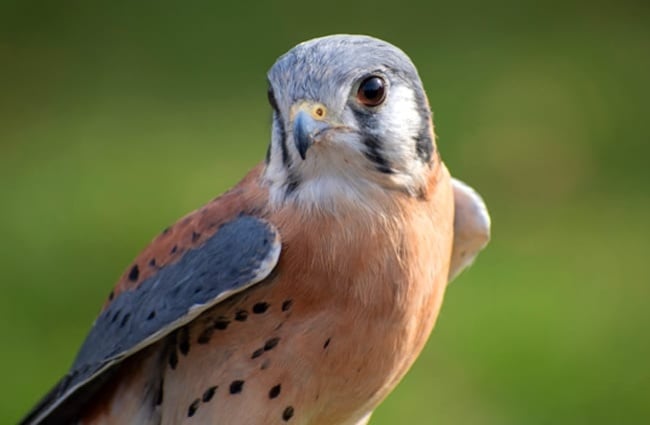
American Kestrels are small, streamlined birds. Adults typically measure between 8.7 and 12 inches in length with a wingspan of 20 to 24 inches. They weigh between 4.6 and 5.6 ounces. Males and females exhibit sexual dimorphism; males boast striking rusty red backs and blue-grey wings, while females have more subdued reddish-brown coloration. Both sexes feature distinctive black “mustache” markings on their faces, creating a fierce, yet charming, expression. Their keen eyesight and powerful talons are crucial for hunting, allowing them to spot and capture prey with precision.
Suitable Environment
In the wild, American Kestrels are remarkably adaptable, inhabiting a wide range of environments including grasslands, meadows, open woodlands, and even urban areas. For a bird held in captivity, providing a stimulating and appropriate environment is essential. This includes a spacious enclosure, preferably outdoors, with ample room for flight. Perches of varying heights and textures are crucial for foot health and comfort. The enclosure should offer protection from the elements and potential predators. A kestrel in captivity needs consistent access to sunlight or full spectrum lighting to maintain healthy vitamin D levels.
Behavior and Temperament
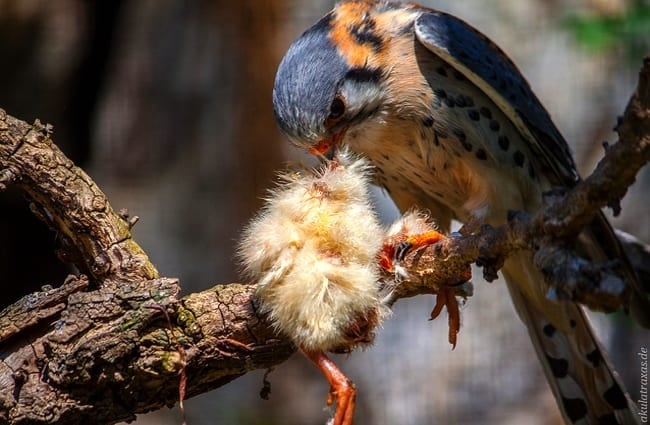
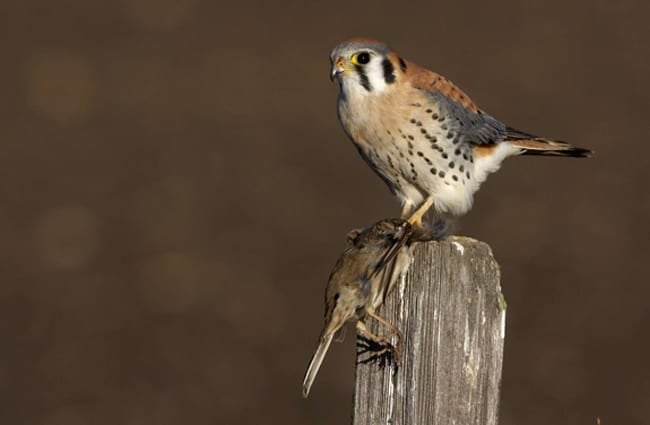
American Kestrels are known for their energetic and inquisitive nature. They are active hunters, employing a distinctive hovering technique to scan for prey. Their diet primarily consists of insects, small mammals, and occasionally small birds. Kestrels are intelligent and capable of learning complex behaviors. This intelligence, combined with their willingness to please, makes them excellent candidates for falconry. They are generally not aggressive toward humans, but they are wild animals and should be treated with respect and caution. Their personalities, while individual, tend to be spirited, playful, and intensely focused during training sessions.
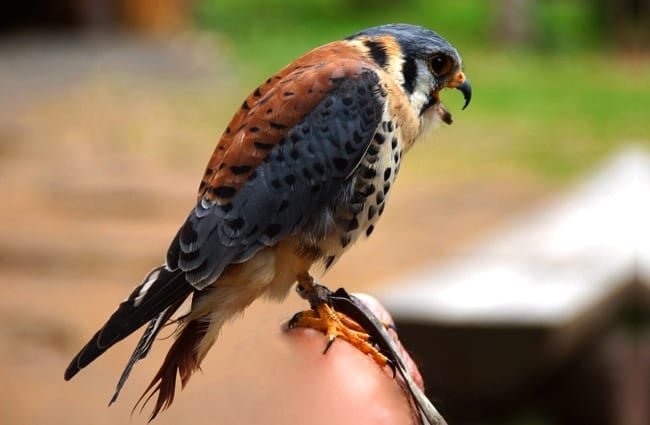
Care Requirements for a Happy Kestrel
Caring for an American Kestrel is a significant commitment. It requires extensive knowledge, time, and resources. A proper diet is paramount. This includes providing whole prey items such as chicks, mice, or quail, ensuring a balanced nutritional intake. Regular veterinary checkups are essential to monitor the bird’s health and address any potential issues. Enrichment activities, such as providing novel perches or puzzle feeders, are crucial to prevent boredom and maintain mental stimulation. Consistent training, using positive reinforcement techniques, is vital for maintaining the bird’s physical and mental well-being. Finally, legal compliance is essential. Falconry is heavily regulated, and permits are required to legally possess and train an American Kestrel.
Interesting Facts
- American Kestrels can detect the urine of rodents, helping them locate prey even under snow.
- They often nest in cavities in trees or buildings, sometimes utilizing nest boxes provided by humans.
- Kestrels are known for their distinctive “killy” call, a high pitched scream used for communication.
- The female kestrel is fiercely protective of her eggs and young.
- They are capable of hovering in mid air, a remarkable feat of avian aerodynamics.
The Falconry Connection
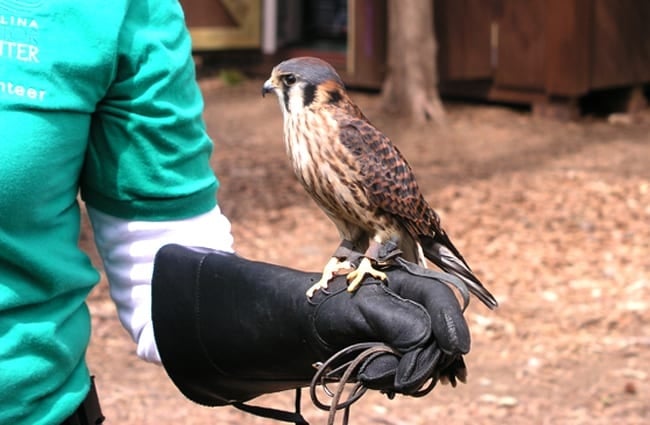
Falconry, the ancient art of hunting with raptors, is deeply intertwined with the American Kestrel. Kestrels are often considered an ideal starting point for aspiring falconers due to their relatively small size and manageable temperament. They are highly responsive to training and can be flown in a variety of hunting scenarios. The bond between a falconer and a kestrel is built on trust, respect, and mutual understanding. A skilled falconer will meticulously manage the bird’s weight, diet, and training regimen to ensure optimal performance and well‑being.
Conservation Status
While currently listed as Least Concern by the International Union for Conservation of Nature (IUCN), American Kestrel populations have experienced declines in some regions. Habitat loss, pesticide use, and collisions with vehicles are among the primary threats. Supporting conservation efforts, such as preserving open spaces and promoting responsible pesticide practices, is crucial for ensuring the long‑term survival of this remarkable bird. Providing nest boxes can also help to increase breeding success in areas where natural nesting sites are limited.
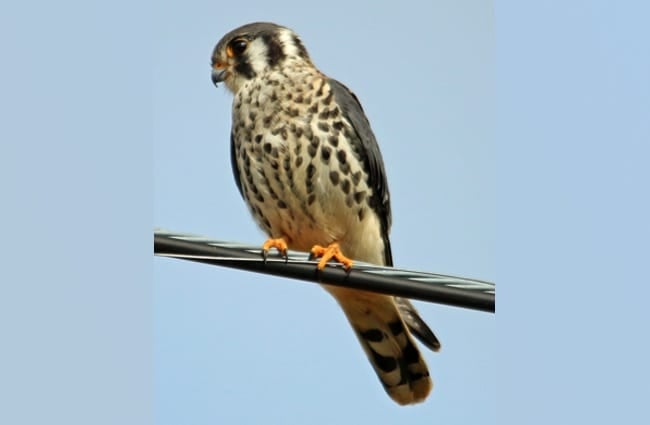
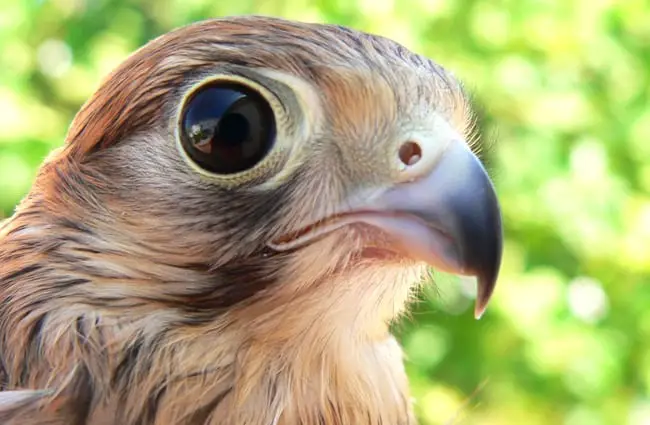
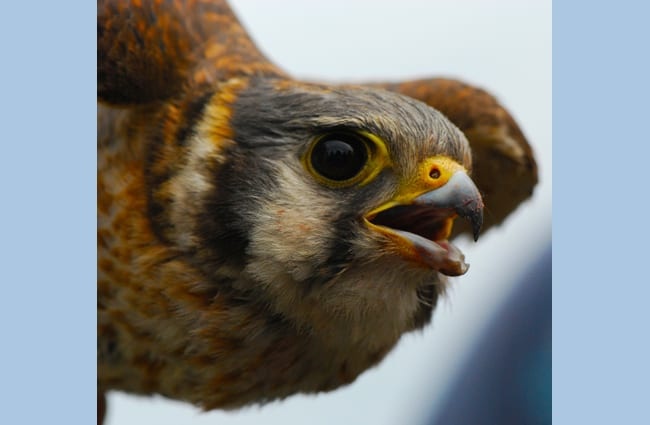
In conclusion, the American Kestrel is a captivating creature, deserving of admiration and respect. Whether viewed as a skilled hunter, a dedicated falconry partner, or simply a beautiful bird of prey, the kestrel continues to fascinate and inspire. Understanding its unique characteristics, care requirements, and conservation needs is essential for ensuring its survival for generations to come.
![Closeup of a beautiful Red Angus cowPhoto by: U.S. Department of Agriculture [pubic domain]https://creativecommons.org/licenses/by/2.0/](https://animals.net/wp-content/uploads/2020/03/Red-Angus-4-238x178.jpg "Red Angus")
![Closeup of a beautiful Red Angus cowPhoto by: U.S. Department of Agriculture [pubic domain]https://creativecommons.org/licenses/by/2.0/](https://animals.net/wp-content/uploads/2020/03/Red-Angus-4-100x75.jpg "Red Angus")