A World of Curlew: Exploring a Remarkable Bird
The curlew is a truly distinctive bird, recognized across continents for its striking appearance and unique, melancholic call. More than just a pretty face or beak, the curlew plays a vital role in numerous ecosystems and holds a special place in human history and culture. This guide delves into the fascinating world of the curlew, covering everything from its physical characteristics and evolutionary origins to its behavior, habitat, and conservation status.
What is a Curlew? Defining Characteristics
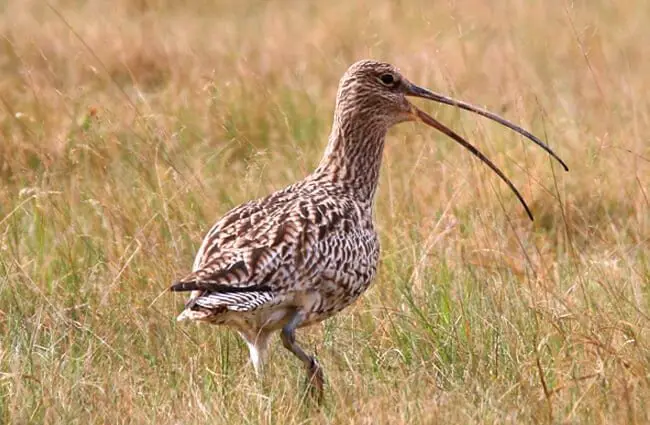
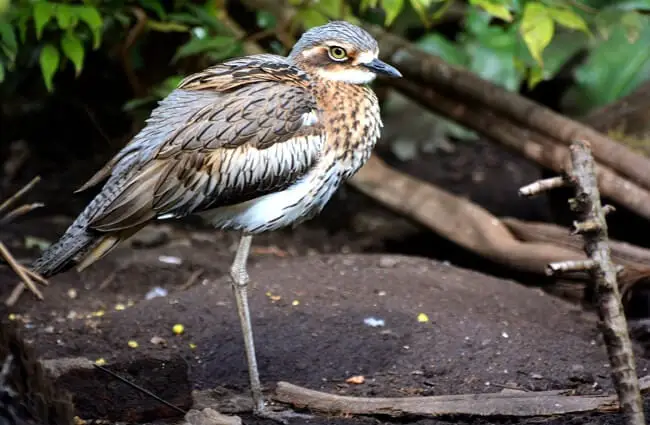
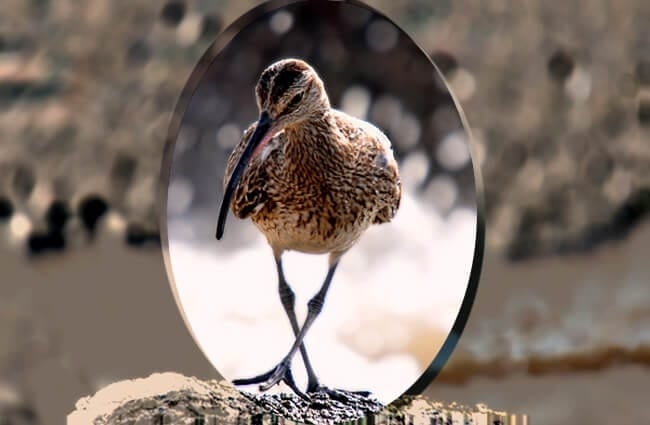
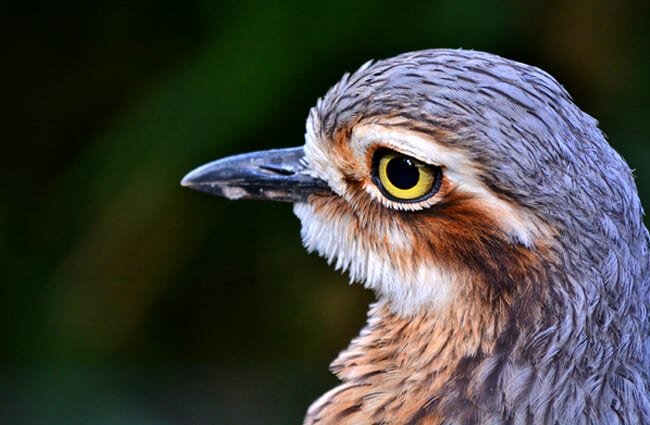
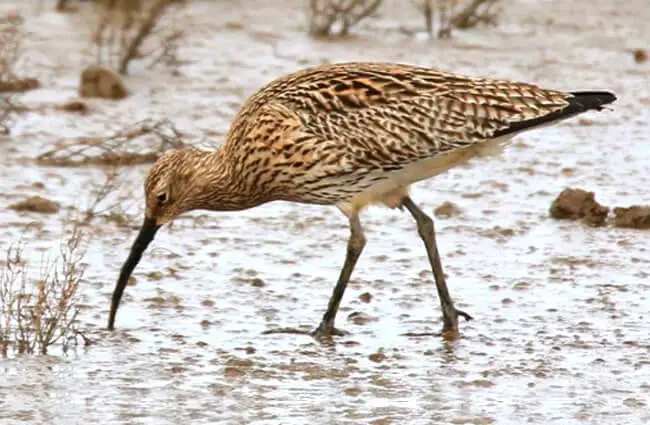
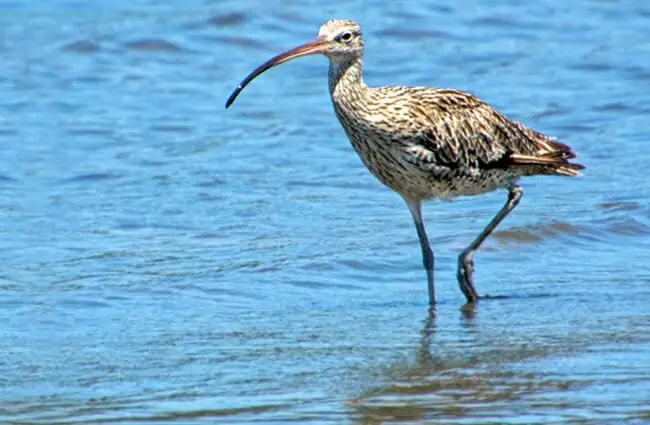
The name “curlew” isn’t applied to a single species. Rather, it describes a group of wading birds within the family Scolopacidae. The most well‑known is the Eurasian curlew Numenius arquata, but several other species, including the Whimbrel Numenius phaeopus and various ‘bush curlews’ found in Australia and New Guinea, also share the common name. A defining feature across all curlew species is their exceptionally long, decurved bill. This specialized beak is perfectly adapted for probing deep into mud and sand in search of invertebrates.
Beyond the bill, curlews are generally large birds, ranging in size from around 30 to 65 centimeters in length, with wingspans exceeding a meter. Their plumage is typically mottled brown and gray, providing excellent camouflage within their wetland and grassland habitats. Their legs are long, allowing them to wade in deeper water than many other wading birds.
Evolutionary History: Tracing the Curlew Lineage
The evolutionary origins of curlews, like those of many bird groups, are complex and still being unraveled through genetic and fossil evidence. The Scolopacidae family, to which curlews belong, has a long history, with fossil records dating back to the Eocene epoch, over 50 million years ago. Early ancestors of modern curlews were likely more generalized shorebirds, gradually evolving the specialized bill and leg morphology that characterizes the group today.
The diversification of curlew species appears to have occurred over millions of years, with different lineages adapting to specific ecological niches. The Whimbrel, for instance, shows adaptations for foraging on rocky shorelines, while Eurasian curlews are more commonly found on open mudflats and grasslands.
Habitat and Distribution: Where Do Curlews Live?
Curlews exhibit a wide geographical distribution, found on every continent except Antarctica. The Eurasian curlew breeds in temperate regions of Europe and Asia, undertaking long distance migrations to wintering grounds in Africa, southern Europe, and coastal South America.
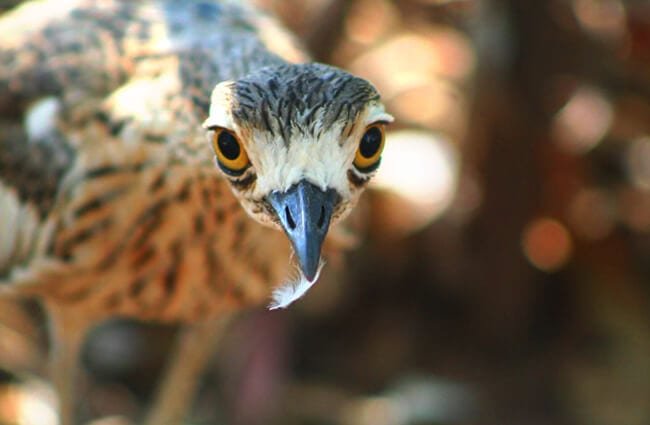
Other curlew species have more restricted ranges. The Whimbrel breeds in arctic and subarctic regions, migrating south to winter along coastlines worldwide. Bush curlews, as their name suggests, are found in forested and shrubland habitats in Australia and New Guinea.
Preferred habitats vary by species, but generally include wetlands such as mudflats, saltmarshes, estuaries, and freshwater marshes. Some species also utilize grasslands, heathlands, and even agricultural fields for foraging.
Diet and Foraging Behavior: What Do Curlews Eat?
Curlews are opportunistic feeders, with a diet primarily consisting of invertebrates. Their long, curved bills are perfectly adapted for probing into mud and sand to extract worms, mollusks, crustaceans, and insects. They also consume small fish, plant matter, and even carrion on occasion.
Foraging behavior varies depending on the habitat and prey availability. On mudflats, curlews often employ a probing technique, inserting their bills into the sediment and detecting prey using sensitive receptors. In grasslands, they may walk slowly through the vegetation, picking off insects and other invertebrates. They are often seen foraging in groups, especially during migration and on wintering grounds.
Mating and Reproduction: Bringing the Next Generation
Curlews are generally monogamous, forming pair bonds that can last for several years. Breeding season typically occurs in the spring and early summer.
Nests are usually located on the ground, often concealed within dense vegetation. They are typically simple structures made of grass and other plant material. The female lays a clutch of two to four eggs, which are incubated by both parents for around 28 to 30 days.
Chicks are precocial, meaning they are relatively mobile and independent at hatching. They are covered in downy feathers and are able to forage for themselves, although they are still reliant on their parents for protection and guidance. Young curlews fledge, or develop flight feathers, at around 35 to 40 days of age.
Curlews and the Ecosystem: Their Ecological Role
Curlews play a significant role in maintaining the health of wetland ecosystems. As predators of invertebrates, they help regulate populations of these organisms, preventing imbalances that could disrupt the food web. They also contribute to nutrient cycling through their foraging and waste deposition.
Furthermore, curlews serve as prey for larger predators, such as birds of prey and mammals. Their presence helps support these predator populations. Their nesting and foraging activities can also influence vegetation structure and diversity.
Curlews and Humans: A Historical and Cultural Connection
Curlews have a long history of interaction with humans. In many cultures, they have been hunted for food and feathers. Their distinctive call has inspired folklore and poetry.
In some regions, curlew eggs and chicks were traditionally collected for food. However, this practice has declined in recent years due to conservation concerns. Today, curlews are more often appreciated as a symbol of wildness and natural beauty.
Conservation Status and Threats
Unfortunately, many curlew populations are facing significant declines. The Eurasian curlew is listed as Near Threatened by the International Union for Conservation of Nature (IUCN). The Eskimo Curlew, which may be extinct or critically endangered, illustrates the vulnerability of the group.
Major threats include habitat loss and degradation, primarily due to agricultural intensification, urbanization, and coastal development. Climate change, with its associated sea level rise and increased frequency of extreme weather events, also poses a serious threat. Predation by introduced species, such as foxes and rats, can impact breeding success.
Conservation efforts include habitat restoration and protection, predator control, and sustainable land management practices. Raising public awareness about the plight of curlews is also crucial.
Encountering Curlews: What to Do
If you encounter a curlew in the wild, observe it from a distance and avoid disturbing it. Do not approach nesting birds or their chicks. Keep pets under control. Report any sightings of injured or distressed birds to a local wildlife rescue organization.
Caring for Curlews in Captivity
Caring for curlews in captivity requires a spacious enclosure that mimics their natural habitat. Provide a substrate of sand, mud, and vegetation. Offer a varied diet of invertebrates, fish, and plant matter. Ensure access to clean water for drinking and bathing.
Provide enrichment activities to stimulate their natural foraging and exploratory behaviors. Avoid overcrowding and minimize human disturbance. Monitor their health closely and provide prompt veterinary care if needed.
A Future with Curlews
The curlew, with its evocative call and striking appearance, is a vital part of our natural world. Understanding its ecology, behavior, and the threats it faces is essential to ensuring its survival. By supporting conservation efforts and promoting responsible land management practices, we can help secure a future where the curlew continues to grace our wetlands and grasslands for generations to come.
![Closeup of a beautiful Red Angus cowPhoto by: U.S. Department of Agriculture [pubic domain]https://creativecommons.org/licenses/by/2.0/](https://animals.net/wp-content/uploads/2020/03/Red-Angus-4-238x178.jpg "Red Angus")
![Closeup of a beautiful Red Angus cowPhoto by: U.S. Department of Agriculture [pubic domain]https://creativecommons.org/licenses/by/2.0/](https://animals.net/wp-content/uploads/2020/03/Red-Angus-4-100x75.jpg "Red Angus")