Harrier Hawks, a captivating group of birds of prey, represent a fascinating intersection of ecological adaptation and avian grace. Often overlooked in favor of their more famous raptor cousins, these hawks exhibit unique hunting strategies, remarkable behavioral patterns, and a surprisingly broad geographical distribution. This guide delves into the world of Harrier Hawks, exploring their biology, behavior, and ecological significance.
What is a Harrier Hawk?
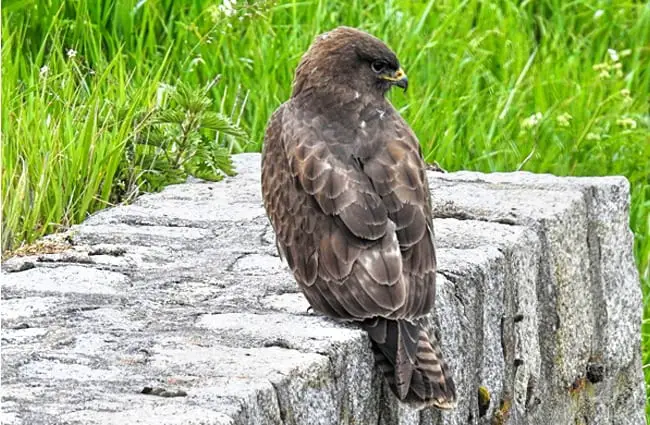
The term “Harrier Hawk” isn’t a strict taxonomic grouping, but rather refers to several species within the Accipitridae family that share specific characteristics. These birds are generally medium‑sized raptors, distinguished by long wings, slender bodies, and a characteristic buoyant flight pattern. They aren’t built for soaring at great heights, but excel in low level flight, often appearing to float as they scan for prey.
Species Diversity
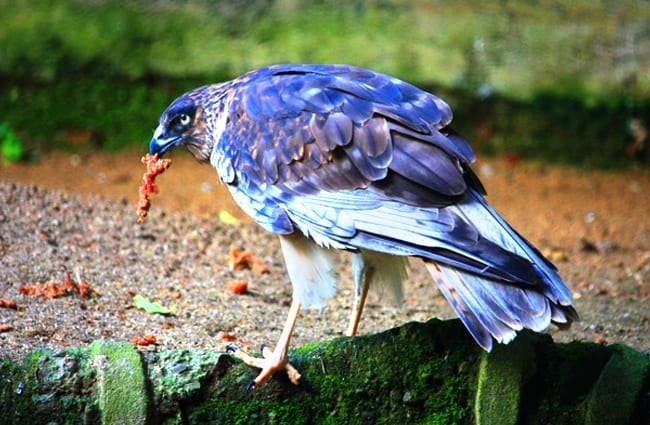
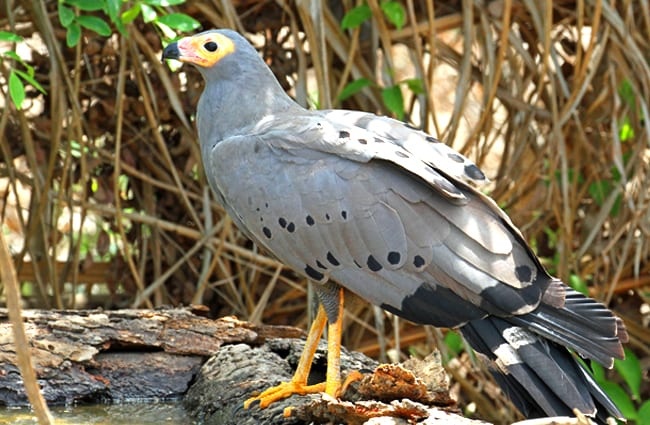
While various species share the “Harrier” moniker, the most well‑known include the Northern Harrier (Circus hudsonius), found across North America, the African Harrier (Polyboroides radiatus), also known as the White‑necked Hawk, which is primarily a ground hunter, and the Australasian Harrier (Circus approximans), common throughout Australia and New Zealand. Each species has adapted to its particular environment, exhibiting subtle differences in plumage, size, and behavior.
Habitat and Distribution
Harrier Hawks demonstrate remarkable adaptability, inhabiting a wide range of environments. They are commonly found in open grasslands, meadows, marshes, agricultural fields, and even coastal dunes. This broad habitat preference stems from their unique hunting style, which relies on quartering low over open areas. The Northern Harrier, for example, is prevalent in the grasslands of North America, while the African Harrier prefers woodland and savanna. The Australasian Harrier thrives in the diverse landscapes of Australia and New Zealand. Their ability to exploit various habitats contributes to their relatively stable populations, despite ongoing environmental changes.
Hunting and Diet
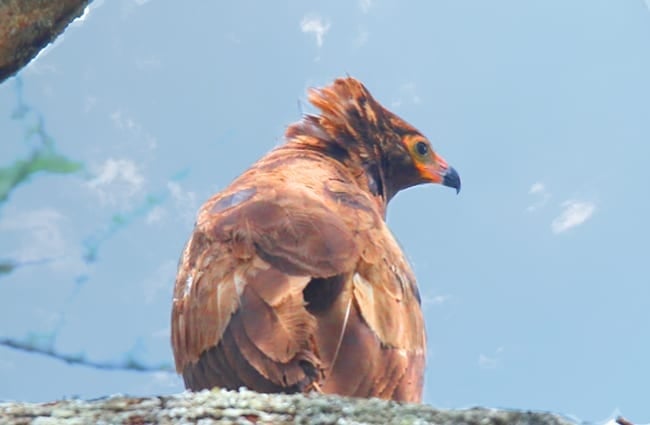
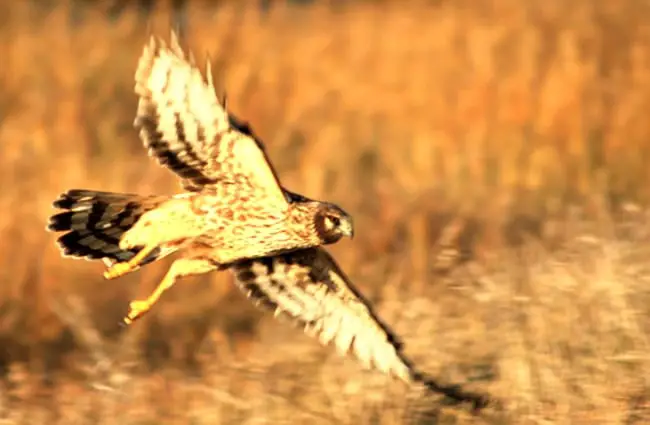
Harrier Hawks are opportunistic predators with a diverse diet. Small mammals, such as voles, mice, and rats, constitute the bulk of their prey, but they also consume birds, reptiles, amphibians, and large insects. What sets them apart is their hunting technique. They fly low to the ground with wings raised in a “V” shape, quartering into the wind, and listening for the rustling of prey. They possess exceptional hearing and vision, allowing them to pinpoint the location of hidden animals. Once located, they swoop down with remarkable precision, capturing prey with their sharp talons.
Ecological Role
As apex predators, Harrier Hawks play a critical role in regulating populations of small mammals and birds. By controlling these populations, they contribute to the health and stability of their ecosystems. Their presence can indicate the overall health of a habitat, as they require a sufficient supply of prey to thrive. Furthermore, they help prevent overgrazing by controlling rodent populations in grasslands and agricultural fields.
Life Cycle: Reproduction and Development
Harrier Hawks typically exhibit monogamous behavior, forming long term pair bonds. Breeding season varies depending on location and species, but generally occurs in spring or summer. They build nests on the ground, often concealed in dense vegetation. Nests are constructed from sticks, grasses, and other plant materials. The female typically lays three to six eggs, which are incubated for around 30 to 40 days. Both parents participate in incubation and chick rearing. Young Harrier Hawks, known as fledglings, leave the nest after about four to six weeks, but remain dependent on their parents for several months. They learn essential hunting skills by observing and practicing with their parents before becoming independent.
Harrier Hawk Behavior and Communication
Beyond their hunting prowess, Harrier Hawks exhibit fascinating behavioral traits. They are known for their distinctive buoyant flight, often described as effortless. They frequently hover, scanning the ground for prey. They also engage in aerial displays, such as sky dancing and chasing, possibly to establish territory or attract mates. Communication occurs through a variety of vocalizations, including sharp calls, whistles, and screeches. These calls are used to communicate with mates, defend territory, and alert others to potential threats. Their body language, such as wing displays and posture, also plays a role in communication.
Harrier Hawks and Humans
Historically, Harrier Hawks faced persecution from humans due to perceived threats to livestock and game birds. However, in many areas, they are now protected by law. Habitat loss and degradation remain significant threats, as their preferred open habitats are increasingly converted to agricultural land and urban development. Climate change also poses a challenge, potentially altering their prey base and disrupting breeding patterns. Conservation efforts focus on protecting and restoring their habitats, promoting sustainable land management practices, and educating the public about their importance.
Encountering a Harrier Hawk
If you encounter a Harrier Hawk in the wild, it is best to observe it from a distance. Avoid approaching or disturbing it, as this could cause stress. If you are concerned about an injured or distressed bird, contact a local wildlife rehabilitation center. Remember to respect their space and allow them to continue their natural behaviors.
Advanced Insights for Budding Ornithologists
The evolutionary history of Harrier Hawks is complex, with fossil evidence suggesting their origins can be traced back to the Miocene epoch. Their unique hunting style and morphological adaptations likely evolved in response to specific ecological pressures. The African Harrier, with its ground‑based foraging behavior, represents a particularly intriguing evolutionary divergence. Research into their genetics and population dynamics is ongoing, providing valuable insights into their conservation status and evolutionary relationships. Detailed studies of their flight mechanics and sensory perception reveal the remarkable adaptations that enable them to thrive as efficient predators.
Harrier Hawks in Captivity
Caring for Harrier Hawks in captivity requires specialized knowledge and facilities. Their enclosures should be spacious, allowing for ample flight exercise. Diet should consist of whole prey items, such as chicks, mice, and rats, to provide essential nutrients. Enrichment activities, such as providing varied perches and simulating hunting scenarios, are crucial to maintain their physical and mental well‑being. It’s important to minimize human interaction to avoid imprinting or dependence. Regular veterinary checkups and monitoring of their health are essential to ensure their long term survival.
Harrier Hawks, with their unique adaptations and captivating behavior, are a testament to the wonders of the natural world. By understanding their ecology, behavior, and conservation needs, we can ensure that these magnificent birds continue to grace our skies for generations to come.
![Closeup of a beautiful Red Angus cowPhoto by: U.S. Department of Agriculture [pubic domain]https://creativecommons.org/licenses/by/2.0/](https://animals.net/wp-content/uploads/2020/03/Red-Angus-4-238x178.jpg "Red Angus")
![Closeup of a beautiful Red Angus cowPhoto by: U.S. Department of Agriculture [pubic domain]https://creativecommons.org/licenses/by/2.0/](https://animals.net/wp-content/uploads/2020/03/Red-Angus-4-100x75.jpg "Red Angus")