The world of seabirds is filled with remarkable creatures, and among the most fascinating is the auk. Often overlooked, these birds are a testament to evolutionary adaptation and play a critical role in marine ecosystems. This comprehensive guide delves into the life of auks, exploring their biology, behavior, history, and relationship with humans. Whether you’re a seasoned ornithologist, a curious nature enthusiast, or simply someone who wants to learn more about these incredible birds, this article has something for you.
What is an Auk?
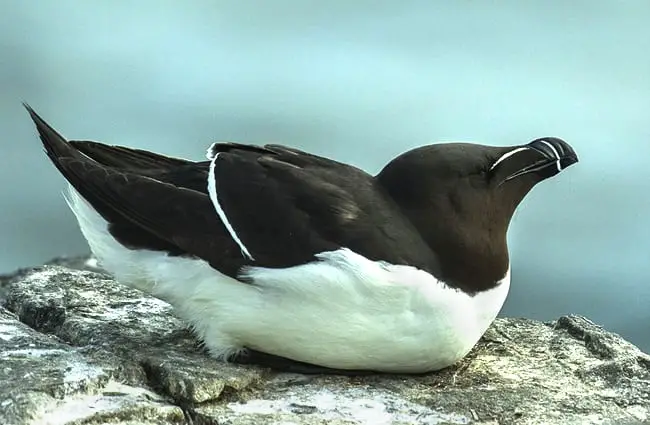
Auks belong to the family Alcidae, which also includes puffins, guillemots, and murres. They are most closely related to these birds rather than penguins. Although auks have a black‑and‑white plumage and an upright posture that makes them look like penguins, they are capable fliers.
Physical Characteristics
Auks are small to medium sized birds, ranging in length from about 20 to 55 centimeters (8 to 22 inches) and weighing between 200 grams and over a kilogram depending on the species. Their plumage is typically dark on the back and white on the belly, providing camouflage while swimming. In some species, males and females show slight differences in plumage or size. Their bills are strong and pointed, adapted for catching slippery fish. Auks molt once a year, replacing all their flight feathers at once, which temporarily reduces their flight ability.
Habitat and Distribution
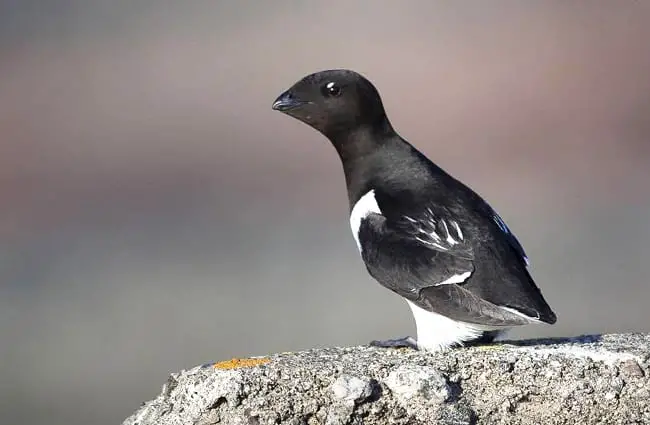
Auks are primarily found in the North Atlantic and Arctic Oceans, inhabiting rocky coastlines, cliffs, and islands. They prefer cold, nutrient‑rich waters where prey is abundant. Breeding colonies are often established on remote islands or inaccessible cliffs, providing protection from land predators. The distribution of auk species varies; for example, the Razorbill is more common in temperate waters, while the Little Auk is confined to Arctic regions. During the non‑breeding season, auks disperse across a wider range, following food sources and seeking shelter from harsh weather.
Diet and Foraging
Auks are mainly piscivorous, feeding on small schooling fish such as herring, sand eels, and capelin. They forage by diving underwater, using their wings and feet to propel themselves. Some species can reach depths of over 100 meters. Auks often forage in large flocks, increasing their chances of locating prey. They typically carry one fish at a time, though sometimes they bring more than one back to the nest.
Reproduction and Life Cycle
Auks are monogamous, forming long‑term pair bonds. They breed in colonies, nesting on rocky ledges or in burrows. The breeding season usually begins in spring, with males displaying to attract females. Auks lay a single egg, incubated by both parents. Chicks are altricial, born helpless and requiring extensive parental care. Parents feed their chicks with regurgitated fish, providing the nutrients they need to grow. Chicks fledge after several weeks and join their parents at sea. Auks can live for more than 20 years.
Mating Rituals and Pair Bonding
During courtship, male auks perform aerial displays, flapping their wings and calling loudly to attract females. They may also present fish as gifts. Pair bonding is reinforced through mutual preening and synchronized swimming. Auks are faithful, often returning to the same breeding site and mate year after year.
Ecological Role and Interactions
Auks are vital predators, regulating fish populations, and are also prey for larger seabirds and marine mammals. They serve as indicators of ocean health, with their numbers affected by changes in fish stocks, pollution, and climate change. Auks often forage in mixed flocks with other seabirds, competing for nesting sites and food resources.
Auks and the Food Web
Auks occupy a crucial position in the marine food web. They transfer energy up the chain by consuming large quantities of fish. Their guano fertilizes coastal plants, contributing to nutrient cycling. Auks are preyed upon by sharks, seals, gulls, and skuas. This complex interplay of predator and prey maintains ecological balance.
Auks and Human History
Humans have hunted auks for meat, eggs, feathers, and oil extracted from their fat, causing significant declines in some populations. Today, many auk species are protected by law, but they still face threats from habitat loss, pollution, climate change, and entanglement in fishing gear.
Cultural Significance
Auks feature in folklore and art across coastal communities, symbolizing resilience, adaptability, and the power of the sea. Indigenous cultures have used auk eggs and feathers in ceremonial contexts. Birdwatchers and photographers also prize auks as popular subjects.
Observing Auks in the Wild
When visiting auk breeding colonies, observe from a distance and avoid disturbing nesting sites. Bring binoculars or a spotting scope for a closer look. Be mindful of the fragile ecosystem and leave no trash behind. Respect the birds and their habitat. Auks are most active during the breeding season, making it the best time to observe their behavior.
What to do if you find an injured Auk
If you encounter an injured auk, do not handle it yourself. Contact a local wildlife rehabilitation center or animal rescue organization. Provide them with as much information as possible about the bird’s condition and location.
Auks in Captivity
Caring for auks in captivity requires specialized knowledge and facilities. They need large outdoor enclosures with access to saltwater pools. Their diet should consist of fresh fish, provided daily. Regular veterinary care is essential. Auks are social birds, so they should be housed with other auks. Enrichment activities such as puzzle feeders and interactive toys help keep them stimulated.
Auks are remarkable birds that deserve our admiration and protection. By understanding their biology, behavior, and ecological role, we can help ensure their survival for generations to come. From their impressive diving skills to their devoted parental care, auks continue to captivate and inspire. Continued research and conservation efforts are crucial to address the threats they face and safeguard their future.
![Closeup of a beautiful Red Angus cowPhoto by: U.S. Department of Agriculture [pubic domain]https://creativecommons.org/licenses/by/2.0/](https://animals.net/wp-content/uploads/2020/03/Red-Angus-4-238x178.jpg "Red Angus")
![Closeup of a beautiful Red Angus cowPhoto by: U.S. Department of Agriculture [pubic domain]https://creativecommons.org/licenses/by/2.0/](https://animals.net/wp-content/uploads/2020/03/Red-Angus-4-100x75.jpg "Red Angus")