
The world’s high altitude and arctic regions harbor a remarkable bird, a master of camouflage and resilience—the ptarmigan. Often overlooked, these fascinating members of the grouse family possess unique adaptations that allow them to thrive in some of Earth’s most challenging environments. This comprehensive guide delves into the world of ptarmigans, exploring their biology, behavior, ecological role, and interaction with humans.
What is a Ptarmigan?
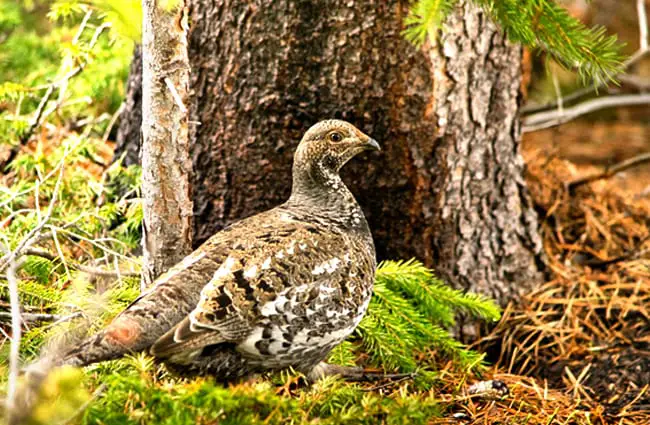
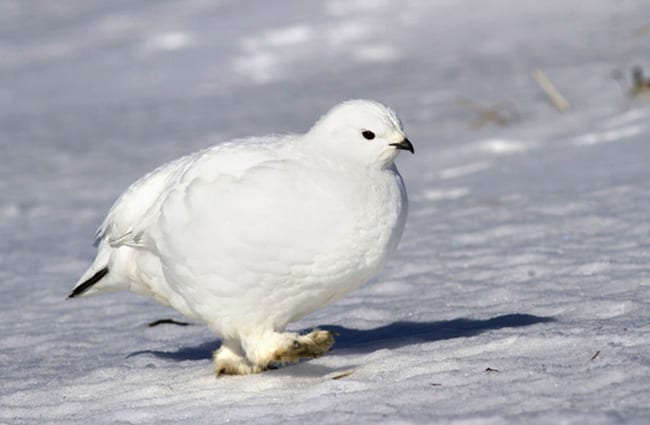
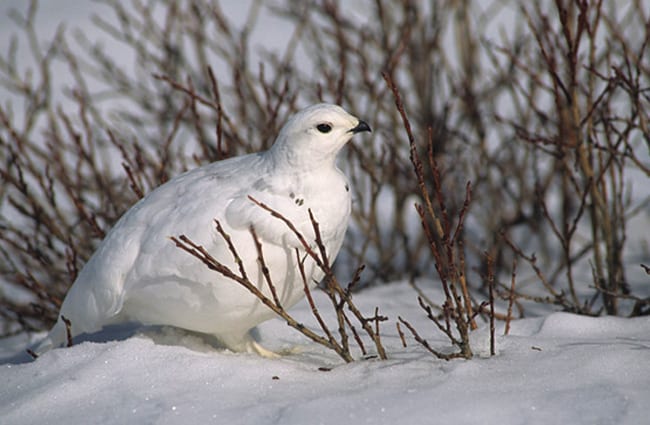
The name ptarmigan comes from the Old Norse word þormákan, meaning “grouse.” There are three recognized species of ptarmigan—the Rock Ptarmigan (Lagopus muta), the Willow Ptarmigan (Lagopus lagopus), and the White‑tailed Ptarmigan (Lagopus leucura). All three share a common characteristic—the ability to change their plumage seasonally, providing exceptional camouflage. These birds are plump, ground‑dwelling, and possess feathered feet that act as natural snowshoes, preventing them from sinking into deep snow.
Physical Characteristics
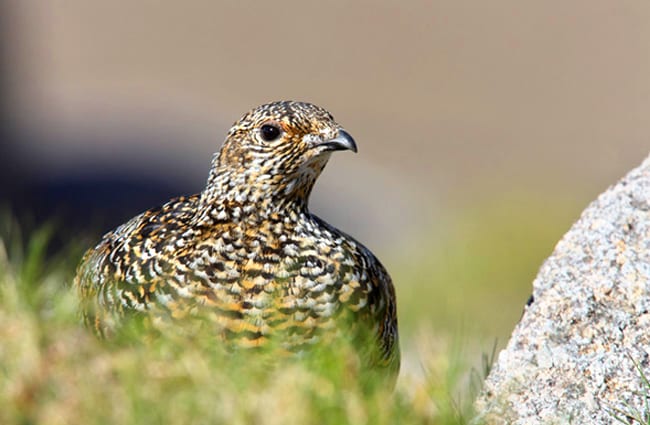
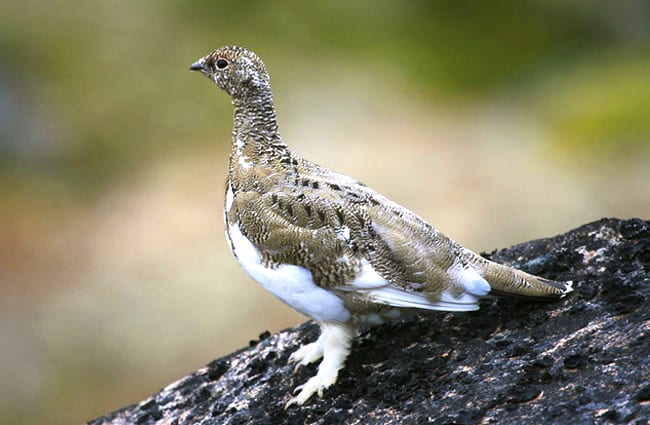
Ptarmigans are medium‑sized grouse, typically ranging from 15 to 18 inches in length. Their weight varies depending on the season and food availability, generally falling between 11 ounces and 2.2 pounds. Their bodies are streamlined to reduce heat loss, and they have a relatively small beak adapted for foraging on vegetation. The most striking feature is their plumage, which changes with the seasons. In summer, their feathers are mottled brown, gray, and white, providing camouflage among rocks and vegetation. As winter approaches, their plumage turns entirely white, blending seamlessly with the snow covered landscape.
Habitat and Distribution
Ptarmigans are inhabitants of the high arctic and alpine regions of North America, Europe, and Asia. Their range is dictated by the presence of suitable habitat—typically open tundra, rocky slopes, and alpine meadows above the treeline. The Rock Ptarmigan boasts the widest distribution, found across Eurasia and North America. The Willow Ptarmigan prefers wetter environments like willow thickets and bogs, while the White‑tailed Ptarmigan is more restricted to the higher altitudes of the Rocky Mountains.
Diet and Foraging Behavior
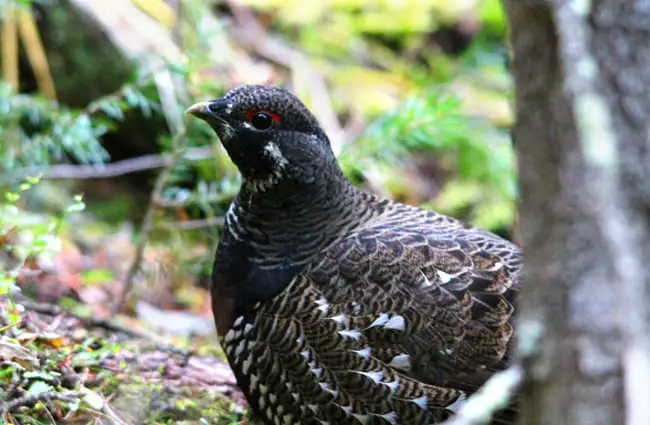
Ptarmigans are primarily herbivorous, their diet consisting of leaves, buds, shoots, berries, and seeds. During the summer months, they focus on nutrient‑rich vegetation to build energy reserves for the winter. As winter sets in, their diet shifts to more readily available but less nutritious sources, such as buds and twigs of dwarf shrubs and willow. They forage by scratching at the ground with their feet, uncovering buried seeds and vegetation. Ptarmigans also consume grit, small stones, to aid in digestion.
Reproduction and Life Cycle
Ptarmigan breeding season begins in early spring. Males establish territories through vocal displays and aggressive encounters with rivals. They attract females with elaborate courtship dances and vocalizations. Once a pair bond is formed, the female constructs a shallow scrape in the ground lined with vegetation. She typically lays six to ten eggs, incubating them for about 21 to 23 days.
Chicks are precocial, meaning they are relatively developed at hatching and capable of leaving the nest shortly after. The female provides protection and guidance, leading the chicks to foraging areas. Chicks grow rapidly, developing the ability to fly within a few weeks. Survival rates are relatively low, with predation being a major threat. Ptarmigans typically live for three to five years, though some individuals may live longer.
Ecological Role and Interactions
Ptarmigans play an important role in alpine and arctic ecosystems. They serve as a food source for a variety of predators, including foxes, wolves, eagles, and hawks. They also contribute to seed dispersal, aiding in the regeneration of plant communities. Their foraging activities can influence vegetation growth, shaping the landscape.
Ptarmigans often coexist with other bird species, such as snow buntings, sharing foraging areas. Competition for resources can occur, but these birds generally exhibit tolerance toward one another. They have a symbiotic relationship with certain plants, benefiting from the seeds they consume and contributing to seed dispersal.
Ptarmigan and Humans
Throughout history, ptarmigans have been a source of food for indigenous peoples in the arctic and alpine regions. Their meat is lean and nutritious, providing a valuable source of protein. Their feathers have been used for insulation in clothing and bedding. In some cultures, ptarmigans are considered a symbol of resilience and adaptation.
Today, ptarmigan populations are facing several threats, including habitat loss, climate change, and overhunting. Changes in snow cover and vegetation patterns can disrupt their foraging behavior and breeding success. Conservation efforts are crucial to ensure the long‑term survival of these remarkable birds.
Finding Ptarmigan in the Wild
If you’re hoping to spot ptarmigan in the wild, the best time to go is during the spring or summer months, when their plumage is more conspicuous. Look for them in open tundra, rocky slopes, and alpine meadows above the treeline. Be patient and scan the landscape carefully, as they are masters of camouflage. Binoculars are essential for spotting them from a distance. Remember to observe them from a respectful distance and avoid disturbing their habitat.
For Zookeepers and Captive Care
Caring for ptarmigan in captivity requires careful attention to their specific needs. They require a spacious enclosure that mimics their natural habitat, with a mix of open areas, rocky outcrops, and vegetation. Providing a varied diet of fresh greens, seeds, and insects is essential for maintaining their health. They need access to clean water for drinking and bathing. Zookeepers should provide enrichment activities, such as foraging opportunities and novel objects, to stimulate their natural behaviors. Monitoring their health and behavior is crucial for detecting any signs of illness or stress. Avoiding overcrowding and providing a quiet environment are essential for their well‑being.
Interesting Ptarmigan Facts
- Ptarmigans can survive in extremely cold temperatures, thanks to their dense plumage and feathered feet.
- Their legs are covered in feathers all the way down to their toes, providing insulation and traction on snow and ice.
- They can adjust their metabolism to conserve energy during the winter months.
- Ptarmigan chicks are capable of walking and foraging shortly after hatching.
- They communicate with each other using a variety of vocalizations and body language.
- Ptarmigans are known for their drumming displays, where males beat their wings against their chests to attract females.
- Their camouflage is so effective that they can often disappear into the landscape, making them difficult to spot.
Ptarmigans are truly remarkable birds, embodying resilience, adaptability, and the beauty of the natural world. Their ability to thrive in some of Earth’s most challenging environments is a testament to the power of evolution. By understanding and appreciating these fascinating creatures, we can contribute to their conservation and ensure their survival for generations to come.
![Closeup of a beautiful Red Angus cowPhoto by: U.S. Department of Agriculture [pubic domain]https://creativecommons.org/licenses/by/2.0/](https://animals.net/wp-content/uploads/2020/03/Red-Angus-4-238x178.jpg "Red Angus")
![Closeup of a beautiful Red Angus cowPhoto by: U.S. Department of Agriculture [pubic domain]https://creativecommons.org/licenses/by/2.0/](https://animals.net/wp-content/uploads/2020/03/Red-Angus-4-100x75.jpg "Red Angus")


