Masters of the Sky: A Comprehensive Look at the Red Tailed Hawk
The Red Tailed Hawk, a magnificent bird of prey, is a familiar sight across North and Central America. From soaring high above open country to patiently perched on roadside trees, this adaptable raptor captivates with its striking appearance and impressive hunting skills. This article delves into the life history, ecology, and cultural significance of this iconic avian predator.
Identifying the Red Tailed Hawk
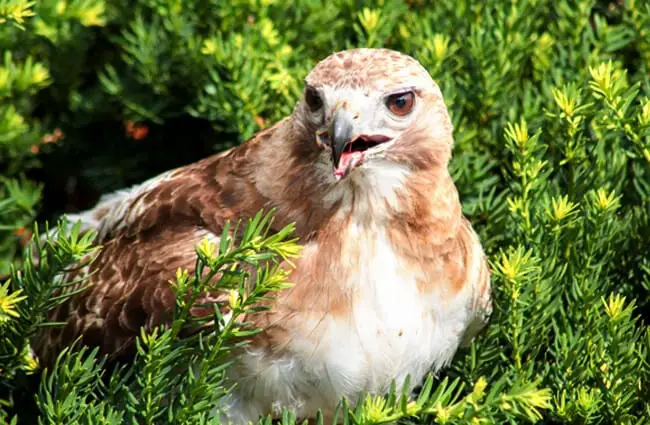
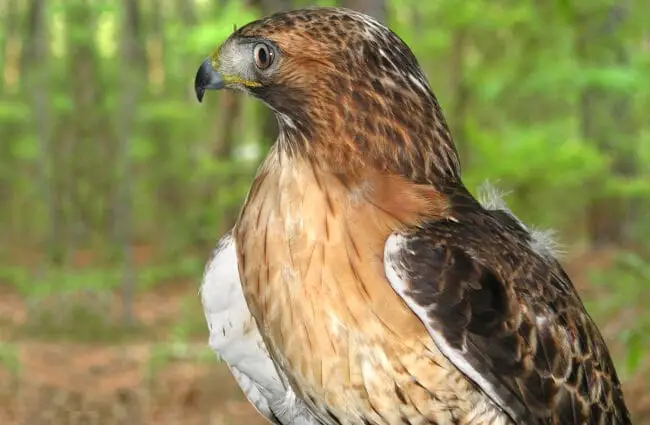
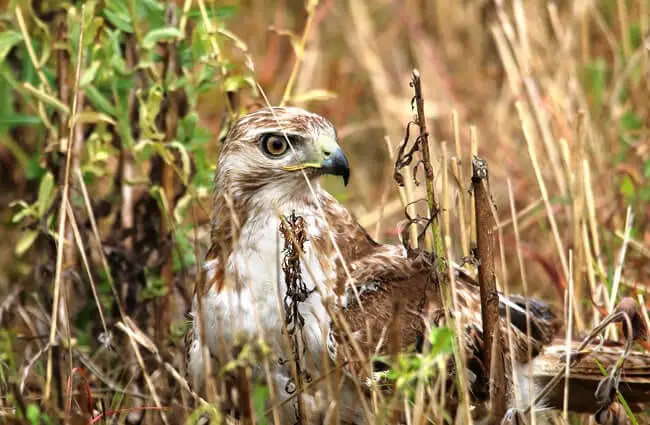
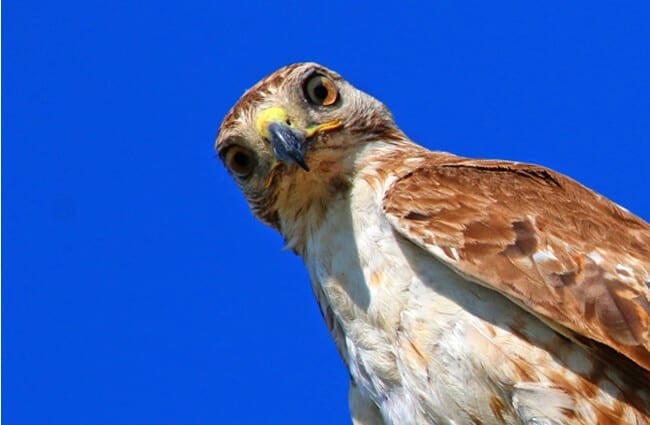
As its name suggests, the adult Red Tailed Hawk is most easily recognized by the rich reddish‑brown coloration of its tail. However, this coloration doesn’t appear until the bird is around three years old. Immature birds display banded tails, gradually acquiring the characteristic red hue with each successive molt. Beyond the tail, adults exhibit a pale underside with a dark band of streaking, and a reddish‑brown shoulder patch. Their backs are typically brown, and they possess dark, hooked beaks perfectly suited for tearing flesh. Wingspan averages around 5 to 7 feet, making them a substantial presence in the sky.
Habitat and Distribution
Red Tailed Hawks are remarkably adaptable, thriving in a wide range of habitats. They are commonly found in open country, including grasslands, fields, and deserts, but also frequent woodlands, forests, and even urban areas. Their distribution spans much of North and Central America, from Alaska and Canada down to Panama and the Caribbean. They favor areas with a mix of open hunting grounds and elevated perches for surveying their territory. The key requirement is abundant prey.
Finding Red Tailed Hawks in the Wild
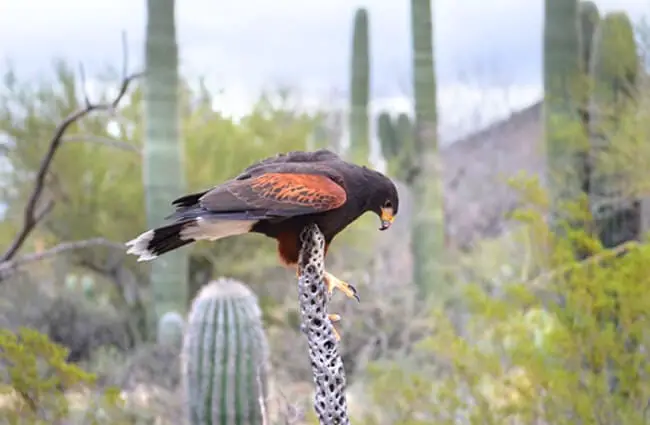
For aspiring birdwatchers, Red Tailed Hawks are relatively easy to spot. Look for them soaring in circles at high altitudes or perched on prominent structures like trees, telephone poles, or cacti. Open areas with good visibility are prime hunting grounds. Listen for their distinctive, raspy scream, often described as a “kee-ee‑eee‑oo.” Early morning and late afternoon are typically the most active times for hunting.
Diet and Hunting Strategies
Red Tailed Hawks are opportunistic predators with a varied diet. Small mammals, such as voles, mice, and squirrels, constitute the bulk of their meals. However, they also prey on rabbits, birds, reptiles, and occasionally fish or insects. They employ two primary hunting strategies. One is to soar high above the landscape, scanning for prey before diving down with incredible speed and accuracy. The other involves patiently perching and waiting for an unsuspecting animal to come within striking distance. Their powerful talons and sharp beaks ensure a swift and efficient kill.
Evolutionary History
The evolutionary lineage of the Red Tailed Hawk traces back tens of millions of years, with fossil records revealing ancestors among the Accipitridae family, which includes hawks, eagles, and kites. The genus Buteo, to which the Red Tailed Hawk belongs, emerged during the Oligocene epoch. Over time, different Buteo species adapted to various ecological niches, resulting in the diverse range of hawks we see today. The Red Tailed Hawk, specifically, is believed to have evolved from more primitive Buteo ancestors, gradually refining its hunting skills and adapting to a wider range of habitats.
Reproduction and Life Cycle
Red Tailed Hawks typically mate for life, forming strong pair bonds. Breeding season begins in early spring. The pair constructs a large, bulky nest, known as an eyrie, usually in a tall tree, but sometimes on cliffs or artificial structures. The nest is built from sticks and lined with softer materials. The female lays one to three eggs, which are incubated for around 28 to 35 days. Young hawks, called fledglings, remain in the nest for several weeks, relying on their parents for food. They begin to practice flying, gradually increasing their range and skill. By late summer or early fall, the young hawks become independent and disperse to establish their own territories.
Ecological Role and Interactions
As apex predators, Red Tailed Hawks play a crucial role in maintaining the health and balance of their ecosystems. By controlling populations of rodents and other small animals, they help prevent outbreaks and maintain biodiversity. They also interact with other birds of prey, sometimes competing for resources or occasionally engaging in kleptoparasitism—stealing food from other raptors. They are preyed upon by larger raptors, such as eagles and great horned owls, particularly when they are young or injured.
Red Tailed Hawk and Humans
Throughout history, Red Tailed Hawks have held cultural significance for many indigenous peoples of North America, often viewed as symbols of power, courage, and vision. In modern times, they are occasionally used in falconry and are sometimes kept as pets, but their large size and legal restrictions make them less common. Unfortunately, they have also been subject to persecution in the past, due to misguided fears and conflicts with human interests. Today, they are generally protected by law, and their populations are relatively stable. However, ongoing threats include habitat loss, pesticide contamination, and collisions with vehicles and power lines.
Caring for Red Tailed Hawks in Captivity
Zookeepers and wildlife rehabilitators caring for Red Tailed Hawks must provide a spacious enclosure that allows for flight and perching. A varied diet of appropriately sized prey items, such as chicks, mice, and quail, is essential. Enrichment activities, such as providing novel objects and opportunities for problem solving, can help stimulate their natural behaviors. It’s crucial to minimize human contact to avoid imprinting or habituation. Strict hygiene protocols are vital to prevent the spread of disease. A specialized understanding of raptor behavior and health is indispensable for providing optimal care.
Fascinating Facts
- Red Tailed Hawks can see up to eight times farther than humans.
- They are known to cache surplus prey, storing it for later consumption.
- Their call has been famously used in countless movies and television shows to represent other birds of prey, including eagles.
- They can reach speeds of up to 120 km/h (75 mph) during their hunting dives.
- Some individuals may live for over 30 years in the wild.
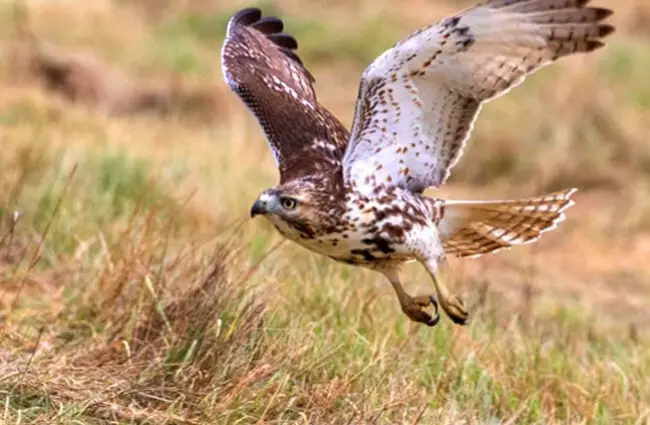
The Red Tailed Hawk stands as a testament to the power and beauty of nature. Its remarkable adaptability, hunting prowess, and ecological significance make it a captivating subject of study and a cherished symbol of the American landscape. Continued conservation efforts are essential to ensure that this magnificent bird of prey continues to grace our skies for generations to come.
![Closeup of a beautiful Red Angus cowPhoto by: U.S. Department of Agriculture [pubic domain]https://creativecommons.org/licenses/by/2.0/](https://animals.net/wp-content/uploads/2020/03/Red-Angus-4-238x178.jpg "Red Angus")
![Closeup of a beautiful Red Angus cowPhoto by: U.S. Department of Agriculture [pubic domain]https://creativecommons.org/licenses/by/2.0/](https://animals.net/wp-content/uploads/2020/03/Red-Angus-4-100x75.jpg "Red Angus")