A World of Fuzzy Pollinators: Unveiling the Secrets of Bumblebees
Bumblebees, those charismatic fuzzy insects, are far more than just honey makers. They represent a vital link in our ecosystems and hold a fascinating place in both natural history and human culture. This guide delves into the world of Bombus, exploring their biology, behavior, and ecological significance.
What are Bumblebees? A Basic Introduction
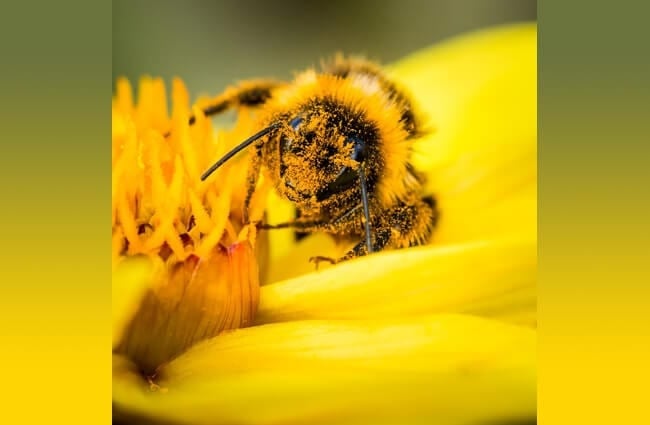
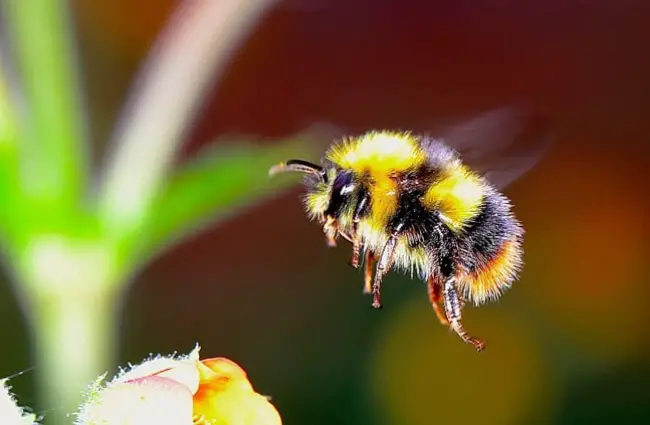
Bumblebees belong to the genus Bombus, part of the bee family Apidae. They are larger and hairier than many other bee species, an adaptation to colder climates. This dense coat of hair, known as pile, provides insulation, allowing them to forage in cooler temperatures than honeybees. They are social insects, living in colonies, but their colony structure is markedly different from that of honeybees and a point we will explore further.
Appearance and Identification
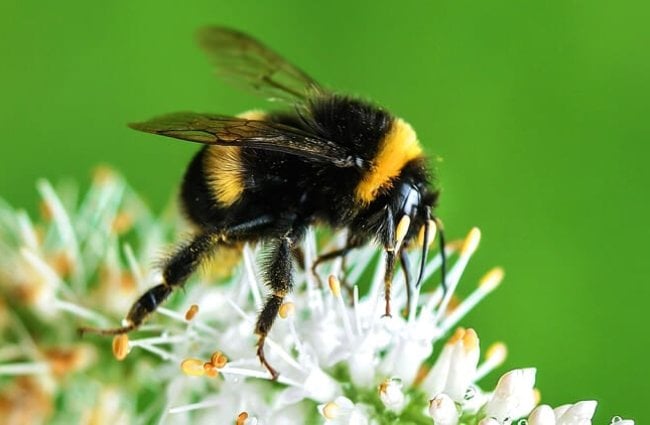
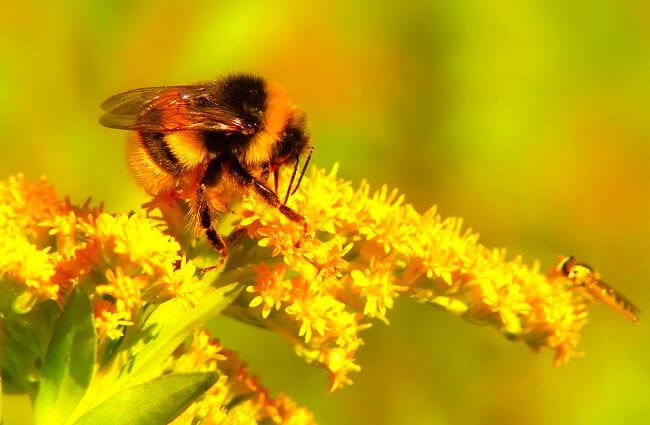
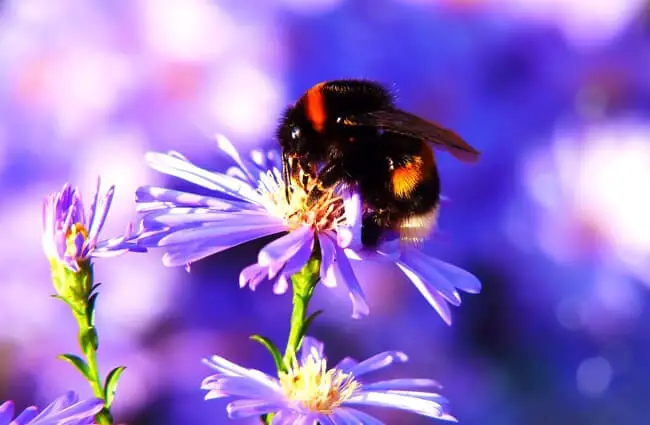
Bumblebees typically display striking patterns of black, yellow, orange, and even red. These colors serve as warning signals to potential predators, advertising their ability to sting. Variations in color banding are often species specific, aiding in identification. Size also varies, with queen bumblebees being significantly larger than workers. Look for their robust bodies and a characteristic fuzzy appearance.
Habitat and Distribution: Where Do Bumblebees Live?
Bumblebees are found in temperate regions across the globe, including North America, Europe, Asia, Australia, and South America. They occupy a variety of habitats, from meadows and gardens to forests and agricultural lands. They thrive in areas with an abundance of flowering plants, providing a consistent source of nectar and pollen. Altitude is not a barrier; some species are found in mountainous regions.
Nesting Habits
Unlike honeybees, bumblebees do not build elaborate wax honeycombs. They typically nest underground, utilizing abandoned rodent burrows or creating their own cavities. Colonies are smaller than honeybee colonies, usually containing between 50 and 500 individuals. They also nest in clumps of grass, under sheds or other man-made structures. The nest is constructed from wax secreted by the queen, mixed with pollen and plant fibers.
Bumblebee Diet: What Do They Eat?
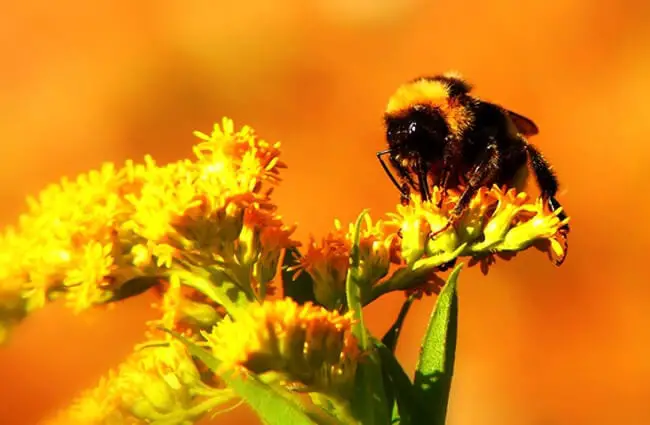
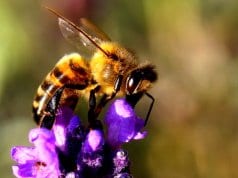
Bumblebees are polylectic foragers, meaning they collect nectar and pollen from a wide variety of flowering plants. Nectar provides carbohydrates for energy, while pollen provides protein and other essential nutrients. They are particularly effective pollinators of certain plants, such as tomatoes and blueberries, because of their ability to buzz pollinate. This involves vibrating their flight muscles to dislodge pollen from flowers that hold it tightly.
Life Cycle and Reproduction: From Queen to Colony
The bumblebee life cycle is fascinatingly different from that of honeybees. Each year, a new queen emerges from hibernation in the spring. She searches for a suitable nesting site and begins to build a small nest. She lays her first batch of eggs, and when they hatch, she cares for the larvae herself. These first offspring become worker bees, taking over the tasks of foraging, nest building, and caring for subsequent larvae.
Mating and Colony Establishment
New queens are produced throughout the summer. They mate with males, also called drones, and store the sperm to fertilize eggs the following spring. The males die after mating, and only the new queens survive the winter. The original queen continues to lay eggs until the colony reaches its peak size in late summer. Towards the end of the season, she lays eggs that will become new queens and drones, starting the cycle anew.
Ecological Importance: Why Bumblebees Matter
Bumblebees are essential pollinators, playing a vital role in both natural ecosystems and agriculture. They pollinate a wide range of plants, including many important food crops. Their effectiveness as pollinators stems from their large size, fuzzy bodies, and ability to buzz pollinate. A decline in bumblebee populations can have cascading effects on plant communities and agricultural yields.
Interactions with Other Animals
Bumblebees interact with other animals in various ways. They are preyed upon by birds, wasps, and other insects. They also compete with other pollinators, such as honeybees, for resources. However, their unique foraging strategies and ability to thrive in cooler temperatures often give them a competitive advantage.
Bumblebees and Humans: A Complex Relationship
Humans have a long history of interacting with bumblebees. In many cultures, they are seen as symbols of good luck and prosperity. Their populations are facing increasing threats from habitat loss, pesticide use, and climate change. Fortunately, there is growing awareness of the importance of bumblebee conservation, and many individuals and organizations are working to protect these vital pollinators.
Threats to Bumblebee Populations
Habitat loss due to urbanization and agricultural intensification is a major threat to bumblebee populations. Pesticide use, particularly neonicotinoids, can have devastating effects on bumblebees, impairing their foraging ability and reproductive success. Climate change is also posing a challenge, altering flowering times and disrupting the synchronization between bumblebees and the plants they pollinate.
Advanced Bumblebee Biology: For the Aspiring Zoologist
Beyond the basics, bumblebee biology presents several fascinating areas for further study. Their thermoregulation abilities, achieved through shivering and wing vibrations, are remarkable. Their navigation skills, utilizing polarized light and magnetic fields, are still being investigated. The complex communication system within the colony, involving pheromones and tactile signals, is also a rich area of research.
Finding and Observing Bumblebees in the Wild
If you are hoping to observe bumblebees in the wild, the best time to do so is during the spring and summer months. Look for them foraging on flowering plants in meadows, gardens, and woodlands. Approach slowly and quietly to avoid disturbing them. Avoid wearing strong perfumes or brightly colored clothing, which may attract unwanted attention. Never attempt to handle a bumblebee, as they can sting if threatened.
Caring for Bumblebees in Captivity
Caring for bumblebees in captivity requires specialized knowledge and resources. They need a spacious enclosure with a variety of flowering plants to provide nectar and pollen. The temperature and humidity must be carefully controlled to mimic their natural environment. It is also important to provide a suitable nesting substrate and to protect them from predators and parasites. Note that keeping wild bumblebees requires permits and is generally discouraged, as it can threaten local populations.
Fun Facts About Bumblebees
- Bumblebees can fly in rain, unlike honeybees.
- They have a short term memory, remembering only recently visited flowers.
- Bumblebees can control their body temperature, allowing them to forage in cold weather.
- Queen bumblebees are the only members of the colony that survive the winter.
- Bumblebees are excellent swimmers.
Bumblebees are truly remarkable creatures, playing a vital role in our ecosystems and enriching our world with their beauty and industriousness. By understanding their biology, behavior, and ecological importance, we can better protect these fascinating pollinators for generations to come.
![Closeup of a beautiful Red Angus cowPhoto by: U.S. Department of Agriculture [pubic domain]https://creativecommons.org/licenses/by/2.0/](https://animals.net/wp-content/uploads/2020/03/Red-Angus-4-100x75.jpg "Red Angus")