The world of reptiles is vast and varied, but few creatures capture the human imagination quite like the Ball Python. Known scientifically as Python regius, or the Royal Python, this fascinating snake is a true ambassador for its kind, celebrated for its docile nature, striking beauty, and intriguing biology. From the sun-drenched savannas of West and Central Africa to the homes of enthusiasts worldwide, the Ball Python offers a captivating glimpse into the serpentine realm.
This comprehensive guide delves into every facet of the Ball Python’s existence, from its ancient origins and wild behaviors to its profound impact on human culture and the intricate details of its care in captivity. Prepare to embark on a journey that uncovers the secrets of this remarkable reptile, offering insights valuable to students, aspiring zoologists, animal lovers, and even the casual hiker.
Meet the Ball Python: A Gentle Giant of the Savannah
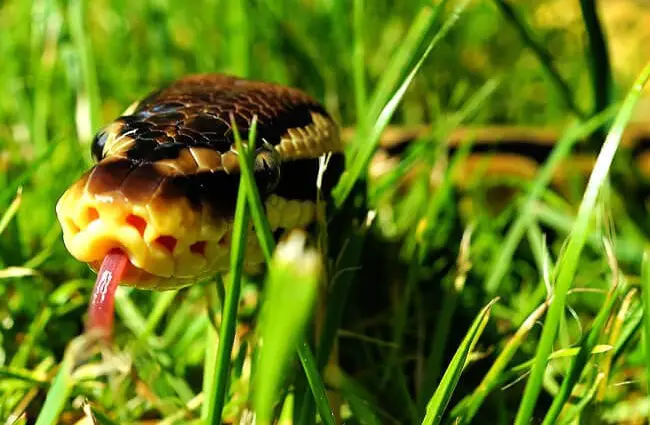
The Ball Python earns its common name from its characteristic defensive posture: when threatened, it curls into a tight, impenetrable ball, tucking its head safely within its coils. This behavior, coupled with its generally placid temperament, has made it one of the most popular pet snakes globally. In its native range, it is often referred to as the Royal Python, a name believed to stem from ancient Egyptian and African royalty adorning themselves with these snakes as jewelry.
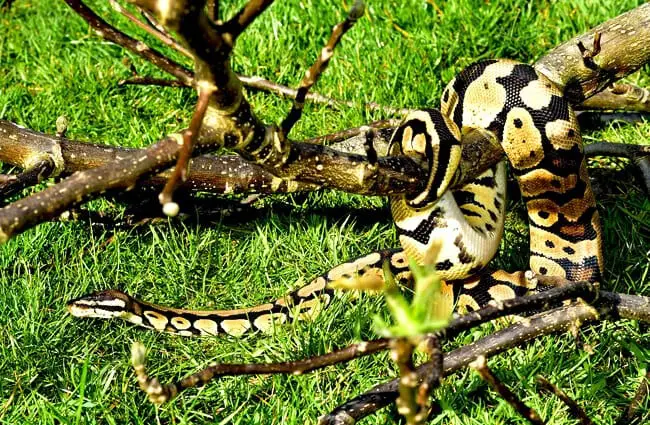
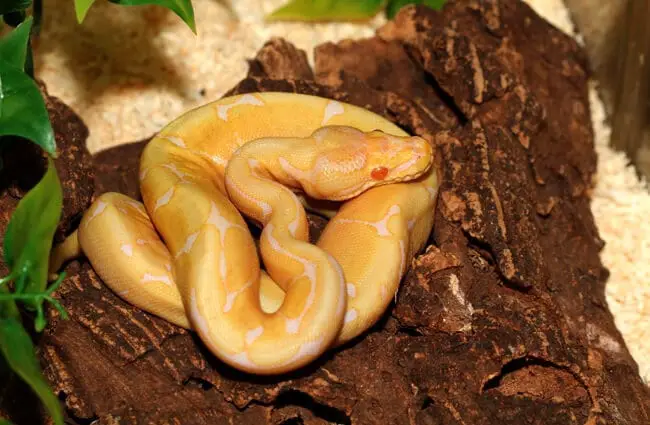
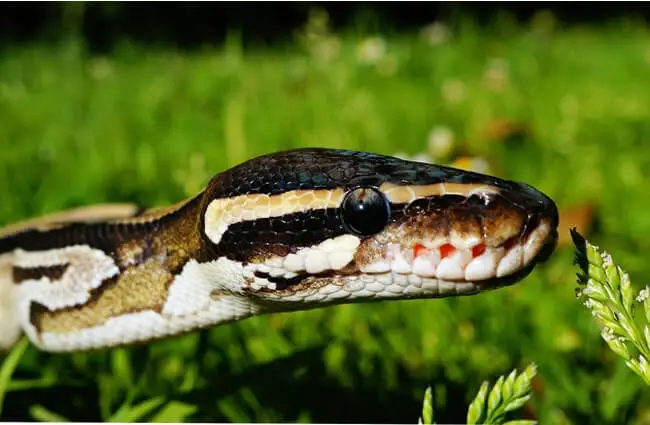
These snakes are relatively small pythons, typically reaching lengths of 3 to 5 feet (0.9 to 1.5 meters) as adults, with females generally being larger and heavier than males. Their robust, muscular bodies are adorned with a stunning array of patterns and colors, predominantly dark brown or black with lighter brown, gold, or olive blotches. This natural camouflage allows them to blend seamlessly into their environment, a crucial adaptation for both hunting and evading predators.
Where in the World Do They Live? Habitat and Range
Ball Pythons are endemic to West and Central Africa, inhabiting a broad belt stretching from Senegal and Mali eastward to Uganda and Sudan. Their preferred habitats are the grasslands, savannas, and open forests, often found near agricultural areas and human settlements. These environments provide a mosaic of open spaces for basking and hunting, alongside dense vegetation and burrows for shelter and thermoregulation.
During the day, Ball Pythons are primarily nocturnal and crepuscular, meaning they are most active at dawn and dusk. They spend much of their daylight hours concealed in burrows, hollow logs, abandoned termite mounds, or dense leaf litter. This secretive nature helps them avoid predators and regulate their body temperature in the often-harsh African climate. An animal lover aiming to find a Ball Python in the wild would need patience and a keen eye, focusing on areas with suitable cover, particularly during cooler parts of the day or after sunset when they might emerge to hunt. Observing local guides and understanding their habits is key, but always with respect for the wild and its inhabitants.
What’s on the Menu? Ball Python Diet
As constrictors, Ball Pythons are formidable predators, relying on ambush tactics and powerful coils to subdue their prey. Their diet primarily consists of small mammals, particularly rodents such as African soft-furred rats, shrews, and sometimes birds. Young pythons may also consume lizards.
Their hunting strategy involves waiting patiently in a concealed location, often near rodent trails or burrows. When an unsuspecting prey animal comes within striking distance, the python launches a rapid attack, biting and quickly coiling around its victim. The constriction is swift and efficient, cutting off blood flow and respiration. Once the prey is incapacitated, the python swallows it whole, headfirst. This diet plays a crucial role in controlling rodent populations within their ecosystem, highlighting their importance as a natural pest control agent.
Life Cycle and Ecology
The Dance of Life: Mating and Reproduction
Ball Pythons typically reach sexual maturity between 2 and 3 years of age, though growth rates can vary. The breeding season usually occurs during the cooler, drier months, from September to November in their native habitat. Males will actively seek out females, often engaging in competitive combat dances with other males to establish dominance and breeding rights. Courtship involves the male coiling around the female, twitching and rubbing against her to stimulate her.
After successful mating, the female will undergo a gestation period of approximately 45 to 60 days. She then lays a clutch of 3 to 11 leathery eggs, typically in a secluded, warm, and humid location such as a burrow or hollow log. Unlike many other snake species, the female Ball Python exhibits maternal care, coiling around her eggs to protect them and regulate their temperature and humidity. She will shiver her muscles to generate heat, a remarkable form of thermoregulation. The incubation period lasts around 55 to 60 days, after which the hatchlings, miniature versions of their parents, emerge ready to face the world independently. They are immediately self-sufficient, capable of hunting and defending themselves.
A Role in the Wild: Ecosystem Contribution
In their natural environment, Ball Pythons are integral components of the food web. As mesopredators, they help regulate populations of small mammals, preventing overgrazing and the spread of diseases that rodents can carry. This role is vital for maintaining the health and balance of their savanna and grassland ecosystems. Their presence indicates a healthy environment with a stable prey base.
Conversely, Ball Pythons themselves are prey for larger predators, including birds of prey, monitor lizards, and other carnivorous mammals. Their cryptic coloration and defensive balling behavior are crucial adaptations to avoid becoming a meal. Their interaction with other animals is primarily through predator-prey relationships, but they also share habitats with a myriad of other species, contributing to the rich biodiversity of African ecosystems.
An Ancient Lineage: Evolutionary Journey
The evolutionary history of pythons, including the Ball Python, stretches back millions of years. Pythons belong to the family Pythonidae, a group of non-venomous constricting snakes found in Africa, Asia, and Australia. Their lineage is thought to have diverged from other snake groups early in snake evolution, retaining some primitive features such as vestigial hind limbs (pelvic spurs) that are remnants of their lizard-like ancestors. These spurs are more prominent in males and are used during courtship.
Ball Pythons have evolved to thrive in their specific African habitats, developing adaptations like their robust build for constriction, their cryptic patterns for camouflage, and their nocturnal habits to cope with temperature extremes. Their ability to enter a state of aestivation (a form of dormancy similar to hibernation) during prolonged dry periods further showcases their evolutionary resilience to environmental challenges. This long evolutionary journey has honed them into the efficient and adaptable predators observed today.
Ball Pythons and Humans
Encounters in the Wild: What to Do
For a hiker or adventurer encountering a Ball Python in the wild, the primary rule is respect and observation from a distance. These snakes are generally shy and non-aggressive. If disturbed, a Ball Python will most likely try to escape or curl into its characteristic defensive ball. It is highly unlikely to strike unless severely provoked or handled roughly. Here are some guidelines:
- Do Not Approach or Handle: Admire the snake from a safe distance. Never attempt to pick up a wild snake, as this can stress the animal and may provoke a defensive bite. While not venomous, a bite can still be painful and potentially lead to infection.
- Give It Space: Allow the snake to move away on its own. Do not block its path or corner it.
- Observe Quietly: If the snake is stationary, take a moment to observe its natural behavior without causing disturbance.
- Report if Necessary: If the snake appears injured or is in a dangerous location (e.g., a road), contact local wildlife authorities or conservation groups.
- Leave No Trace: Ensure your presence does not alter the snake’s environment or behavior.
A Cultural Icon: Ball Pythons in Human Society
Ball Pythons hold a unique place in human culture, particularly in their native West Africa. They are often revered in certain indigenous cultures, sometimes considered sacred animals or symbols of fertility and good fortune. In some traditions, harming a Royal Python is taboo, reflecting a deep respect for these creatures.
Globally, the Ball Python has become an incredibly popular pet, contributing significantly to the exotic pet trade. Its docile temperament, manageable size, and the vast array of “morphs” (genetic variations in color and pattern) developed through selective breeding have made it a favorite among reptile enthusiasts. This popularity has also spurred a significant industry, from breeding and husbandry to educational outreach. However, it also brings responsibilities regarding ethical sourcing and proper care to prevent stress on wild populations and ensure animal welfare.
Caring for a Captive Royal: Zookeeper’s Guide
Caring for a Ball Python in captivity, whether in a zoo or a private collection, requires a dedicated understanding of its natural history and specific needs. A zookeeper’s tasks revolve around replicating the snake’s natural environment as closely as possible to ensure its health and well-being.
- Enclosure Setup:
- Size: A secure enclosure, at least 40 gallons for an adult, providing ample floor space for movement and exploration.
- Substrate: A moisture-retaining substrate like cypress mulch, coco fiber, or sphagnum moss to help maintain humidity. Avoid cedar or pine shavings, which can be toxic.
- Hides: Provide at least two secure hides, one on the warm side and one on the cool side, where the snake can feel completely enclosed and safe.
- Climbing Opportunities: While primarily terrestrial, branches or sturdy decor can offer enrichment.
- Water Bowl: A heavy, shallow water bowl large enough for the snake to soak in, kept meticulously clean.
- Environmental Parameters:
- Temperature: A thermal gradient is crucial. Provide a basking spot of 88-92°F (31-33°C) and an ambient temperature range of 75-80°F (24-27°C). Use under-tank heaters with thermostats or ceramic heat emitters.
- Humidity: Maintain humidity levels between 60-80%. This can be achieved through substrate choice, misting, and a large water bowl. A hygrometer is essential for monitoring.
- Lighting: A natural day/night cycle (12-14 hours light, 10-12 hours dark) is important. UVB lighting is not strictly required but can be beneficial for overall health and natural behavior.
- Diet and Feeding:
- Prey: Feed appropriately sized rodents (rats or mice), typically once every 7-14 days for adults. Prey should be no wider than the snake’s widest point.
- Frozen/Thawed: Always offer pre-killed, frozen/thawed prey to prevent injury to the snake.
- Fasting: Ball Pythons are known to go off feed for extended periods, especially during breeding season or if stressed. Monitor weight and body condition, but avoid force-feeding unless advised by a veterinarian.
- Health and Hygiene:
- Cleaning: Spot clean daily, and perform a full enclosure cleaning every 4-6 weeks.
- Shedding: Ensure proper humidity during shedding to facilitate a complete shed. Retained eye caps or pieces of shed skin can indicate low humidity or other health issues.
- Quarantine: New animals should be quarantined for at least 90 days before introduction to an existing collection.
- Veterinary Care: Regular check-ups and immediate veterinary attention for any signs of illness (e.g., lethargy, abnormal breathing, skin lesions, regurgitation).
- Handling and Enrichment:
- Handling: Handle gently and support the snake’s body. Avoid excessive handling, especially after feeding or during shedding.
- Enrichment: Provide opportunities for climbing, burrowing, and exploring. Changing enclosure decor can offer mental stimulation.
What to Avoid: Overhandling, feeding live prey, incorrect temperature or humidity, small enclosures, lack of hides, cedar/pine substrates, and ignoring signs of illness.
Beyond the Basics: A Compendium of Ball Python Wonders
The Ball Python is a creature of endless fascination, full of surprising facts and behaviors. Here is a huge list of interesting insights into these royal reptiles:
- Longevity: Ball Pythons are remarkably long-lived, often reaching 20-30 years in captivity, with some individuals exceeding 40 years.
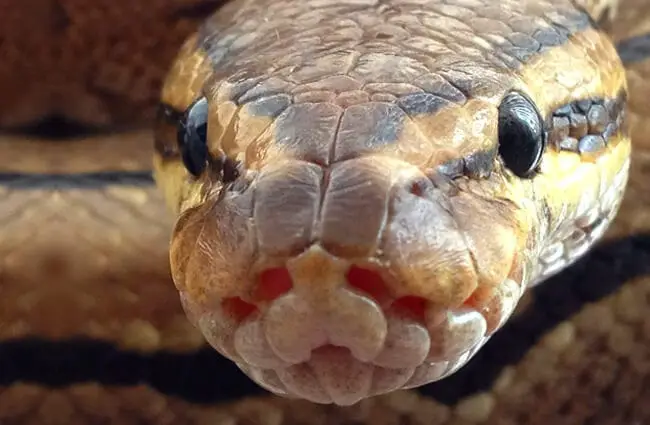
- Heat Pits: Like many pythons, Ball Pythons possess specialized heat-sensing pits along their upper and lower jaws. These thermoreceptors allow them to detect the infrared radiation emitted by warm-blooded prey, even in complete darkness.
- Nocturnal Hunters: Their excellent sense of smell, aided by their forked tongue flicking to collect scent particles, combined with their heat pits, makes them highly effective nocturnal predators.
- “Playing Dead”: While less common than balling, some Ball Pythons may occasionally “play dead” (thanatosis) when severely stressed, lying still and limp to deter predators.
- Sexual Dimorphism: Females are typically larger and heavier than males, a common trait in many snake species, likely due to the energy demands of egg production.
- Pelvic Spurs: Males have more pronounced pelvic spurs, which are vestigial remnants of hind limbs. These are used to “hook” the female during courtship.
- Aestivation: In the wild, Ball Pythons can enter a state of aestivation during periods of drought or extreme heat, burying themselves to conserve energy and moisture until conditions improve.
- Color Morphs: Selective breeding in captivity has led to thousands of distinct “morphs,” showcasing an incredible diversity of colors and patterns, from vibrant albinos to intricate piebalds and striking paradoxes.
- Docile Temperament: Their calm and non-aggressive nature is a primary reason for their popularity as pets, making them suitable for responsible beginners.
- Slow Metabolism: Ball Pythons have a relatively slow metabolism, which contributes to their infrequent feeding schedule and long lifespan.
- Burrow Dwellers: They are semi-fossorial, meaning they spend a significant amount of time underground in burrows, which provides stable temperatures and humidity.
- Oviparous: They are egg-laying snakes, a characteristic shared with all pythons.
- Maternal Care: Female Ball Pythons exhibit a rare form of maternal care among snakes, coiling around their eggs to incubate them.
- Conservation Status: While popular in the pet trade, wild populations face threats from habitat loss and collection for the pet trade, leading to their listing under CITES Appendix II, which regulates international trade.
- Shedding Skin: Like all snakes, Ball Pythons shed their entire outer layer of skin (ecdysis) periodically as they grow. A healthy shed comes off in one complete piece.
- No Venom: Ball Pythons are non-venomous constrictors, relying solely on their powerful muscles to subdue prey.
- Olfactory Senses: Their Jacobson’s organ (vomeronasal organ) in the roof of their mouth processes chemical cues picked up by their forked tongue, providing a detailed “smell map” of their environment.
- Defensive Ball: The tight balling posture is an incredibly effective defense mechanism, making them difficult for predators to uncoil and attack.
- Silent Hunters: Their scales allow for silent movement, aiding in their ambush hunting strategy.
- Adaptable: Their ability to adapt to various environments within their range, from dry savannas to more humid forests, speaks to their evolutionary success.
A Legacy of Scales and Secrets
The Ball Python, or Royal Python, is far more than just a beautiful snake. It is a testament to the intricate dance of evolution, a vital player in its African ecosystems, and a cherished companion in human homes. From its ancient lineage to its modern-day role as a cultural icon, this gentle constrictor continues to captivate and educate. Understanding the Ball Python’s biology, behavior, and needs not only enriches our appreciation for this specific species but also deepens our respect for the incredible diversity of life on Earth. Whether encountered in the wild or cared for in captivity, the Ball Python offers a window into the fascinating world of reptiles, reminding us of the importance of conservation and responsible stewardship for all creatures, great and small.
![Closeup of a beautiful Red Angus cowPhoto by: U.S. Department of Agriculture [pubic domain]https://creativecommons.org/licenses/by/2.0/](https://animals.net/wp-content/uploads/2020/03/Red-Angus-4-238x178.jpg "Red Angus")


![Closeup of a beautiful Red Angus cowPhoto by: U.S. Department of Agriculture [pubic domain]https://creativecommons.org/licenses/by/2.0/](https://animals.net/wp-content/uploads/2020/03/Red-Angus-4-100x75.jpg "Red Angus")