Deep within the vast, sun-drenched grasslands and arid plains, a truly remarkable avian resident makes its home not in the trees, but beneath the earth. The Burrowing Owl, a creature of captivating charm and surprising intelligence, stands apart from its nocturnal kin. These small, long-legged owls are diurnal, often seen standing sentinel at the entrance of their subterranean abodes, observing the world with piercing yellow eyes. Their unique lifestyle, from their choice of dwelling to their hunting prowess, offers a fascinating glimpse into the adaptability and diversity of the natural world.
This comprehensive guide delves into the intricate life of the Burrowing Owl, exploring its biology, behavior, ecological role, and interactions with both the environment and humanity. Whether you are a student embarking on a research paper, an aspiring zoologist seeking deeper understanding, an animal lover hoping to observe them in the wild, a hiker curious about a chance encounter, or a zookeeper dedicated to their care, this article provides a wealth of knowledge to illuminate the world of Athene cunicularia.
The Ground-Dwelling Marvel: An Introduction to the Burrowing Owl
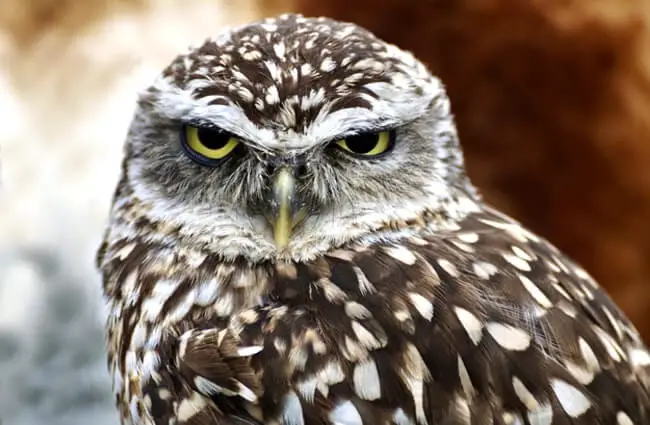
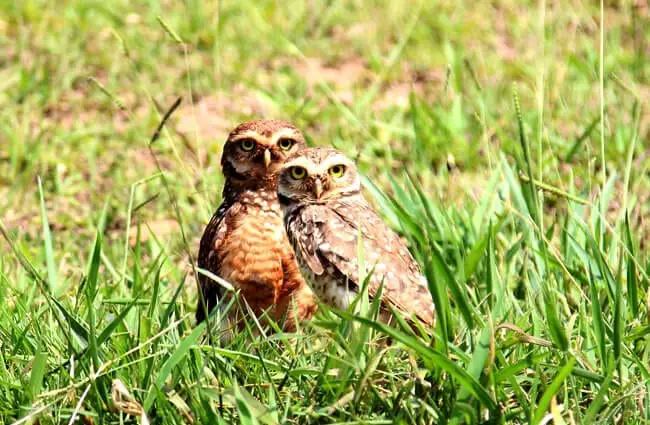
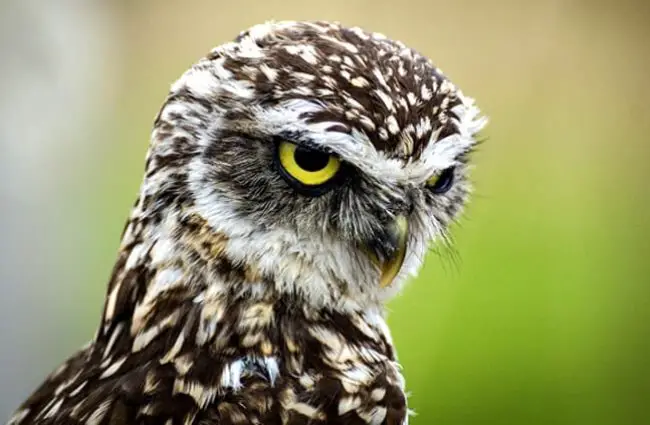
The Burrowing Owl is a small owl species, typically measuring between 7.5 to 11 inches (19 to 28 cm) in length with a wingspan of 20 to 24 inches (50 to 60 cm). They possess distinctive long legs, which are an adaptation for their terrestrial lifestyle, allowing them to run across the ground with surprising speed. Their plumage is a mottled brown and sandy color, providing excellent camouflage against the dry grasses and soil of their preferred habitats. Adults feature white eyebrows and a prominent white “chin strap” beneath their beak, contrasting with their bright yellow eyes. Juveniles are often paler, with a buff-colored breast and belly that lacks the barring of adults.
Where to Find These Unique Owls: Habitat and Distribution
Burrowing Owls are found across a wide range of the Americas, from southern Canada through the western United States and Mexico, Central America, and extensively throughout South America. Their preferred habitat consists of open, treeless landscapes such as grasslands, prairies, deserts, agricultural fields, and even urban vacant lots and golf courses. The key requirement for their habitat is the presence of burrows, which they use for nesting and roosting. These burrows are typically dug by other animals, such as prairie dogs, ground squirrels, badgers, or tortoises, which the owls then modify to suit their needs.
- North American Range: Primarily found in the western half of the United States, extending north into parts of Canada and south into Mexico. Some populations are migratory, moving to warmer southern regions for winter.
- Central and South American Range: Resident populations are found throughout Central America and across much of South America, including the Caribbean islands. These populations are generally non-migratory.
- Specific Habitat Needs:
- Open, treeless areas with low vegetation.
- Well-drained soil to prevent burrow flooding.
- Abundance of prey species.
- Presence of existing burrows from other animals.
Spotting a Burrowing Owl in the Wild: Tips for Animal Lovers and Hikers
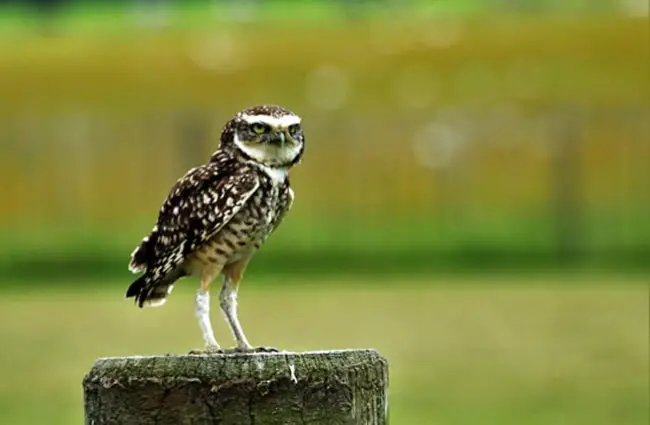
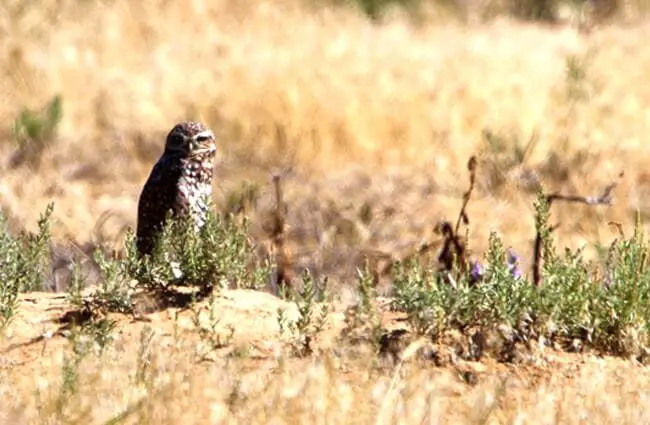
For those eager to observe these fascinating birds, timing and location are crucial. Burrowing Owls are largely diurnal, meaning they are active during the day, though they also hunt at dawn and dusk. They are often seen standing upright on a mound of dirt near their burrow entrance, on fence posts, or low shrubs, scanning their surroundings. Their small size and excellent camouflage can make them challenging to spot, but their distinctive behavior gives them away.
- Look for Burrows: Focus your search on areas known for prairie dog or ground squirrel colonies. The owls will often be perched nearby.
- Observe Behavior: Watch for small, long-legged birds bobbing their heads up and down, a characteristic behavior when they are alert or agitated. They may also fly low to the ground with an undulating flight pattern.
- Listen for Calls: While generally quiet, they have a variety of calls. The most common is a two-note “coo-coooo” call, often described as sounding like a cuckoo. When disturbed, they may emit a rattling or chattering call, and young owls can mimic the sound of a rattlesnake to deter predators.
- Respectful Observation: If you encounter a Burrowing Owl, maintain a significant distance to avoid disturbing it, especially during nesting season. Use binoculars or a spotting scope for a closer view. Never approach a burrow or attempt to interact with the owls. Your presence can cause stress and potentially lead to nest abandonment.
A Hunter of the Plains: Diet and Foraging Strategies
The Burrowing Owl is an opportunistic predator with a remarkably varied diet, reflecting its adaptability to different environments. Their foraging strategies are as unique as their living arrangements, combining aerial pursuits with terrestrial hunting.
What’s on the Menu?
Their diet primarily consists of insects and small mammals, but can include a surprising array of other creatures:
- Insects: Grasshoppers, crickets, beetles, moths, and caterpillars form a significant portion of their diet, especially during warmer months.
- Small Mammals: Voles, mice, gophers, ground squirrels, and young prairie dogs are common prey, providing essential protein and fat.
- Reptiles and Amphibians: Small snakes, lizards, and frogs are also consumed when available.
- Birds: Occasionally, they will prey on small birds, particularly fledglings or injured individuals.
Clever Hunting Techniques
Burrowing Owls employ a variety of hunting methods:
- Perch Hunting: They often perch on a low vantage point, such as a fence post, a mound of dirt, or even a cow patty, patiently scanning the ground for prey. Once spotted, they swoop down swiftly to capture it.
- Aerial Pursuit: They are agile flyers and will chase flying insects, snatching them out of the air.
- Terrestrial Hunting: Unlike most owls, they frequently hunt on foot, running and pouncing on insects or small rodents. Their long legs are well-suited for this.
- Baiting: A fascinating and unique behavior involves placing mammal dung around their burrow entrance. This attracts dung beetles and other insects, effectively creating a convenient food source right at their doorstep. This behavior highlights their intelligence and resourcefulness.
Life Underground: Mating, Reproduction, and Burrow Dynamics
The Burrowing Owl’s reproductive cycle is intimately tied to its subterranean lifestyle, making it one of the most intriguing aspects of its biology.
Courtship and Nesting
The breeding season typically begins in early spring. Males attract females through a combination of calls, display flights, and by presenting potential burrow sites. Once a pair bonds, they will often engage in mutual preening and courtship feeding. The female lays a clutch of 6 to 12 white, spherical eggs deep within the burrow chamber. The male is responsible for bringing food to the incubating female and later to the hatchlings.
The Importance of the Burrow
Unlike most owls that nest in trees or cavities, Burrowing Owls are obligate ground nesters. While they are capable of digging their own burrows, they predominantly rely on the abandoned burrows of other animals. These burrows provide crucial protection from predators and extreme weather conditions. The owls will often line the nesting chamber with soft materials like grass, feathers, and even mammal dung, which helps with insulation and may also deter predators by masking the scent of the owls.
Raising the Young
Incubation lasts about 28 to 30 days. The owlets hatch asynchronously, meaning they emerge over several days. They are altricial, born helpless and covered in down. Both parents are involved in feeding the young, with the male doing most of the hunting in the early stages. The owlets remain in the burrow for several weeks, gradually venturing out to the burrow entrance as they grow. They fledge, or take their first flight, at around 40 to 45 days old, but remain dependent on their parents for food for several more weeks, learning essential hunting and survival skills.
An Ecosystem Engineer: Contribution and Interactions
Burrowing Owls play a vital role in their ecosystems, acting as both predator and prey, and influencing the dynamics of their grassland homes.
Predator-Prey Dynamics
As efficient predators of insects and small rodents, Burrowing Owls help to control populations of these species, which can have significant impacts on vegetation and agricultural crops. Their presence indicates a healthy grassland ecosystem capable of supporting a diverse food web. Conversely, they are also prey for larger raptors like hawks and larger owls, as well as terrestrial predators such as badgers, coyotes, and snakes. This position in the food web highlights their integral role in energy transfer within their habitat.
Interaction with Other Animals
Their reliance on the burrows of other animals creates a fascinating interspecies relationship. Prairie dogs and ground squirrels, often considered pests by humans, are essential “ecosystem engineers” for Burrowing Owls. Without their digging activities, suitable nesting sites for the owls would be scarce. While the owls may occasionally prey on the young of these burrowing mammals, the overall relationship is often one of coexistence, where the owls benefit from the mammals’ construction efforts.
The Journey Through Time: Evolutionary History and Adaptations
The evolutionary path of the Burrowing Owl is a testament to natural selection, shaping a species uniquely adapted to a life on the ground.
Adaptations for a Terrestrial Life
Unlike most owl species that are arboreal, the Burrowing Owl’s physical and behavioral traits are finely tuned for its ground-dwelling existence:
- Long Legs: A primary adaptation for running and pouncing on ground-dwelling prey, and for moving quickly between burrows.
- Diurnal Activity: While capable of nocturnal hunting, their increased daytime activity allows them to exploit a different niche and avoid competition with larger, strictly nocturnal owls.
- Camouflage: Their mottled brown plumage blends seamlessly with dry grasses and soil, offering protection from aerial predators.
- Burrowing Behavior: While they prefer to use existing burrows, their ability to modify and occasionally dig their own burrows is a key survival strategy.
- Rattlesnake Mimicry: Young owlets emit a hissing sound remarkably similar to a rattlesnake’s rattle when threatened in the burrow. This auditory mimicry is a powerful deterrent to predators that might otherwise investigate the burrow.
Evolutionary Insights
The genus Athene, which includes the Burrowing Owl, is known for its smaller, often more terrestrial owls. The Burrowing Owl’s lineage likely diverged from more arboreal ancestors, gradually developing the specialized traits necessary for thriving in open, treeless environments. This evolutionary trajectory highlights how species can adapt to exploit available resources and niches, even if it means departing from the typical behaviors of their taxonomic group.
Beyond the Burrow: Fascinating Facts and Cultural Significance
The Burrowing Owl’s unique habits have given rise to a wealth of interesting facts and even a place in human culture.
A Huge List of Interesting Facts
- Not Just Borrowers: While they prefer to use burrows dug by other animals, Burrowing Owls are capable of digging their own burrows if suitable ones are unavailable. They use their strong talons and beaks for excavation.
- Dung Decorators: They often collect and spread mammal dung around their burrow entrances. This behavior is thought to serve multiple purposes: attracting dung beetles for food, masking the scent of the owls from predators, and possibly signaling their presence to other owls.
- Rattlesnake Impersonators: Young owlets, when threatened inside the burrow, produce a distinct hissing sound that closely mimics the rattle of a rattlesnake, effectively deterring potential predators.
- Long-Legged Runners: Their unusually long legs are an adaptation for their terrestrial lifestyle, allowing them to run quickly across open ground in pursuit of prey or to escape danger.
- Head Bobbing: When alert or curious, Burrowing Owls will bob their heads up and down, and sometimes rotate them, to better triangulate sounds and perceive depth.
- Colonial Nesters: While not strictly colonial, Burrowing Owls often nest in loose colonies, especially where suitable burrows are abundant, such as in prairie dog towns.
- Diurnal Hunters: Unlike most owls, they are active during the day, though they also hunt at dawn and dusk. This allows them to exploit a different range of prey and avoid competition with nocturnal predators.
- Insectivorous Tendencies: Insects form a significant part of their diet, particularly large beetles, grasshoppers, and crickets.
- Urban Adapters: In some areas, Burrowing Owls have adapted to living in urban and suburban environments, utilizing vacant lots, golf courses, and airport fields where suitable burrows and open spaces exist.
Contribution to Human Culture
In various cultures, particularly among indigenous peoples of the Americas, owls often hold symbolic significance. While specific folklore about Burrowing Owls can be localized, owls generally represent wisdom, mystery, and sometimes omens. Their unique ground-dwelling nature might have inspired stories of connection to the earth or hidden knowledge. In modern culture, their distinctive appearance and behavior make them popular subjects for wildlife photography and conservation awareness campaigns, symbolizing the resilience of nature in changing landscapes.
Owls and Us: Interaction, Conservation, and Care
The relationship between Burrowing Owls and humans is complex, encompassing both challenges and opportunities for coexistence and conservation.
Interaction with Humans
Human activities have a profound impact on Burrowing Owl populations. Habitat loss and fragmentation due to agriculture, urbanization, and development are significant threats. The eradication of prairie dog and ground squirrel colonies, often viewed as agricultural pests, directly removes the essential burrows that Burrowing Owls depend on. Pesticide use can also reduce their insect prey base and lead to secondary poisoning.
However, there are positive interactions as well. Conservation efforts, public awareness campaigns, and the creation of protected areas aim to mitigate these negative impacts. In some agricultural areas, farmers are encouraged to maintain patches of suitable habitat or even install artificial burrows to support owl populations.
Conservation Status and Efforts
The conservation status of Burrowing Owls varies across their range. In some regions, particularly in North America, populations have declined significantly, leading to their listing as endangered, threatened, or a species of special concern. In other parts of their range, particularly in South America, populations are more stable. Key conservation strategies include:
- Habitat Protection: Preserving and restoring grasslands and other open habitats.
- Burrow Protection: Protecting prairie dog and ground squirrel colonies, or providing artificial burrows where natural ones are scarce.
- Pesticide Reduction: Promoting sustainable agricultural practices that minimize pesticide use.
- Research and Monitoring: Studying owl populations to understand their needs and track their health.
- Public Education: Raising awareness about the importance of Burrowing Owls and how to protect them.
Caring for Burrowing Owls in Captivity: A Zookeeper’s Guide
Caring for Burrowing Owls in a captive environment requires specialized knowledge to replicate their natural needs as closely as possible. For zookeepers, the following considerations are paramount:
- Enclosure Design:
- Space: Provide ample ground space for running and foraging, not just vertical space.
- Substrate: A deep, diggable substrate (e.g., sand, soil, or a mix) is essential.
- Burrows: Offer multiple artificial burrows or naturalistic burrow systems for nesting, roosting, and escape. These should be secure and easily accessible for monitoring.
- Perches: Include low perches, rocks, or mounds for observation and sunning.
- Shelter: Ensure protection from extreme weather, including sun, rain, and cold.
- Diet:
- Variety: A diverse diet mimicking their natural intake is crucial. This includes appropriately sized rodents (mice, young rats), insects (crickets, mealworms, superworms), and occasionally small chicks or fish.
- Supplementation: Ensure proper calcium and vitamin supplementation, especially for breeding pairs and growing owlets.
- Feeding Schedule: Feed regularly, adjusting portions based on activity level, breeding status, and individual needs.
- Environmental Enrichment:
- Foraging Opportunities: Scatter food items to encourage natural foraging behaviors.
- Burrow Maintenance: Allow owls to modify their burrows. Provide materials like straw, dried grass, or even clean animal dung for lining.
- Sensory Stimulation: Introduce new objects, scents, or sounds periodically.
- Social Structure:
- Burrowing Owls can be housed individually or in compatible pairs/small groups, depending on enclosure size and individual temperament. Monitor for aggression, especially during breeding season.
- Health Monitoring:
- Regular veterinary checks, weight monitoring, and observation for signs of illness or injury are critical.
- Pay close attention to feather condition, foot health, and digestive regularity.
- What to Avoid:
- Overcrowding: Can lead to stress and aggression.
- Lack of Burrows: Deprives them of essential shelter and security.
- Unsuitable Substrate: Prevents natural digging and burrowing behaviors.
- Monotonous Diet: Can lead to nutritional deficiencies.
- Excessive Human Interaction: While habituation is possible, minimize unnecessary disturbance, especially during breeding.
- Loud Noises or Sudden Movements: Can cause stress and fright.
Conclusion: Guardians of the Grasslands
The Burrowing Owl stands as a testament to nature’s ingenuity, a small but mighty predator that has carved out a unique existence in the open landscapes of the Americas. From their distinctive appearance and ground-dwelling habits to their clever hunting strategies and vital role in the ecosystem, these owls offer endless opportunities for study and appreciation. Their story is also a poignant reminder of the interconnectedness of species and the impact of human activity on the natural world.
By understanding and respecting the needs of the Burrowing Owl, we can contribute to their conservation and ensure that future generations continue to marvel at these guardians of the grasslands. Whether encountered in the wild, studied in academia, or cared for in captivity, the Burrowing Owl inspires a deeper connection to the intricate tapestry of life on Earth.
![Closeup of a beautiful Red Angus cowPhoto by: U.S. Department of Agriculture [pubic domain]https://creativecommons.org/licenses/by/2.0/](https://animals.net/wp-content/uploads/2020/03/Red-Angus-4-238x178.jpg "Red Angus")
![Closeup of a beautiful Red Angus cowPhoto by: U.S. Department of Agriculture [pubic domain]https://creativecommons.org/licenses/by/2.0/](https://animals.net/wp-content/uploads/2020/03/Red-Angus-4-100x75.jpg "Red Angus")