The call of the cuckoo is one of nature’s most iconic sounds, a harbinger of spring in many parts of the world, yet the birds themselves remain shrouded in a fascinating mystique. Far from being a simple, clock-dwelling caricature, the cuckoo family, Cuculidae, is a diverse and globally distributed group of birds with an astonishing array of lifestyles, from the famously deceptive brood parasites to diligent nest-builders and even terrestrial runners.
The Enigmatic Cuckoo: A Global Wanderer
A Family of Diversity: More Than Just Brood Parasites
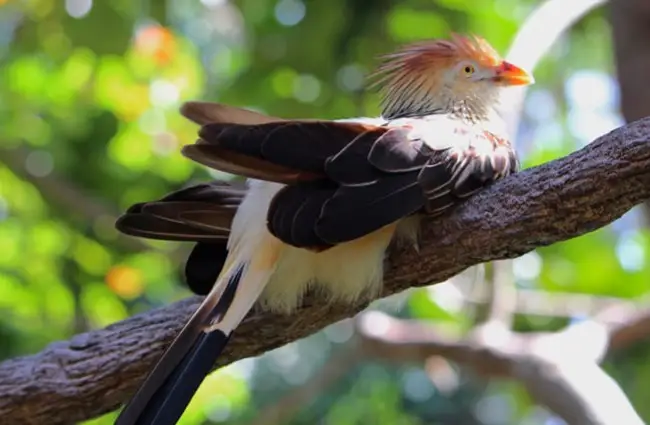
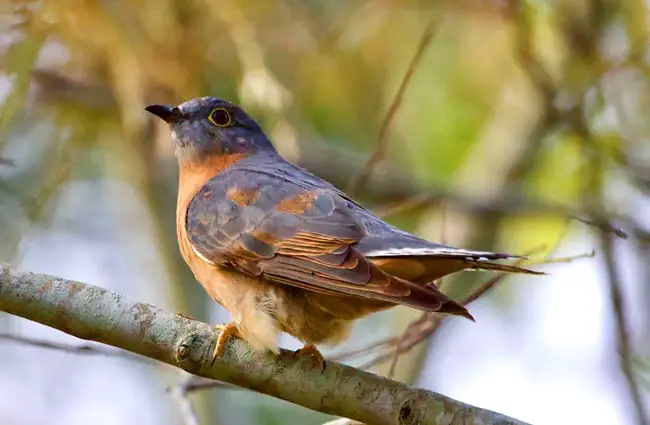
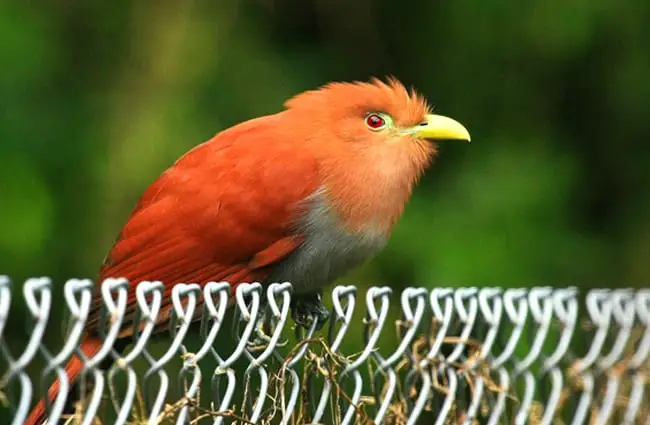
The cuckoo family, Cuculidae, encompasses approximately 150 species found across nearly every continent except Antarctica. This vast family includes a remarkable range of birds, often categorized into several subfamilies. There are the “true cuckoos” known for their brood parasitic habits, but also the vibrant coucals of Africa and Asia, the social anis of the Americas, and the iconic roadrunners of the American Southwest. These birds vary significantly in appearance, from the sleek, grey Common Cuckoo to the brightly colored malkohas and the shaggy-crested guira cuckoos.
While many cuckoos are arboreal, inhabiting dense forests and woodlands, others thrive in open grasslands, scrublands, or even arid deserts. Their physical characteristics are equally varied, though many share a generally slender body, long tail, and zygodactyl feet (two toes pointing forward, two backward), which are excellent for gripping branches. Their calls are often distinctive and loud, giving many species their common names.
Where to Spot a Cuckoo: Habitats and Finding Them in the Wild
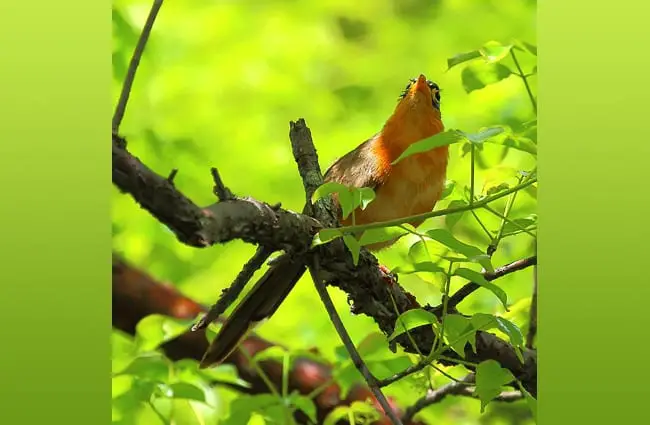
For the aspiring zoologist or dedicated animal lover hoping to encounter a cuckoo in its natural habitat, understanding their preferred environments is key. Cuckoos are found in a wide range of ecosystems:
- Forests and Woodlands: Many species, including the Common Cuckoo and various Old World cuckoos, prefer deciduous and coniferous forests, often near clearings or edges.
- Grasslands and Savannas: Coucals are frequently found in tall grasses and dense scrub, while some parasitic cuckoos also utilize these open habitats.
- Deserts and Arid Regions: The Greater Roadrunner is a prime example of a cuckoo perfectly adapted to dry, open landscapes with sparse vegetation.
- Tropical and Subtropical Zones: Many of the more colorful and diverse cuckoo species inhabit the lush rainforests and humid environments of the tropics.
To find a cuckoo, patience and keen listening are paramount. Their calls are often the first indication of their presence. Birdwatchers should learn the specific calls of cuckoo species native to their region. Early morning and late afternoon are generally the best times for observation. When encountered in the wild, the best practice is to observe from a respectful distance, avoiding any disturbance to the bird or its environment. A hiker encountering a cuckoo should simply enjoy the rare sighting and continue on their way, leaving the bird undisturbed.
The Cuckoo’s Lifestyle: Diet, Behavior, and Social Dynamics
A Culinary Palette: What Cuckoos Eat
The diet of cuckoos is as varied as their habitats, but one food item stands out as a particular favorite for many species: insects. Cuckoos are renowned for their ability to consume large quantities of caterpillars, including those with irritating hairs or spines that other birds avoid. This makes them valuable natural pest controllers in many ecosystems.
- Primary Diet:
- Insects: Caterpillars, grasshoppers, beetles, cicadas, and other large insects form the bulk of the diet for many cuckoos.
- Spiny Caterpillars: Their unique digestive system allows them to consume even highly toxic or spiny caterpillars, which are then regurgitated as a pellet of spines.
- Other Food Sources:
This diverse diet highlights the cuckoo’s adaptability and its significant contribution to ecosystem health by regulating insect populations.
The Sound of Spring: Cuckoo Calls and Communication
The distinctive “cuck-oo” call of the Common Cuckoo is perhaps its most famous trait, but the vocalizations of the cuckoo family are incredibly diverse. These calls serve multiple crucial purposes:
- Territorial Defense: Loud, repetitive calls announce a male’s presence and warn off rivals.
- Attracting Mates: Males use specific calls to attract females during the breeding season.
- Species Recognition: Each cuckoo species has a unique call, essential for identifying conspecifics.
- Alarm Calls: Some species employ different calls to signal danger.
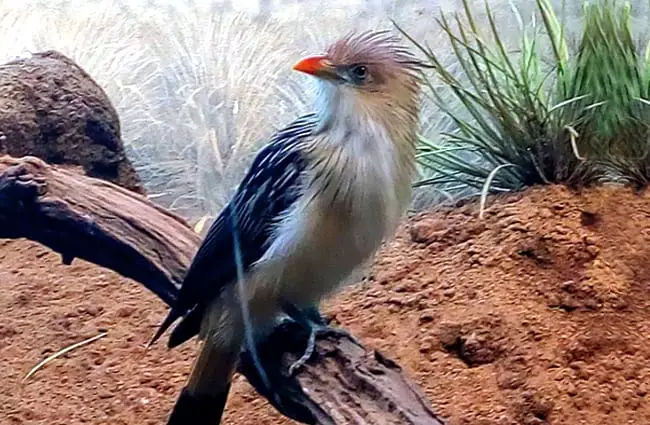
From the bubbling calls of coucals to the cooing of some parasitic cuckoos and the distinctive “coo-coo-coo-coo” of the Guira Cuckoo, their vocal repertoire is a key aspect of their natural history and a primary way humans detect their presence.
The Cuckoo’s Most Famous Secret: Reproduction and Brood Parasitism
The Art of Deception: Brood Parasitism Explained
The most widely known and perhaps most astonishing aspect of cuckoo behavior is brood parasitism. This strategy, employed by about 50 percent of cuckoo species, involves laying eggs in the nests of other bird species, known as host parents, who then unwittingly raise the cuckoo chick as their own. The Common Cuckoo (Cuculus canorus) is the quintessential example of this phenomenon.
The process is a marvel of evolutionary adaptation:
- Egg Mimicry: Female cuckoos often specialize in parasitizing a particular host species. Their eggs have evolved to closely mimic the size, color, and pattern of the host’s eggs, making them difficult for the host to detect and reject.
- Rapid Laying: The female cuckoo lays her egg quickly, often removing one of the host’s eggs in the process, to avoid detection.
- Fast Hatching: Cuckoo eggs typically hatch earlier than host eggs, giving the cuckoo chick a head start.
- Chick Eviction: The newly hatched cuckoo chick, often blind and naked, possesses an innate drive to eject any other eggs or chicks from the nest. This ensures it receives all the food and attention from the unwitting foster parents.
- Rapid Growth: The cuckoo chick grows at an astonishing rate, often dwarfing its foster parents, who continue to feed it tirelessly.
This “evolutionary arms race” between cuckoos and their hosts has led to incredible adaptations on both sides, with hosts developing defenses against parasitism and cuckoos evolving new ways to overcome these defenses.
Beyond the Parasite: Other Cuckoo Breeding Strategies
It is important to remember that not all cuckoos are brood parasites. Many species build their own nests and raise their young, demonstrating a range of parental care strategies:
- Nest Builders: Species like coucals, malkohas, and roadrunners construct their own nests, typically cup-shaped structures in trees or shrubs, or on the ground.
- Parental Care: In these non-parasitic species, both parents often share incubation duties and care for the chicks after hatching, feeding them until they fledge.
- Cooperative Breeding: Some species, such as the anis, exhibit cooperative breeding. Several pairs may lay their eggs in a single communal nest, and all adults participate in incubating the eggs and raising the young. This social structure provides safety in numbers and shared parental responsibilities.
Cuckoos in the Web of Life: Ecosystem Role and Evolution
An Ancient Lineage: The Cuckoo’s Evolutionary Journey
The cuckoo family has a long and complex evolutionary history, with fossil evidence suggesting their lineage dates back millions of years. The diversification of cuckoos into such a wide array of forms and behaviors is a testament to their adaptability. The evolution of brood parasitism, in particular, is a fascinating area of study, believed to have evolved independently multiple times within the family. This complex strategy requires a suite of co-evolved traits, from egg mimicry to chick behavior, highlighting a remarkable journey of natural selection.
Ecological Interactions: More Than Just Hosts
Cuckoos play several roles within their ecosystems:
- Insect Control: As voracious insectivores, especially of caterpillars, cuckoos contribute significantly to controlling insect populations, preventing potential outbreaks that could harm vegetation.
- Impact on Host Populations: While brood parasitism can reduce the reproductive success of individual host pairs, the overall impact on host populations is often complex and varies by species and environmental conditions. In some cases, hosts may adapt to minimize the impact.
- Food Source: Cuckoos themselves can be prey for larger birds of prey, snakes, and mammalian predators, contributing to the food web.
Cuckoos and Humanity: Culture, Conservation, and Coexistence
The Cuckoo in Lore and Legend
The cuckoo’s distinctive call and unique breeding habits have woven it deeply into human culture and folklore across the globe. In many European cultures, the cuckoo’s call is a symbol of spring, new beginnings, and often, love or fertility. The bird is famously immortalized in the cuckoo clock, a traditional timepiece where a mechanical bird emerges to announce the hour with its characteristic call. However, the term “cuckold” also derives from the cuckoo, reflecting the bird’s habit of laying eggs in other birds’ nests, symbolizing infidelity.
In various cultures, the cuckoo is associated with:
- Spring and Time: Its arrival marks the changing seasons.
- Fortune Telling: The number of calls heard might predict years of life or prosperity.
- Trickery and Deception: Due to its brood parasitic nature.
Cuckoos in Captivity: A Zookeeper’s Guide
Caring for cuckoos in captivity presents unique challenges, particularly for brood parasitic species. A zookeeper considering housing cuckoos must be acutely aware of their specific needs:
- Diet: A high-insect diet is crucial, often requiring live insects such as crickets, mealworms, and waxworms, supplemented with specialized insectivore pellets and sometimes fruit for frugivorous species. For species that consume hairy caterpillars, ensuring a similar dietary component or appropriate substitutes is important.
- Enclosure Design: Enclosures should mimic their natural habitat as closely as possible. For arboreal species, this means ample branches, foliage, and climbing opportunities. Terrestrial species like roadrunners require open ground for running and foraging, with hiding spots.
- Social Considerations: Non-parasitic cuckoos, especially social species like anis, may thrive in group settings. Brood parasitic cuckoos, however, are typically solitary outside the breeding season and may require individual housing.
- Breeding Challenges: Breeding parasitic cuckoos in captivity is extremely difficult, often requiring the introduction of suitable host species, which raises ethical and practical concerns. Most zoos focus on non-parasitic cuckoo species for breeding programs.
- Avoidance: Zookeepers should avoid housing brood parasitic cuckoos with potential host species unless part of a highly specialized and ethical research program. Furthermore, avoiding stress through appropriate enclosure design and minimal human disturbance is paramount.
Conservation Status and Human Impact
While many cuckoo species are widespread, some face significant conservation challenges. Threats include:
- Habitat Loss and Degradation: Deforestation, urbanization, and agricultural expansion destroy crucial breeding and foraging grounds.
- Pesticide Use: Reduces insect populations, impacting the cuckoo’s primary food source.
- Climate Change: Can alter migration patterns and the timing of breeding, potentially disrupting the delicate synchronization between parasitic cuckoos and their hosts.
Humans can contribute to cuckoo conservation by supporting habitat preservation efforts, reducing pesticide use, and engaging in responsible birdwatching practices that minimize disturbance to wildlife. Understanding and appreciating these unique birds is the first step towards ensuring their continued survival.
Fascinating Cuckoo Facts: A Quick Dive into the Extraordinary
- The Common Cuckoo can lay up to 25 eggs in a single breeding season, each in a different host nest.
- Some cuckoo species have evolved “mafia-like” behavior, where if a host bird rejects a cuckoo egg, the cuckoo may return to destroy the host’s nest.
- The Greater Roadrunner can run at speeds of up to 20 miles per hour, making it one of the fastest flying birds on foot.
- Many cuckoo species are long-distance migrants, traveling thousands of miles between their breeding and wintering grounds.
- Cuckoo chicks often grow to be much larger than their foster parents, yet the small parents continue to feed them relentlessly.
- The call of the Common Cuckoo is often mimicked by humans, but only the male produces the classic “cuck-oo” sound; females have a bubbling trill.
- Some cuckoos have specialized stomach linings that allow them to digest even the most toxic caterpillars, shedding the irritating hairs periodically.
- The Guira Cuckoo, a South American species, is highly social, living in groups and engaging in communal nesting and chick-rearing.
- There are cuckoo species found in almost every type of habitat, from dense rainforests to open deserts.
From their iconic calls to their astonishing reproductive strategies and diverse lifestyles, cuckoos are truly one of nature’s most captivating avian families. Their intricate interactions with other species and their vital roles in various ecosystems underscore the delicate balance of the natural world. By understanding and appreciating these remarkable birds, we can contribute to their conservation and ensure that the enigmatic call of the cuckoo continues to echo through our landscapes for generations to come.
![Closeup of a beautiful Red Angus cowPhoto by: U.S. Department of Agriculture [pubic domain]https://creativecommons.org/licenses/by/2.0/](https://animals.net/wp-content/uploads/2020/03/Red-Angus-4-238x178.jpg "Red Angus")
![Closeup of a beautiful Red Angus cowPhoto by: U.S. Department of Agriculture [pubic domain]https://creativecommons.org/licenses/by/2.0/](https://animals.net/wp-content/uploads/2020/03/Red-Angus-4-100x75.jpg "Red Angus")