In the vast, icy expanse of Antarctica, where temperatures plummet to unimaginable lows and the winds howl with relentless fury, one creature stands as a testament to nature’s incredible resilience: the Emperor Penguin. These magnificent birds, the largest of all penguins, are not just survivors; they are masters of their extreme environment, embodying a fascinating blend of elegance, endurance, and unique social behaviors. As a zoologist who has spent countless hours studying these captivating animals, it is a privilege to share the wonders of the Emperor Penguin, from their daily lives to their profound impact on our planet’s delicate ecosystems.
Prepare to dive deep into the world of these iconic Antarctic residents, exploring their biology, their incredible life cycle, and their place in both the natural world and human culture.
The Majestic Emperor: Basic Biology and Appearance
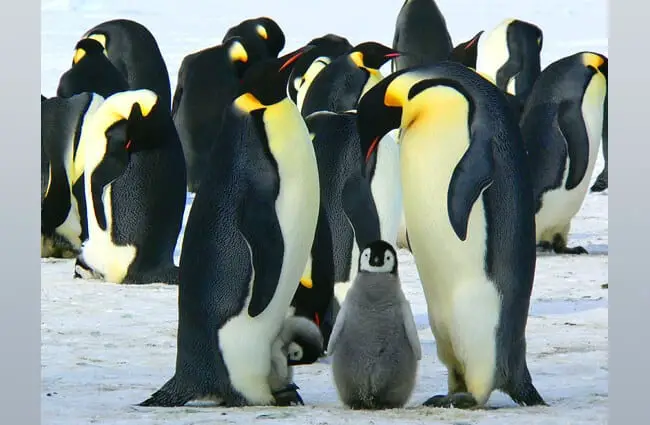
Emperor Penguins, scientifically known as Aptenodytes forsteri, are truly the giants of the penguin world. Standing at an impressive average height of 100 to 120 centimeters (39 to 47 inches) and weighing between 22 to 45 kilograms (49 to 99 pounds), they are instantly recognizable. Males and females are remarkably similar in size and appearance, making it challenging to distinguish them without close observation or genetic testing.
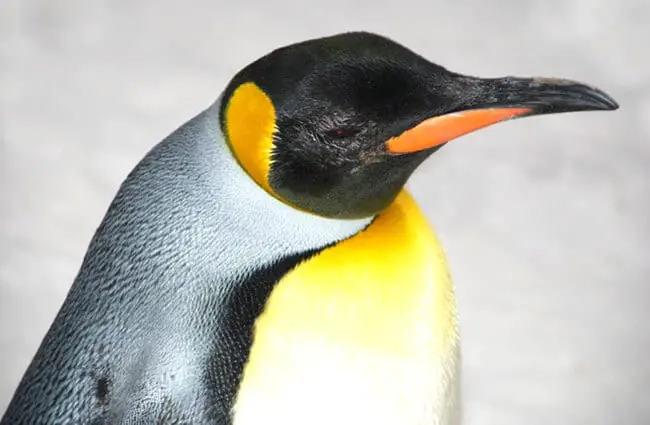
Their striking plumage is a marvel of natural design. A sleek, dark dorsal side, appearing almost black or dark blue, contrasts sharply with their pristine white undersides. A distinctive patch of bright golden-orange feathers adorns the sides of their neck and chest, fading to a paler yellow on the upper breast. Their long, slightly curved beak is predominantly black, often with a vibrant orange or pink streak along the lower mandible. These colors are not just for show; they play a role in species recognition and display during courtship.
Emperor Penguins typically boast a lifespan of 15 to 20 years in the wild, though some individuals have been known to live longer, reaching up to 30 years. Their robust physiology and specialized adaptations contribute significantly to their longevity in such a harsh environment.
Home on the Ice: Emperor Penguin Habitat
The Emperor Penguin is an obligate resident of the Antarctic continent, making it the only penguin species to breed exclusively on the sea ice surrounding Antarctica. Their habitat is defined by the frigid waters and the expansive, stable sea ice platforms that form during the Antarctic winter. They are found across the entire Antarctic coastline, with colonies established in various locations, often in sheltered bays or areas protected from the most severe winds.
Key characteristics of their habitat include:
- Stable Sea Ice: Essential for breeding, providing a secure platform for nesting, incubating eggs, and raising chicks. These ice platforms must be thick enough to withstand the entire breeding season, which can last for many months.
- Proximity to Open Water: While they breed on ice, Emperors are marine birds and rely entirely on the ocean for food. Colonies are typically located within a reasonable distance of polynyas or leads, which are areas of open water that provide access to hunting grounds even in winter.
- Shelter: Although they endure extreme conditions, colonies often seek out natural windbreaks, such as icebergs or coastal cliffs, to offer some protection from the relentless Antarctic blizzards.
For an animal lover hoping to spot these magnificent birds in the wild, the best opportunities arise during the Antarctic summer (November to March), when tourist expeditions are possible. Specific locations known for Emperor Penguin colonies include Snow Hill Island, the Weddell Sea, and parts of the Ross Sea. Access is typically via ice-strengthened ships, often involving helicopter transfers or long zodiac rides to reach the more remote colonies. It is crucial to choose reputable tour operators who adhere to strict environmental guidelines to minimize disturbance to these sensitive creatures.
The Antarctic Buffet: Diet and Hunting Strategies
Emperor Penguins are expert marine predators, perfectly adapted to hunting in the icy waters of the Southern Ocean. Their diet consists primarily of:
- Fish: Particularly Antarctic silverfish, which are abundant in their hunting grounds.
- Crustaceans: Krill, small shrimp-like creatures, form a significant part of their diet, especially for younger penguins and during certain times of the year.
- Cephalopods: Various species of squid are also a favored food source.
Their hunting prowess is legendary. Emperor Penguins are phenomenal divers, capable of reaching depths of over 500 meters (1,640 feet) and holding their breath for up to 20 minutes. They use their powerful flippers to propel themselves through the water with incredible speed and agility, often chasing down prey in coordinated groups. Their streamlined bodies and dense bones reduce buoyancy, aiding in deep dives. Once they locate a school of fish or krill, they can rapidly consume large quantities before returning to the surface to breathe.
The Ultimate Parental Sacrifice: Mating and Reproduction
The Emperor Penguin’s breeding cycle is arguably one of the most extraordinary in the animal kingdom, taking place during the brutal Antarctic winter. This timing ensures that chicks fledge during the relatively milder summer, when food is more abundant.
- Courtship and Mating: In April, as the sea ice forms and temperatures begin to drop, thousands of penguins gather at their breeding colonies. Males arrive first, establishing territories and performing elaborate courtship displays, including vocalizations and head movements, to attract a mate. While not strictly monogamous for life, pairs typically form for a single breeding season.
- Egg Laying: The female lays a single, large egg in May or early June. This egg is surprisingly large relative to her body size, representing a significant energy investment.
- The Male’s Vigil: Immediately after the egg is laid, the female transfers it to the male. This transfer is a critical moment, as exposure to the freezing air for even a few minutes can be fatal to the embryo. The male then undertakes the arduous task of incubating the egg, balancing it on his feet and covering it with a specialized brood patch, a featherless area of skin rich in blood vessels that keeps the egg warm.
- Female Foraging Journey: While the male incubates, the female embarks on a two-month journey to the open ocean to feed and replenish her depleted energy reserves. She may travel over 100 kilometers (60 miles) across the ice to reach open water.
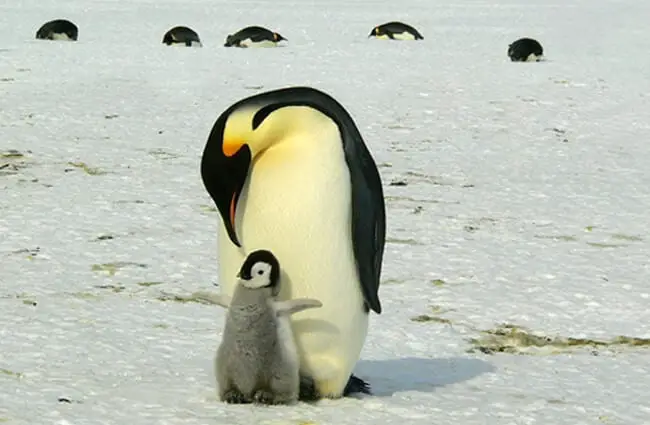
- Hatching and First Feeding: After approximately 65 days of incubation, usually in July or August, the chick hatches. If the female has not yet returned, the male feeds the chick with a milky substance secreted from his esophagus, a remarkable adaptation known as “crop milk.”
- Female’s Return and Chick Rearing: The female returns, often having gained significant weight, and takes over feeding duties, regurgitating partially digested food for the chick. The male, having fasted for over four months, then heads to the sea to feed.
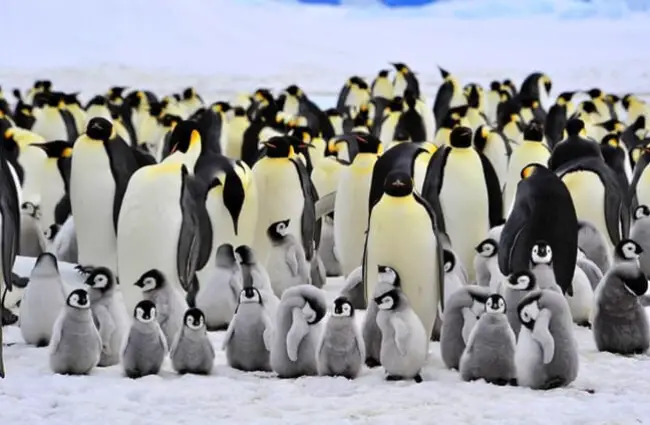
- Crèche Formation: As chicks grow, they gather in large groups called “crèches.” This communal childcare allows both parents to forage simultaneously, providing greater protection from predators and the elements, and conserving heat.
- Fledging: By December or January, the chicks have developed their waterproof juvenile plumage and are ready to leave the colony and head to the sea, becoming independent.
Engineering Marvels: Adaptations for an Extreme World
Emperor Penguins possess an array of incredible adaptations that allow them to thrive in the coldest environment on Earth:
- Feather Insulation: Their bodies are covered in four layers of short, stiff, scale-like feathers. These feathers overlap tightly, creating a dense, waterproof barrier that traps a layer of air close to the skin, providing exceptional insulation.
- Blubber Layer: Beneath their skin lies a thick layer of blubber, which acts as both an energy reserve and a crucial insulating layer, protecting them from the frigid temperatures.
- Countercurrent Heat Exchange: In their flippers and legs, arteries carrying warm blood to the extremities run alongside veins carrying cold blood back to the body. This arrangement allows heat to transfer from the warm arterial blood to the cold venous blood, minimizing heat loss from the extremities and conserving core body temperature.
- Huddling Behavior: During the harshest blizzards, thousands of male penguins huddle together in dense formations. This collective behavior dramatically reduces heat loss for individuals, with birds rotating positions from the exposed outer edge to the warmer interior.
- Diving Physiology: Beyond their powerful flippers, Emperors have specialized blood chemistry that allows them to store more oxygen, and they can slow their heart rate and restrict blood flow to non-essential organs during dives, conserving oxygen for vital functions.
A Glimpse into the Past: Evolutionary History
The evolutionary journey of penguins is a fascinating tale of adaptation to a marine existence. While the exact lineage of the Emperor Penguin is still being refined through fossil evidence and genetic studies, penguins as a group evolved from flying seabirds millions of years ago. Early penguin fossils, such as Waimanu manneringi from New Zealand, date back over 60 million years, suggesting that penguins were already well-established shortly after the extinction of the dinosaurs.
The ancestors of modern penguins gradually lost the ability to fly, with their wings evolving into powerful, hydrodynamic flippers perfectly suited for swimming. This transition allowed them to exploit abundant marine food resources. The Emperor Penguin, specifically, represents the pinnacle of cold adaptation within the penguin family, having evolved its unique breeding cycle and physiological mechanisms to thrive in the extreme Antarctic environment. Genetic studies indicate a relatively recent divergence from other large Antarctic penguins, highlighting their specialized path.
Emperors in the Ecosystem: Interactions and Contributions
As apex predators within their specific niche, Emperor Penguins play a vital role in the Antarctic marine food web. They are significant consumers of fish, krill, and squid, helping to regulate populations of these species. In turn, they serve as a crucial food source for larger predators:
- Leopard Seals: These formidable marine mammals are a primary predator of Emperor Penguins, particularly when penguins enter and exit the water at the ice edge.
- Orcas (Killer Whales): While less frequent, orcas are opportunistic predators and will hunt penguins, especially younger or weaker individuals.
- Skuas and Giant Petrels: These seabirds primarily prey on penguin chicks and eggs, particularly those that become separated from the crèche or are abandoned.
Their presence and movements also contribute to nutrient cycling in the Antarctic environment, with their guano enriching localized areas of the ice and ocean. The health of Emperor Penguin populations serves as an important indicator of the overall health of the Southern Ocean ecosystem, reflecting changes in prey availability and sea ice conditions.
Emperors and Humanity: Culture, Conservation, and Interaction
The Emperor Penguin holds a special place in human culture, symbolizing resilience, parental devotion, and the pristine wilderness of Antarctica. They have been the subject of numerous award-winning documentaries, such as “March of the Penguins,” which captivated global audiences with their incredible story of survival and family bonds. Their charismatic appearance and unique life cycle make them powerful ambassadors for conservation efforts in the polar regions.
However, their interaction with humans also brings challenges:
- Conservation Status: Emperor Penguins are currently classified as “Near Threatened” by the IUCN. The primary threat is climate change, which leads to a reduction in stable sea ice, their essential breeding habitat. Changes in ocean temperatures also impact the availability of their primary food sources, such as krill and fish.
- Tourism: While tourism provides economic benefits and raises awareness, it must be managed carefully to prevent disturbance to colonies. Strict regulations, such as minimum approach distances and limits on visitor numbers, are in place to protect the penguins.
- Research: Scientists study Emperor Penguins to understand their adaptations, population dynamics, and how they are impacted by environmental changes. This research is crucial for informing conservation strategies.
For a hiker encountering an Emperor Penguin in the wild:
The most important rule is to observe from a respectful distance. Never approach a penguin, chase it, or attempt to touch it. Maintain a minimum distance of at least 5 meters (16 feet), though often a greater distance is recommended by local regulations or guides. Do not feed them, as this can disrupt their natural foraging behaviors and introduce harmful substances. Simply enjoy the privilege of witnessing these magnificent creatures in their natural habitat, allowing them to continue their lives undisturbed.
Caring for Emperors in Captivity: A Zookeeper’s Guide
Caring for Emperor Penguins in a zoological setting is an incredibly specialized and demanding task, requiring a deep understanding of their unique needs. The goal is always to replicate their natural environment as closely as possible and minimize stress.
Essential Zookeeper Tasks:
- Environmental Control: Maintaining extremely cold temperatures, typically between -10°C to 5°C (14°F to 41°F), and providing large pools of chilled saltwater. Air humidity and quality must also be carefully managed.
- Dietary Management: Providing a diet of high-quality, fresh, whole fish (such as herring, capelin, and smelt) and squid, supplemented with vitamins and minerals. Feeding schedules must mimic natural foraging patterns, and individual intake should be monitored.
- Social Structure: Emperor Penguins are highly social animals. Maintaining a group of penguins is crucial for their psychological well-being, allowing for natural social interactions, huddling, and breeding behaviors.
- Enrichment: Offering a variety of enrichment activities to stimulate natural behaviors, such as ice blocks, toys, varying water currents, and opportunities for diving and swimming.
- Health Monitoring: Regular veterinary check-ups, monitoring weight, observing behavior for any signs of illness or stress, and conducting preventative care.
- Breeding Programs: Participating in Species Survival Plans (SSPs) to maintain genetically diverse captive populations, which can serve as an assurance against wild population declines.
- Habitat Maintenance: Daily cleaning of enclosures, filtration systems for water, and regular checks of all environmental equipment.
What to Avoid in Captive Care:
- Warm Temperatures: Even short exposures to warm temperatures can cause severe stress and health issues.
- Inadequate Space: Small enclosures can lead to stress, aggression, and lack of exercise.
- Poor Water Quality: Unfiltered or improperly chilled water can lead to skin infections and other health problems.
- Loud Noises or Sudden Movements: These can startle and stress penguins. Keepers must move calmly and predictably.
- Improper Diet: Feeding incorrect types or quantities of food, or food lacking essential nutrients, will lead to malnutrition and illness.
- Isolation: Keeping a single Emperor Penguin is detrimental to its welfare due to their highly social nature.
- Overhandling: Minimize direct handling unless absolutely necessary for medical procedures, as it is a significant stressor.
A Huge List of Interesting Facts About Emperor Penguins
- Emperor Penguins are the only penguin species that breeds during the Antarctic winter.
- Males fast for over four months during the incubation period, losing up to half their body weight.
- They can dive deeper and longer than any other bird, reaching over 500 meters (1,640 feet) and staying submerged for up to 20 minutes.
- Their dense bones help them overcome buoyancy, allowing for deep dives.
- Emperors can propel themselves out of the water onto ice floes using a technique called “porpoising,” where they release air bubbles from their feathers to reduce friction.
- The huddling behavior of male penguins can reduce heat loss by up to 50 percent for individuals.
- Their black plumage helps absorb solar radiation, providing additional warmth when the sun is out.
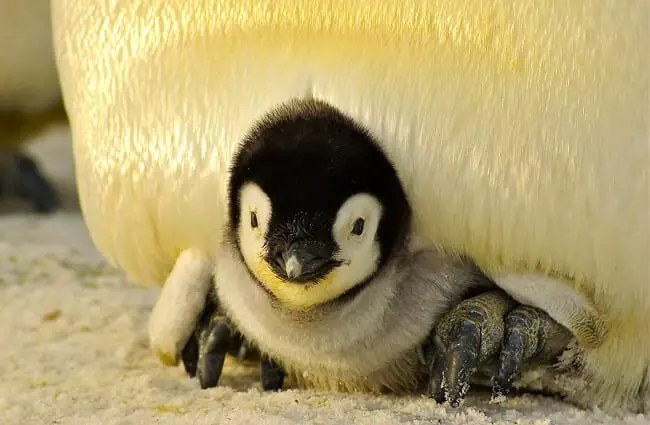
- Chicks are born with a soft, downy plumage that is not waterproof, making them entirely reliant on their parents for warmth and protection until they fledge.
- The distinctive calls of Emperor Penguins are unique to each individual, allowing parents and chicks to find each other in vast colonies.
- They can travel hundreds of kilometers across the ice to reach their breeding grounds and foraging areas.
- Emperor Penguins have a specialized gland above their eyes that filters excess salt from their bloodstream, allowing them to drink saltwater.
- Their eyes are adapted for underwater vision, with a flattened cornea that helps them see clearly in the aquatic environment.
Conclusion: Guardians of the Ice
The Emperor Penguin stands as a magnificent emblem of the Antarctic wilderness, a creature of unparalleled resilience and beauty. From their extraordinary breeding cycle in the depths of winter to their remarkable adaptations for survival in the harshest environment on Earth, every aspect of their lives is a testament to the power of evolution. As we continue to learn more about these incredible birds, their story serves as a powerful reminder of the interconnectedness of our planet’s ecosystems and the urgent need for conservation efforts. Protecting the Emperor Penguin means protecting Antarctica itself, ensuring that future generations can marvel at these true guardians of the ice.
![Closeup of a beautiful Red Angus cowPhoto by: U.S. Department of Agriculture [pubic domain]https://creativecommons.org/licenses/by/2.0/](https://animals.net/wp-content/uploads/2020/03/Red-Angus-4-238x178.jpg "Red Angus")

![Closeup of a beautiful Red Angus cowPhoto by: U.S. Department of Agriculture [pubic domain]https://creativecommons.org/licenses/by/2.0/](https://animals.net/wp-content/uploads/2020/03/Red-Angus-4-100x75.jpg "Red Angus")