The Nutria Rat: An Aquatic Enigma of Wetlands
Often mistaken for a beaver or a large muskrat, the nutria rat, or coypu, is a fascinating semi-aquatic rodent with a complex story. From its native South American wetlands to its controversial presence across the globe, this creature embodies both remarkable adaptability and significant ecological challenges. This article delves into the world of the nutria, exploring its biology, behavior, history, and its intricate relationship with the environments it inhabits and the humans it encounters.
Unveiling the Nutria: Basic Biology and Identification
What is a Nutria Rat?
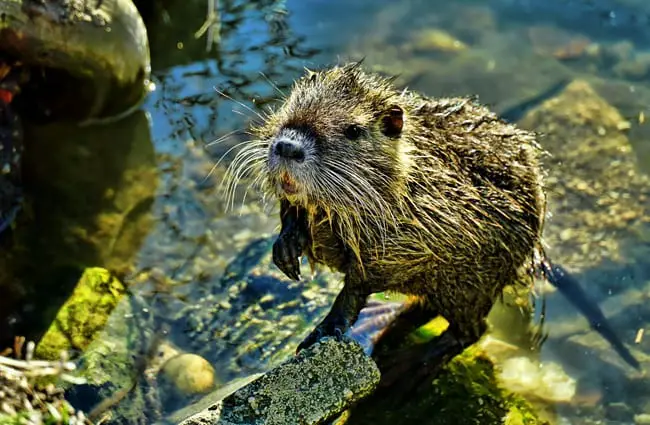
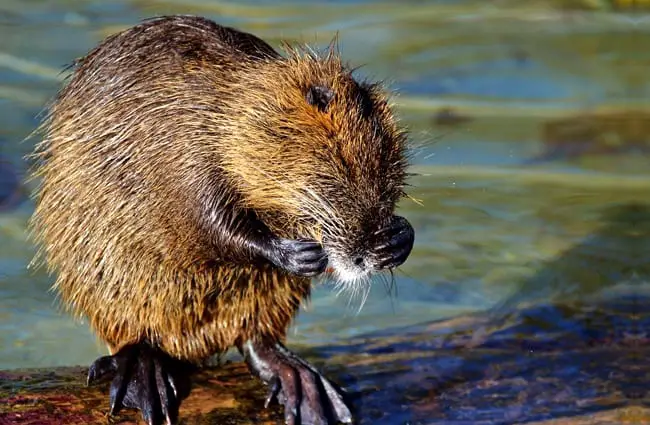
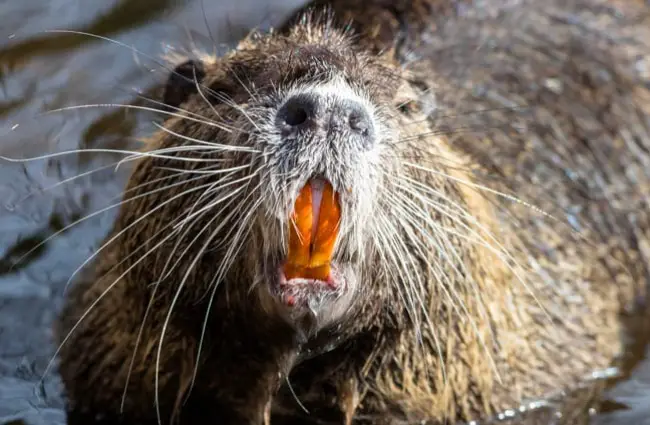
Scientifically known as Myocastor coypus, the nutria is a large, herbivorous rodent. Its common name, “nutria,” is derived from the Spanish word for otter, reflecting its aquatic lifestyle. Physically, nutria are robust animals, typically weighing between 12 to 20 pounds, though some individuals can exceed 30 pounds. Their body length ranges from 16 to 24 inches, with a distinctive round, scaly, and sparsely haired tail that adds another 10 to 18 inches. Their fur is dense and waterproof, consisting of soft underfur and coarse guard hairs, usually brown or grayish brown on the back, fading to lighter shades on the belly. A striking feature is their bright orange incisors, which are continuously growing and hardened with iron, allowing them to gnaw through tough vegetation. Their small ears and eyes are set high on their heads, an adaptation for swimming, and their nostrils can be closed underwater. The hind feet are notably webbed, a clear indicator of their aquatic prowess.
Where Do Nutria Rats Live? Habitat and Range
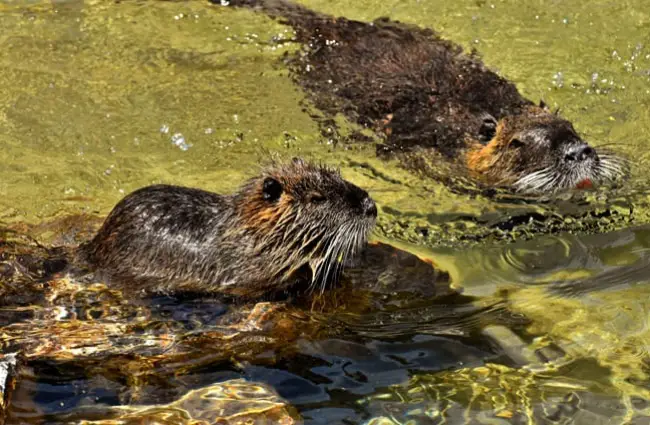
The nutria’s native range spans the temperate and subtropical regions of South America, primarily in countries like Argentina, Bolivia, Brazil, Chile, Paraguay, and Uruguay. Here, they thrive in a variety of freshwater wetland habitats, including marshes, swamps, lakes, ponds, rivers, and slow-moving streams. These environments provide abundant vegetation for food and soft banks for burrowing. However, the nutria’s story took a dramatic turn when it was introduced to other parts of the world for fur farming in the late 19th and early 20th centuries. Escapes and deliberate releases led to the establishment of feral populations across North America, Europe, Asia, and Africa. In North America, they are particularly prevalent in the southeastern United States, especially along the Gulf Coast, and in parts of the Pacific Northwest. For an animal lover hoping to spot a nutria in the wild, the best strategy involves visiting freshwater wetlands, marshes, or slow-moving rivers, particularly during dawn or dusk. Look for their distinctive burrows along banks, V-shaped wakes in the water, or floating mats of vegetation that indicate their feeding activity. Patience and quiet observation near water bodies are key to a successful sighting.
Life in the Wetlands: Diet and Daily Habits
The Nutria’s Vegetarian Feast: What Do They Eat?
Nutria are almost exclusively herbivorous, with a voracious appetite for a wide array of aquatic and semi-aquatic vegetation. Their diet typically consists of the basal portions of plants, including roots, rhizomes, and tubers, which they dig up from the substrate. They also consume stems, leaves, and seeds of various wetland plants such as cattails, bulrushes, cordgrass, and water hyacinth. In agricultural areas adjacent to wetlands, nutria can become significant pests, feeding on crops like rice, corn, sugarcane, and various vegetables. Their feeding habits can be highly destructive, as they not only consume plants but also damage them through their digging and gnawing, often creating “eat-outs” where large areas of vegetation are completely denuded. This intense grazing pressure can alter wetland plant communities and even lead to the conversion of vegetated marshland into open water.
A Day in the Life: Behavior and Social Structure
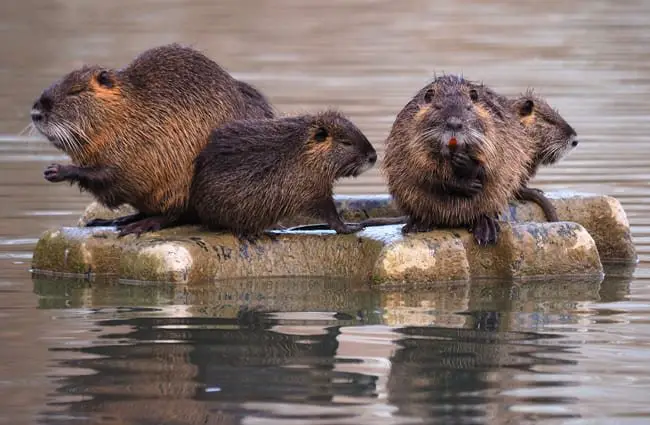
Nutria are primarily crepuscular and nocturnal, meaning they are most active during twilight hours and at night, though they can sometimes be observed foraging during the day, especially in undisturbed areas. They are highly adapted to an aquatic existence, spending a significant portion of their time in the water. They are excellent swimmers and divers, capable of remaining submerged for several minutes. On land, they move with a somewhat hunched gait. Nutria construct burrows in riverbanks, levees, and dikes, which can be extensive tunnel systems with multiple entrances, some underwater. These burrows provide shelter from predators and harsh weather, and serve as nesting sites. While not strictly solitary, nutria often live in small family groups consisting of a female and her offspring, or sometimes a male and several females. These groups typically share a common burrow system and foraging areas. Communication involves various vocalizations, including grunts, squeals, and alarm calls, as well as scent marking.
From Ancestors to Adaptations: The Nutria’s Evolutionary Journey
A Glimpse into the Past: Evolutionary History
The nutria belongs to the family Myocastoridae, a group of caviomorph rodents, which are a diverse infraorder of rodents primarily found in South America. Their evolutionary lineage traces back millions of years, with ancestors adapting to the rich aquatic environments of the continent. Key evolutionary adaptations have shaped the nutria into the semi-aquatic specialist observed today. These include their webbed hind feet, which provide powerful propulsion in water, and their ability to close their nostrils and lips behind their incisors, allowing them to gnaw on underwater vegetation without ingesting water. Perhaps one of the most remarkable adaptations for an aquatic mammal is the dorsal placement of the female’s mammary glands. Unlike most mammals where nipples are on the belly, a female nutria’s nipples are located high on her flanks, enabling her young to nurse comfortably while she floats in the water. This unique feature highlights a long history of evolutionary pressure favoring aquatic survival and successful reproduction in wetland habitats.
The Cycle of Life: Mating and Reproduction
Prolific Progenitors: Nutria Reproduction
Nutria are renowned for their high reproductive rate, a factor that significantly contributes to their success as an invasive species in many regions. In warm climates with abundant food, breeding can occur year-round. Females reach sexual maturity remarkably quickly, often as early as 3 to 4 months of age, though typically around 6 months. The gestation period is approximately 130 days, resulting in litters averaging 4 to 5 pups, though litter sizes can range from 1 to 13. The young are born precocial, meaning they are relatively well-developed at birth, with fur, open eyes, and the ability to swim and eat solid food within hours. This rapid development allows them to become independent quickly. A female nutria can produce two to three litters per year, sometimes even more under optimal conditions. This rapid turnover and high fecundity enable nutria populations to grow exponentially, quickly colonizing new areas and recovering from population control efforts.

Nutria in the Ecosystem: Interactions and Impact
Friends, Foes, and Food: Ecosystem Role
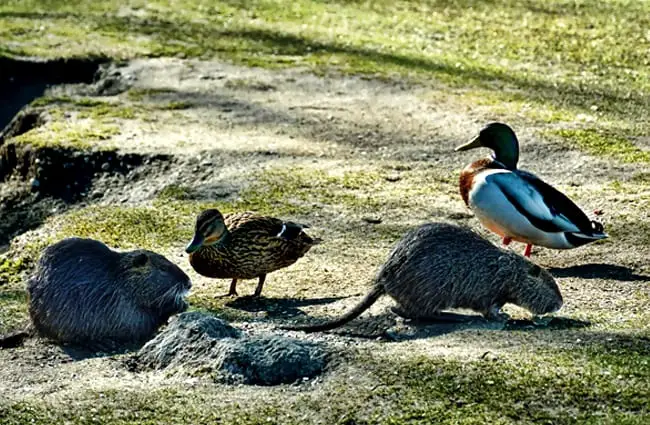
In their native South American ecosystems, nutria play a role as primary consumers, grazing on wetland vegetation and serving as a food source for native predators such as jaguars, pumas, caimans, and large raptors. Their burrowing activities can also contribute to wetland hydrology by creating channels. However, in introduced ranges, their impact is often far more detrimental. Without their natural predators and diseases to keep populations in check, nutria can proliferate unchecked. Their intense grazing can decimate native vegetation, leading to significant habitat degradation and loss of biodiversity. This destruction of marshlands removes critical habitat for native birds, fish, and invertebrates. Their burrowing can also destabilize riverbanks, levees, and dikes, increasing erosion and flood risks. Nutria can also compete with native herbivores, such as muskrats and waterfowl, for food resources, further disrupting the ecological balance.
Humans and Nutria: A Complex Relationship
Historical Ties: Nutria’s Contribution to Human Culture
The primary historical contribution of nutria to human culture has been through the fur trade. Their dense, soft underfur, known as “nutria fur” or “coypu fur,” was highly valued for coats, hats, and other garments, particularly in the early to mid-20th century. This demand led to the establishment of nutria farms around the world, which ultimately resulted in their widespread introduction and subsequent escape into the wild. In some regions, particularly in their native South America, nutria meat has also been consumed, though this practice is less common globally. Efforts to control invasive nutria populations have sometimes included promoting the use of their fur and meat, but these initiatives have had limited success in significantly reducing populations.
Living Alongside Nutria: Interaction with Humans
Human interaction with nutria is largely characterized by conflict, especially in areas where they are an invasive species. Their destructive feeding habits cause significant agricultural damage, impacting crops and livelihoods. Their extensive burrowing systems undermine critical infrastructure, including roads, bridges, irrigation canals, and flood control levees, leading to costly repairs and increased flood risks. Furthermore, nutria can carry diseases transmissible to humans and domestic animals, such as leptospirosis, salmonellosis, and giardiasis, posing public health concerns. If a hiker encounters a nutria in the wild, the best course of action is to observe from a respectful distance. Nutria are generally shy but can bite if cornered or threatened. It is crucial never to feed wild animals, as this can habituate them to humans and lead to aggressive behavior. Report significant sightings or signs of damage to local wildlife authorities, particularly in areas where nutria are considered an invasive pest.
Caring for Nutria: Insights for Zookeepers
Nutria in Captivity: Best Practices
For zookeepers caring for nutria, providing an environment that mimics their natural wetland habitat is paramount to their well-being. These animals require specific conditions to thrive in captivity:
- Enclosure:
- A spacious enclosure with ample access to clean, fresh water is essential. This should include a pool deep enough for swimming and diving.
- A significant dry land area must be provided for resting, grooming, and burrowing.
- The substrate on land should be soft and deep enough to allow for natural digging behaviors, such as a mix of soil and sand.
- Strong fencing is necessary to prevent escapes, as nutria are adept at digging and gnawing.
- Diet:
- Their diet should primarily consist of a wide variety of fresh aquatic and terrestrial vegetation, mirroring their natural herbivorous diet.
- Supplementation with high-quality commercial rodent pellets can ensure a balanced nutritional intake.
- Access to fresh, clean drinking water must always be available.
- Avoid feeding processed human foods or sugary treats, which are detrimental to their health.
- Socialization:
- Nutria can be housed individually or in small, compatible groups, typically a male with several females, or a female with her offspring.
- Careful monitoring for aggression, especially among males or during breeding periods, is important.
- Health and Enrichment:
- Regular veterinary checks are vital to monitor for common rodent ailments and parasitic infections.
- Provide environmental enrichment items to stimulate natural behaviors. This includes branches and logs for gnawing to keep their continuously growing incisors worn down.
- Offer varied food presentation methods, such as scattering food or hiding it, to encourage foraging.
- Ensure the water quality in their pool is maintained through regular filtration and cleaning.
Fascinating Facts About the Nutria Rat
Beyond their ecological impact, nutria possess several intriguing characteristics:
- Nutria are sometimes called “river rats” or “coypu,” with “coypu” being their name in their native South America.
- Their bright orange incisors are not just for show; they are hardened with iron, making them incredibly strong for gnawing tough plant material.
- These aquatic rodents can hold their breath for an impressive five minutes underwater, aiding their foraging and escape from predators.
- Female nutria have mammary glands located high on their flanks, a unique adaptation that allows their young to nurse while the mother is swimming in the water.
- They are exceptionally skilled swimmers and divers, propelled primarily by their powerful, webbed hind feet.
- A single female nutria can produce up to three litters a year, with an average of 4 to 5 pups per litter, contributing to their rapid population growth.
- Nutria are voracious eaters, capable of consuming up to 25% of their own body weight in vegetation daily.
- Their extensive burrows can extend several meters into riverbanks and levees, causing significant erosion and structural damage.
- In many regions where they are invasive, extensive efforts are underway to control nutria populations due to their destructive impact on delicate wetland ecosystems.
Conclusion: Understanding Our Aquatic Neighbors
The nutria rat, a creature of remarkable resilience and adaptability, presents a compelling case study in ecology and human-wildlife interaction. From its unique evolutionary adaptations for an aquatic life to its complex role as both a native species and a global invasive pest, the nutria’s story is one of survival, impact, and ongoing management challenges. Understanding this fascinating rodent, its biology, behavior, and the consequences of its presence, is crucial for students, animal enthusiasts, and policymakers alike. By appreciating the intricate web of life and the delicate balance of ecosystems, we can better navigate our shared world with creatures like the nutria, striving for coexistence and responsible stewardship of our planet’s diverse wildlife.
![Closeup of a beautiful Red Angus cowPhoto by: U.S. Department of Agriculture [pubic domain]https://creativecommons.org/licenses/by/2.0/](https://animals.net/wp-content/uploads/2020/03/Red-Angus-4-238x178.jpg "Red Angus")
![Closeup of a beautiful Red Angus cowPhoto by: U.S. Department of Agriculture [pubic domain]https://creativecommons.org/licenses/by/2.0/](https://animals.net/wp-content/uploads/2020/03/Red-Angus-4-100x75.jpg "Red Angus")