The world of arachnids is often met with a mix of fascination and apprehension, yet few creatures are as ubiquitous and misunderstood as the common house spider. Far from being mere household pests, these eight-legged residents are intricate biological marvels, playing a vital role in both natural ecosystems and our immediate surroundings. This exploration delves into the captivating life of the house spider, revealing its habits, history, and surprising contributions.
Understanding the Common House Spider
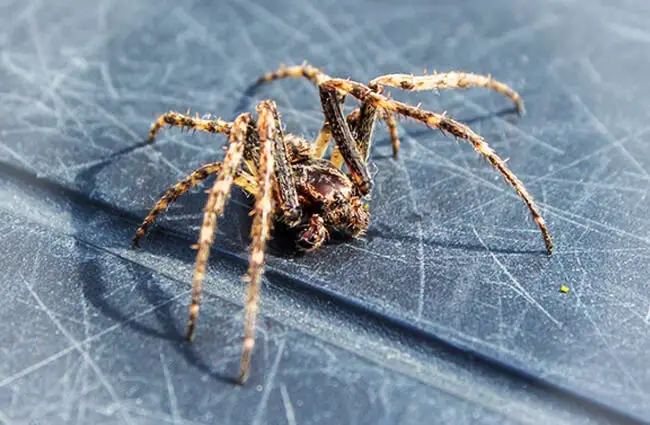
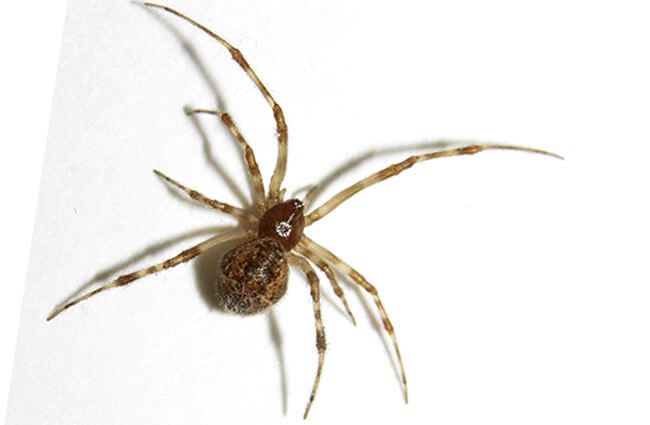
When people refer to a “house spider,” they are often thinking of one of several species that have adapted remarkably well to living alongside humans. Among the most common are the American House Spider (Parasteatoda tepidariorum) and the Domestic House Spider (Tegenaria domestica). These species are not just random visitors; they are integral parts of our shared environment, often going about their lives unnoticed, diligently performing their ecological duties.
These spiders typically exhibit a modest size, with body lengths ranging from a few millimeters to about a centimeter, not including their legs. Their coloration often blends with their surroundings, featuring shades of brown, gray, or tan, sometimes with subtle patterns or markings on their abdomens. This natural camouflage aids them in both hunting and avoiding predators.
Where House Spiders Call Home: Habitats and Distribution
House spiders are true cosmopolitans, found across nearly every continent, a testament to their adaptability and ability to thrive in diverse environments. While their name suggests an indoor preference, many species also flourish outdoors.
- Indoors: Within human dwellings, house spiders seek out secluded, undisturbed areas. Common indoor habitats include:
- Corners of rooms, ceilings, and windowsills.
- Basements, attics, and crawl spaces, which offer stable temperatures and humidity.
- Behind furniture, in closets, and around seldom-used items.
- Garages and sheds, providing ample nooks and crannies.
These locations offer protection from predators, stable conditions, and a steady supply of insect prey.
- Outdoors: Many house spider species are equally at home outside. Their outdoor habitats often mirror their indoor preferences for sheltered spots:
- Under eaves, porch lights, and window frames.
- In dense vegetation, shrubs, and woodpiles.
- Under rocks and logs.
- In abandoned structures or sheds.
The key is finding places where their webs can remain undisturbed and where flying or crawling insects are abundant.
Their global distribution is largely attributed to human activity. These spiders, or their egg sacs, have often hitched rides on cargo, plants, or other goods, inadvertently colonizing new territories alongside human migration and trade routes. This phenomenon highlights their incredible resilience and capacity for dispersal.
The House Spider’s Menu: Diet and Hunting Strategies
House spiders are primarily insectivores, making them natural pest controllers. Their diet consists almost exclusively of other arthropods, which they capture using their intricate webs.
- Primary Prey:
- Flies, including house flies and fruit flies.
- Mosquitoes and gnats.
- Moths.
- Other small insects that wander into their webs.
- Occasionally, other spiders or even small crawling insects like ants or silverfish.
- Web Building: Most common house spiders, such as the American House Spider, are “cobweb weavers.” They construct irregular, three-dimensional webs often described as messy or tangled. These webs are not the neat, geometric spirals of orb-weavers, but rather a chaotic-looking yet highly effective trap. The silk is sticky and strong, designed to ensnare unsuspecting insects.
- The spider typically waits in a retreat near the web, often a funnel-like structure or a hidden corner.
- Vibrations in the web signal the presence of prey.
- The spider quickly rushes out, bites the prey to inject venom, and then wraps it in silk before consuming it or storing it for later.
- Ecological Benefit: By preying on common household pests, house spiders provide a valuable, natural form of insect control. They help keep populations of flies, mosquitoes, and other nuisance insects in check, contributing to a healthier indoor and outdoor environment.
The Intricate Life Cycle and Reproduction
The life of a house spider, though seemingly simple, involves a complex and fascinating reproductive process. Understanding this cycle offers insight into their prevalence and survival strategies.
Mating Rituals
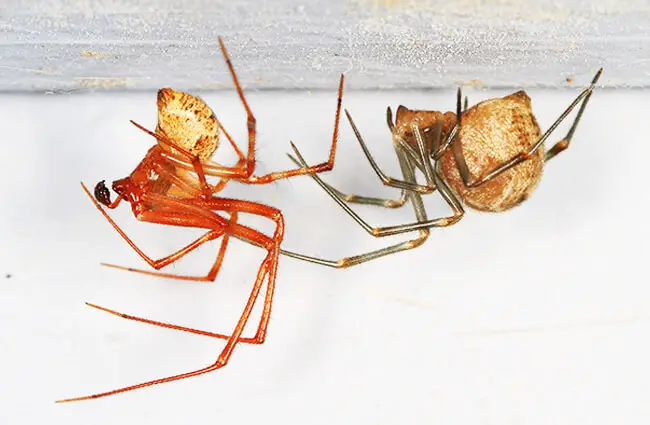
Male house spiders, typically smaller than females, embark on a perilous journey to find a mate. They often leave their own webs and wander in search of a female’s web. Upon locating one, the male performs a series of courtship rituals, often involving plucking or vibrating the female’s web in a species-specific pattern. This signals his presence and intent, distinguishing him from potential prey. If the female is receptive, she will allow him to approach. The male then transfers sperm to the female using specialized appendages called pedipalps.
Egg Sacs and Spiderlings
After successful mating, the female constructs an egg sac, a spherical or pear-shaped silk structure designed to protect her offspring. The number of eggs within a sac can vary widely, from dozens to several hundred, depending on the species and the female’s health. She typically guards this sac diligently, sometimes carrying it with her or attaching it securely within her web or a secluded retreat.
Once the spiderlings hatch, they remain within the egg sac for a period, undergoing their first molt. They then emerge, often dispersing by “ballooning,” a remarkable behavior where they release silk threads into the air, allowing the wind to carry them to new locations. This dispersal mechanism is crucial for colonizing new areas and reducing competition among siblings.
Spiderlings are miniature versions of the adults, though they may differ slightly in coloration or pattern. They undergo several molts, shedding their exoskeletons as they grow, until they reach maturity. The lifespan of a house spider typically ranges from one to three years, with females generally living longer than males.
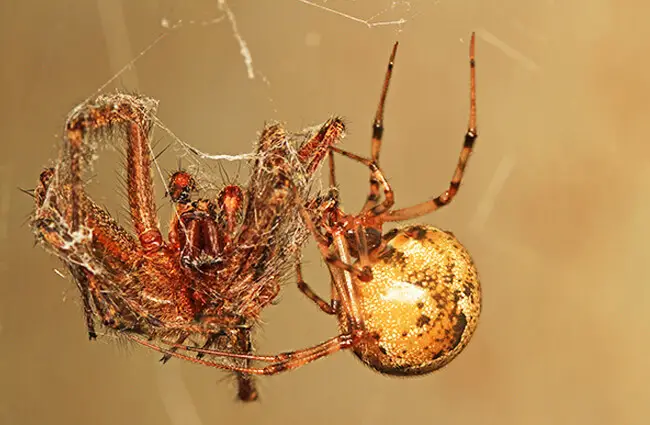
Evolutionary Journey of House Spiders
The evolutionary history of spiders is ancient, stretching back over 300 million years. House spiders, as members of the order Araneae, share this deep lineage. Their ancestors were among the earliest terrestrial arthropods, adapting to life on land long before many other animal groups.
The specific families to which common house spiders belong, such as Theridiidae (cobweb spiders) and Agelenidae (funnel-web spiders), have evolved over millions of years, developing specialized silk glands, venom delivery systems, and unique web architectures. The ability to produce silk, a protein fiber stronger than steel by weight, has been a key evolutionary innovation, allowing spiders to create traps, build shelters, and even travel through the air.
The adaptation of certain spider species to human environments is a more recent evolutionary development, likely occurring as humans began building permanent structures. These spiders found stable microclimates, abundant food sources (insects attracted to human activity), and reduced predation pressure within homes, leading to their successful co-existence with us. This process of synanthropism, or living in close association with humans, showcases their remarkable adaptive capacity.
House Spiders in the Ecosystem: Contributions and Interactions
Beyond their role as pest controllers, house spiders are integral components of the broader ecosystem, participating in complex food webs and interacting with various other organisms.
- Predators and Prey:
- Prey: As discussed, house spiders are voracious predators of insects. This predation helps regulate insect populations, preventing outbreaks of agricultural pests or disease vectors.
- Predators: Despite their hunting prowess, house spiders themselves are prey for a variety of animals. Birds, lizards, shrews, larger spiders, and parasitic wasps all feed on house spiders or their egg sacs. This forms a crucial link in the food chain, transferring energy from insects to higher trophic levels.
- Ecosystem Services:
- Nutrient Cycling: By consuming insects and then being consumed themselves, spiders contribute to the cycling of nutrients within ecosystems.
- Bioindicators: The presence and abundance of certain spider species can sometimes serve as indicators of environmental health, as they are sensitive to changes in habitat and pesticide use.
- Competition: House spiders compete with other insectivorous animals, such as certain birds, bats, and other arthropods, for food resources. However, their specific niche, often involving stationary web traps, minimizes direct competition with more active hunters.
House Spiders and Humans: Coexistence and Cultural Impact
The relationship between house spiders and humans is a complex tapestry woven with threads of fear, fascination, and mutual, often unwitting, benefit.
Interaction with Humans
- Beneficial Role: The most significant interaction is their role as natural pest control agents. A house spider in your home is diligently catching flies, mosquitoes, and other insects that might otherwise bother you or spread disease. They are nature’s silent guardians against many common household pests.
- Fear and Misconceptions: Despite their beneficial nature, spiders often evoke arachnophobia, an intense fear. This fear is largely unwarranted for common house spiders, which are generally harmless to humans. Their venom is designed for insects and is typically not potent enough to cause significant harm to people, usually resulting in nothing more than a mild, localized irritation if a bite were to occur, which is rare. Bites usually only happen if a spider feels directly threatened or is accidentally pressed against skin.
- What to Do if Encountered:
- Observe: If you find a house spider, take a moment to observe it. It is likely more interested in finding its next meal than interacting with you.
- Relocate: If you prefer not to have a spider in a particular spot, gently scoop it into a cup or container and release it outdoors, perhaps under a bush or in a shed. Avoid harming it.
- Appreciate: Consider the ecological service it provides. A few spiders can significantly reduce the number of bothersome insects in your living space.
Contribution to Human Culture
While not as prominent as some other animals, spiders, including house spiders, have woven their way into human culture in various ways:
- Folklore and Mythology: Spiders often appear as symbols of creativity, patience, and destiny in various cultures due to their web-spinning abilities. The Greek myth of Arachne, for example, tells of a skilled weaver transformed into a spider.
- Literature and Art: Spiders are recurring motifs in literature, from children’s stories like “Charlotte’s Web” to more complex symbolic representations in poetry and art.
- Scientific Study: House spiders, being readily accessible, are often subjects of scientific study, contributing to our understanding of arachnid biology, behavior, and silk properties.
Caring for House Spiders in Captivity: A Zookeeper’s Guide
For aspiring zoologists or zookeepers interested in arachnids, keeping house spiders in captivity can be a rewarding experience, offering a closer look at their fascinating behaviors. Proper care ensures their health and well-being.
Enclosure Setup
- Container: A small, clear plastic or glass container (e.g., a critter keeper or a small terrarium) with adequate ventilation is suitable. The size should be appropriate for the spider, allowing space for web building but not so large that prey is difficult to find.
- Substrate: A thin layer of substrate like coco fiber, peat moss, or even paper towels can be used, primarily to help maintain humidity.
- Decor: Provide anchor points for web building. Small twigs, dried leaves, or even crumpled paper can serve this purpose. A small, shallow water dish with cotton or a sponge to prevent drowning is essential.
- Humidity and Temperature: Maintain moderate room temperature (around 68-78°F or 20-26°C) and moderate humidity. Misting the enclosure lightly a few times a week can help, but avoid over-wetting, which can promote mold growth.
Feeding and Hydration
- Diet: Offer small live insects such as fruit flies, pinhead crickets, or small mealworms. The size of the prey should be smaller than the spider’s body.
- Frequency: Feed every 2-3 days for spiderlings, and 1-2 times a week for adults. Observe if the spider is eating and adjust accordingly. Remove uneaten prey after 24 hours to prevent stress to the spider or mold in the enclosure.
- Water: Ensure a constant supply of fresh water. Misting also provides hydration.
Maintenance and Handling
- Cleaning: Spot clean the enclosure as needed, removing dead prey or molted exoskeletons. A full substrate change may be required every few months.
- Handling: House spiders are generally not aggressive, but handling should be minimized to avoid stress to the spider and the risk of a defensive bite. If handling is necessary, use soft-tipped forceps or gently guide the spider into a container. Always wash hands before and after.
- Molting: Spiders will stop eating and become lethargic before molting. Do not disturb them during this vulnerable period. Ensure humidity is adequate to aid in a successful molt.
What to Avoid
- Overfeeding: Can lead to health issues.
- Over-misting: Can lead to mold and bacterial growth.
- Cohabitation: Do not house multiple spiders together unless specifically researching communal species, as cannibalism is common.
- Wild-caught prey: Can carry pesticides or parasites.
- Direct sunlight: Can overheat the enclosure.
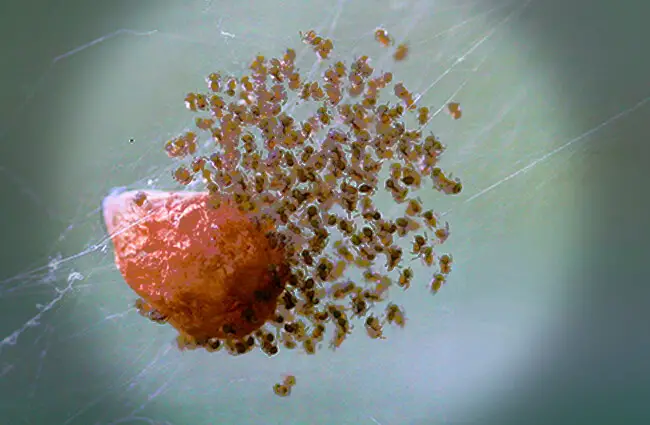
A Huge List of Interesting Facts About House Spiders
Delve deeper into the world of these fascinating arachnids with these intriguing tidbits:
- Silk Versatility: House spiders produce several types of silk, each with a specific purpose: sticky silk for trapping prey, non-sticky silk for structural support, and softer silk for egg sacs.
- Poor Eyesight, Great Vibrations: Most house spiders have relatively poor eyesight. They rely heavily on vibrations in their webs and on the ground to detect prey, predators, and potential mates.
- Ballooning Journeys: Young spiderlings can travel hundreds of miles by “ballooning,” using strands of silk to catch air currents. This is how they colonize new areas, sometimes even crossing oceans.
- Venom for Prey: House spider venom is primarily a neurotoxin designed to paralyze and digest insects. It is generally harmless to humans, causing only mild, localized reactions if a bite occurs.
- Regenerative Abilities: Like many arthropods, spiders can regenerate lost limbs over several molts. A spider that loses a leg may grow a new, albeit smaller, one after its next molt.
- Web Recycling: Many house spiders will periodically eat their old, damaged webs to recycle the protein-rich silk, then spin a new one. This is an efficient use of resources.
- Nocturnal Hunters: House spiders are largely nocturnal, meaning they are most active during the night, repairing webs and hunting when their insect prey is also active.
- Long-Lived Females: Female house spiders typically live longer than males, sometimes surviving for several years, while males often live for only a year or less, especially after mating.
- Cleanliness: Despite their “messy” webs, spiders are quite meticulous about their own cleanliness, often grooming their legs and pedipalps.
- Not Insects: A common misconception is that spiders are insects. They are arachnids, distinguished by having eight legs, two body segments (cephalothorax and abdomen), and no antennae or wings.
- Silent Guardians: They are often referred to as “silent guardians” because of their discreet yet effective role in controlling insect populations within homes and gardens.
Conclusion: Appreciating Our Eight-Legged Neighbors
The common house spider, often overlooked or feared, is a testament to nature’s ingenuity and adaptability. From their intricate web-building skills and vital role in pest control to their ancient evolutionary lineage and fascinating life cycles, these arachnids offer a wealth of knowledge for anyone willing to look closer. By understanding and appreciating their contributions, we can shift our perspective from apprehension to admiration, recognizing house spiders not as unwelcome intruders, but as beneficial and intriguing cohabitants of our shared world.



![Closeup of a beautiful Red Angus cowPhoto by: U.S. Department of Agriculture [pubic domain]https://creativecommons.org/licenses/by/2.0/](https://animals.net/wp-content/uploads/2020/03/Red-Angus-4-100x75.jpg "Red Angus")